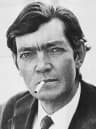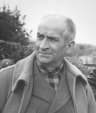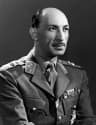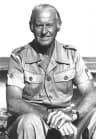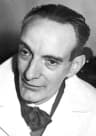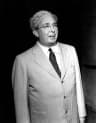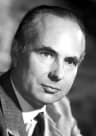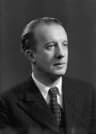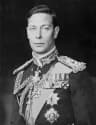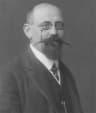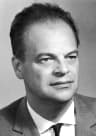
出生
December 14, 1914
Bremen, Germany
逝世
May 30, 1992
Meckenheim, Germany
知名于
president of the Federal Republic of Germany
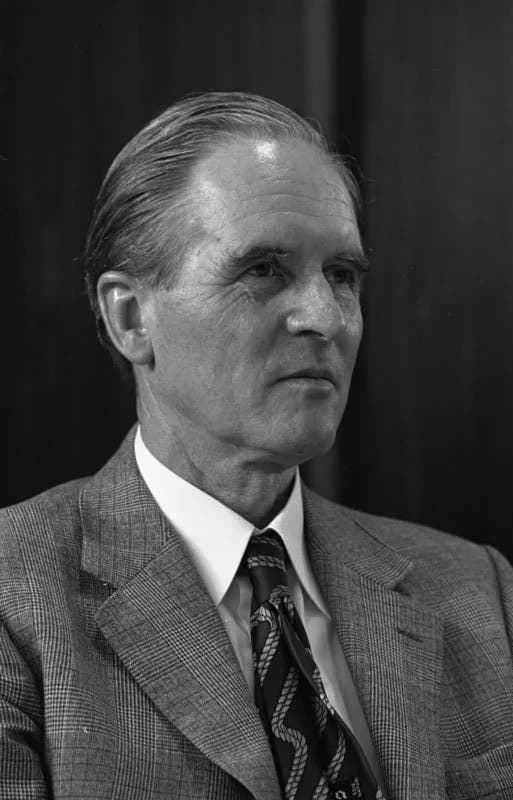
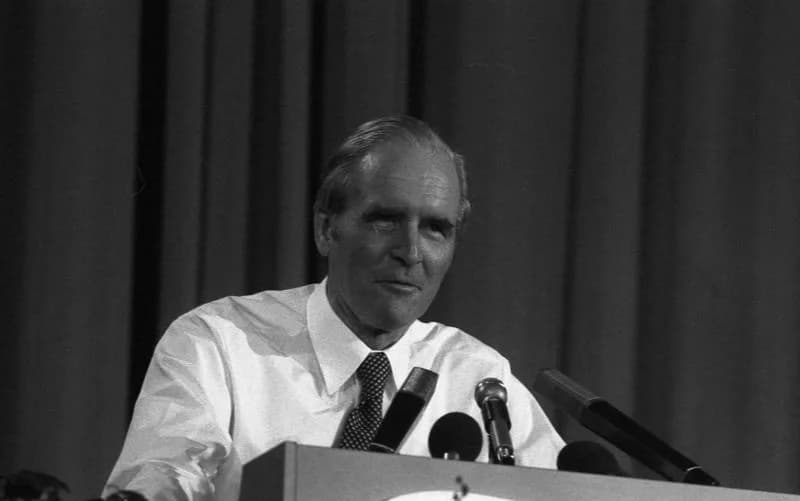
Karl Carstens (1914-1992) was a German politician and jurist who served as President of West Germany from 1979 to 1984. He combined legal expertise with diplomatic experience to provide constitutional leadership during the Cold War era. His career exemplified public service in post-war German democracy.
第 0 章
人生章节
第 1 章 · 1914· 第 1 章,共 7 章
Early Life and Origins
Karl Carstens was born on December 14, 1914, in Bremen, Germany, a major port city in northern Germany. His birth came just months after the outbreak of World War I, placing him among a generation that would experience both world wars and Germany's subsequent reconstruction. Growing up in Bremen, a city with a strong maritime tradition and commercial heritage, likely influenced his later understanding of international relations and diplomacy.
The details of his family background and early education remain part of the formative experiences that shaped his character. Coming of age during the Weimar Republic and the rise of National Socialism, Carstens belonged to a generation that would later be tasked with rebuilding German democracy after 1945.
第 2 章· 第 2 章,共 7 章
Career Beginnings
Carstens began his professional life in the legal field, working as a law clerk and developing expertise in jurisprudence. This legal foundation would prove essential throughout his career, providing him with the analytical skills and understanding of constitutional law that would later serve him well in political office. His early work in law gave him insight into the German legal system and its role in democratic governance.
His transition into diplomatic service marked an important phase in his career development. As a diplomat, Carstens gained valuable experience in international relations and foreign policy, skills that would become increasingly important as West Germany sought to establish its place in the post-war European order.
第 3 章 · 1979· 第 3 章,共 7 章
Major Achievements and Career Highlights
The pinnacle of Carstens' career was his service as President of the Federal Republic of Germany from 1979 to 1984. During this five-year term, he served as the ceremonial head of state during a critical period in German and European history. His presidency coincided with the final phase of the Cold War, when tensions between East and West remained high and Germany remained divided.
As president, Carstens represented West Germany on the international stage and played an important constitutional role in the German democratic system. The presidency, while largely ceremonial, required him to serve as a unifying figure for the nation and to represent German values and interests in international forums. His legal background and diplomatic experience proved valuable assets in fulfilling these responsibilities.
第 4 章· 第 4 章,共 7 章
Personal Life and Character
Throughout his varied career, Carstens maintained a reputation for professionalism and dedication to public service. His combination of legal expertise, diplomatic experience, and political acumen made him well-suited for the highest office in the German state. Those who worked with him noted his careful approach to decision-making and his commitment to constitutional principles.
His personal interests and family life, while maintained with the privacy typical of German public figures of his era, provided the foundation for his long career in public service. The stability of his personal relationships supported his ability to serve effectively in demanding professional roles.
第 5 章· 第 5 章,共 7 章
Constitutional Role and Contributions
As a jurist and politician, Carstens made significant contributions to the development of West German democratic institutions. His legal expertise informed his understanding of the constitutional framework within which he operated, both as a politician and as president. This knowledge proved particularly valuable in a nation still establishing its democratic traditions after the disruptions of war and occupation.
His work helped strengthen the office of the presidency within the German constitutional system. While the German president holds largely ceremonial powers, the role requires careful navigation of political relationships and constitutional responsibilities, tasks for which Carstens' varied background prepared him well.
第 6 章 · 1984· 第 6 章,共 7 章
Later Years and Final Chapter
After completing his presidential term in 1984, Carstens continued to be respected as an elder statesman who had served his country through a critical period of its development. His post-presidential years were marked by the continued respect of his fellow citizens and recognition of his contributions to German democracy and international relations.
Karl Carstens passed away on May 30, 1992, in Meckenheim, Germany, at the age of 77. His death marked the end of a life dedicated to public service and the development of democratic institutions in post-war Germany. He lived to see the reunification of Germany in 1990, witnessing the fulfillment of hopes for national unity that had been central to West German political aspirations throughout the Cold War era.
第 7 章· 第 7 章,共 7 章
Legacy and Impact
Carstens' legacy rests on his contributions to the stability and development of West German democracy during crucial decades of the Cold War. His presidency provided continuity and constitutional leadership during a period when Germany remained divided and Europe faced ongoing tensions between East and West. His legal background and diplomatic experience brought valuable expertise to the highest office in the German state.
His career exemplifies the generation of German leaders who rebuilt democratic institutions after 1945 and guided the Federal Republic through the challenges of the Cold War era. The combination of legal expertise, diplomatic experience, and political leadership that he represented became a model for public service in the German democratic system. His life and career remain part of the institutional memory of the Federal Republic and its development as a stable democracy in the heart of Europe.
瞬间中的人生
塑造一生的那些瞬间
FAQ
常见问题
Karl Carstens什么时候去世的?
Karl Carstens于1992年5月30日在Meckenheim, Germany逝世,享年77岁。
Karl Carstens出生在哪里?
Karl Carstens于1914年12月14日出生于Bremen, Germany。
Karl Carstens最出名的是什么?
Karl Carstens最为人所知的是president of the Federal Republic of Germany。
Karl Carstens去世时多大年纪?
Karl Carstens去世时77岁。
Karl Carstens是哪国人?
Karl Carstens来自Germany。
照片图库
影像中的人生
点击任意照片可放大 · 共 42 张
二维码
分享此生平
打印与分享
扫码访问此生平页面。可打印用于活动、展览或教学材料。