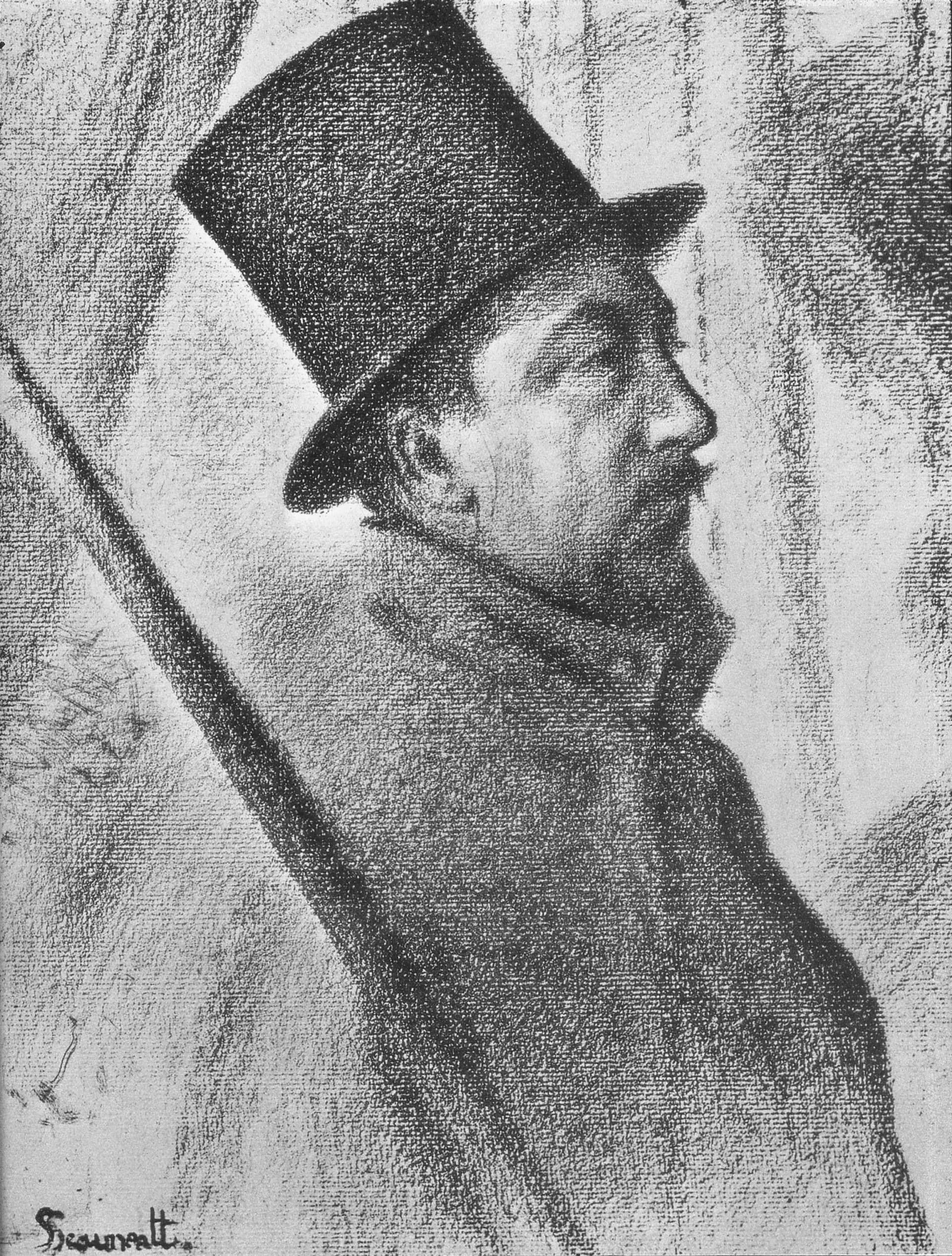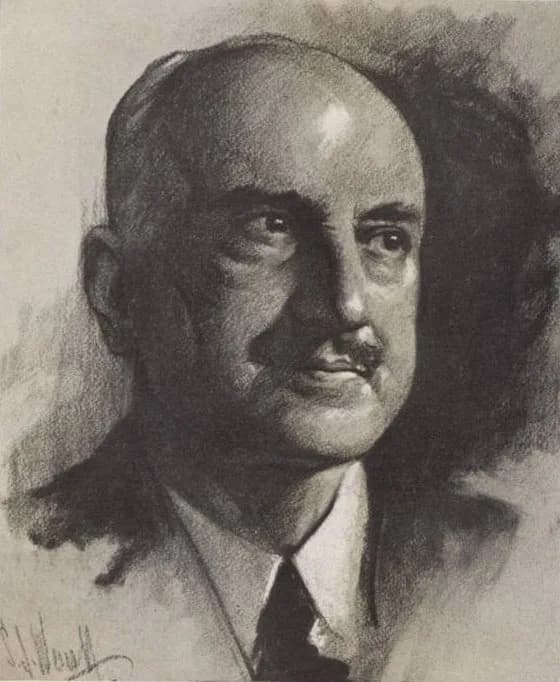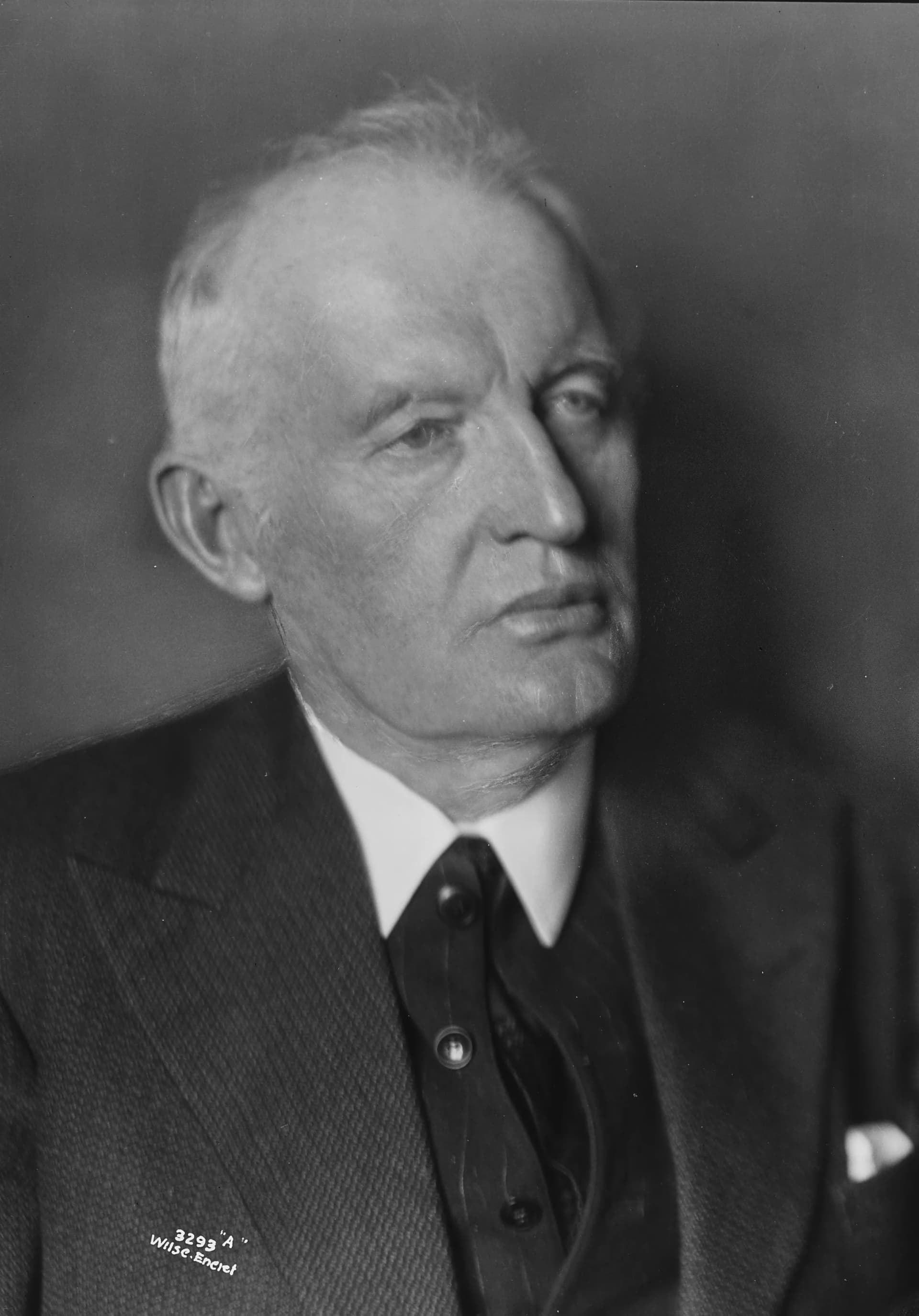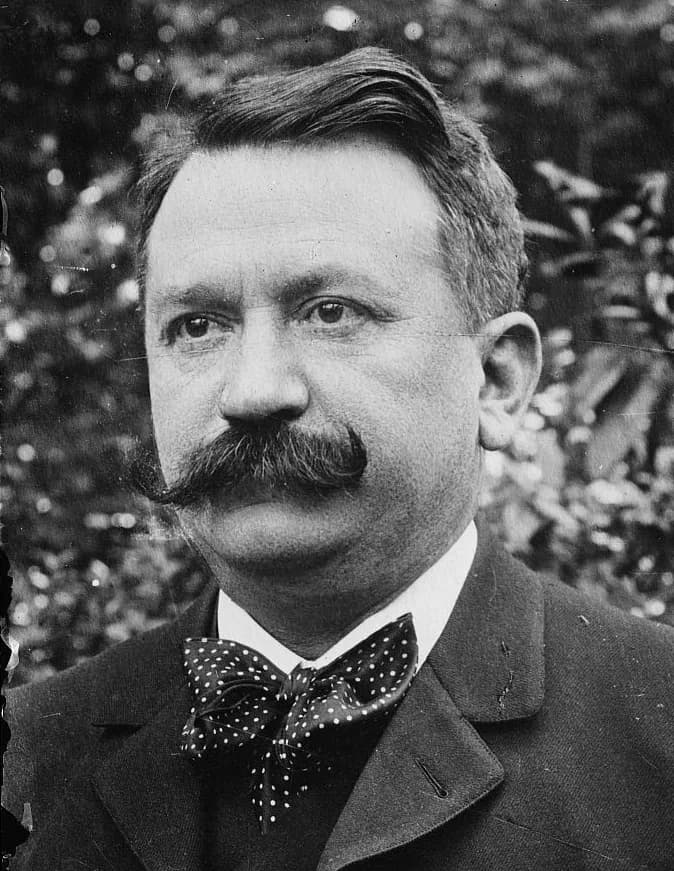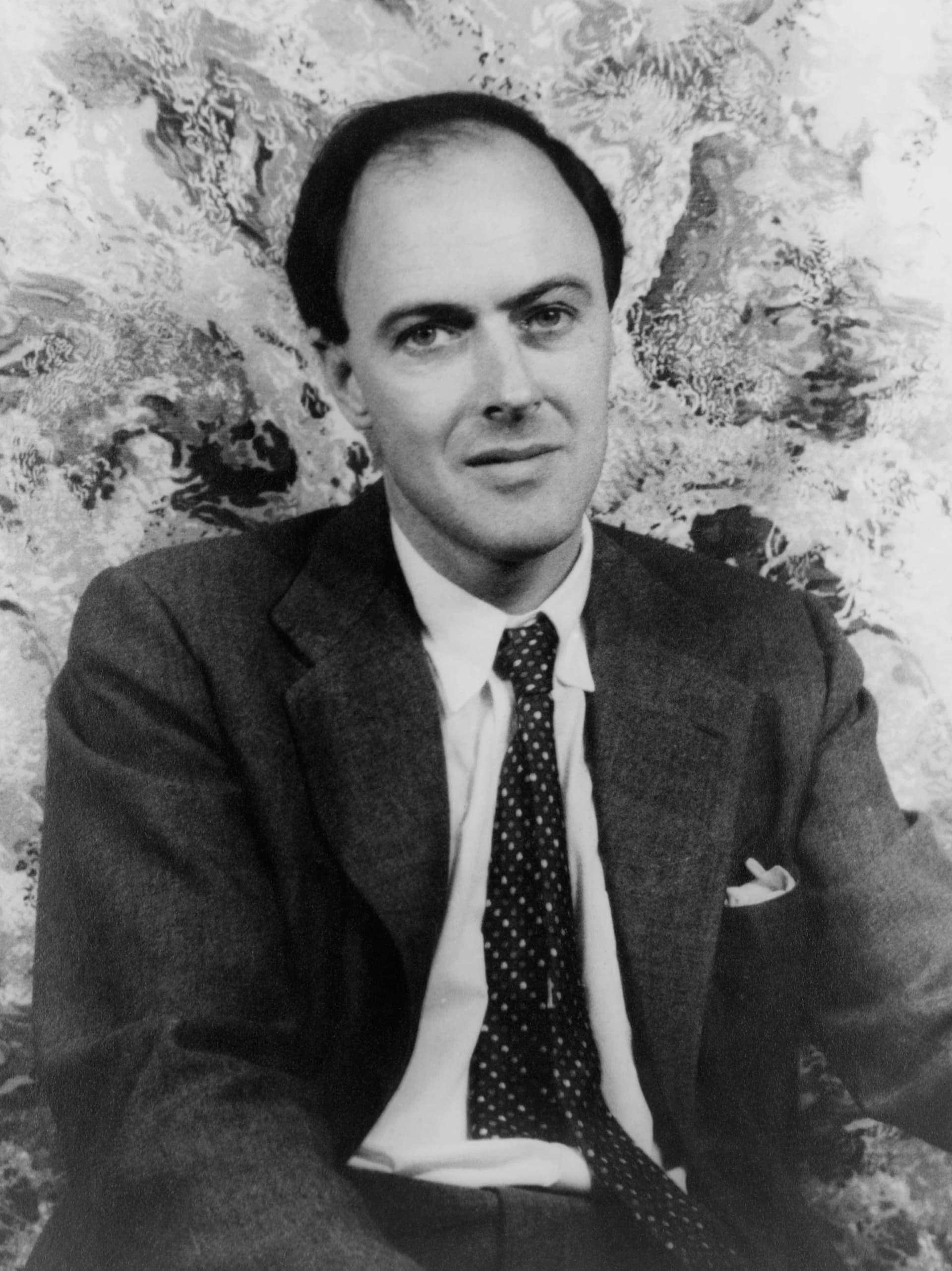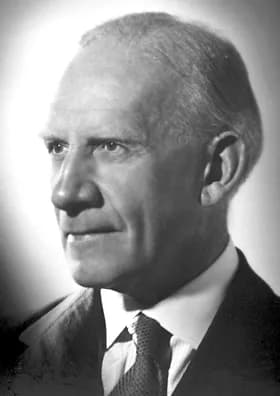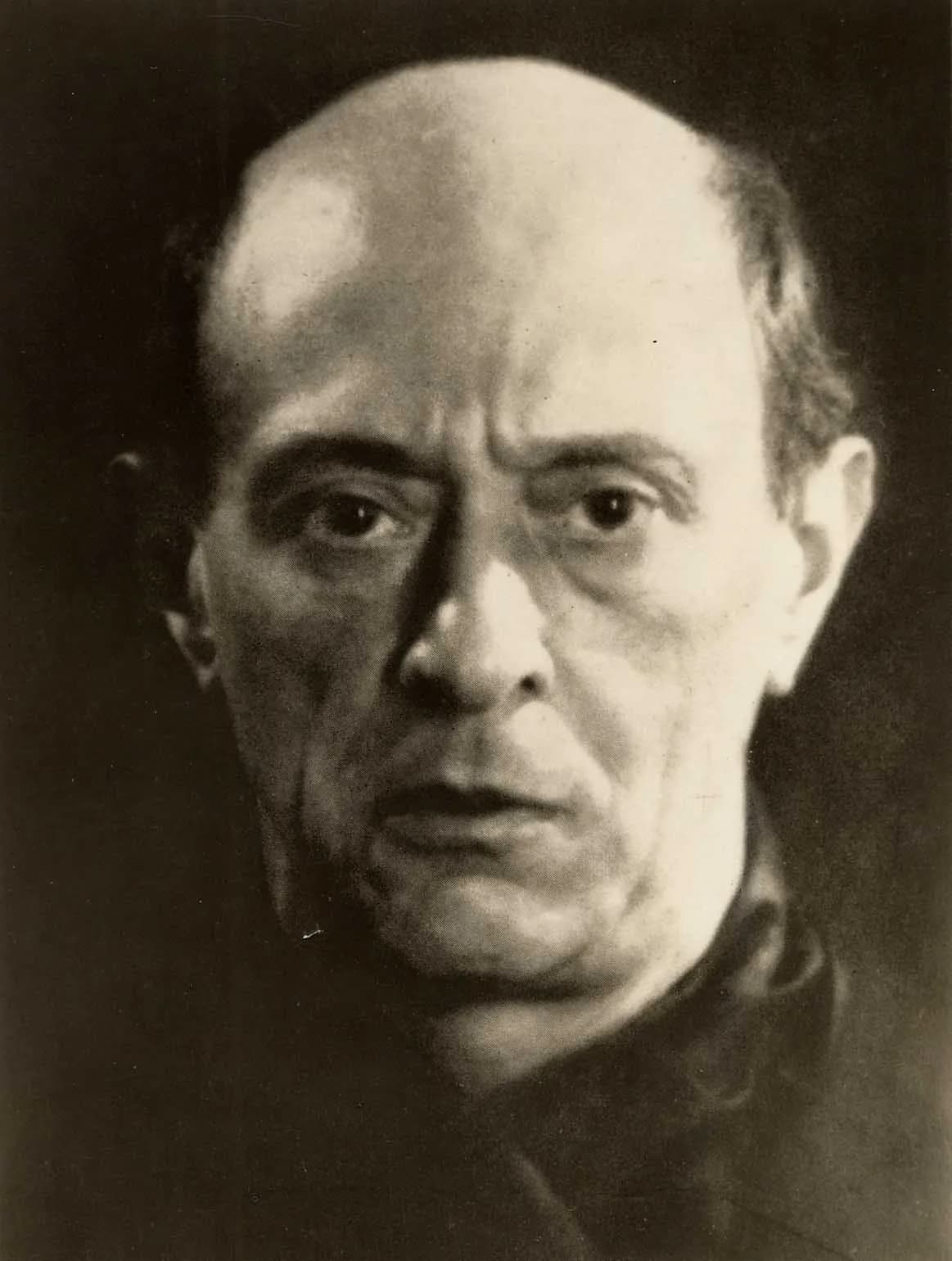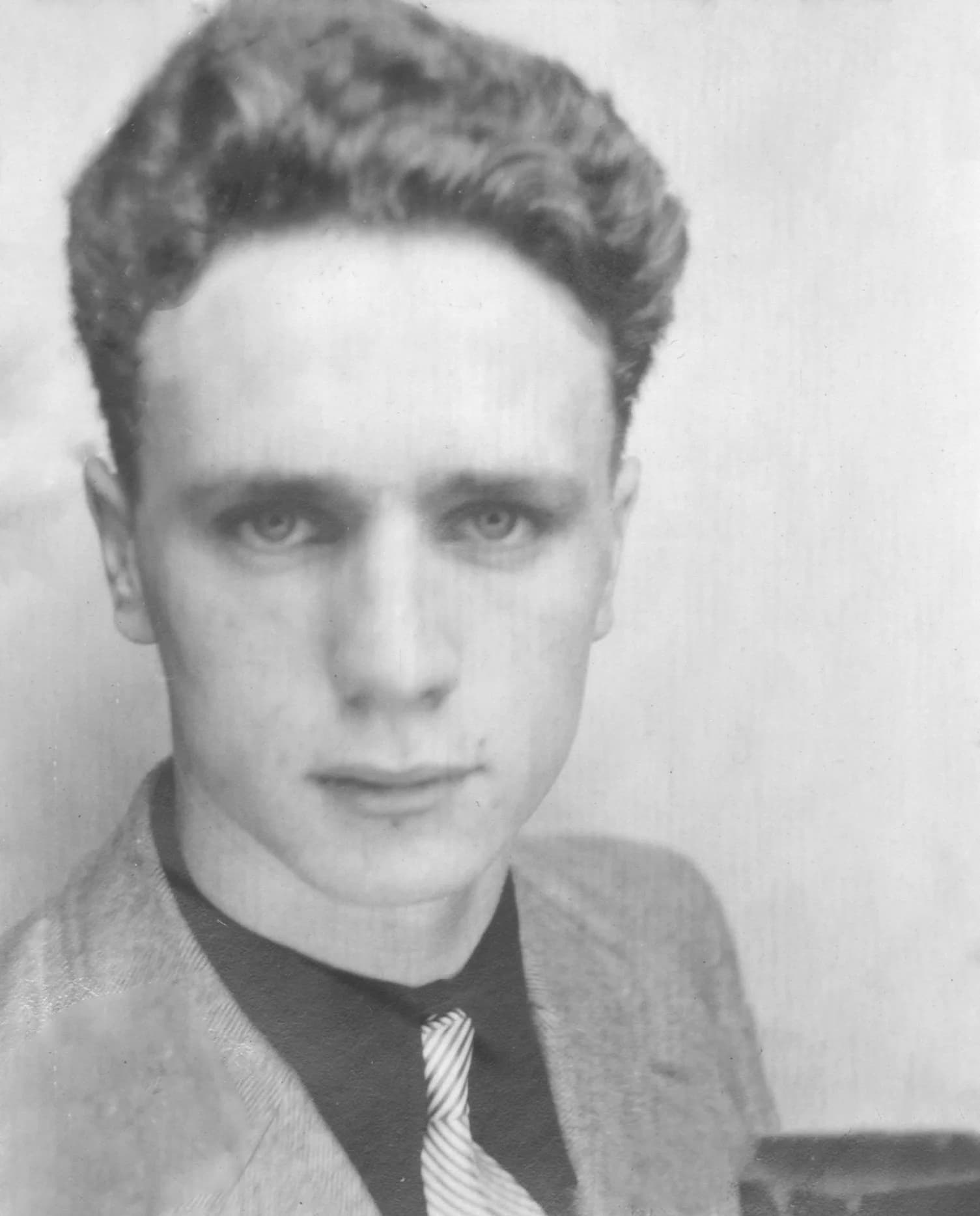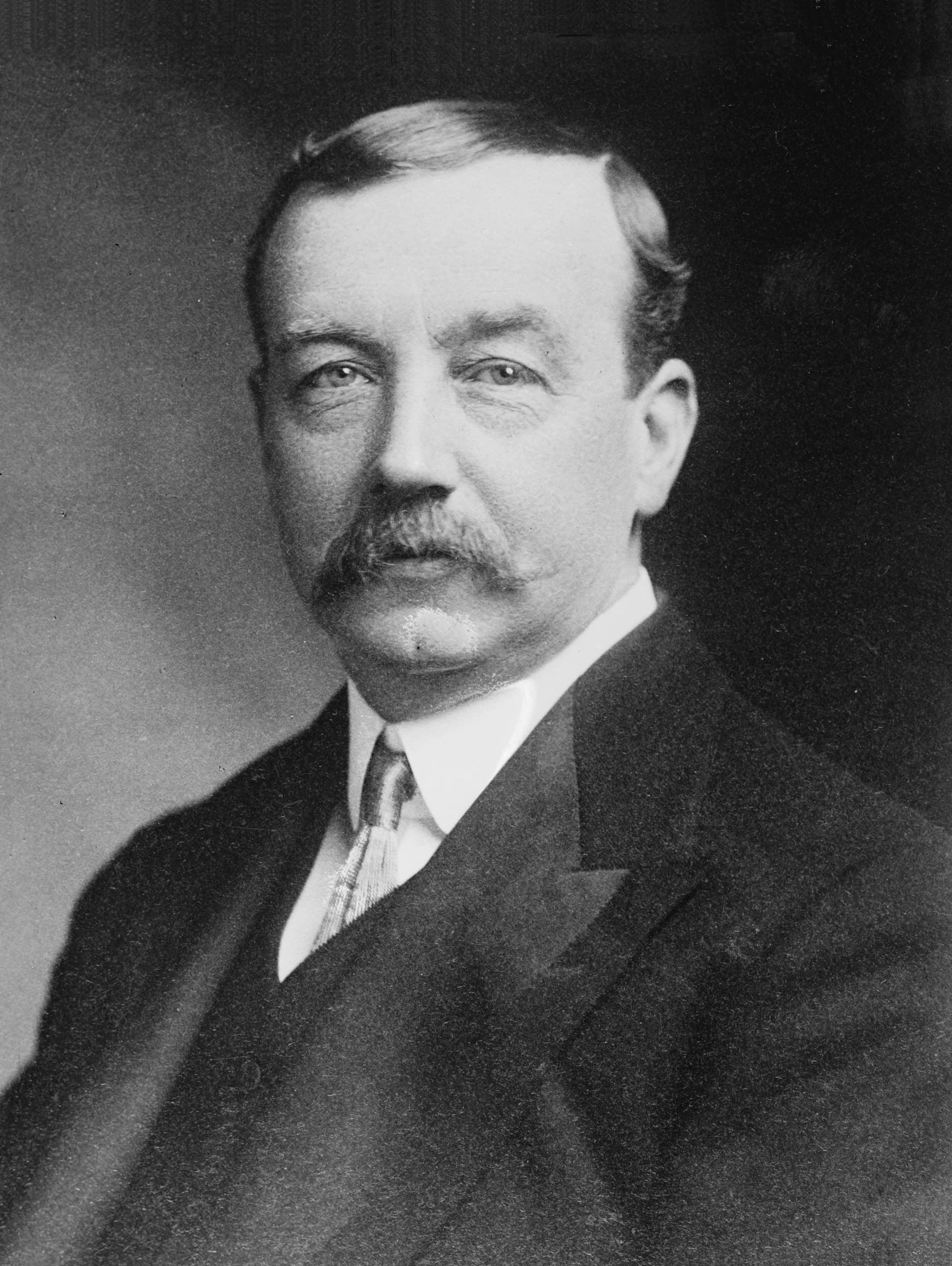
出生
September 13, 1863
Glasgow, United Kingdom
逝世
October 20, 1935
London, Roman Empire
知名于
British politician
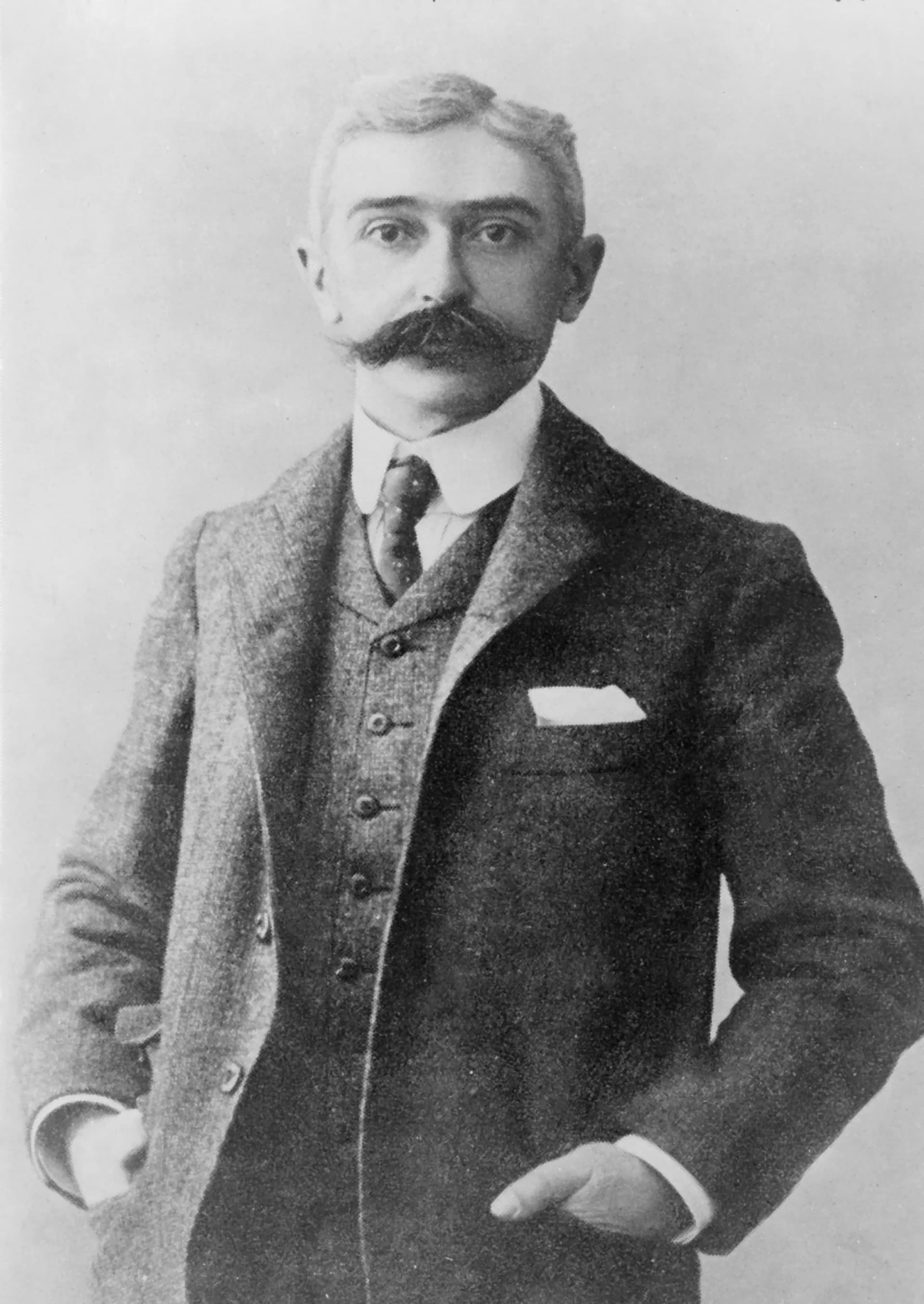
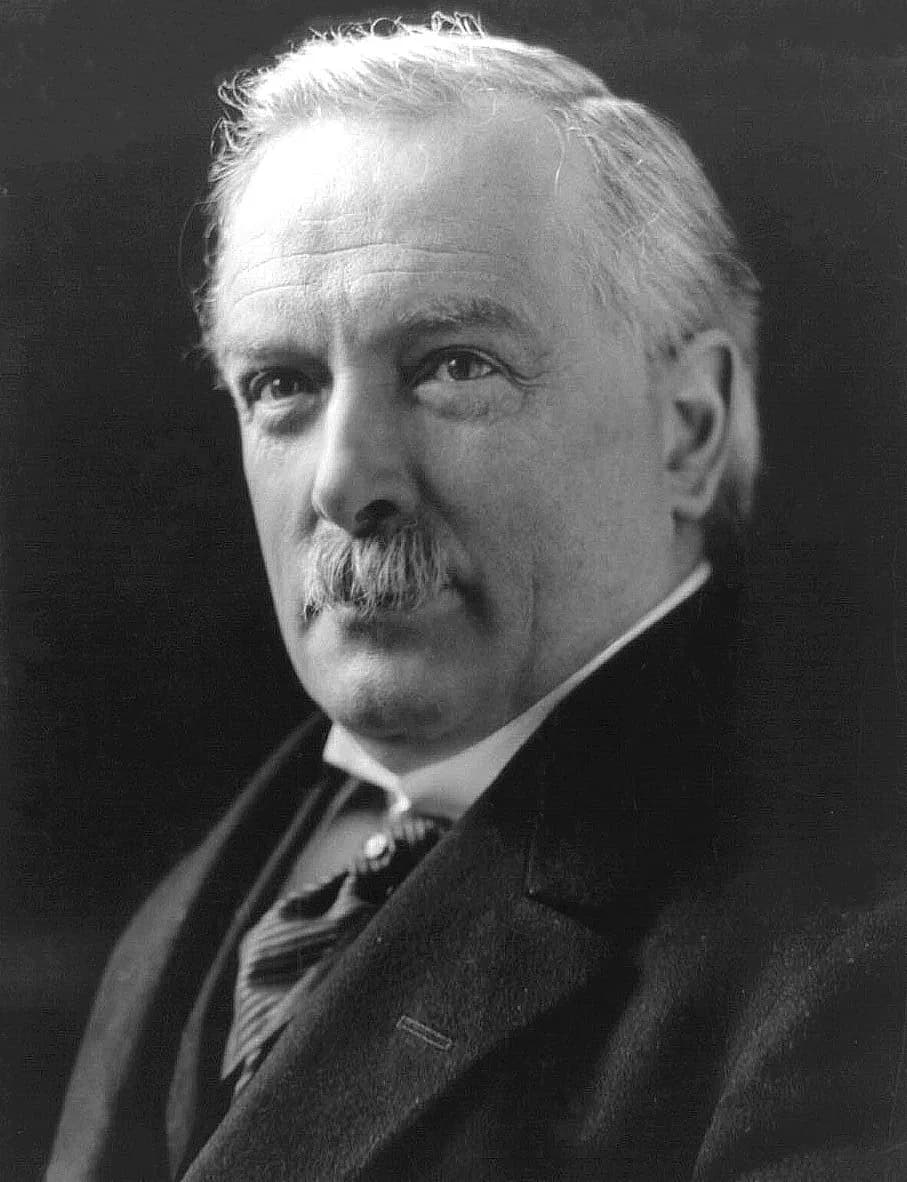
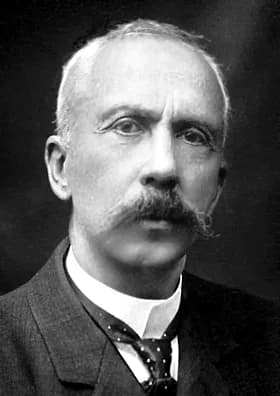
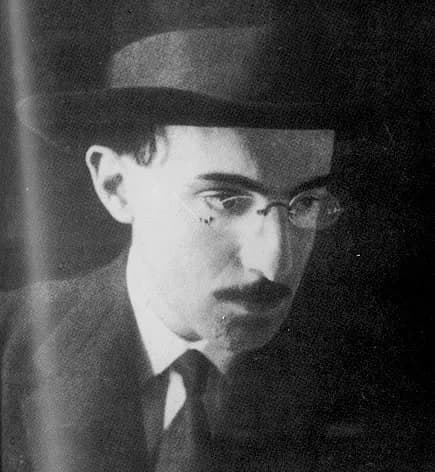
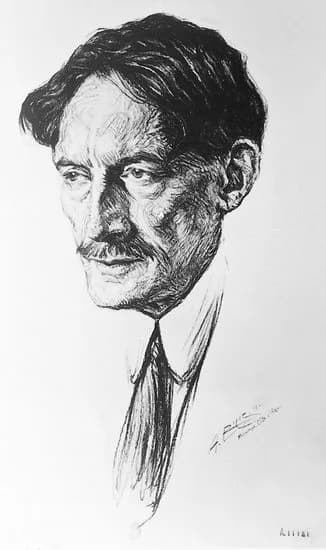
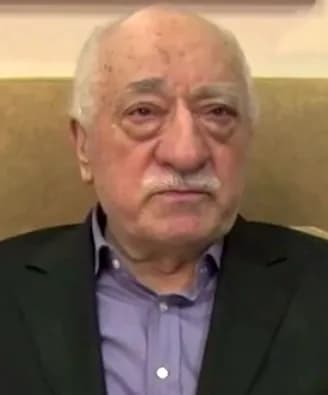
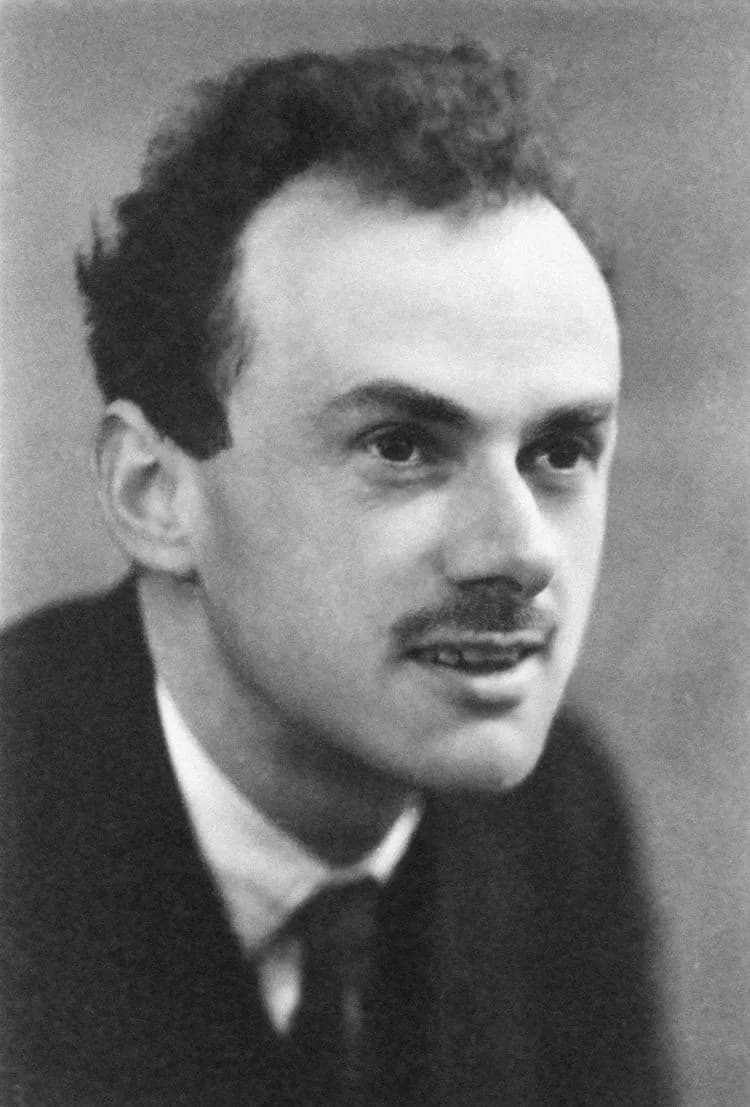
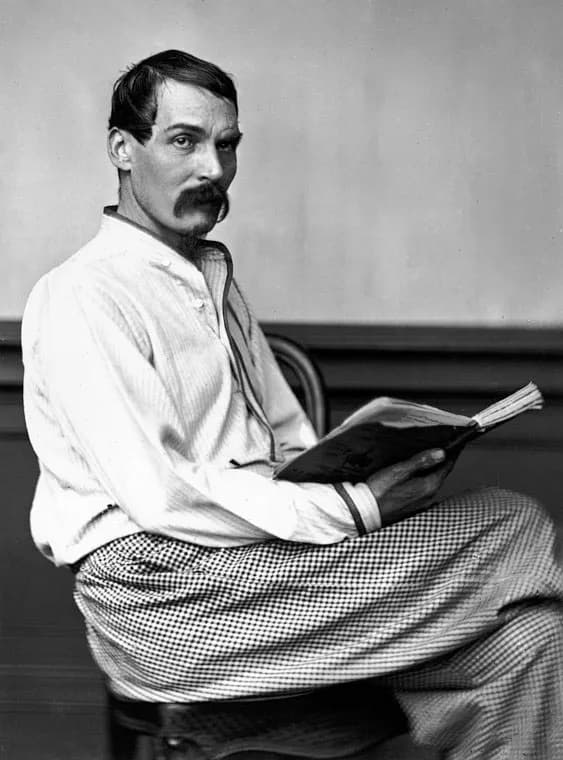
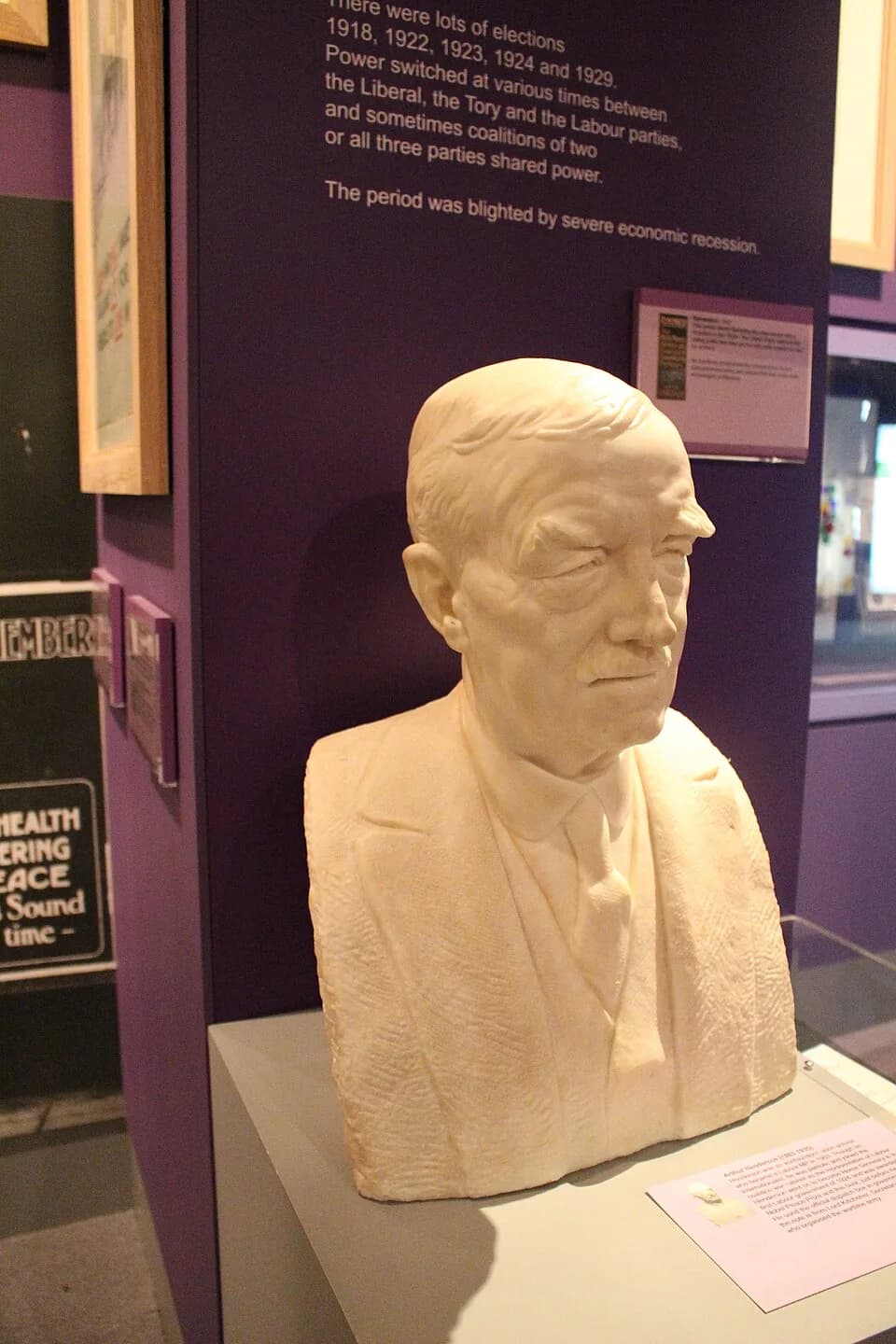
Arthur Henderson (1863–1935) was United Kingdom best known for British politician.
Arthur Henderson (September 13, 1863 – October 20, 1935) was a British politician and trade unionist. He was the first Labour cabinet minister and won the Nobel Peace Prize in 1934 for his disarmament efforts. His leadership significantly shaped the Labour Party and international peace initiatives.
瞬间中的人生
塑造一生的那些瞬间
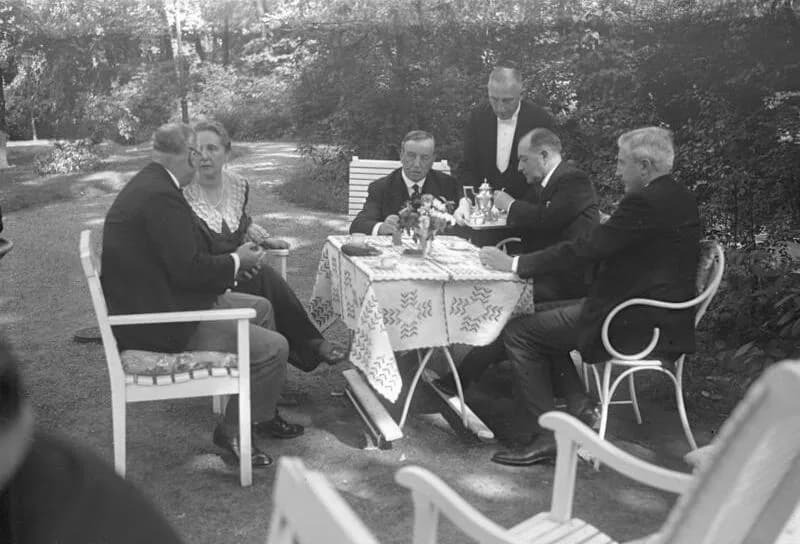
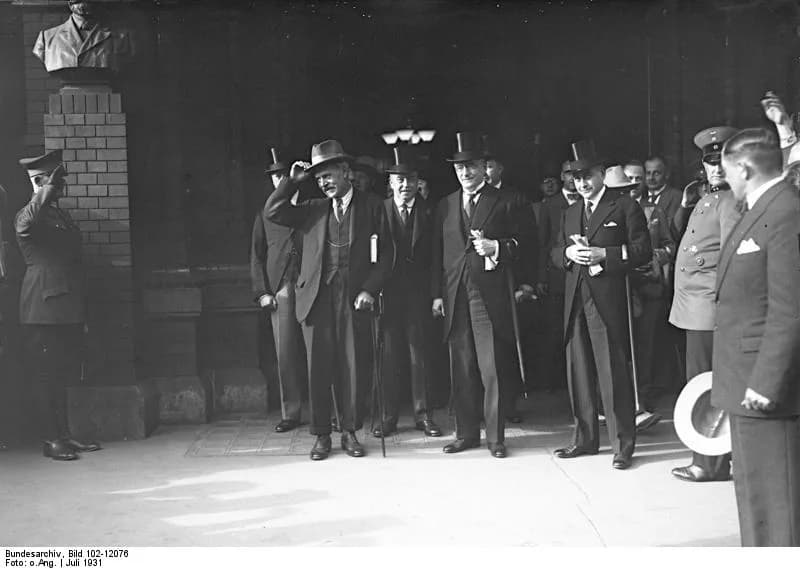
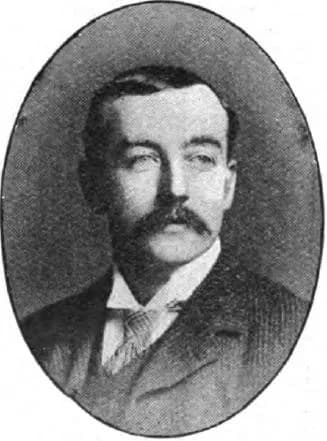
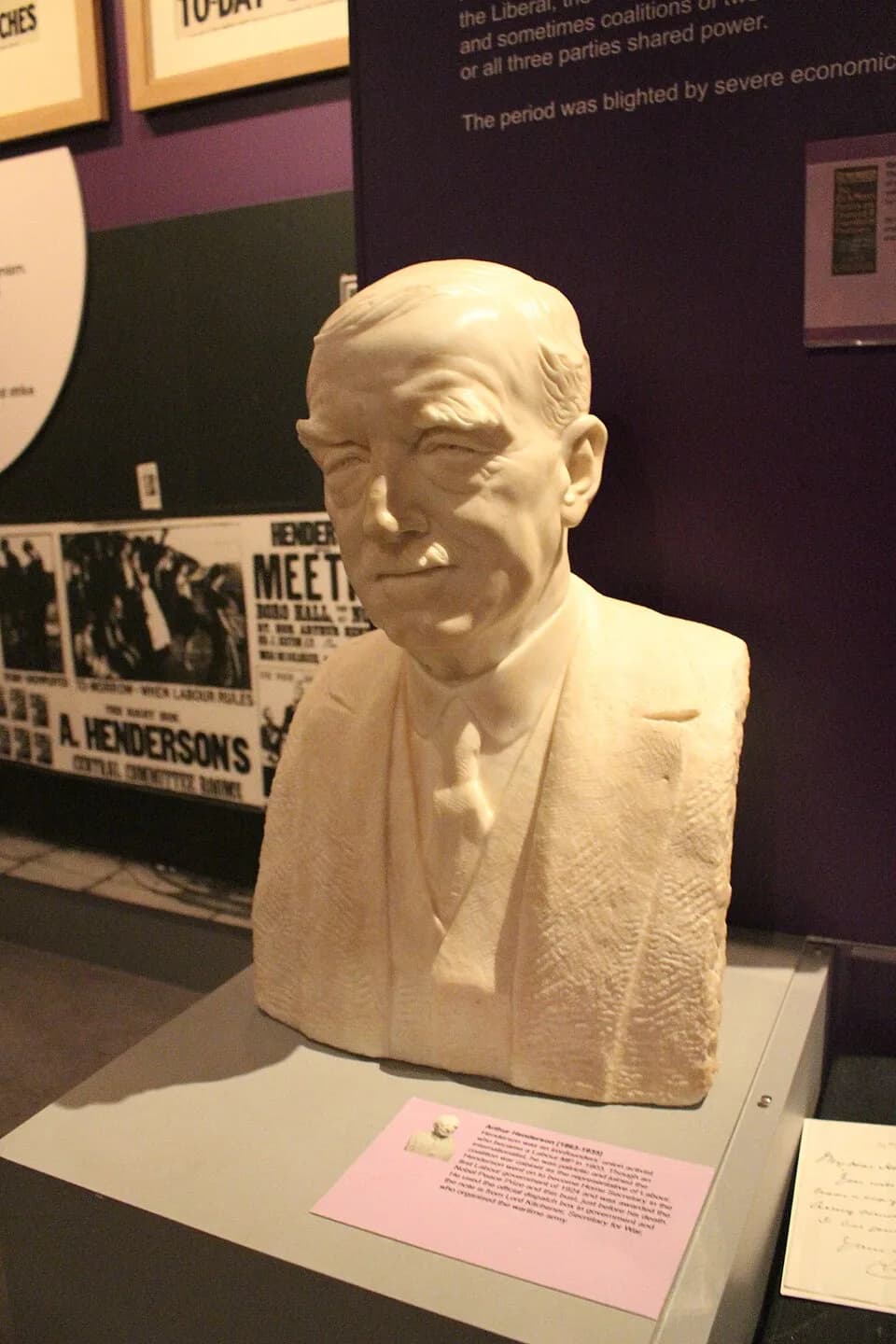
第 0 章
人生章节
第 1 章 · 1863· 第 1 章,共 6 章
Early Life and Origins
Arthur Henderson entered the world on September 13, 1863, in Glasgow, United Kingdom. While specific details of his early family life are not extensively documented, his formative years as an iron moulder undoubtedly shaped his understanding of the industrial landscape. This hands-on experience provided him with a direct perspective on the daily lives and challenges faced by working people, laying a crucial foundation for his future advocacy.
第 2 章· 第 2 章,共 6 章
Career Beginnings
Henderson's journey into public service began earnestly with his deep involvement in the trade union movement. As an iron moulder, he immersed himself in the realities of industrial labor, becoming intimately familiar with the aspirations and struggles of the working class. This practical experience served as a powerful springboard for his eventual rise as a prominent trade unionist and, subsequently, a key figure in British politics.
第 3 章· 第 3 章,共 6 章
Major Achievements and Career Highlights
Arthur Henderson's political career was distinguished by a series of pioneering accomplishments and lasting contributions. He holds the historic distinction of being the first Labour cabinet minister, a significant milestone that signaled the growing influence of the Labour Party in national governance. This achievement underscored his leadership capabilities and his ability to navigate the complex world of parliamentary politics.
A crowning recognition of his international efforts came in 1934 when he was awarded the prestigious Nobel Peace Prize. This highly esteemed accolade was bestowed upon him for his untiring struggle and courageous efforts as Chairman of the League of Nations Disarmament Conference, a pivotal role he held from 1931 to 1934. His unwavering commitment to global peace and his persistent diplomatic work during this critical period earned him international acclaim.
Remarkably, Henderson also uniquely served three separate terms as Leader of the Labour Party, spanning three different decades. This repeated trust placed in him by his party colleagues speaks volumes about his consistent leadership, integrity, and political acumen. Furthermore, his electoral appeal was evident in his success in five different by-elections, each in a distinct constituency, showcasing his broad public support. Throughout his long career, he was affectionately known as "Uncle Arthur" among his peers, a testament to his widely recognized integrity, steadfast devotion to his cause, and his calm, imperturbable demeanor in the face of political challenges.
第 4 章 · 1931· 第 4 章,共 6 章
Notable Works or Contributions
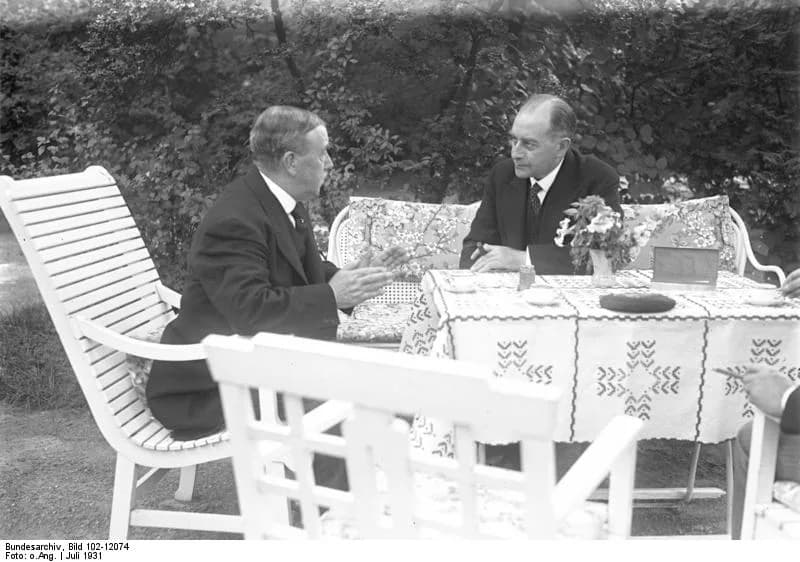
While not a creator of traditional written works, Arthur Henderson's most significant "contributions" were his sustained political actions and his influential role in international diplomacy. His monumental efforts as Chairman of the League of Nations Disarmament Conference from 1931 to 1934 stand as a defining moment in his public service. This challenging and essential diplomatic engagement aimed to foster global cooperation and reduce the threat of armed conflict, demonstrating his deep commitment to a more peaceful world order.
His leadership extended profoundly to the Labour Party, which he guided through three distinct periods, shaping its direction and policy. Initially, his political approaches were aligned closely with those of the Liberal Party, illustrating his pragmatic and evolving vision for the Labour movement. As a dedicated trade unionist, he made continuous contributions to the broader movement for workers' rights and equitable representation. Although his emphasis on arbitration and conciliation sometimes diverged from the preferred strategies of some trade unions, his efforts consistently aimed at improving the conditions and voice of working people.
第 5 章 · 1931· 第 5 章,共 6 章
Later Years
Arthur Henderson continued his distinguished public service well into his later years, with his impactful work on the international stage serving as a testament to his enduring dedication. His role as Chairman of the League of Nations Disarmament Conference from 1931 to 1934 was a demanding and crucial undertaking, occurring during a period of escalating global tensions. Despite the considerable political complexities and the challenge of uniting the Labour Party and trade unions, his commitment to his principles remained resolute. Arthur Henderson passed away on October 20, 1935, in London, leaving behind a profound legacy in both British national politics and international relations.
第 6 章· 第 6 章,共 6 章
Legacy and Impact
Arthur Henderson's legacy is one of pioneering leadership, unwavering dedication to public service, and a deep-seated commitment to peace. As the first Labour cabinet minister, he established a crucial precedent, paving the way for the future participation of Labour representatives at the highest levels of government. His unparalleled achievement of leading the Labour Party across three separate decades underscores his enduring influence and ability to adapt to evolving political landscapes.
His colleagues' affectionate nickname, "Uncle Arthur," beautifully captures the respect and admiration he commanded, reflecting his integrity and consistent devotion to the cause of social justice. While his emphasis on arbitration and conciliation sometimes met with resistance from trade unions, it demonstrated his firm belief in diplomatic solutions and peaceful negotiation. Henderson was truly a transitional figure within the Labour Party, skillfully navigating and evolving its policies from their earlier alignments towards a more distinct Labour identity.
The awarding of the Nobel Peace Prize in 1934 for his work on the League of Nations Disarmament Conference solidified his status as a major international diplomat and advocate for peace. Even though he faced challenges in fully unifying the Labour Party and its associated trade unions, his relentless efforts significantly advanced the political discourse and championed the rights of working people. His life story continues to stand as an inspiring example of principled leadership and dedicated service to both national and global causes.
FAQ
常见问题
Arthur Henderson什么时候去世的?
Arthur Henderson于1935年10月20日在London, Roman Empire逝世,享年72岁。
Arthur Henderson出生在哪里?
Arthur Henderson于1863年9月13日出生于Glasgow, United Kingdom。
Arthur Henderson最出名的是什么?
Arthur Henderson最为人所知的是British politician。
Arthur Henderson去世时多大年纪?
Arthur Henderson去世时72岁。
Arthur Henderson是哪国人?
Arthur Henderson来自United Kingdom。
时间线
一生概览
照片图库
影像中的人生
点击任意照片可放大 · 共 24 张
二维码
分享此生平
打印与分享
扫码访问此生平页面。可打印用于活动、展览或教学材料。