出生
January 9, 1922
Faranah, Guinea
逝世
March 26, 1984
Cleveland, United States
知名于
President of Guinea
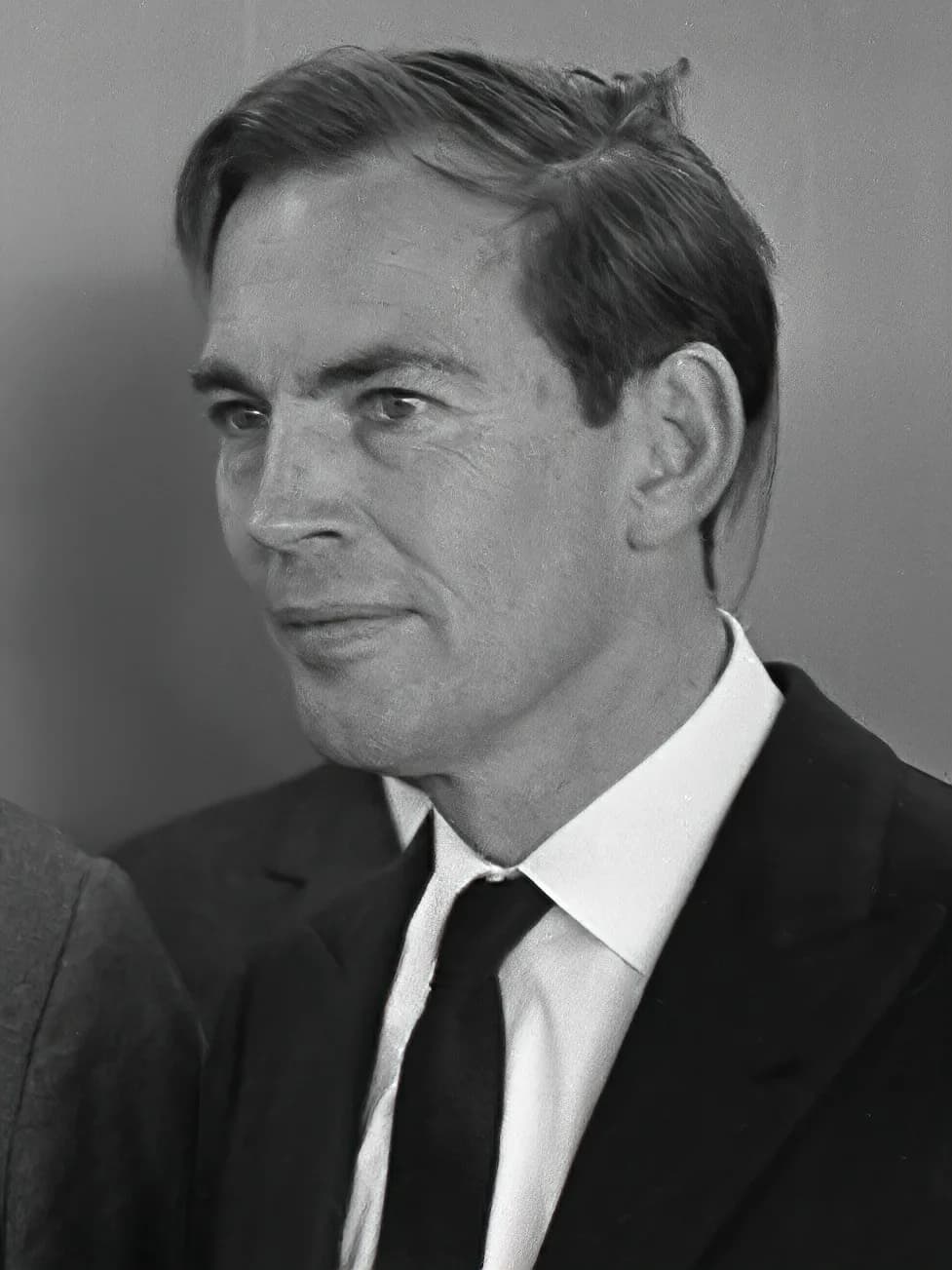
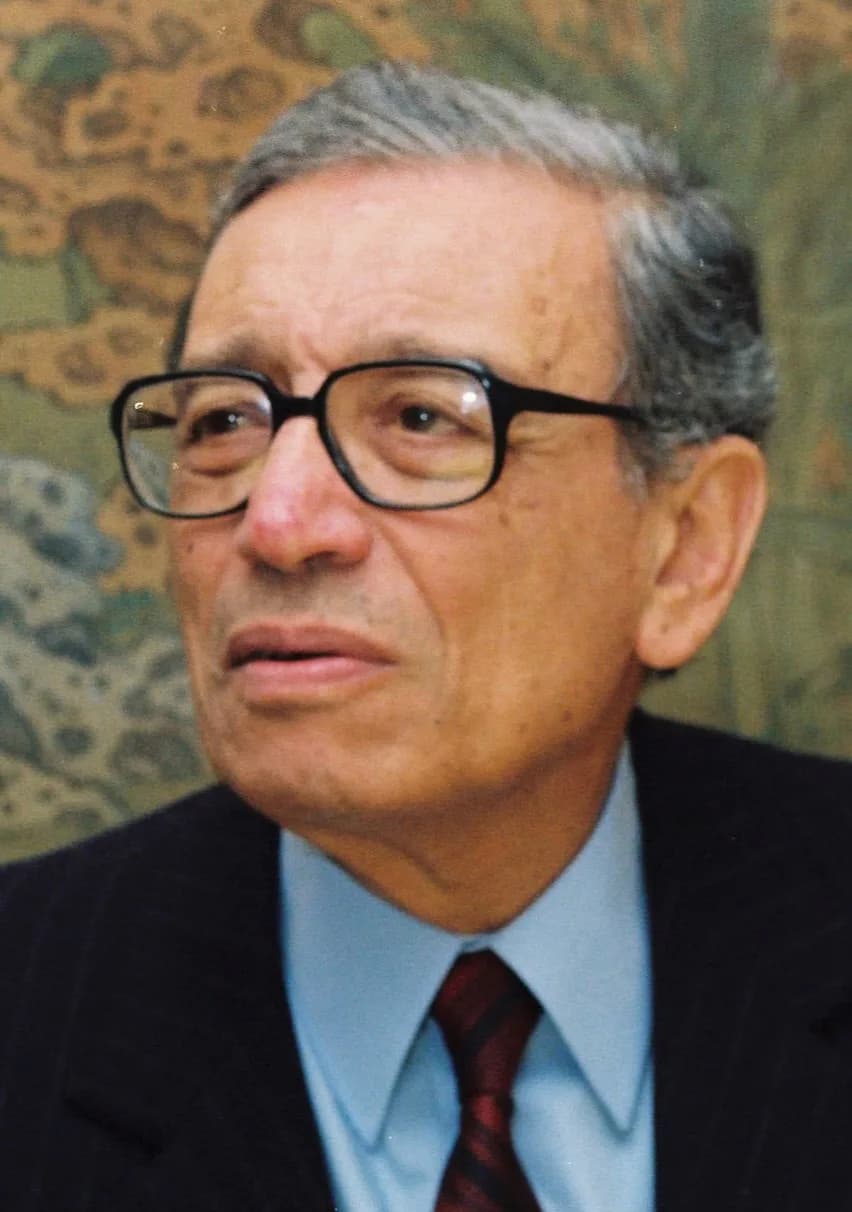
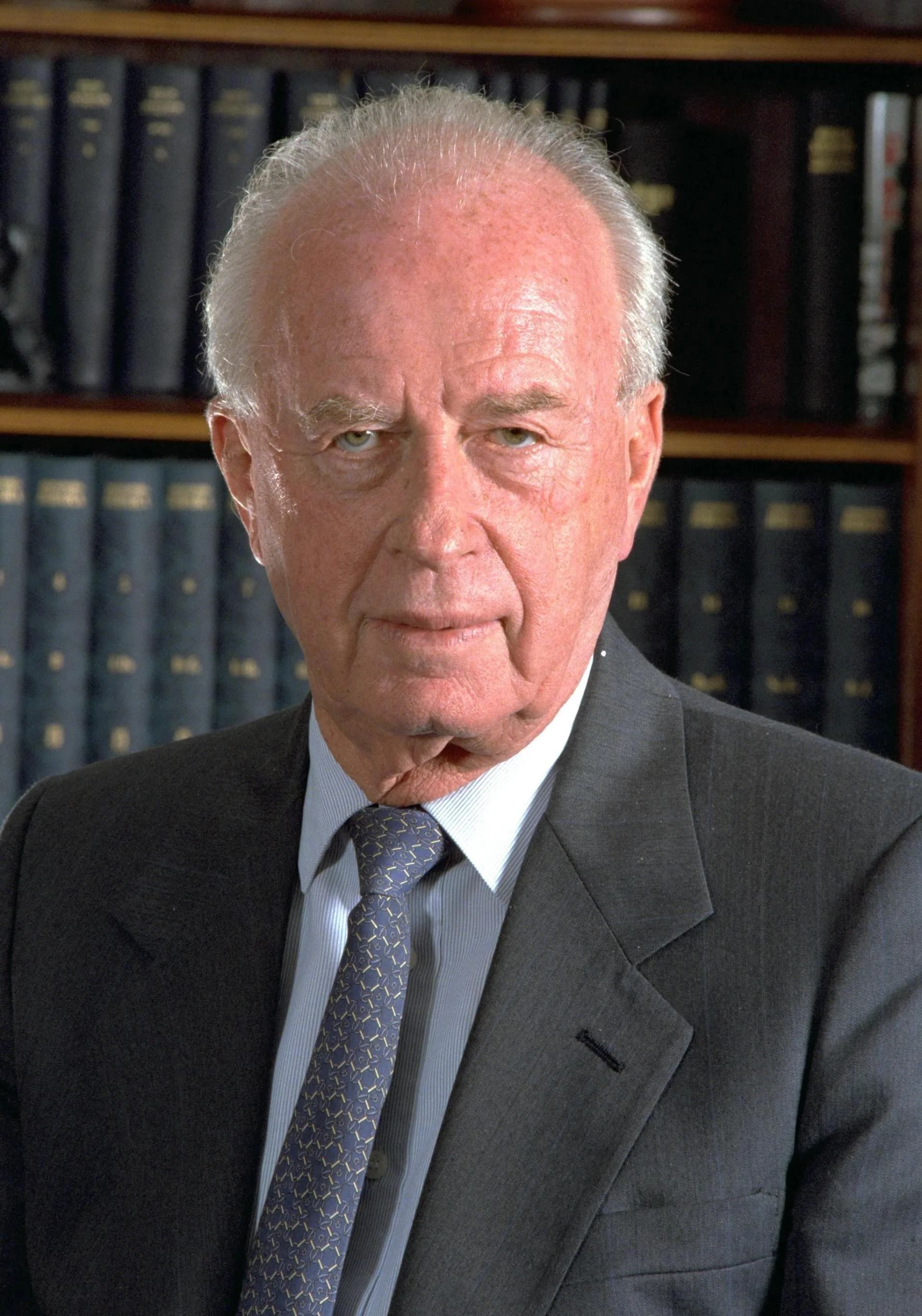
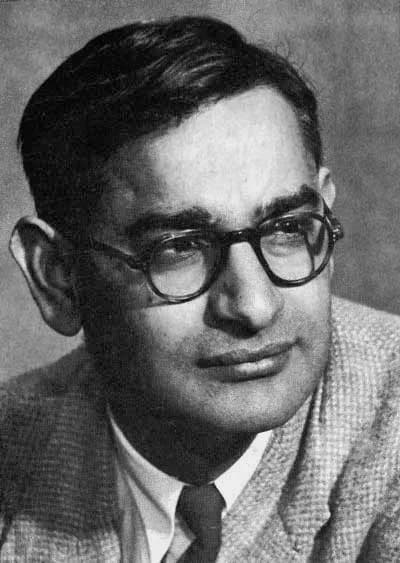
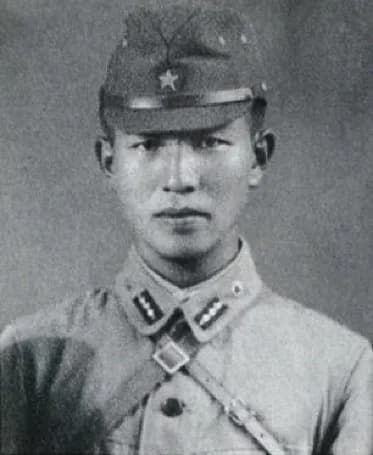
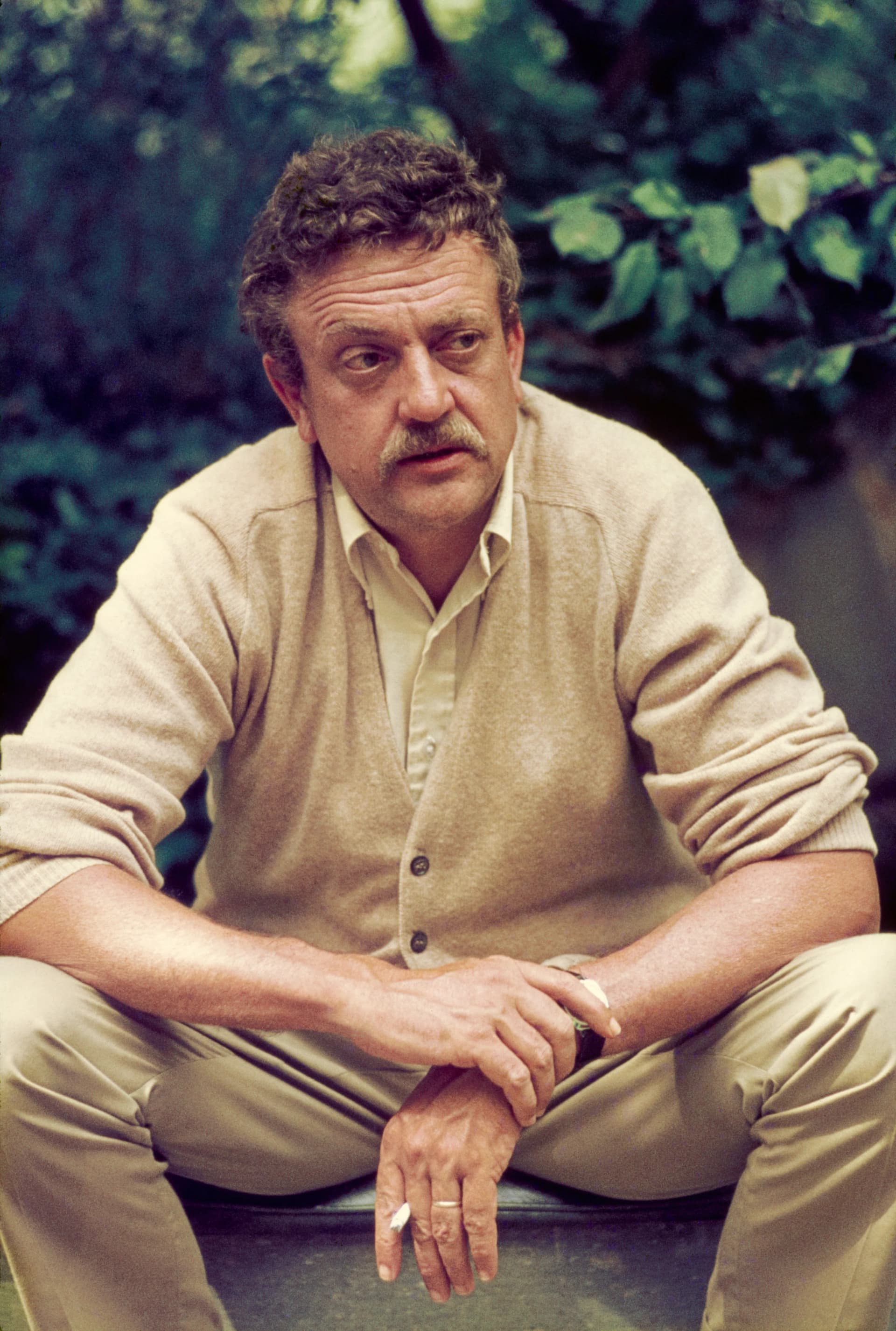
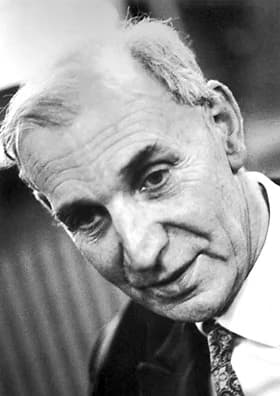
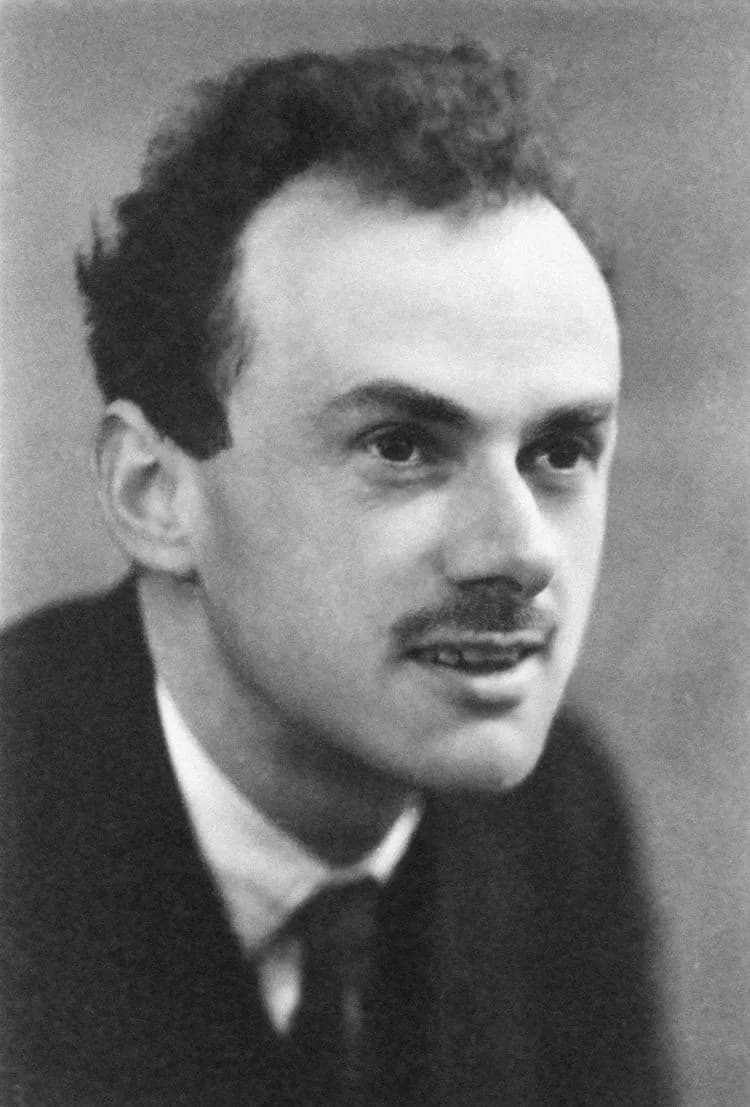
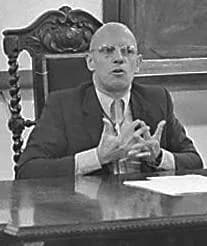
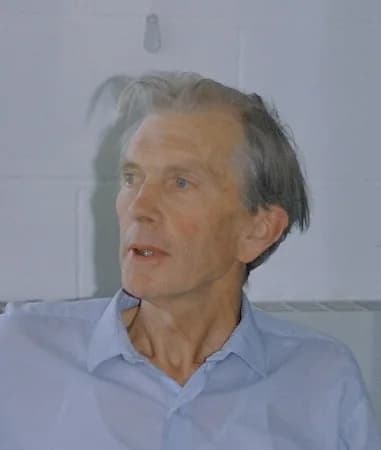
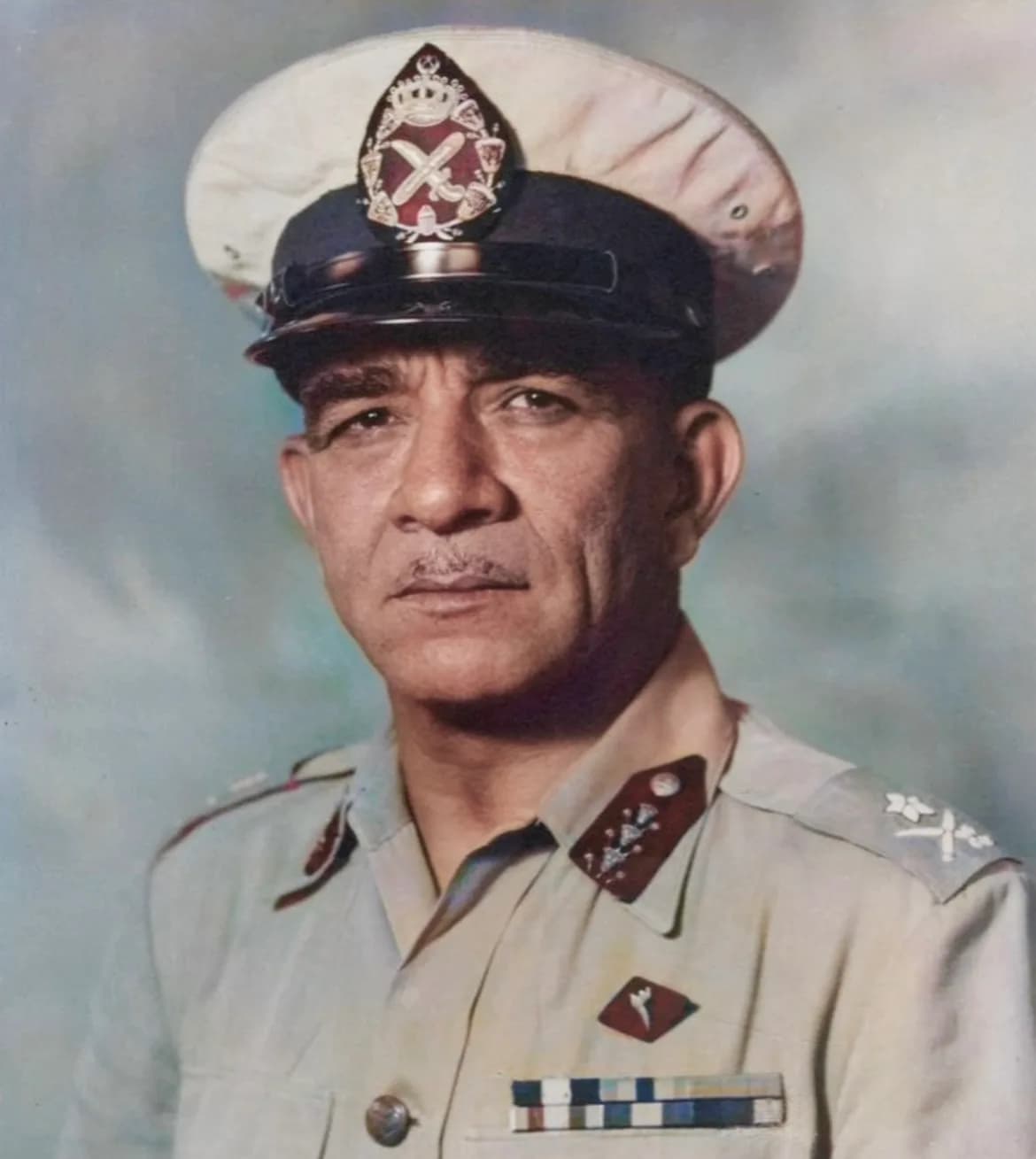
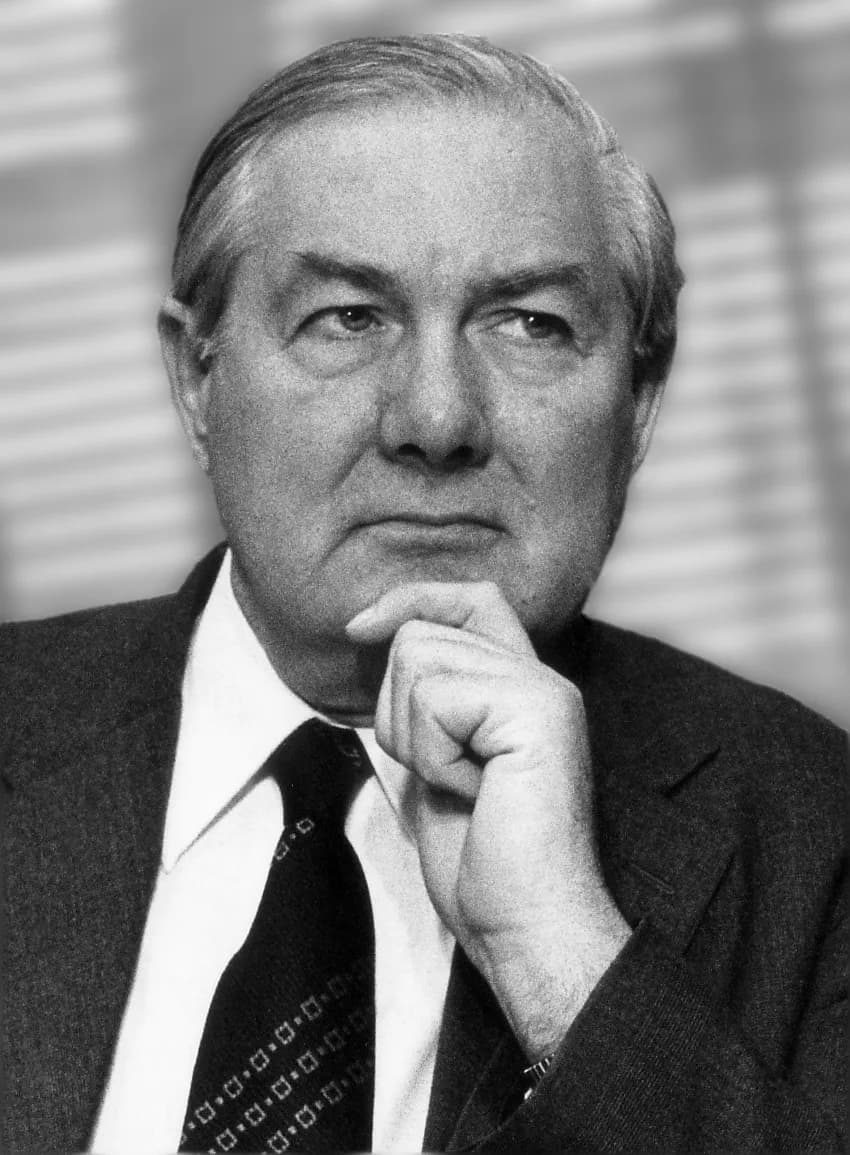
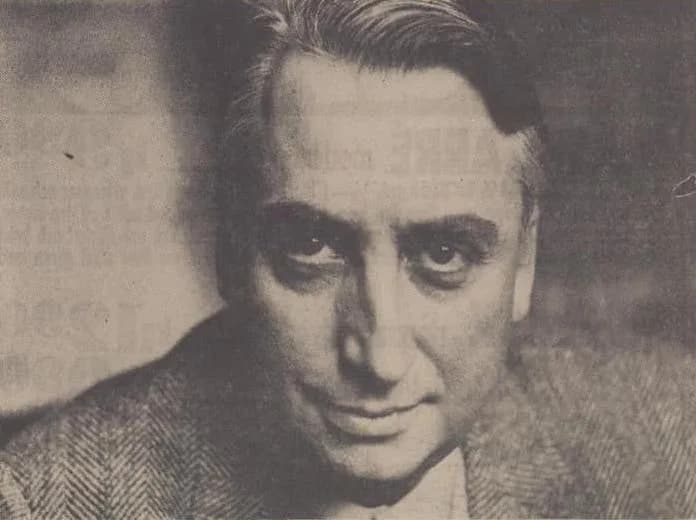
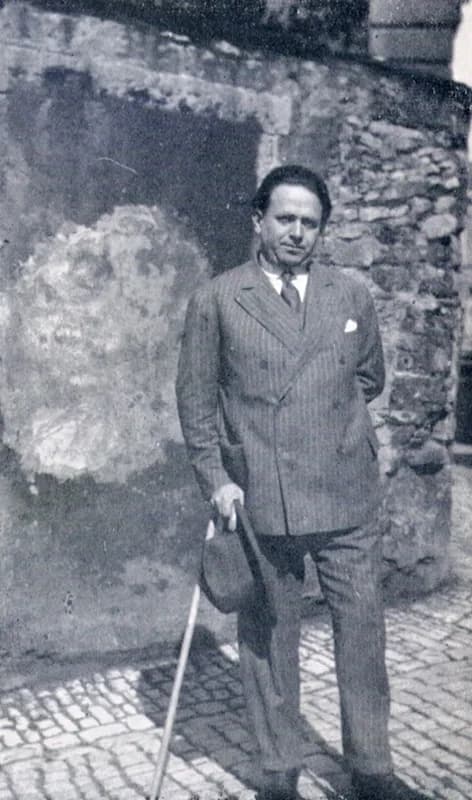
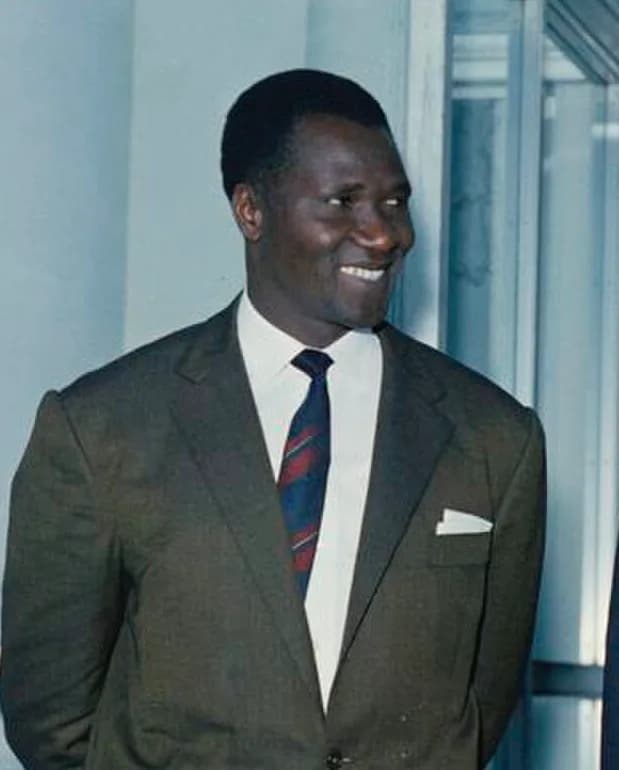
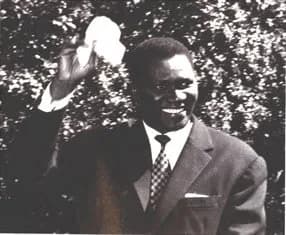
Ahmed Sékou Touré (1922–1984) was Guinea best known for President of Guinea.
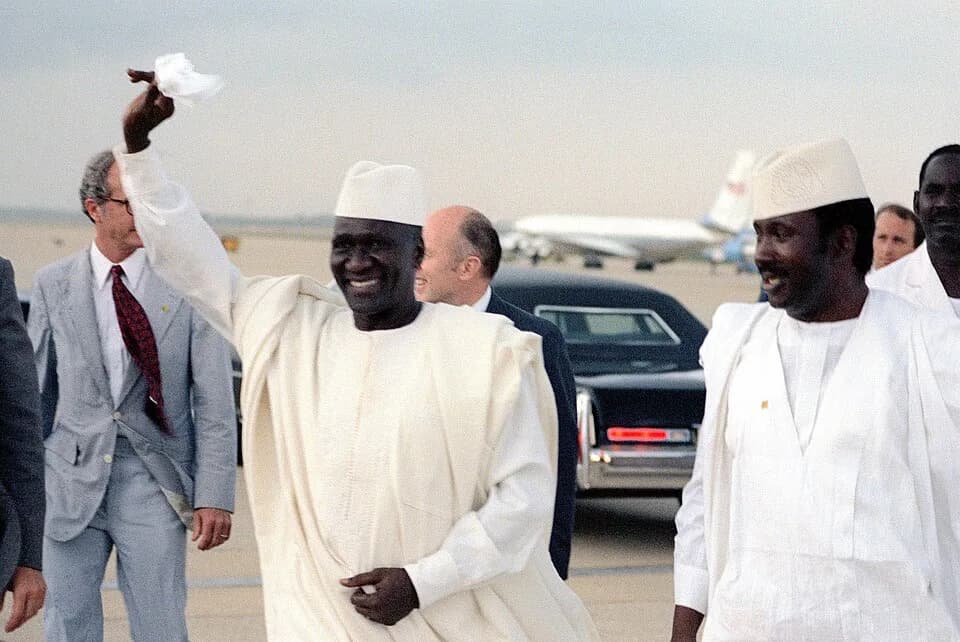
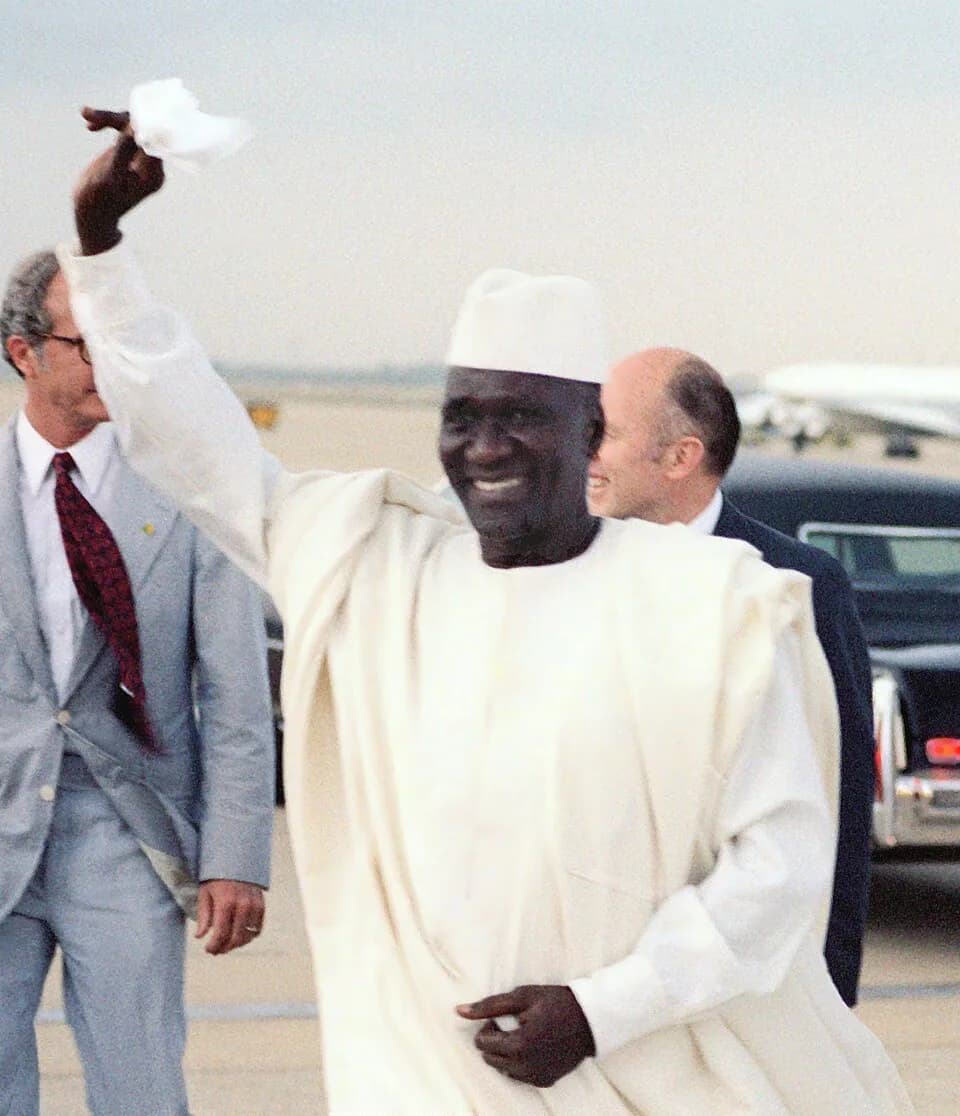
Ahmed Sékou Touré (January 9, 1922 – March 26, 1984) was a Guinean politician who served as Guinea's first president from 1958 until his death. He spearheaded the nation's fight for independence from France, famously rejecting continued association with the colonial power. Touré's legacy is complex, marked by both a Pan-African vision and an authoritarian rule.
瞬间中的人生
塑造一生的那些瞬间
第 0 章
人生章节
第 1 章· 第 1 章,共 3 章
A Leader Forged in Resistance
Touré’s political career soared from these grassroots efforts. He became a founding member and eventually the leader of the Democratic Party of Guinea (PDG), the local section of the broader African Democratic Rally (RDA). As mayor of Conakry and Guinea's deputy to the French National Assembly, he leveraged these platforms to fiercely criticize the colonial regime.
His unwavering commitment to self-determination culminated in the 1958 referendum. General de Gaulle had pledged that no one would stand in the way of independence if Guinea voted 'no'. Touré’s people overwhelmingly chose freedom. On October 2, 1958, Guinea became independent, with Touré at its helm, famously declaring, “Guinea prefers poverty in freedom to riches in slavery.”
第 2 章 · 1961· 第 2 章,共 3 章
Pan-African Vision and Turbulent Rule
As president, Touré embraced a militantly socialist vision, nationalizing industries and centralizing economic plans. He won the Lenin Peace Prize in 1961, affirming his alignment with socialist principles. He became a prominent voice in the Pan-Africanist movement, offering asylum to Kwame Nkrumah after his overthrow in Ghana, and even giving him the honorary title of co-president of Guinea. He extended similar solidarity to African American civil rights activists like Malcolm X and Stokely Carmichael, who later adopted the name Kwame Ture in homage to Touré and Nkrumah.
However, Touré's rule was also marked by increasing authoritarianism. The PDG became the only legal party in 1960, and he was re-elected unopposed for four seven-year terms. Allegations of tyranny and torture, particularly at Camp Boiro, led Amnesty International to accuse his regime of oppression. An estimated 1.5 million Guineans fled to neighboring countries during his tenure. Even as he cut ties with France for a decade, accusing them of backing opposition groups, he often voiced distrust of other African nations. Yet, he continued to support anti-colonial movements, aiding the PAIGC guerrillas fighting Portuguese colonialism in neighboring Portuguese Guinea.
第 3 章 · 1970· 第 3 章,共 3 章
A Complex Legacy
In 1970, when Portuguese forces launched a daring raid on Conakry to rescue prisoners and destabilize his regime, Touré responded with waves of arrests and executions of suspected opponents. Despite the internal strife, he forged defense pacts with Sierra Leone and Libya, demonstrating his strategic resolve in a volatile region. His later years saw a thaw in relations with France, with President Valéry Giscard d'Estaing visiting Guinea in 1978.
Ahmed Sékou Touré passed away in Cleveland in 1984. He was a figure of profound contradictions—a fierce liberator who became an authoritarian ruler, a champion of African unity whose policies alienated many. Yet, his initial defiant stand for independence set a powerful example, etching Guinea's choice for immediate freedom into the annals of decolonization.
FAQ
常见问题
Ahmed Sékou Touré什么时候去世的?
Ahmed Sékou Touré于1984年3月26日在Cleveland, United States逝世,享年62岁。
Ahmed Sékou Touré出生在哪里?
Ahmed Sékou Touré于1922年1月9日出生于Faranah, Guinea。
Ahmed Sékou Touré最出名的是什么?
Ahmed Sékou Touré最为人所知的是President of Guinea。
Ahmed Sékou Touré去世时多大年纪?
Ahmed Sékou Touré去世时62岁。
Ahmed Sékou Touré是哪国人?
Ahmed Sékou Touré来自Guinea。
时间线
一生概览
照片图库
影像中的人生
点击任意照片可放大 · 共 49 张
二维码
分享此生平
打印与分享
扫码访问此生平页面。可打印用于活动、展览或教学材料。