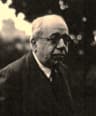
Sinh
May 29, 1880
Blankenburg, Germany
Mất
May 8, 1936
Munich, Germany
Được biết đến với
German historian and philosopher
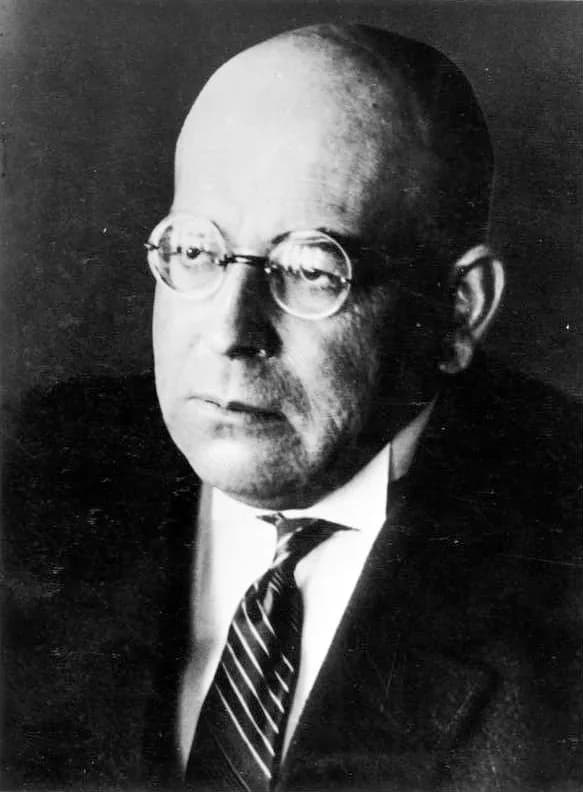
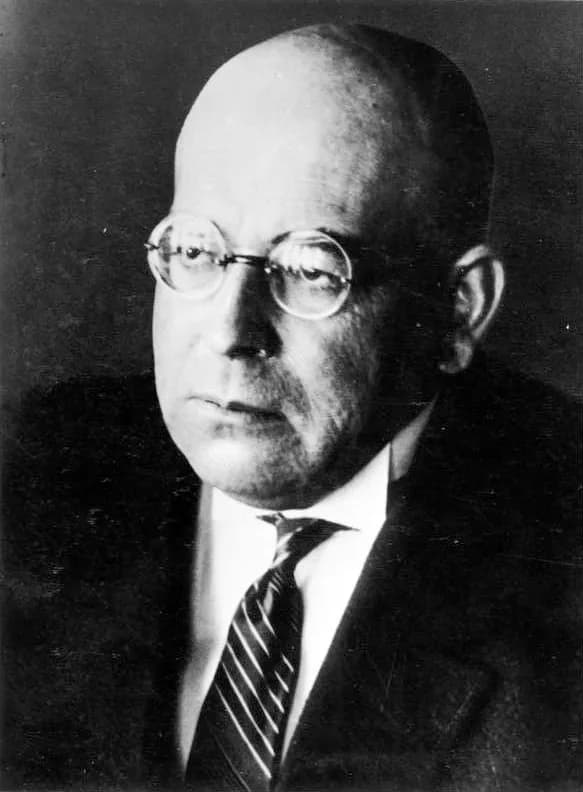
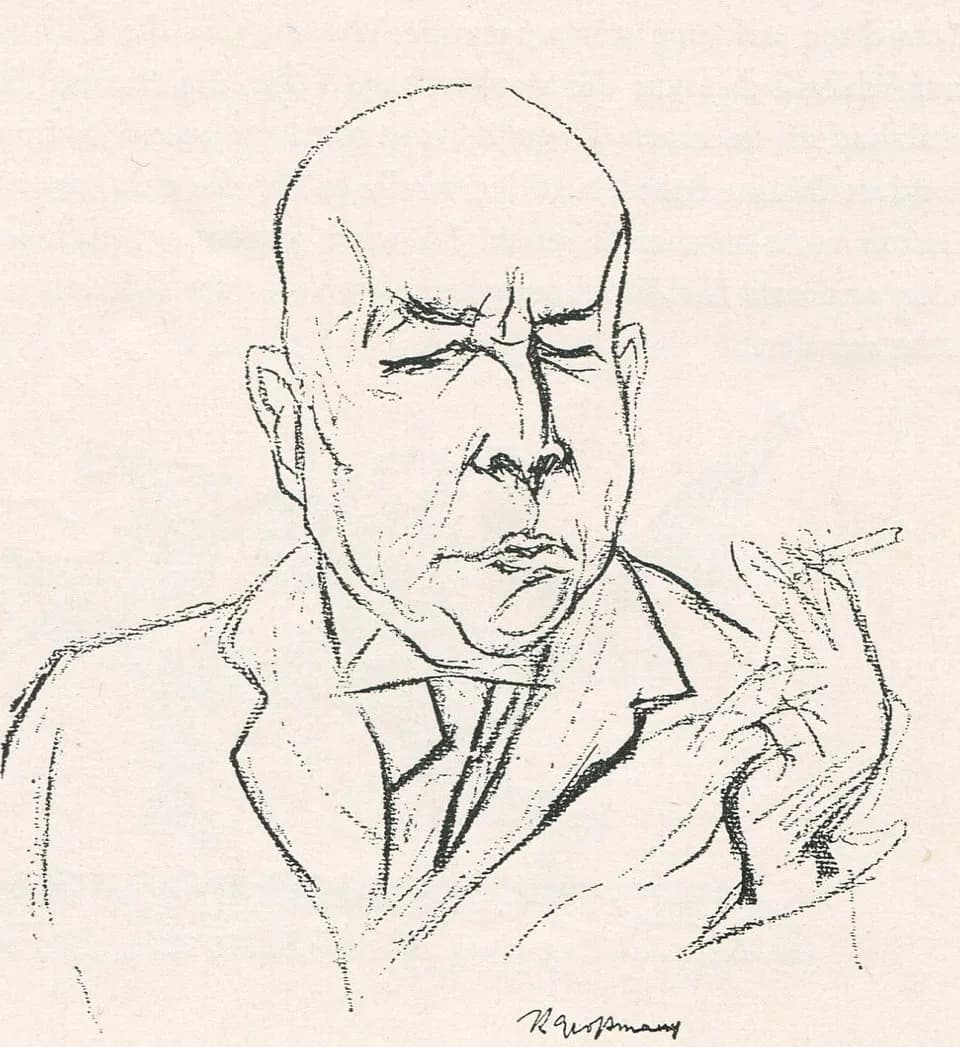
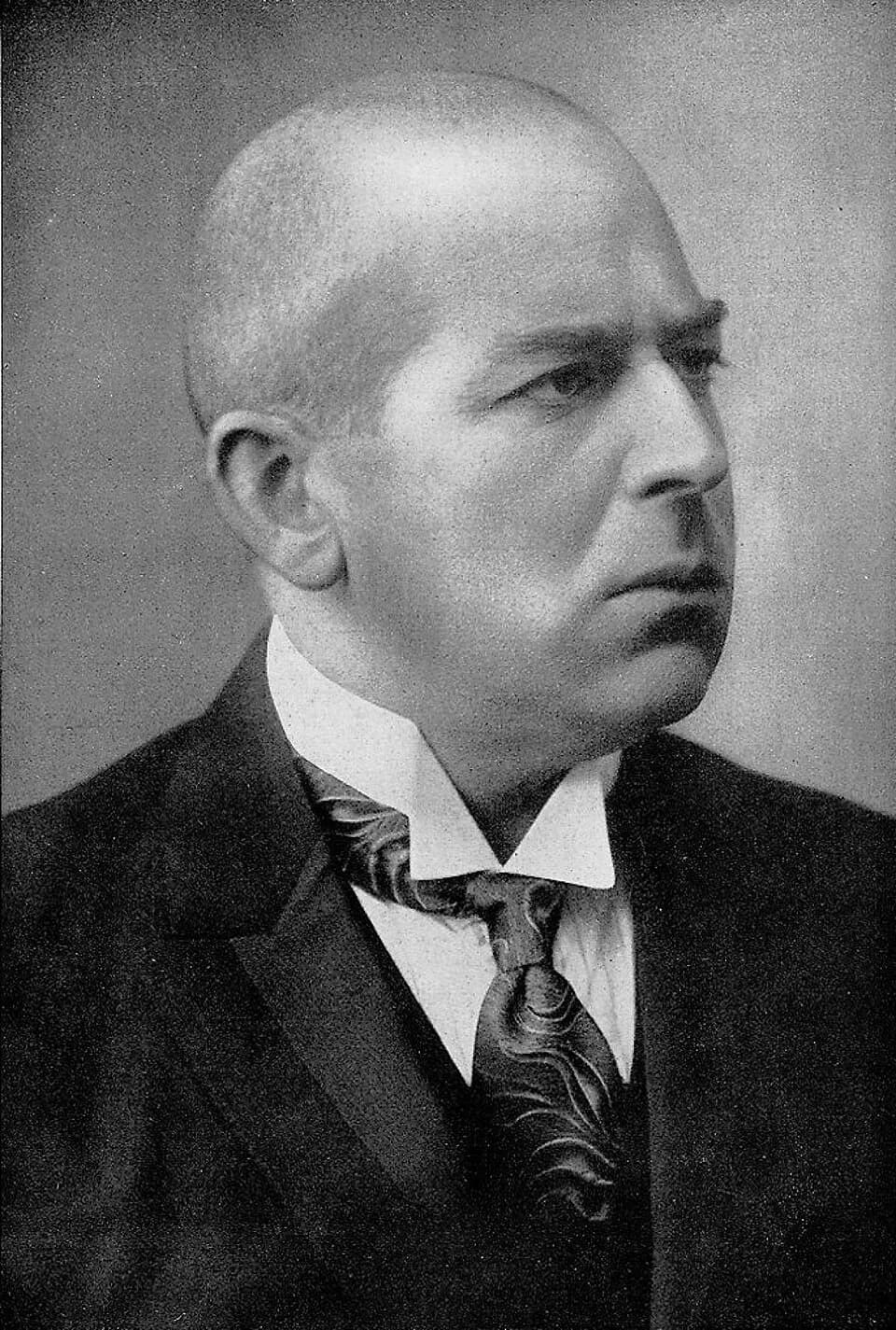
Oswald Spengler (1880–1936) was Germany best known for German historian and philosopher.
Oswald Arnold Gottfried Spengler (May 29, 1880 – May 8, 1936) was a German historian and philosopher. He is best known for his two-volume work, <em>The Decline of the West</em>, which presented an organic theory of history. Spengler's ideas continue to influence discussions on civilization and its trajectory.
Chương
Các chương cuộc đời
Chương 1 · 1880· Chương 1 trên 6
Early Life and Origins
Oswald Spengler was born on May 29, 1880, in Blankenburg, Germany, a town nestled in the Harz Mountains. His early life in Germany provided the foundational cultural and intellectual context for his later philosophical explorations. While specific details of his family life and formal education are not extensively provided, his birthplace laid the geographical roots for a mind that would later contemplate the vast cycles of human civilization.
Chương 2· Chương 2 trên 6
Career Beginnings
Spengler embarked on an intellectual journey that showcased his wide-ranging curiosity and deep analytical abilities. As a German polymath, his early interests naturally gravitated towards various academic disciplines including history, philosophy, mathematics, science, and art. These diverse studies collectively informed his distinctive organic theory of history, which posited a biological lifecycle for cultures and civilizations, setting the stage for his significant published work.
Chương 3 · 1918· Chương 3 trên 6
Major Achievements and Career Highlights
Oswald Spengler's most significant achievement was the publication of his two-volume work, The Decline of the West (Der Untergang des Abendlandes). The first volume was released in 1918, followed by the second in 1922, and it quickly garnered international attention for its bold thesis. This work introduced Spengler's influential model of history, which suggested that human cultures and civilizations operate much like biological entities, each possessing a finite, predictable, and deterministic lifespan.
Within this framework, Spengler controversially predicted a specific trajectory for Western civilization. He theorized that Western society would experience a 'pre-death emergency' period around the year 2000. This phase, according to his model, would then lead into a protracted era of approximately 200 years of 'Caesarism,' ultimately culminating in the final collapse of Western civilization. These predictions sparked considerable debate and continue to be discussed in historical and philosophical discourse.
Chương 4· Chương 4 trên 6
Notable Works or Contributions
Central to Spengler's scholarly output is The Decline of the West, a work that became a cornerstone of his legacy. This seminal text explores the morphology of history, tracing the rise and fall of several great civilizations and drawing parallels between their developmental stages. The work's influence extended globally, with notable translations appearing as 西方的沒落 and 西洋の沒落, demonstrating its broad reach across different cultures and intellectual spheres.
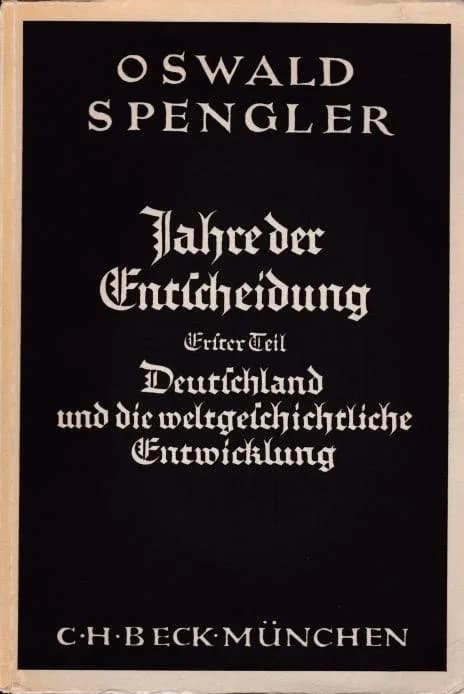
Beyond his magnum opus, Spengler authored several other significant texts, including Politische Schriften, which reflected his political thoughts. Other works such as Politische Pflichten der deutschen Jugend, Ich bin kein Prophet, Pessimismus?, Der metaphysische Grundgedanke der heraklitischen Philosphie, and Frühzeit der Weltgeschichte further showcase his diverse intellectual pursuits. His academic profile includes an h-index of 9 and 43 published papers, with some recent listings associated with his academic profile including Namen- und Sachverzeichnis zu Band I und II (2018), and chapters like NACHWORT von Detlef Felken (2017), ERSTES KAPITEL: URSPRUNG UND LANDSCHAFT (2017), ZWEITES KAPITEL: DAS PROBLEM DER WELTGESCHICHTE (2017), and FÜNFTES KAPITEL: SEELENBILD UND LEBENSGEFÜHL (2017), indicating ongoing engagement with his work and ideas.
Chương 5 · 1936· Chương 5 trên 6
Later Years
Oswald Spengler spent his later years in Munich, Germany, where he continued his intellectual endeavors. He passed away in Munich on May 8, 1936, just shy of his 56th birthday. His death marked the end of a prolific career, but his ideas and theories continued to resonate and provoke discussion for decades to come, ensuring his enduring presence in academic thought.
Chương 6· Chương 6 trên 6
Legacy and Impact
Oswald Spengler's legacy is defined by his bold, cyclical interpretation of history, which challenged prevailing linear views of progress. His organic theory of history profoundly influenced subsequent generations of thinkers in sociology, history, and philosophy. Despite the controversial nature of some of his predictions, his detailed analysis of cultural phenomena and his systematic approach to historical patterns continue to inspire academic inquiry. Spengler remains a crucial figure for understanding 20th-century intellectual thought and the enduring debate over the destiny of civilizations.
Một cuộc đời qua các khoảnh khắc
Những khoảnh khắc đã định hình một cuộc đời


Câu hỏi thường gặp
Câu hỏi thường gặp
Oswald Spengler qua đời khi nào?
Oswald Spengler qua đời vào ngày 8 tháng 5, 1936 tại Munich, Germany, ở tuổi 55.
Oswald Spengler sinh ra ở đâu?
Oswald Spengler sinh ra tại Blankenburg, Germany vào ngày 29 tháng 5, 1880.
Oswald Spengler được biết đến nhiều nhất với điều gì?
Oswald Spengler được biết đến nhiều nhất với German historian and philosopher.
Oswald Spengler bao nhiêu tuổi khi qua đời?
Oswald Spengler 55 tuổi khi qua đời.
Oswald Spengler mang quốc tịch nào?
Oswald Spengler đến từ Germany.
Dòng thời gian
Cuộc đời tóm tắt
Thư viện ảnh
Một cuộc đời qua những bức hình
Nhấp vào bất kỳ tấm polaroid nào để mở rộng · 36 ảnh
Mã QR
Chia sẻ tiểu sử này
In và chia sẻ
Quét để truy cập trang tiểu sử này. In cho các sự kiện, triển lãm hoặc tài liệu giáo dục.