Sinh
May 24, 1899
Churulia, India
Mất
August 29, 1976
Dhaka, Bangladesh
Được biết đến với
National poet of Bangladesh
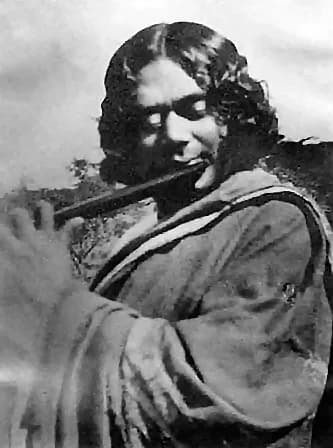
Kazi Nazrul Islam (1899–1976) was India best known for National poet of Bangladesh.
Kazi Nazrul Islam (May 24, 1899 – August 29, 1976) was a writer, poet, and soldier from India. He became known as the national poet of Bangladesh, celebrated for his themes of justice, equality, and rebellion against oppression. His enduring influence shaped Bengali literature and music.
Chương
Các chương cuộc đời
Chương 1 · 1899· Chương 1 trên 7
Introduction: A Voice for Justice and Equality
Kazi Nazrul Islam (May 24, 1899 – August 29, 1976) stands as a towering figure in Bengali literature and culture. Revered as the national poet of Bangladesh, he was a prolific writer, poet, translator, singer, and soldier. His dynamic artistic output and unwavering commitment to social justice left an enduring mark on his era and continue to inspire generations. Nazrul Islam’s life was a vibrant tapestry of creativity and activism, deeply influencing the intellectual and political consciousness of the Indian subcontinent.
Chương 2 · 1899· Chương 2 trên 7
Early Life and Origins
Kazi Nazrul Islam was born on May 24, 1899, in the village of Churulia, located in the Bardhaman district of what was then British India. His early life was marked by both academic pursuits and direct engagement with the struggles of ordinary people. These formative years in Churulia provided the rich soil from which his revolutionary spirit and profound empathy would later blossom. His experiences during this period deeply influenced his perspectives on social inequality and human dignity.
Growing up, Nazrul Islam was exposed to diverse cultural and religious traditions, which later informed the universal themes in his work. He received traditional education, but his intellectual curiosity extended far beyond formal schooling. The environment of his youth instilled in him a strong sense of community and a keen awareness of the injustices prevalent in society, shaping his future as a staunch advocate for the oppressed.
Chương 3· Chương 3 trên 7
Career Beginnings and Diverse Talents
Kazi Nazrul Islam's professional journey began uniquely with a period as a soldier, serving in the British Indian Army during World War I. This military service, which included deployment to Mesopotamia, broadened his worldview and exposed him to diverse cultures and political realities far beyond his native village. This direct experience with global conflicts and imperial power solidified his powerful anti-imperialist convictions, which would become a central theme in his literary career.
Upon his return from the war, Nazrul Islam immersed himself fully in the world of literature and journalism. He quickly established himself as a prominent Bengali poet, short story writer, journalist, lyricist, and musician. His early works rapidly gained attention for their fiery rhetoric and passionate calls for freedom, marking him as a fresh and courageous voice in the literary scene. He was not merely a writer but also a singer and composer, creating a new genre of music known as Nazrul Gīti.
Chương 4· Chương 4 trên 7
Major Achievements and Career Highlights
Kazi Nazrul Islam's immense contributions to Bengali culture earned him the prestigious title of the national poet of Bangladesh. This honor recognized his unparalleled artistic output and his profound influence on the national identity and aspirations of the Bengali people. His unique fusion of traditional and modern elements revolutionized Bengali poetry and music, giving voice to the sentiments of a nation striving for independence and social reform.
Among his most iconic works is the poem titled "Bidrohī," meaning "The Rebel" in Bengali, which cemented his reputation and earned him the affectionate title of "Bidrohī Kôbi" or "The Rebel Poet." This powerful composition resonated deeply with the masses, articulating a defiant spirit against oppression, injustice, and colonial rule. Through this and countless other works, he became a symbol of resistance and a champion for human rights.
Beyond poetry, Nazrul Islam’s musical compositions form a distinct avant-garde genre known as Nazrul Gīti. These songs often blended classical ragas with folk melodies and Western influences, carrying his messages of equality, justice, and religious devotion. His innovations in music composition made him a true pioneer, expanding the artistic boundaries of Bengali musical expression.
Chương 5· Chương 5 trên 7
Notable Works and Contributions
Kazi Nazrul Islam's bibliography is extensive and diverse, spanning various forms of literature and music. His significant poetic collections include "Agnibina" and "Bisher banshi," both celebrated for their revolutionary zeal and lyrical beauty. These collections provided powerful platforms for his anti-imperialist sentiments and his calls for social change, making them cornerstones of modern Bengali poetry.
He was also a skilled short story writer, with works such as "Bather Dan" showcasing his narrative prowess and ability to depict the complexities of human life. His novel "Bandhan-hara" further demonstrated his versatility as a prose writer. Nazrul Islam also contributed significantly to religious music, producing a large body of "Islami gan," which were devotional songs reflecting his deep spiritual insights and universal religious harmony.
His contributions extended to numerous anthologies and song collections, including "Kabita Sanggrah" and "Ke Jaey Sunirbachita Nazrul Geeti - Swaralipi." These works, along with others like "Khejur patar nupur bajaye" and "Khuki o kathberalee," highlight his range from patriotic hymns to children's literature. Through his prolific output, Nazrul Islam consistently explored themes of equality, justice, humanity, rebellion against oppression, and religious devotion, crafting a body of work that remains relevant and inspiring.
Chương 6· Chương 6 trên 7
Later Years
In his later life, Kazi Nazrul Islam faced significant health challenges that severely impacted his ability to continue his creative work. Despite these difficulties, his earlier prolific output continued to resonate deeply with people across the Bengali-speaking world. His enduring legacy was already firmly established through the profound impact of his poetry and music, which continued to be celebrated and performed.
Kazi Nazrul Islam passed away on August 29, 1976, in Dhaka, Bangladesh, the nation that had honored him as its national poet. His passing was met with national mourning, underscoring the deep affection and respect he commanded. His life's journey ended in the land whose identity he had so powerfully helped to shape through his artistic and activist endeavors.
Chương 7· Chương 7 trên 7
Legacy and Impact
Kazi Nazrul Islam’s legacy extends far beyond his lifetime, continuing to exert a powerful influence on Bengali culture, literature, and political thought. His steadfast advocacy for equality, justice, anti-imperialism, and humanity resonated with countless individuals. He provided a voice for the voiceless and challenged societal norms through his courageous artistic expressions, inspiring movements for social reform and national liberation.
His poetic and musical compositions remain central to Bengali identity, frequently performed and studied across Bangladesh and India. The themes of rebellion against oppression and religious devotion, articulated with such passion in his works, continue to inspire new generations of artists and activists. Kazi Nazrul Islam stands as an eternal symbol of artistic integrity, social consciousness, and the enduring power of the human spirit to challenge injustice.
Một cuộc đời qua các khoảnh khắc
Những khoảnh khắc đã định hình một cuộc đời
Câu hỏi thường gặp
Câu hỏi thường gặp
Kazi Nazrul Islam qua đời khi nào?
Kazi Nazrul Islam qua đời vào ngày 29 tháng 8, 1976 tại Dhaka, Bangladesh, ở tuổi 77.
Kazi Nazrul Islam sinh ra ở đâu?
Kazi Nazrul Islam sinh ra tại Churulia, India vào ngày 24 tháng 5, 1899.
Kazi Nazrul Islam được biết đến nhiều nhất với điều gì?
Kazi Nazrul Islam được biết đến nhiều nhất với National poet of Bangladesh.
Kazi Nazrul Islam bao nhiêu tuổi khi qua đời?
Kazi Nazrul Islam 77 tuổi khi qua đời.
Kazi Nazrul Islam mang quốc tịch nào?
Kazi Nazrul Islam đến từ India.
Dòng thời gian
Cuộc đời tóm tắt
Thư viện ảnh
Một cuộc đời qua những bức hình
Nhấp vào bất kỳ tấm polaroid nào để mở rộng · 21 ảnh
Mã QR
Chia sẻ tiểu sử này
In và chia sẻ
Quét để truy cập trang tiểu sử này. In cho các sự kiện, triển lãm hoặc tài liệu giáo dục.