Sinh
September 3, 1869
Ljubljana, Slovenia
Mất
December 13, 1930
Graz, Austria
Được biết đến với
Slovene-Austrian Nobel prize laureate and scientist
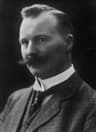
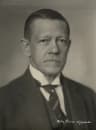
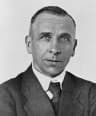
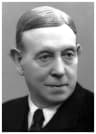
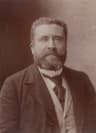
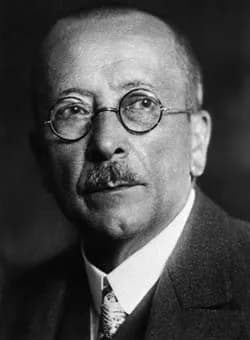
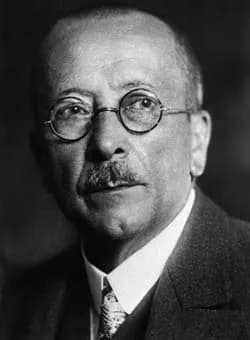
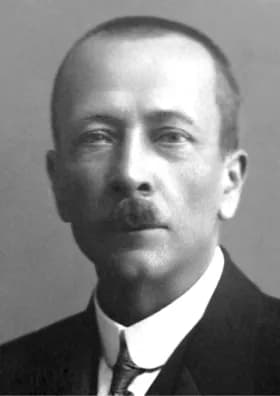
Fritz Pregl (1869–1930) was Slovenia best known for Slovene-Austrian Nobel prize laureate and scientist.
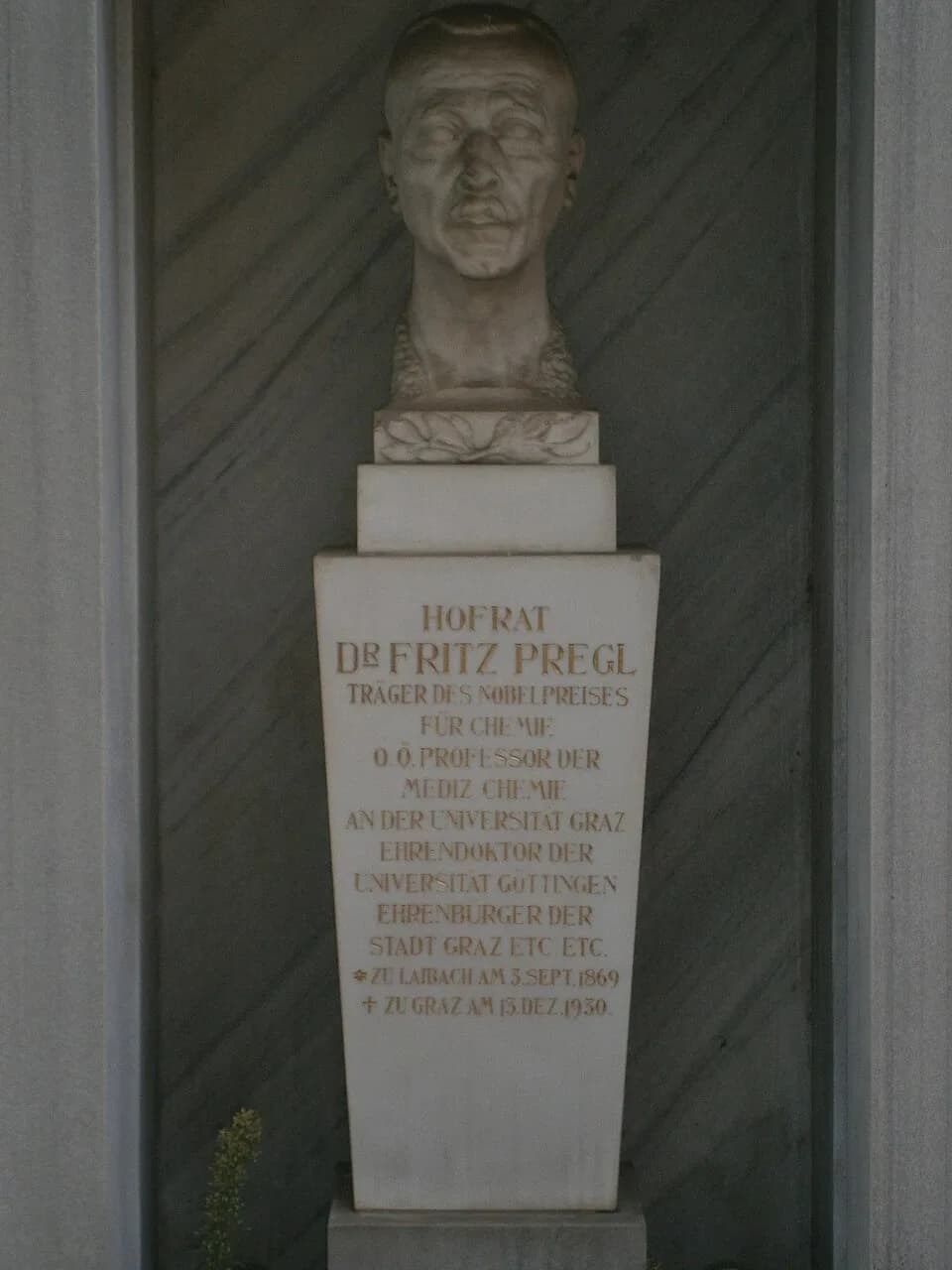
Fritz Pregl (September 3, 1869 – December 13, 1930) was a Slovene-Austrian chemist and physician. He earned the Nobel Prize in Chemistry in 1923 for his method of micro-analysis of organic substances, significantly advancing analytical chemistry. His work remains fundamental.
Chương
Các chương cuộc đời
Chương 1 · 1869· Chương 1 trên 8
Fritz Pregl: A Legacy in Quantitative Organic Microanalysis
Fritz Pregl (1869–1930) was a distinguished Slovene-Austrian scientist, recognized as a Nobel laureate, chemist, and physician. His pioneering work revolutionized the field of analytical chemistry, particularly through his invention of the method of micro-analysis of organic substances. Pregl's contributions enabled chemists to analyze minute quantities of materials, significantly advancing research capabilities and efficiency in organic chemistry.
Chương 2 · 1869· Chương 2 trên 8
Early Life and Origins
Fritz Pregl was born on September 3, 1869, in Ljubljana, Slovenia. He came from a mixed Slovene-German-speaking background, reflecting the diverse cultural environment of his birthplace. His early life set the stage for a career that would encompass multiple scientific disciplines and lead to profound discoveries.
Chương 3· Chương 3 trên 8
Career Beginnings
Pregl pursued a comprehensive education that prepared him for a diverse professional path. He initially worked as a physician and pharmacist, gaining practical experience in both fields. This multidisciplinary foundation, encompassing his roles as a professor, physicist, and chemist, provided a broad perspective that later informed his specialized chemical investigations.
Chương 4 · 1923· Chương 4 trên 8
Major Achievements and Career Highlights
Fritz Pregl's most significant achievement was the development of quantitative organic microanalysis. This innovation addressed a critical need in chemistry to analyze organic substances using much smaller samples than previously possible. For this inventive method, Pregl was awarded the Nobel Prize in Chemistry in 1923.
His work included substantial improvements to existing techniques, such as enhancing the combustion train technique for elemental analysis. These advancements made chemical analysis more efficient, precise, and less wasteful of precious experimental materials. The Nobel committee recognized the immense practical and theoretical impact of his methods on chemical research.
Chương 5· Chương 5 trên 8
Personal Life
Information regarding Fritz Pregl's personal life, including details about family, relationships, or specific personal interests beyond his scientific pursuits, is not extensively detailed in available records. His dedication to his scientific work and its profound contributions remain the primary focus of his historical narrative.
Chương 6 · 1938· Chương 6 trên 8
Notable Works or Contributions
Fritz Pregl authored several important academic works that codified his methods and findings. His most cited work is "Die quantitative organische Mikroanalyse," published in 1938, which has garnered 295 citations and became a foundational text in its field. Other publications include "Die quantitative Mikroelektrolyse," "Die Bestimmung physikalischer Konstanten" (1947), and "Die Bestimmung der Elemente" (1947).
His body of work demonstrates a rigorous approach to analytical chemistry. Pregl maintained an h-index of 6 across 54 papers, indicating a sustained and influential output in scientific literature. Even works like "Zwei weitere ergographische Versuchsreihen über die Wirkung orchitischen Extractes," though cited in 2005, highlight the breadth of his research interests over time, even with posthumous recognition.
Chương 7 · 1930· Chương 7 trên 8
Later Years
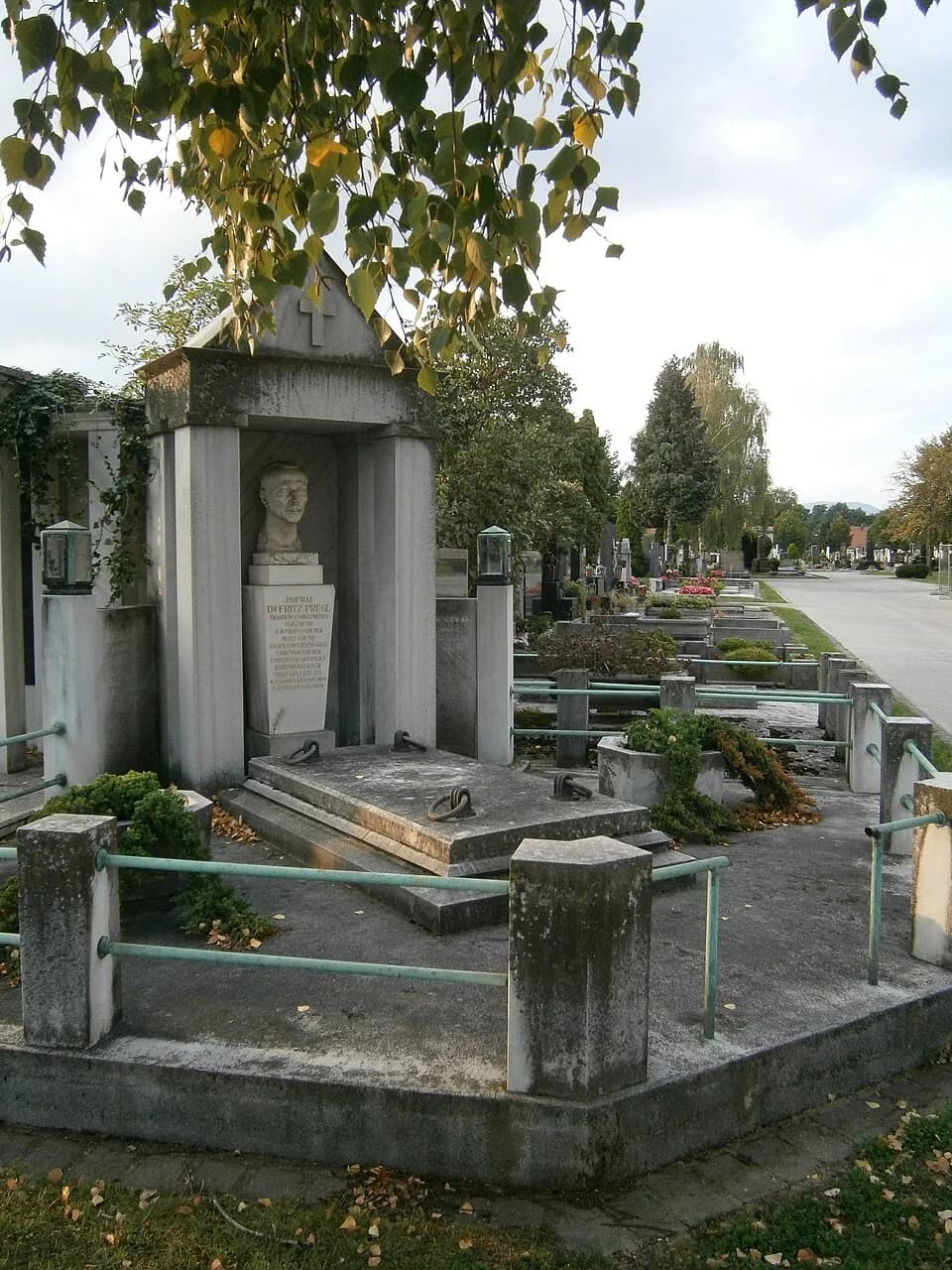
Fritz Pregl continued his scientific endeavors through his later years, solidifying his methods and teaching. He passed away on December 13, 1930, in Graz, Austria, leaving behind a legacy of profound scientific advancement. His death marked the end of a prolific career that fundamentally reshaped chemical analysis.
Chương 8· Chương 8 trên 8
Legacy and Impact
Fritz Pregl's invention of organic microanalysis fundamentally changed how organic chemists conducted their research. By requiring significantly smaller samples, his methods saved valuable time and resources, accelerating discovery and development across various chemical disciplines. This efficiency allowed for the analysis of rare or synthetically difficult substances that were previously unmanageable.
His contributions ensured that analytical chemistry could keep pace with the increasing complexity of organic synthesis and natural product isolation. The techniques developed by Pregl became standard practice in laboratories worldwide. His lasting influence can be seen in the continued reliance on microanalytical methods, a testament to his inventive genius and meticulous scientific approach.
Một cuộc đời qua các khoảnh khắc
Những khoảnh khắc đã định hình một cuộc đời
Câu hỏi thường gặp
Câu hỏi thường gặp
Fritz Pregl qua đời khi nào?
Fritz Pregl qua đời vào ngày 13 tháng 12, 1930 tại Graz, Austria, ở tuổi 61.
Fritz Pregl sinh ra ở đâu?
Fritz Pregl sinh ra tại Ljubljana, Slovenia vào ngày 3 tháng 9, 1869.
Fritz Pregl được biết đến nhiều nhất với điều gì?
Fritz Pregl được biết đến nhiều nhất với Slovene-Austrian Nobel prize laureate and scientist.
Fritz Pregl bao nhiêu tuổi khi qua đời?
Fritz Pregl 61 tuổi khi qua đời.
Fritz Pregl mang quốc tịch nào?
Fritz Pregl đến từ Slovenia.
Dòng thời gian
Cuộc đời tóm tắt
Thư viện ảnh
Một cuộc đời qua những bức hình
Nhấp vào bất kỳ tấm polaroid nào để mở rộng · 28 ảnh
Mã QR
Chia sẻ tiểu sử này
In và chia sẻ
Quét để truy cập trang tiểu sử này. In cho các sự kiện, triển lãm hoặc tài liệu giáo dục.