Sinh
July 22, 1831
Kyoto, Japan
Mất
January 30, 1867
Kyoto, Japan
Được biết đến với
Emperor of Japan from 1846 to 1867
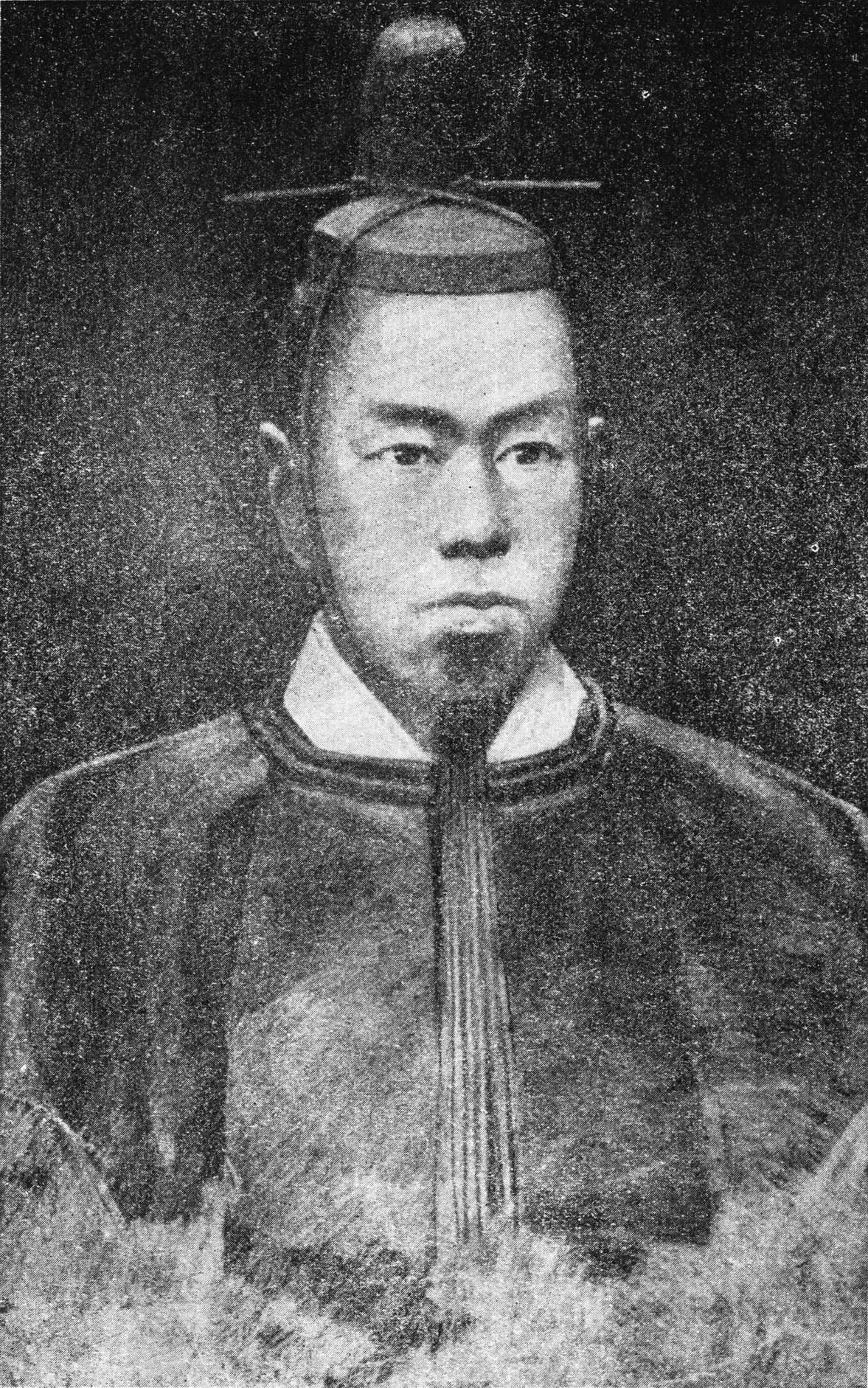
Emperor Kōmei (1831–1867) was Japan best known for Emperor of Japan from 1846 to 1867.
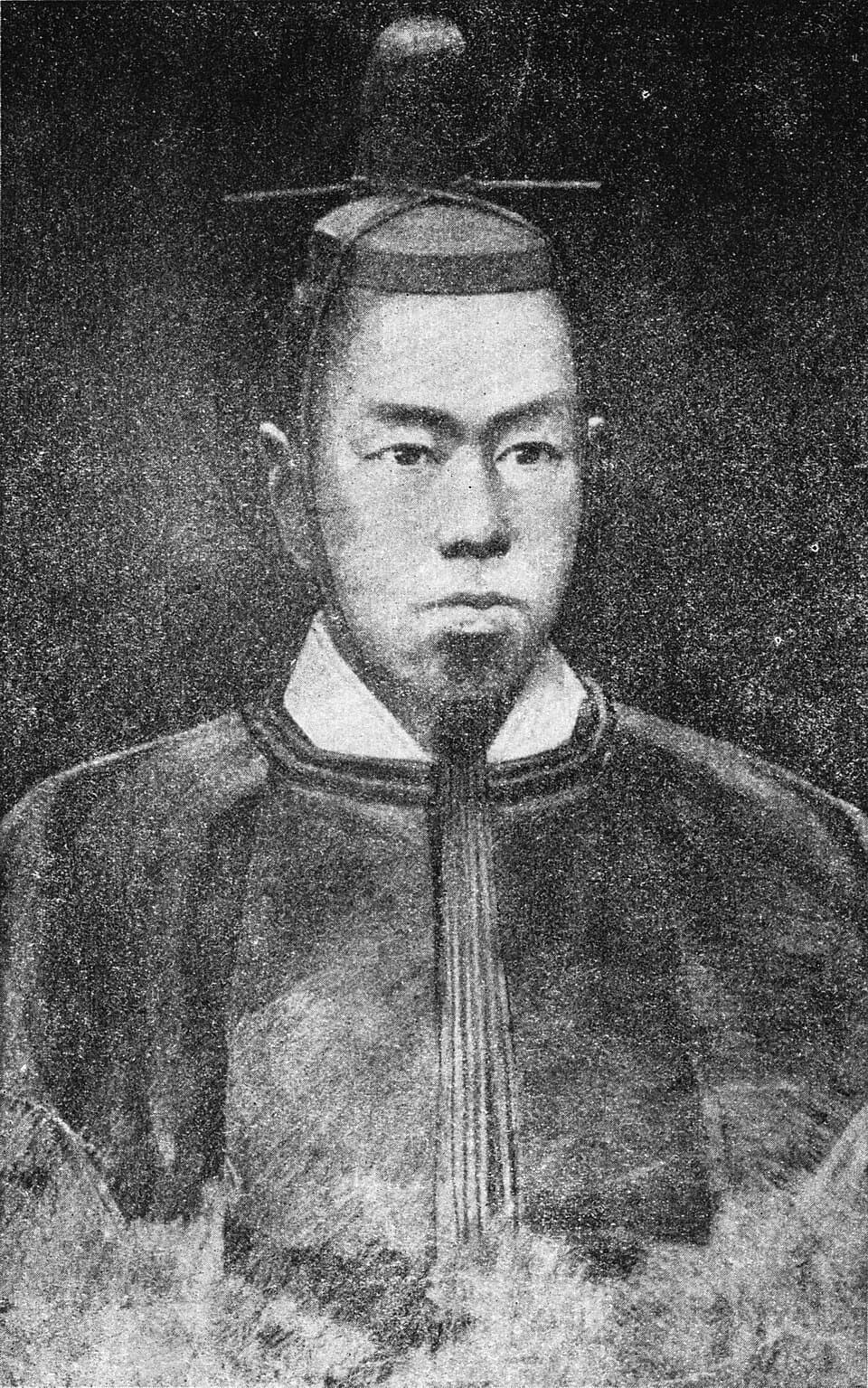
Emperor Kōmei (July 22, 1831 – January 30, 1867) was a ruler from Kyoto, Japan. He served as the 121st emperor during the final years of the Edo period, navigating Japan through significant domestic and international challenges. His reign set the stage for the Meiji Restoration.
Một cuộc đời qua các khoảnh khắc
Những khoảnh khắc đã định hình một cuộc đời
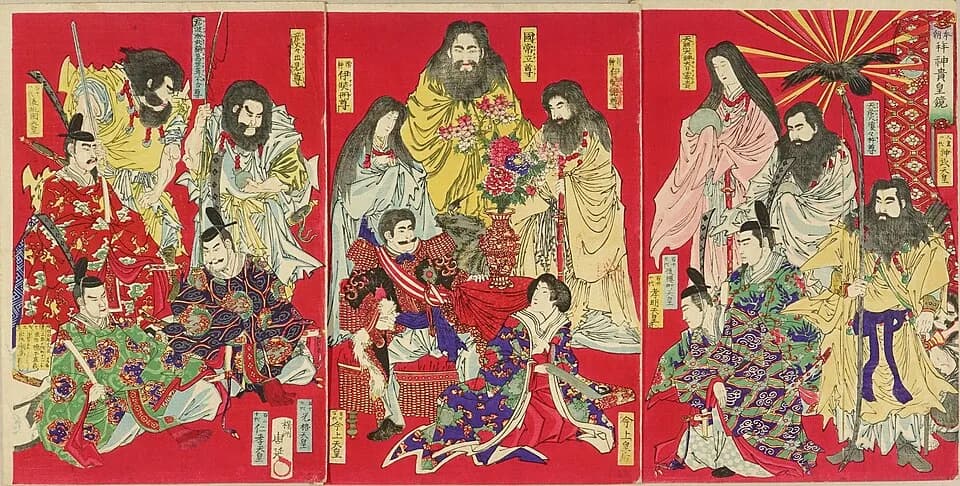
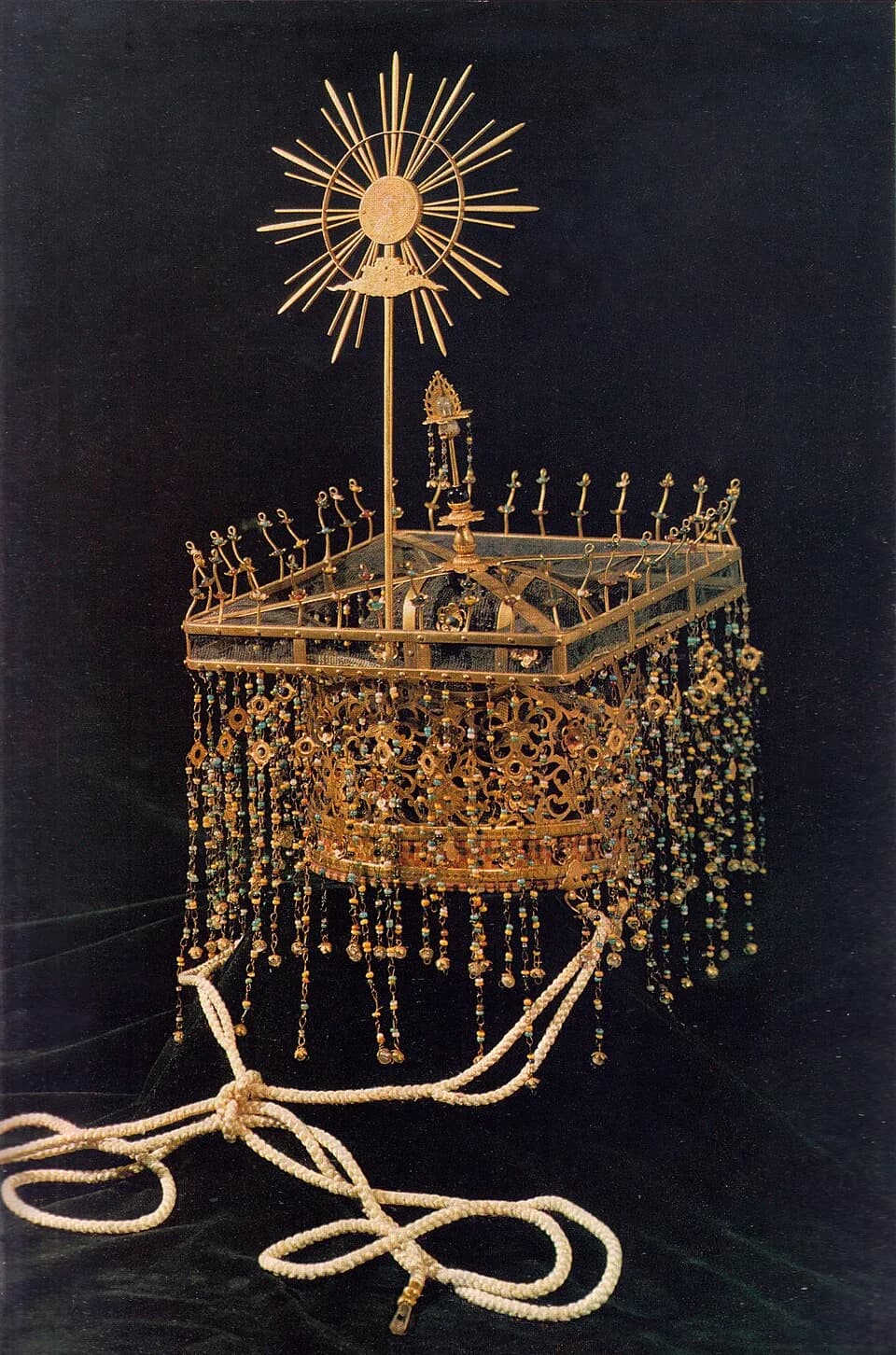
Chương
Các chương cuộc đời
Chương 1 · 1831· Chương 1 trên 6
Early Life and Origins
Born on July 22, 1831, in the ancient imperial city of Kyoto, Japan, Emperor Kōmei's early life was steeped in the rich traditions of the imperial court. As a direct descendant in a long lineage of emperors, his upbringing was rigorously focused on preparing him for his eventual sovereign responsibilities. He received an education befitting a future monarch, emphasizing classical Japanese studies, history, and imperial customs, all within the confines of Kyoto.
Chương 2 · 1846· Chương 2 trên 6
Career Beginnings
Kōmei formally ascended to the Chrysanthemum Throne in 1846, marking the official commencement of his significant career as Japan's supreme ruler. His enthronement as the 121st emperor placed him at the helm during an increasingly turbulent era for the nation. Upon taking the throne, he inherited a complex political landscape characterized by the ruling Tokugawa shogunate's authority and a growing awareness of foreign powers encroaching upon Japan's isolated shores.
Chương 3 · 1846· Chương 3 trên 6
Major Achievements and Career Highlights
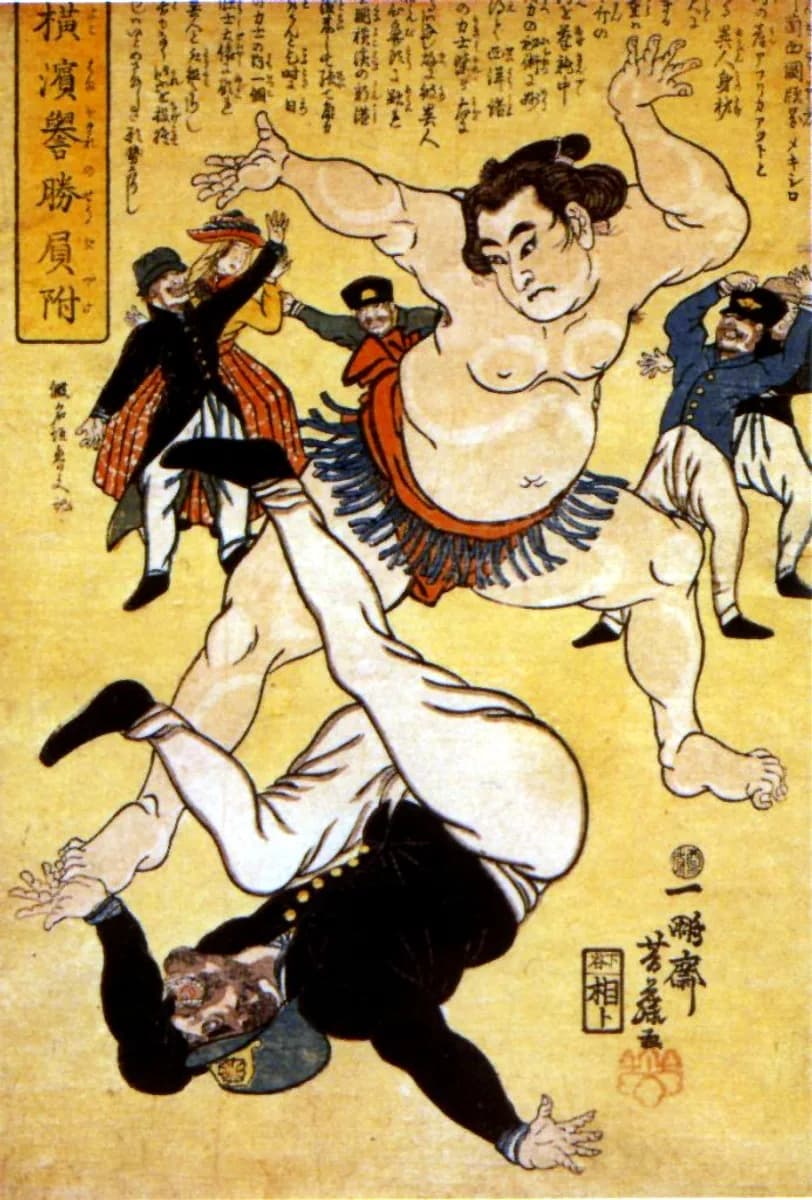
Emperor Kōmei's reign, spanning from 1846 through 1867, represented a critical juncture in Japanese history, encapsulating the very last years of the enduring Edo period. As emperor, he became a staunch advocate for upholding Japan's traditional policy of national seclusion, known as sakoku. This unwavering stance was a defining characteristic of his time as sovereign, reflecting his deep commitment to preserving Japan's cultural and political independence in the face of escalating demands from Western nations for trade and diplomatic relations.
He played a significant symbolic, and at times direct, role in resisting the encroachment of foreign influence and asserting imperial authority. While the Tokugawa shogunate managed the day-to-day governance, Kōmei's pronouncements and decrees often reflected a strong desire to expel foreigners and maintain the ancient order. His leadership during this period, marked by increasing internal unrest and external threats, became a rallying point for those who sought to defend Japan's sovereignty and traditional way of life.
Chương 4· Chương 4 trên 6
Notable Works or Contributions
The principal contribution of Emperor Kōmei was his steadfast imperial presence and his clear articulation of the Sonnō jōi (Revere the Emperor, Expel the Barbarians) philosophy during a highly tumultuous era. His consistent opposition to the opening of Japan's ports and his exhortations to repel foreign powers resonated deeply within the imperial court and among various factions across the nation. This firm stance, while ultimately unable to prevent Japan's opening, solidified the Emperor's moral authority and galvanized nationalist sentiment.
Through his imperial pronouncements and directives from Kyoto, he reinforced the sacred nature of the emperor's role and the spiritual essence of Japan. He served as the ultimate symbol of Japanese tradition and identity, providing a critical counterbalance to the pragmatic, often concessionary, policies of the shogunate. His efforts significantly contributed to the intellectual and political currents that would eventually lead to the Meiji Restoration shortly after his death.
Chương 5 · 1867· Chương 5 trên 6
Later Years
Emperor Kōmei's reign concluded with his death on January 30, 1867, in his birthplace of Kyoto, Japan. His passing occurred at an extraordinarily sensitive moment in Japanese history, just months before the dramatic political upheaval that would inaugurate the Meiji Restoration. He departed a nation on the precipice of profound change, leaving behind the complex challenges of a Japan grappling with its identity and future in a rapidly changing world.
Chương 6· Chương 6 trên 6
Legacy and Impact
The legacy of Emperor Kōmei is inextricably linked to the twilight of the Edo period and the foundational transition into modern Japan. As the last emperor whose reign was largely defined by the shogunate's authority, his commitment to traditionalism inadvertently paved the way for the radical changes that followed. His principled resistance to foreign intervention fostered a renewed sense of imperial legitimacy and nationalist fervor, which were instrumental in the subsequent movement to restore direct imperial rule.
Emperor Kōmei's reign solidified the imperial institution's symbolic and political importance, transforming it from a largely ceremonial role under the shogunate into a powerful focal point for national unity. His unwavering defense of Japan's traditions and sovereignty during such a critical era continues to be remembered as a significant chapter in the long history of the Japanese imperial line, influencing subsequent interpretations of imperial duty and national purpose.
Câu hỏi thường gặp
Câu hỏi thường gặp
Emperor Kōmei qua đời khi nào?
Emperor Kōmei qua đời vào ngày 30 tháng 1, 1867 tại Kyoto, Japan, ở tuổi 35.
Emperor Kōmei sinh ra ở đâu?
Emperor Kōmei sinh ra tại Kyoto, Japan vào ngày 22 tháng 7, 1831.
Emperor Kōmei được biết đến nhiều nhất với điều gì?
Emperor Kōmei được biết đến nhiều nhất với Emperor of Japan from 1846 to 1867.
Emperor Kōmei bao nhiêu tuổi khi qua đời?
Emperor Kōmei 35 tuổi khi qua đời.
Emperor Kōmei mang quốc tịch nào?
Emperor Kōmei đến từ Japan.
Dòng thời gian
Cuộc đời tóm tắt
Thư viện ảnh
Một cuộc đời qua những bức hình
Nhấp vào bất kỳ tấm polaroid nào để mở rộng · 21 ảnh
Mã QR
Chia sẻ tiểu sử này
In và chia sẻ
Quét để truy cập trang tiểu sử này. In cho các sự kiện, triển lãm hoặc tài liệu giáo dục.