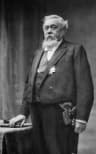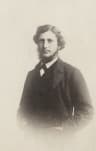
Sinh
August 25, 1841
Bern, Switzerland
Mất
July 27, 1917
Bern, Switzerland
Được biết đến với
surgeon, laureate of the 1909 Nobel Prize in Medicine
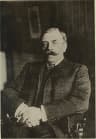
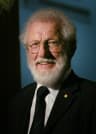
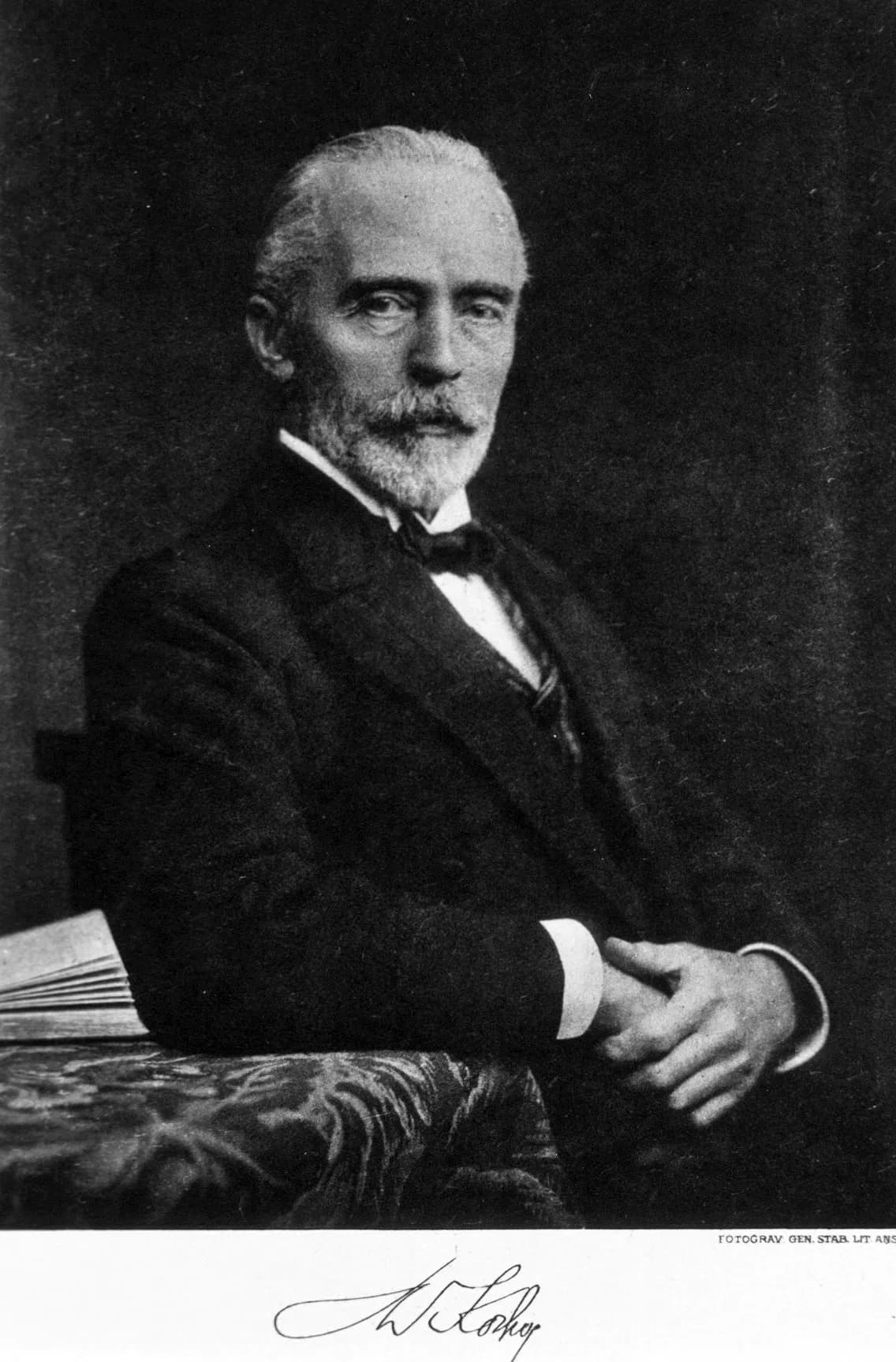
Emil Theodor Kocher (1841–1917) was Switzerland best known for surgeon, laureate of the 1909 Nobel Prize in Medicine.
Emil Theodor Kocher (August 25, 1841 – July 27, 1917) was a Swiss physician, surgeon, university teacher, and physiologist from Bern, Switzerland. He received the 1909 Nobel Prize in Physiology or Medicine for his groundbreaking work on the thyroid gland, significantly advancing aseptic surgery and reducing surgical mortality. His contributions profoundly shaped modern surgical practices.
Chương
Các chương cuộc đời
Chương 1 · 1841· Chương 1 trên 6
Early Life and Origins
Emil Theodor Kocher was born on August 25, 1841, in Bern, Switzerland, a city that would remain central to his entire life and career. Details about his family and early upbringing are not explicitly provided, but his later academic and professional achievements suggest a foundation of rigorous education and intellectual development. Bern, a vibrant Swiss capital, provided the backdrop for his formative years and subsequent groundbreaking medical career.
Chương 2· Chương 2 trên 6
Career Beginnings
Kocher's path into medicine began as a physician, a role that quickly evolved into specialization as a surgeon. His early professional journey was characterized by a deep commitment to understanding human physiology and pathology, laying the groundwork for his innovative approaches to surgical intervention. This foundational period in his career established him as a diligent researcher and practitioner, preparing him for the significant contributions he would soon make to medical science.
Chương 3 · 1909· Chương 3 trên 6
Major Achievements and Career Highlights
Emil Theodor Kocher's career was marked by extraordinary accomplishments, most notably his receipt of the 1909 Nobel Prize in Physiology or Medicine. This prestigious award recognized his extensive work on the physiology, pathology, and surgery of the thyroid gland. His relentless pursuit of excellence in the operating theater led to significant improvements in patient outcomes, particularly in complex thyroid surgeries.
One of Kocher's most celebrated achievements was dramatically reducing the mortality rate of thyroidectomies to below 1% in his operations. This remarkable success was a direct result of his meticulous scientific methods and his fervent promotion of aseptic surgery. By implementing stringent sterile practices, he revolutionized surgical safety and elevated the standard of care for patients undergoing operations.
Chương 4· Chương 4 trên 6
Notable Works or Contributions
Kocher's contributions extended beyond individual surgical successes; he fundamentally reshaped the principles of surgery itself. He was instrumental in the introduction and widespread adoption of aseptic surgical techniques, a practice now considered foundational to modern medicine. His emphasis on scientific methods in surgery transformed the discipline from an art into a more precise, evidence-based science.
His comprehensive work on the thyroid gland encompassed its physiology, understanding how it functions; its pathology, investigating diseases affecting it; and its surgery, developing safer and more effective operative procedures. This holistic approach provided a complete picture of the thyroid, allowing for unprecedented advancements in its treatment. His methods and insights continue to inform endocrine surgery today.
Chương 5 · 1917· Chương 5 trên 6
Later Years
Even in his later years, Emil Theodor Kocher remained a dedicated figure in medicine and education, continuing his work as a university teacher and surgeon in Bern. His influence grew as his methodologies and findings were adopted by medical professionals worldwide. Though he passed away in his home city of Bern on July 27, 1917, his scientific rigor and compassionate approach to patient care continued to inspire.
Chương 6· Chương 6 trên 6
Legacy and Impact
The legacy of Emil Theodor Kocher is deeply woven into the fabric of modern surgical practice. His pioneering work on the thyroid gland not only illuminated its functions and diseases but also provided safe and effective treatments for conditions previously deemed untreatable or highly dangerous. The significant reduction in thyroidectomy mortality rates stands as a testament to his innovative spirit and meticulous surgical technique.
Beyond specific medical procedures, Kocher's advocacy for aseptic surgery and scientific methodology transformed the entire field, making operations safer and more predictable. He effectively shifted surgical practice towards a more data-driven and hygienic approach, a standard that has saved countless lives. His lasting influence ensures that surgeons today still build upon the principles he established.
Một cuộc đời qua các khoảnh khắc
Những khoảnh khắc đã định hình một cuộc đời
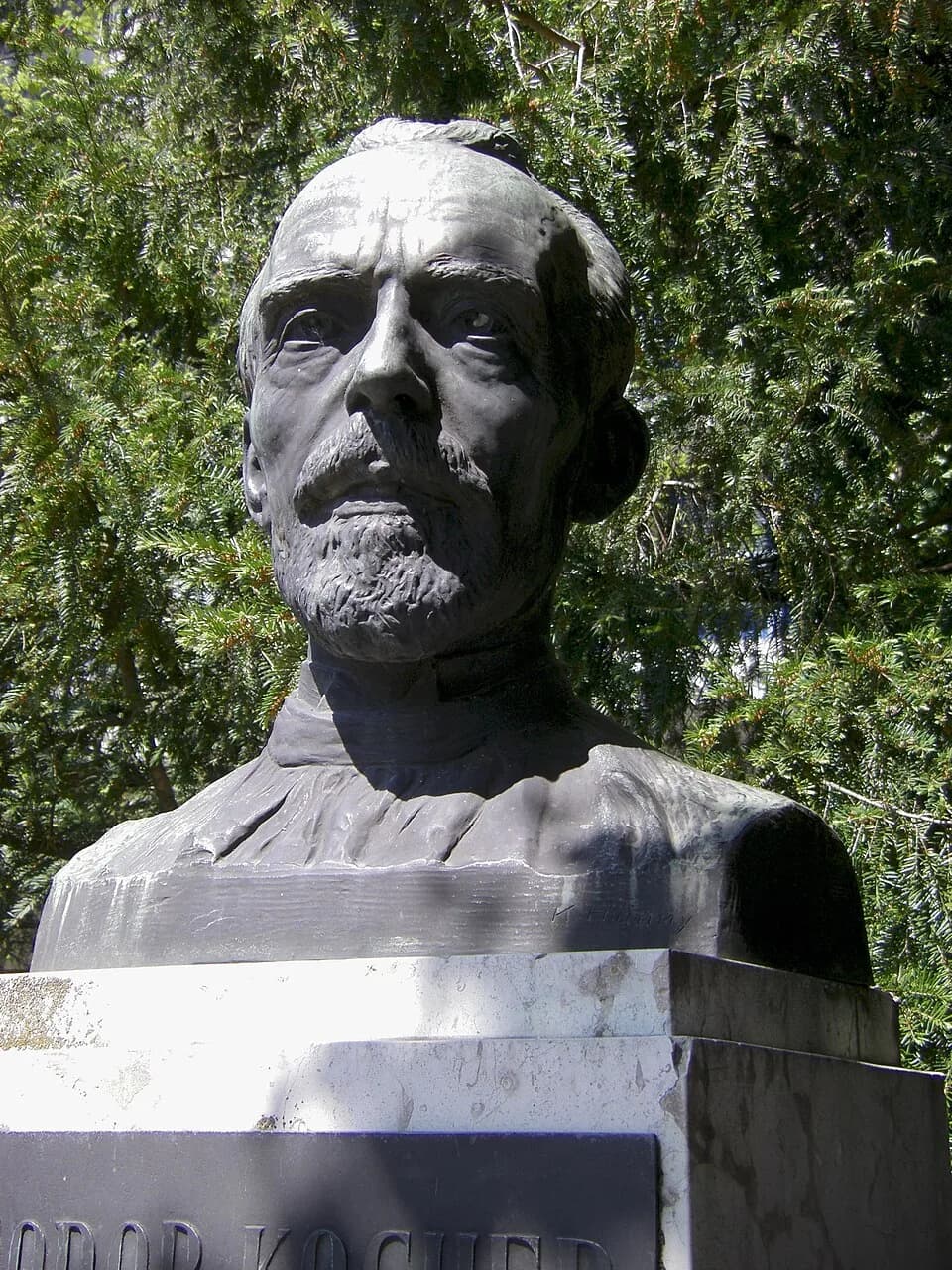
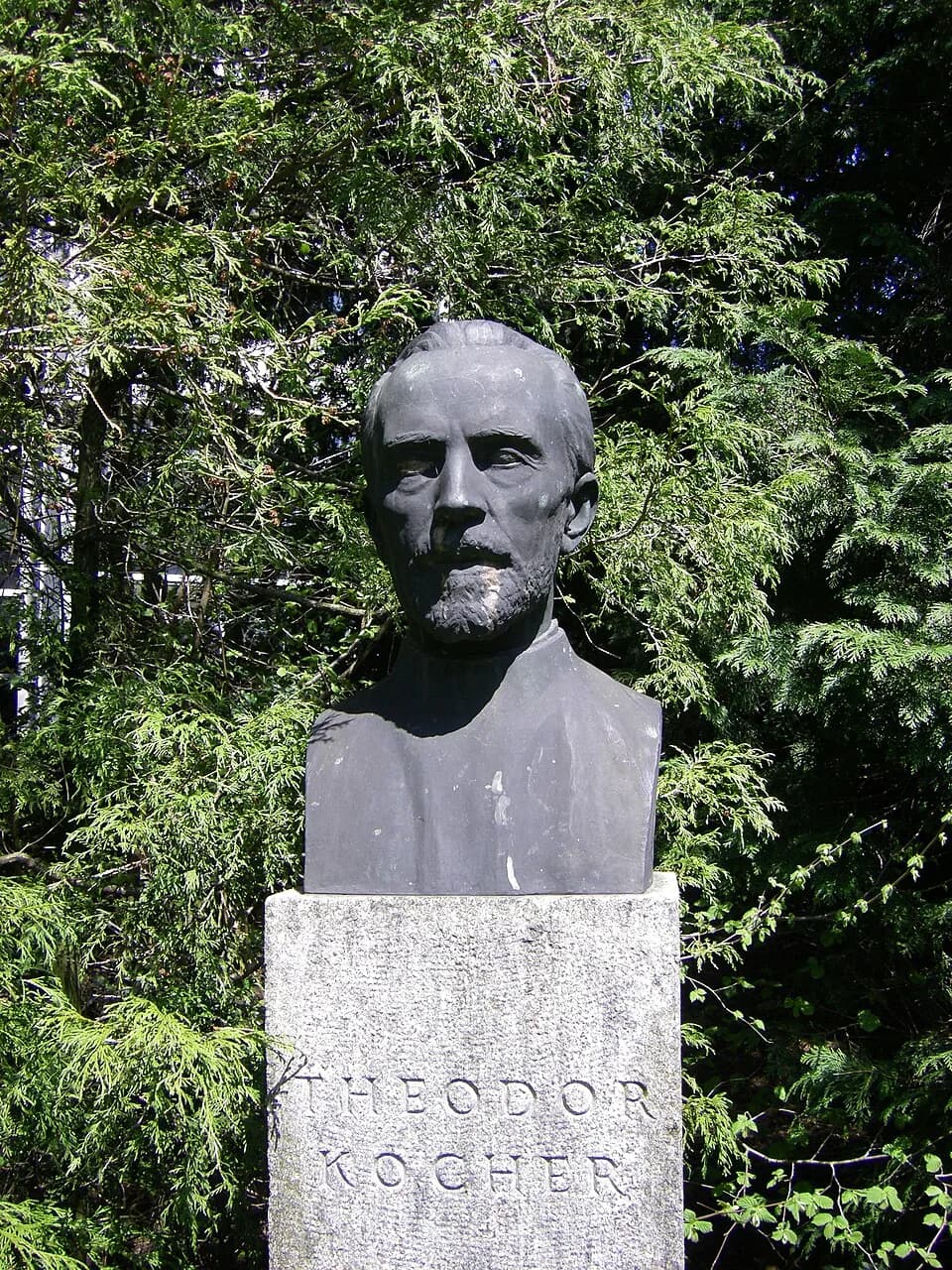
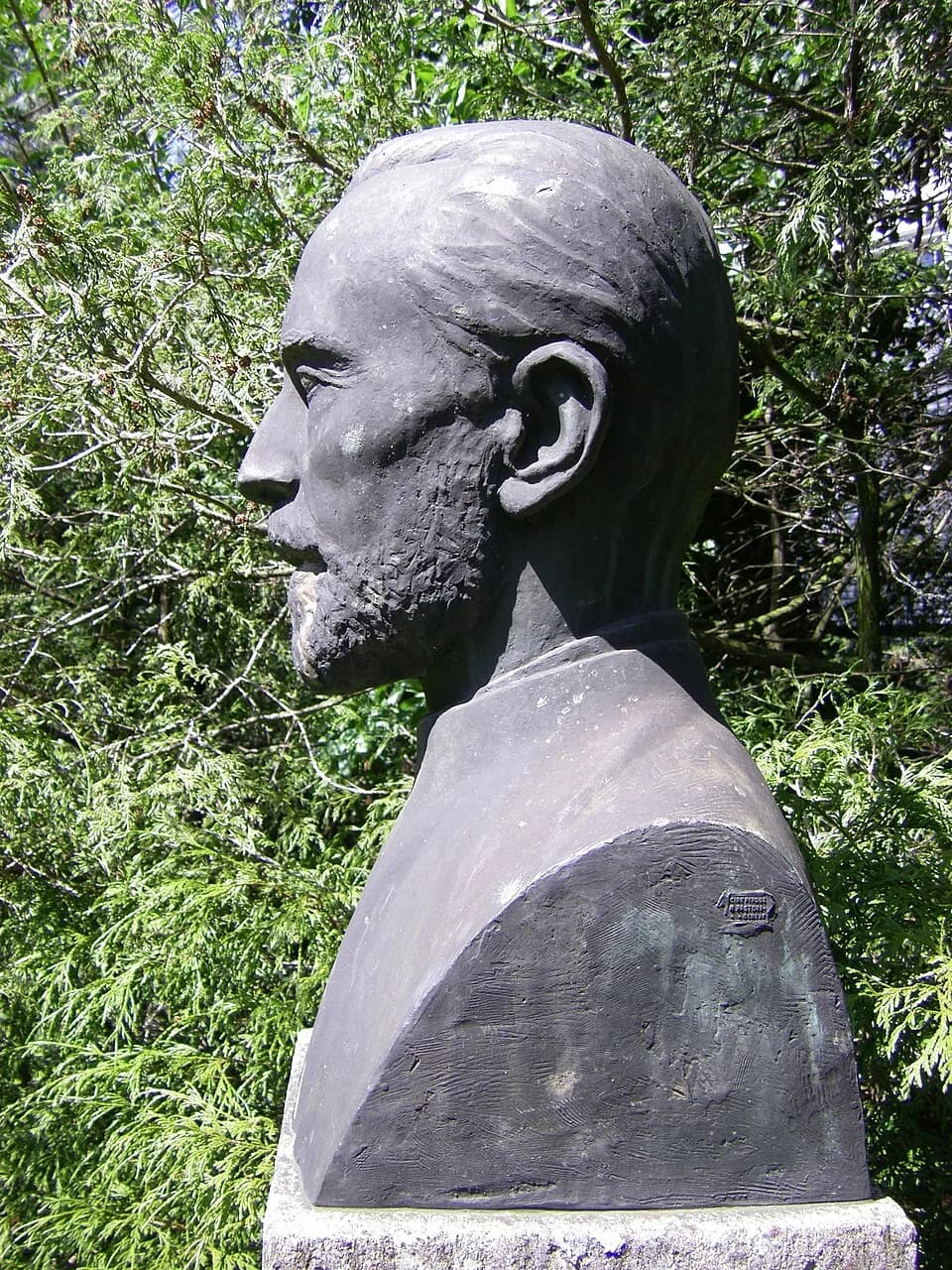
Câu hỏi thường gặp
Câu hỏi thường gặp
Emil Theodor Kocher qua đời khi nào?
Emil Theodor Kocher qua đời vào ngày 27 tháng 7, 1917 tại Bern, Switzerland, ở tuổi 75.
Emil Theodor Kocher sinh ra ở đâu?
Emil Theodor Kocher sinh ra tại Bern, Switzerland vào ngày 25 tháng 8, 1841.
Emil Theodor Kocher được biết đến nhiều nhất với điều gì?
Emil Theodor Kocher được biết đến nhiều nhất với surgeon, laureate of the 1909 Nobel Prize in Medicine.
Emil Theodor Kocher bao nhiêu tuổi khi qua đời?
Emil Theodor Kocher 75 tuổi khi qua đời.
Emil Theodor Kocher mang quốc tịch nào?
Emil Theodor Kocher đến từ Switzerland.
Dòng thời gian
Cuộc đời tóm tắt
Thư viện ảnh
Một cuộc đời qua những bức hình
Nhấp vào bất kỳ tấm polaroid nào để mở rộng · 42 ảnh
Mã QR
Chia sẻ tiểu sử này
In và chia sẻ
Quét để truy cập trang tiểu sử này. In cho các sự kiện, triển lãm hoặc tài liệu giáo dục.