Sinh
February 19, 1876
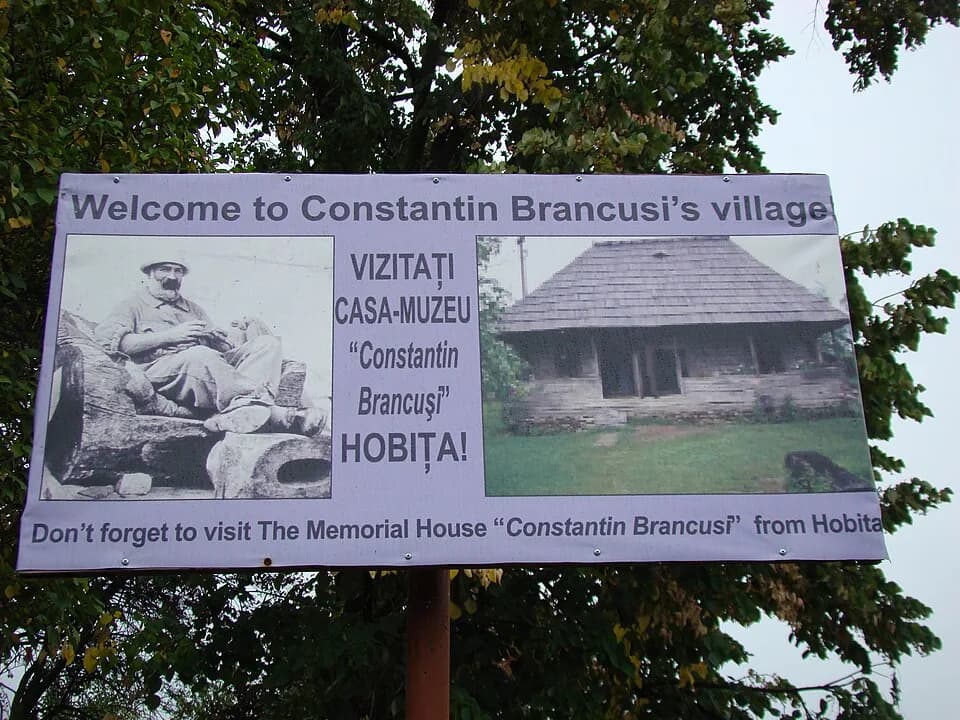
Hobița, Romania
Mất
March 16, 1957
Paris, France
Được biết đến với
Romanian sculptor, photographer and painter
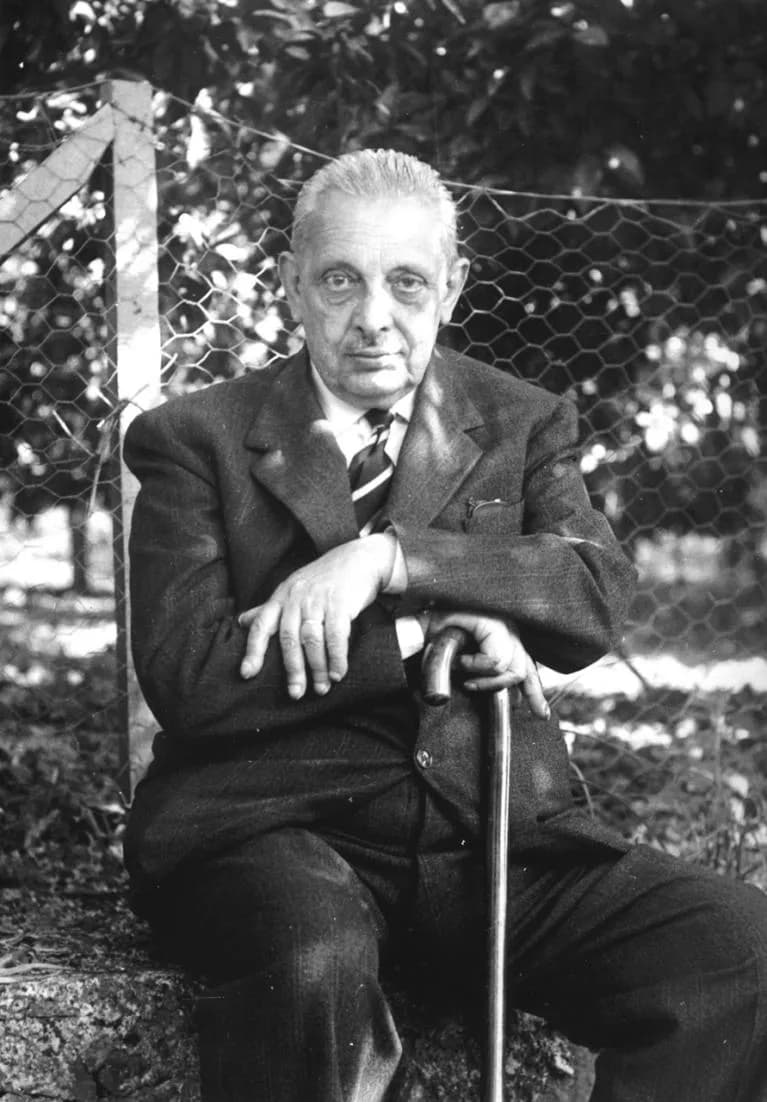
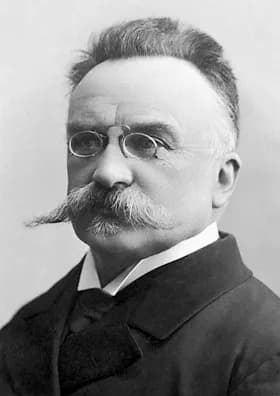
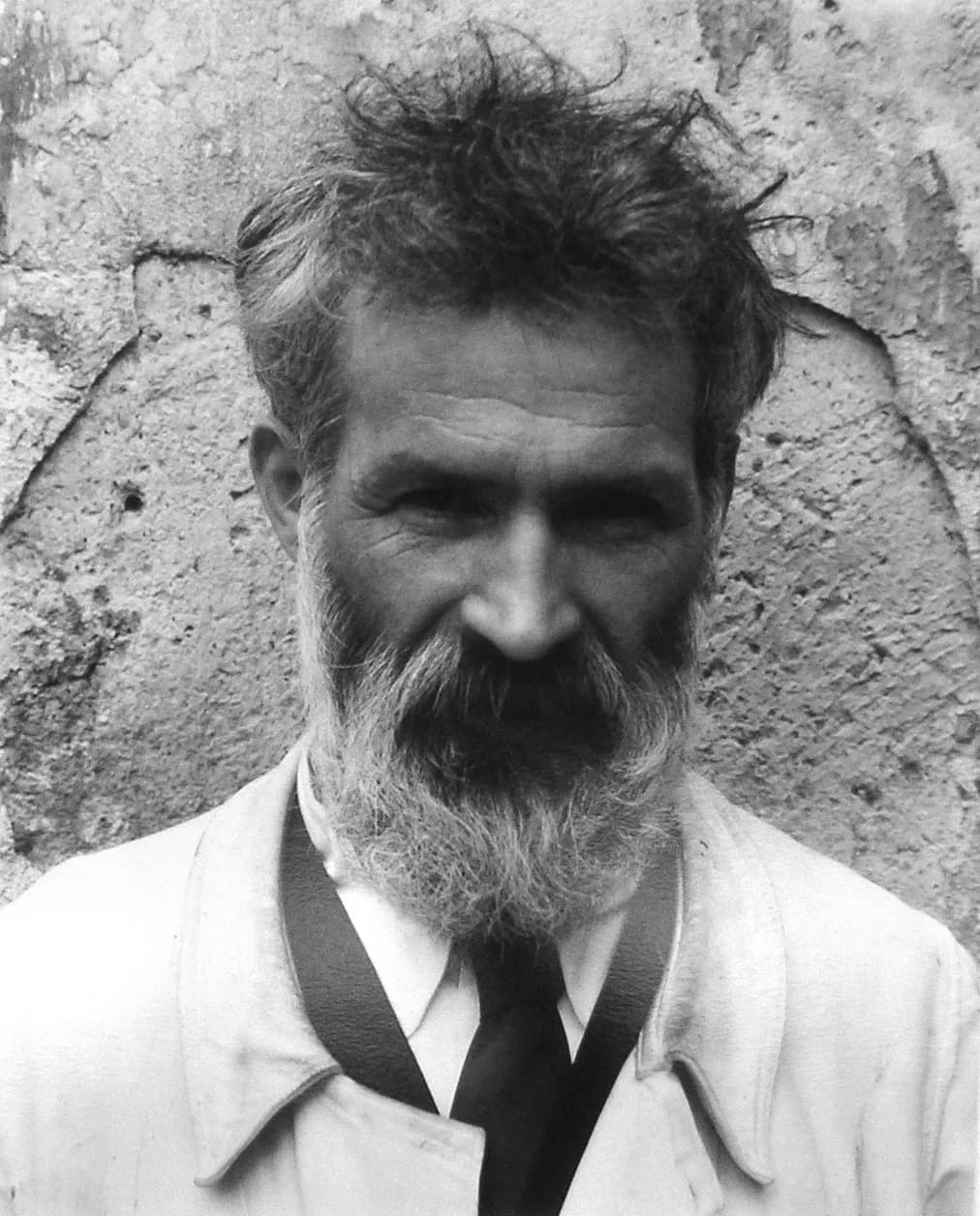
Constantin Brâncuși (1876–1957) was Romania best known for Romanian sculptor, photographer and painter.
Constantin Brâncuși (February 19, 1876 – March 16, 1957) was a Romanian sculptor, painter, and photographer who made his career in France. He is celebrated as one of the most influential sculptors of the 20th century and the patriarch of modern sculpture. His art championed clean geometrical lines and drew inspiration from diverse cultural sources.
Một cuộc đời qua các khoảnh khắc
Những khoảnh khắc đã định hình một cuộc đời
Chương
Các chương cuộc đời
Chương 1 · 1876· Chương 1 trên 6
Early Life and Origins
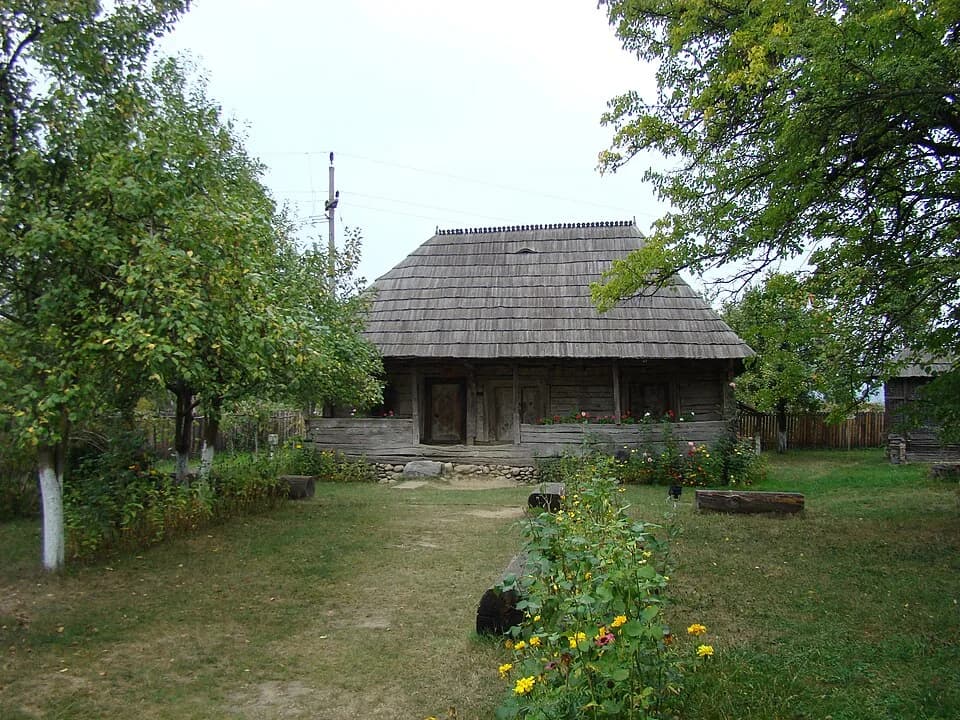
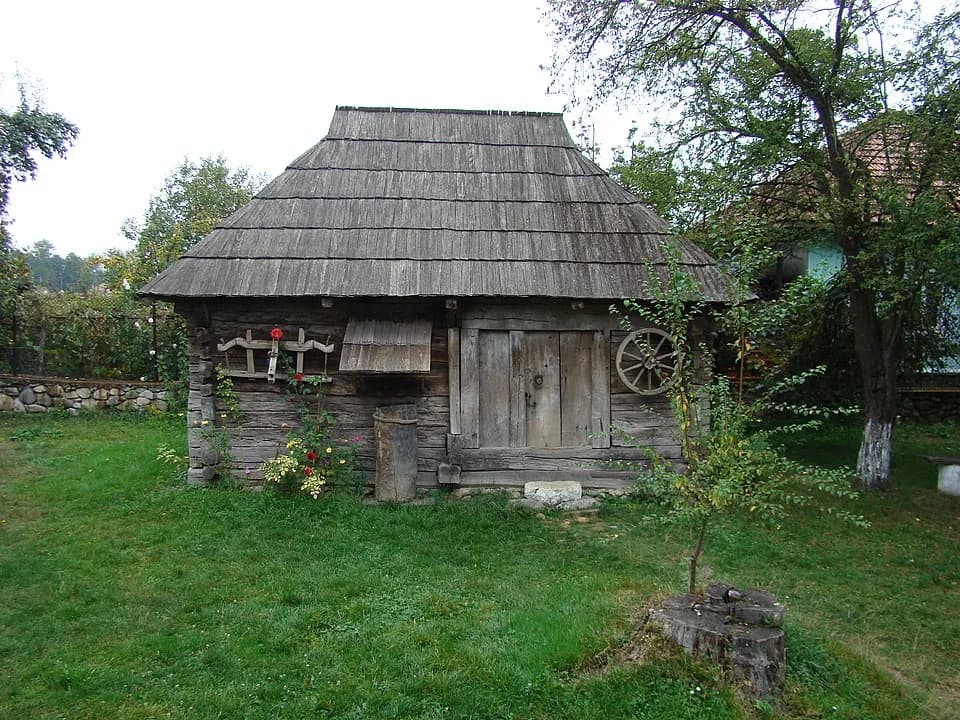
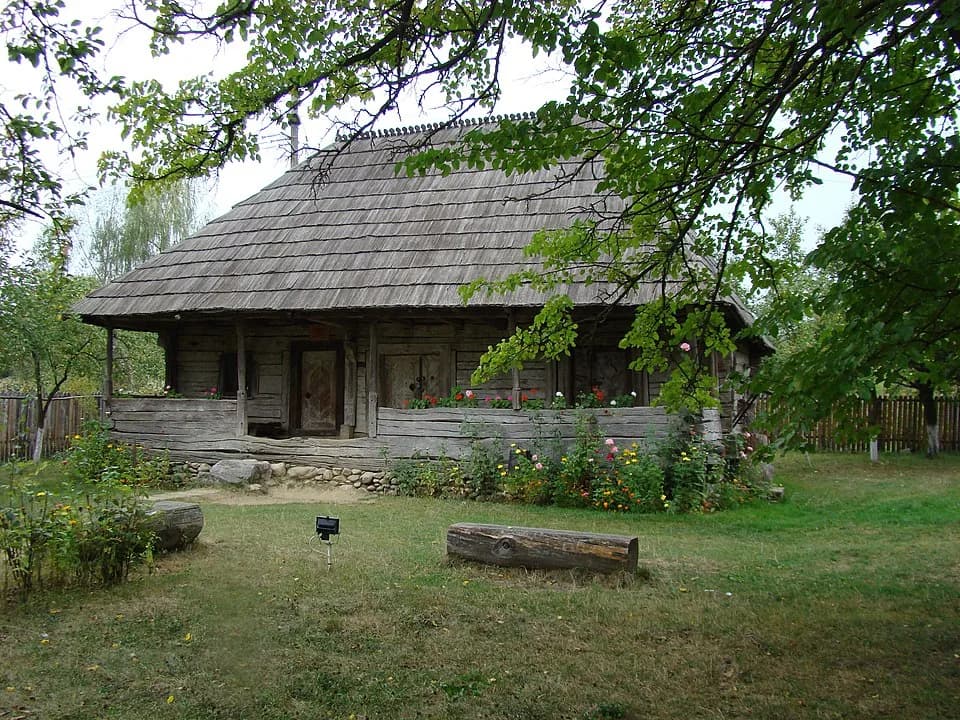
Constantin Brâncuși was born on February 19, 1876, in Hobița, Romania, a rural village that would profoundly influence his early artistic sensibilities. From a young age, Brâncuși demonstrated a natural aptitude for carving, often crafting wooden farm tools for his family and neighbors. This early hands-on experience with wood and form laid a foundational understanding of materials and craft that would later define his sculptural practice.
His formal education began in Bucharest, providing him with initial training before he sought further artistic development abroad. Brâncuși's pursuit of artistic excellence led him beyond Romania's borders, first to Munich, Germany, for additional studies. He then moved to Paris, France, the vibrant center of the art world, where he enrolled at the prestigious École des Beaux-Arts from 1905 to 1907.
Chương 2· Chương 2 trên 6
Career Beginnings
After his studies at the École des Beaux-Arts in Paris, Constantin Brâncuși quickly established himself as a formidable presence in the burgeoning modern art scene. His career in France began in earnest, as he started to articulate a distinct artistic language that diverged from traditional academic styles. While initially trained in conventional methods, Brâncuși soon pursued a personal journey to simplify forms and explore the essence of his subjects.
He began to move away from the detailed representational art prevalent at the time, developing an aesthetic that emphasized purity and clean lines. Brâncuși's early work began to hint at the minimalist and abstract approach that would become his signature style. This period was crucial for the development of his unique sculptural philosophy, influenced by his diverse educational background and his desire to innovate.
Chương 3· Chương 3 trên 6
Major Achievements and Career Highlights
Constantin Brâncuși became renowned as a pioneer of modernism, fundamentally reshaping the trajectory of sculpture in the 20th century. His work is characterized by an emphasis on clean geometrical lines, meticulously balancing the inherent forms within his chosen materials. This approach allowed him to create pieces that conveyed both material purity and profound symbolic allusions.
He achieved international recognition for his innovative methods, earning him the title "patriarch of modern sculpture." Brâncuși's artistic vision sought to distill forms to their most essential elements, creating sculptures that felt both ancient and radically new. His significant contributions established a new paradigm for sculptural expression, influencing generations of artists who followed.
Chương 4· Chương 4 trên 6
Notable Works or Contributions
Brâncuși’s artistic philosophy manifested in sculptures that were revolutionary for their time. He meticulously crafted forms that showcased an exquisite balance between the material's natural properties and the symbolic depth of his representational art. His pieces often evoked a sense of spiritual purity and timelessness, challenging conventional notions of sculpture.
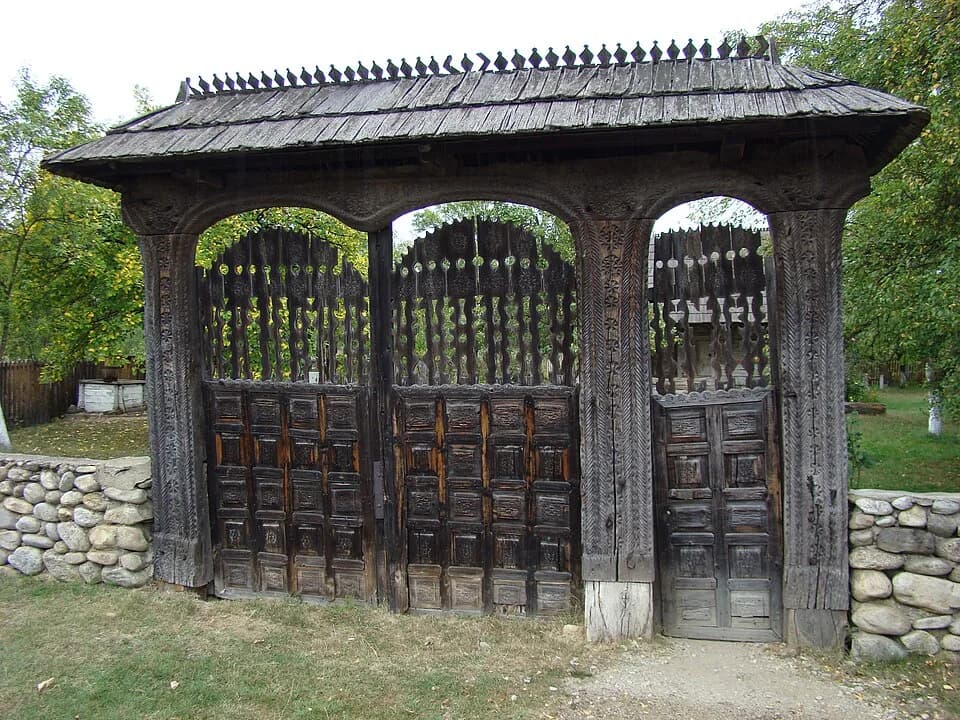
Constantin Brâncuși drew significant inspiration from non-European cultures, perceiving them as sources of primitive exoticism. This influence mirrored that of contemporaries like Paul Gauguin, Pablo Picasso, and André Derain, who also explored diverse cultural aesthetics. However, Brâncuși's work was also deeply rooted in Romanian folk art, weaving in rich traditions traceable through Byzantine and Dionysian influences. His unique synthesis of these diverse inspirations resulted in a body of work that was distinctively his own.
Chương 5· Chương 5 trên 6
Later Years
Constantin Brâncuși continued to work and create throughout his later years, solidifying his legacy in Paris, France. He had made his career in France, becoming a fixture in the Parisian art scene and maintaining his studio there. Even as he aged, his dedication to his artistic practice remained steadfast, continually refining his vision of modern sculpture.
Brâncuși passed away in Paris, France, on March 16, 1957, at the age of 81. His death marked the end of a prolific career that spanned decades and transformed modern art. He left behind a body of work that continues to inspire and challenge artists and art enthusiasts worldwide.
Chương 6· Chương 6 trên 6
Legacy and Impact
The legacy of Constantin Brâncuși is immense, positioning him as one of the most influential sculptors of the 20th century. He is deservedly called the patriarch of modern sculpture, having fundamentally altered the way artists conceived of form, material, and meaning. Brâncuși's pioneering efforts in modernism paved the way for abstraction and minimalism, inspiring countless artists to explore new aesthetic territories.
His emphasis on clean geometrical lines and the balance between material forms and symbolic allusions remains a cornerstone of modern sculptural practice. Brâncuși's work continues to be studied and celebrated for its deep simplicity and spiritual resonance. His unique synthesis of non-European cultural influences and rich Romanian folk traditions ensured his place as a truly original and enduring artistic voice.
Câu hỏi thường gặp
Câu hỏi thường gặp
Constantin Brâncuși qua đời khi nào?
Constantin Brâncuși qua đời vào ngày 16 tháng 3, 1957 tại Paris, France, ở tuổi 81.
Constantin Brâncuși sinh ra ở đâu?
Constantin Brâncuși sinh ra tại Hobița, Romania vào ngày 19 tháng 2, 1876.
Constantin Brâncuși được biết đến nhiều nhất với điều gì?
Constantin Brâncuși được biết đến nhiều nhất với Romanian sculptor, photographer and painter.
Constantin Brâncuși bao nhiêu tuổi khi qua đời?
Constantin Brâncuși 81 tuổi khi qua đời.
Constantin Brâncuși mang quốc tịch nào?
Constantin Brâncuși đến từ Romania.
Dòng thời gian
Cuộc đời tóm tắt
Thư viện ảnh
Một cuộc đời qua những bức hình
Nhấp vào bất kỳ tấm polaroid nào để mở rộng · 44 ảnh
Mã QR
Chia sẻ tiểu sử này
In và chia sẻ
Quét để truy cập trang tiểu sử này. In cho các sự kiện, triển lãm hoặc tài liệu giáo dục.