Sinh
May 31, 1912
Taicang, People's Republic of China
Mất
February 16, 1997
New York City, United States
Được biết đến với
Chinese-American physicist (1912–1997) (death at 85 years)
Chien-Shiung Wu (1912–1997) was People's Republic of China best known for Chinese-American physicist (1912–1997) (death at 85 years).
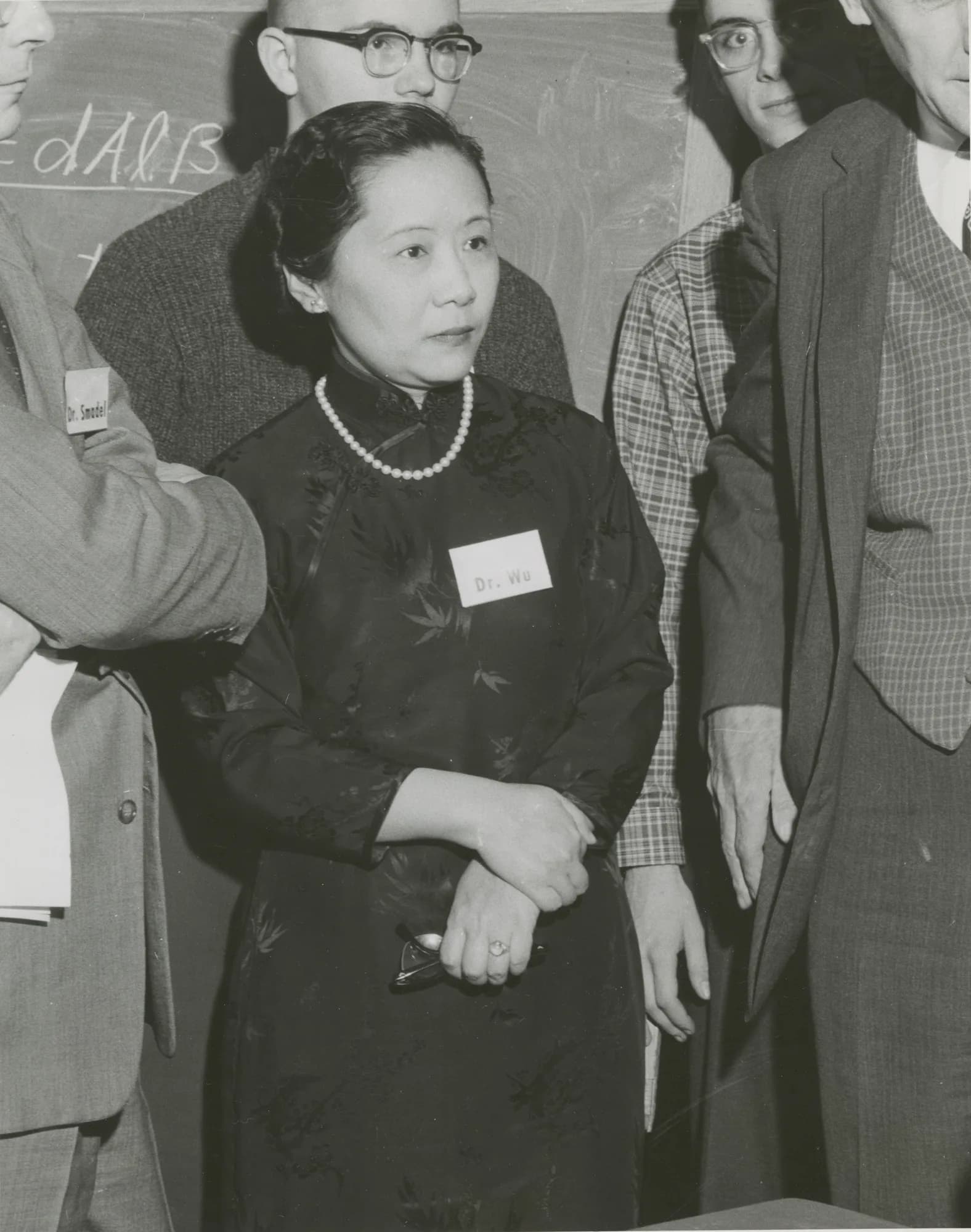
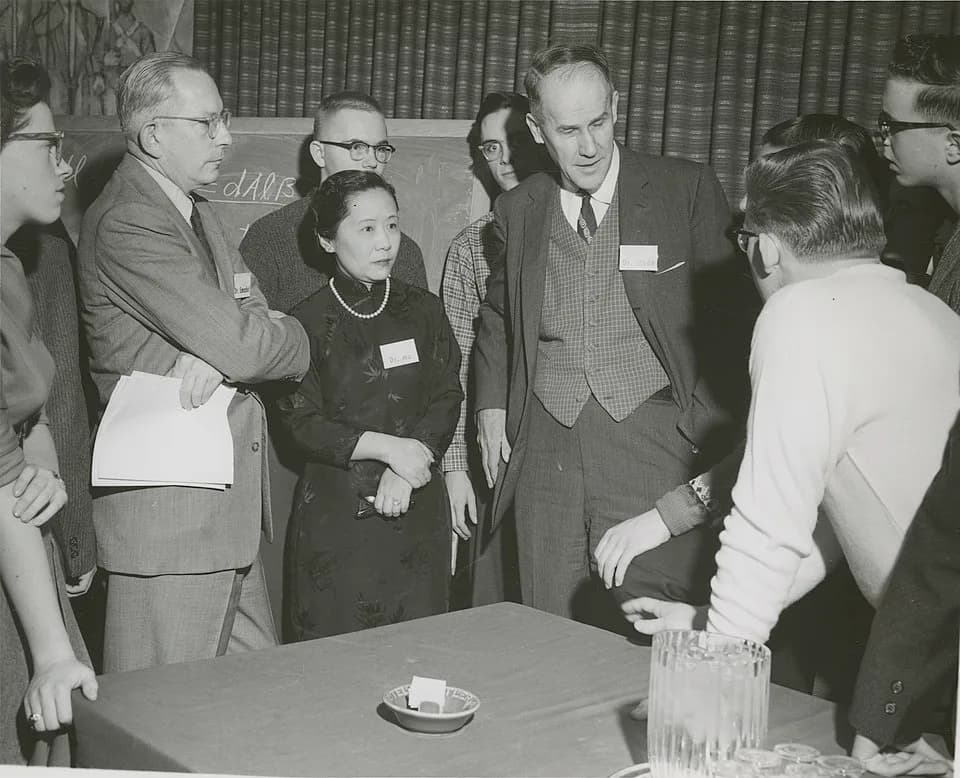
Chien-Shiung Wu (May 31, 1912 – February 16, 1997) was a Chinese-American physicist from Taicang, People's Republic of China. She famously conducted the Wu experiment, disproving parity conservation, and contributed to the Manhattan Project. Her work earned her the inaugural Wolf Prize in Physics.
Chương
Các chương cuộc đời
Chương 1 · 1912· Chương 1 trên 6
Early Life and Origins
Born on May 31, 1912, in Taicang, People's Republic of China, Chien-Shiung Wu's early life was spent in her native land. Her upbringing in China provided the initial foundation for her rigorous academic pursuits. She later traveled to the United States, where she would complete her higher education and begin her impactful scientific career.
Chương 2· Chương 2 trên 6
Career Beginnings
Chien-Shiung Wu embarked on her professional journey as a scientist and university teacher, quickly establishing her expertise in physics. Her early work laid a strong foundation, particularly in experimental methodologies. These formative experiences were crucial in developing her exceptional skills as a nuclear physicist.
Chương 3· Chương 3 trên 6
Major Achievements and Career Highlights
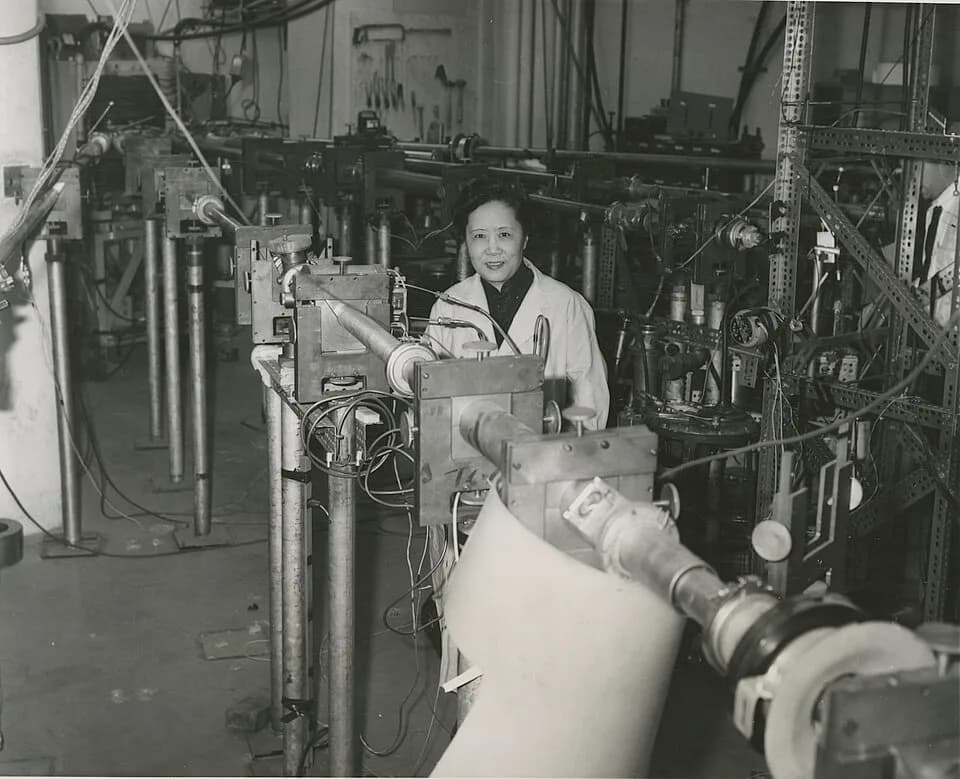
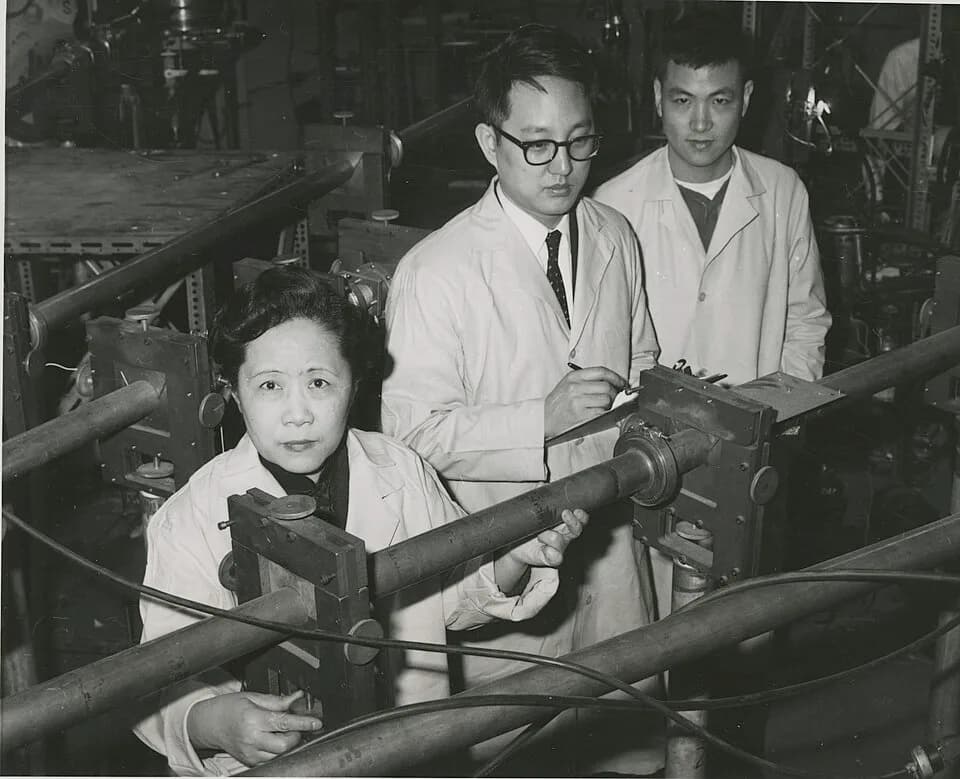
One of Chien-Shiung Wu's most significant contributions came during her involvement in the Manhattan Project. There, she played a vital role in perfecting the gaseous diffusion process for isotope separation. This process was essential for effectively separating uranium into its uranium-235 and uranium-238 isotopes.
Wu is perhaps best known for conducting the landmark "Wu experiment," which yielded a paradigm-shifting discovery in particle physics. This meticulous experiment empirically demonstrated that parity is not conserved in weak interactions. While her colleagues, Tsung-Dao Lee and Chen-Ning Yang, received the 1957 Nobel Prize in Physics for their theoretical prediction, Wu's experimental proof was absolutely essential.
Her exceptional skill and precision in experimental physics frequently drew comparisons to the legendary Marie Curie. In recognition of her immense contributions to science, Chien-Shiung Wu was honored with the inaugural Wolf Prize in Physics in 1978. This prestigious award acknowledged her unique scientific achievements and lasting influence.
Chương 4· Chương 4 trên 6
Notable Works or Contributions
Chien-Shiung Wu's specific works include her detailed investigations into beta decay, which were central to the design and execution of the Wu experiment. Her careful experimental design and precise measurements were key to validating the non-conservation of parity. This work fundamentally altered physicists' understanding of one of the universe's fundamental forces.
Beyond the Wu experiment, her contributions to the Manhattan Project showcased her expertise as a nuclear physicist. She meticulously worked on the complex task of isotope separation through gaseous diffusion. These efforts were critical to a major historical scientific endeavor, underscoring her technical skill and dedication.
Chương 5 · 1997· Chương 5 trên 6
Later Years
Chien-Shiung Wu continued to be a respected figure in the scientific community throughout her later years, further solidifying her distinguished legacy. She passed away at the age of 85 on February 16, 1997, in New York City, United States. Her passing marked the end of a long and exceptionally productive life dedicated to scientific discovery and advancement.
Chương 6· Chương 6 trên 6
Legacy and Impact
Chien-Shiung Wu's influence on the field of physics is profound and continues to resonate today. Her experimental proof of parity non-conservation irrevocably reshaped particle physics and earned her widespread international recognition. She broke significant barriers as a Chinese-American woman in science, serving as an inspiration to countless aspiring scientists.
She was affectionately known by several descriptive nicknames that highlighted her stature and impact, including the "First Lady of Physics," the "Chinese Marie Curie," and the "Queen of Nuclear Research." These titles reflect the high esteem in which she was held by her peers and the broader scientific community. Her contributions are still studied and celebrated, cementing her place among the greatest physicists of all time.
Một cuộc đời qua các khoảnh khắc
Những khoảnh khắc đã định hình một cuộc đời
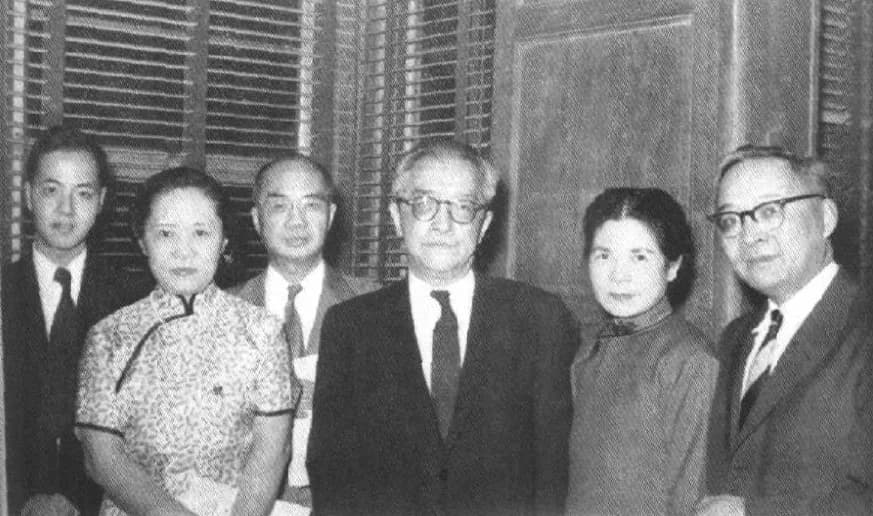
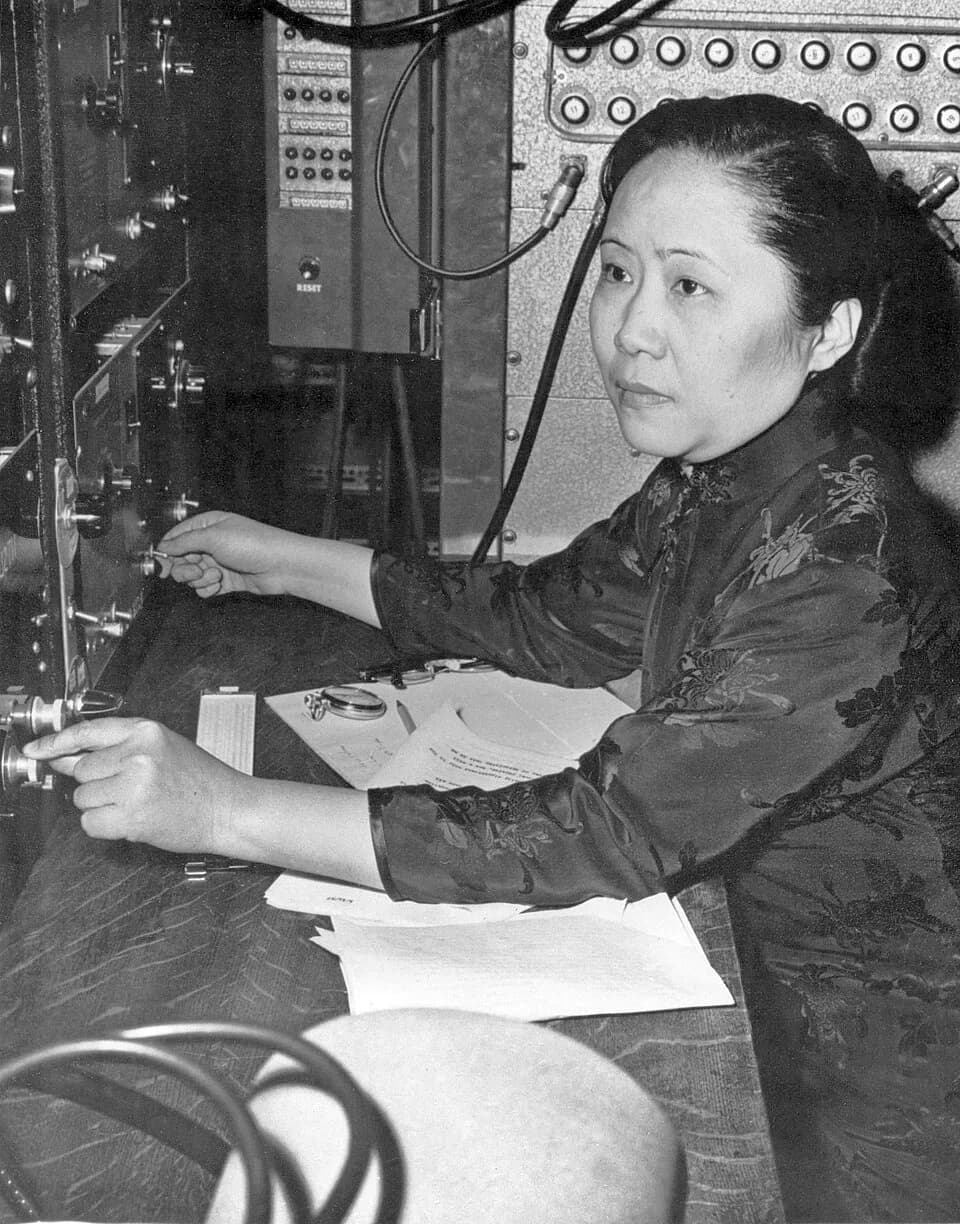
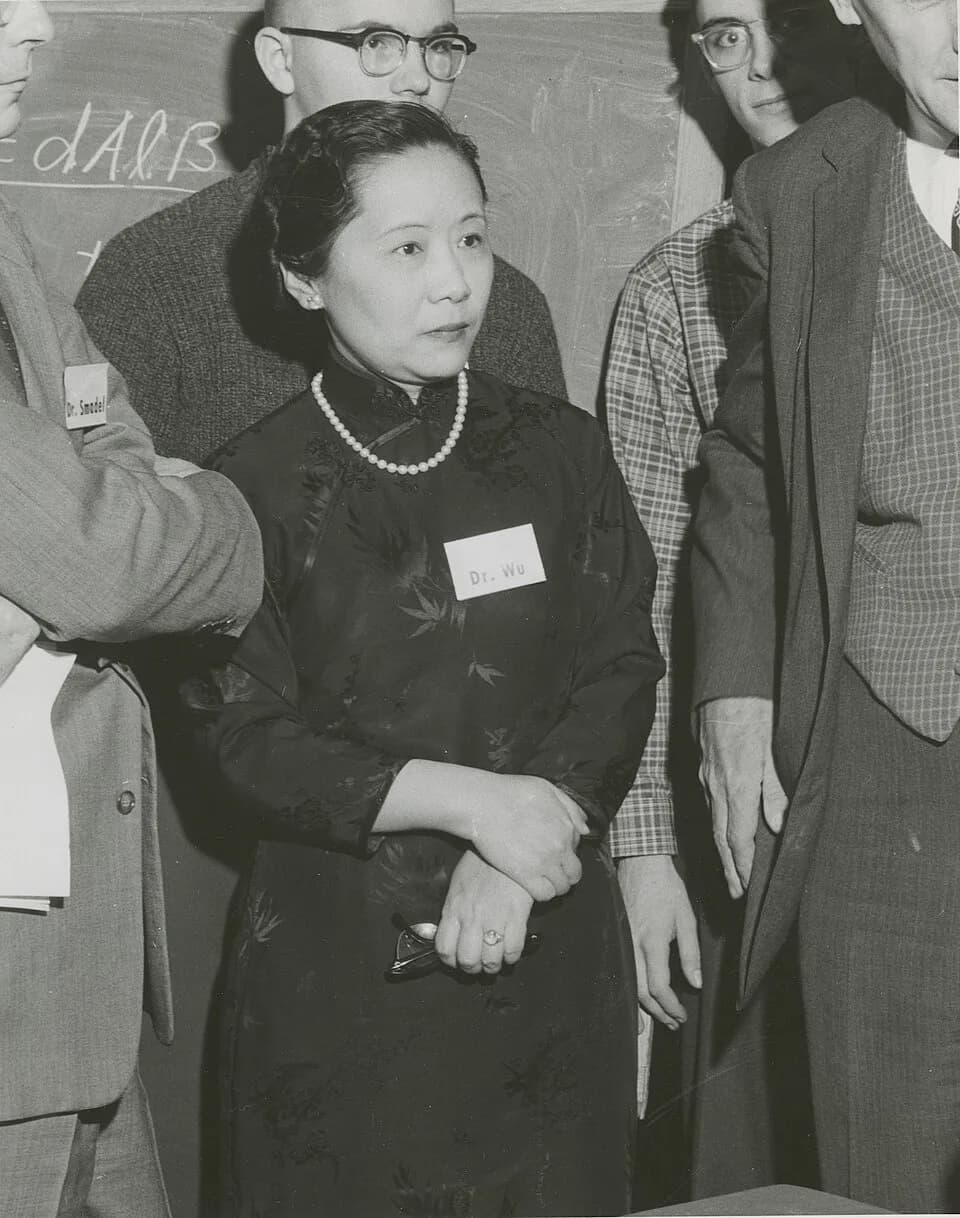
Câu hỏi thường gặp
Câu hỏi thường gặp
Chien-Shiung Wu qua đời khi nào?
Chien-Shiung Wu qua đời vào ngày 16 tháng 2, 1997 tại New York City, United States, ở tuổi 84.
Chien-Shiung Wu sinh ra ở đâu?
Chien-Shiung Wu sinh ra tại Taicang, People's Republic of China vào ngày 31 tháng 5, 1912.
Chien-Shiung Wu được biết đến nhiều nhất với điều gì?
Chien-Shiung Wu được biết đến nhiều nhất với Chinese-American physicist (1912–1997) (death at 85 years).
Chien-Shiung Wu bao nhiêu tuổi khi qua đời?
Chien-Shiung Wu 84 tuổi khi qua đời.
Chien-Shiung Wu mang quốc tịch nào?
Chien-Shiung Wu đến từ People's Republic of China.
Dòng thời gian
Cuộc đời tóm tắt
Thư viện ảnh
Một cuộc đời qua những bức hình
Nhấp vào bất kỳ tấm polaroid nào để mở rộng · 37 ảnh
Mã QR
Chia sẻ tiểu sử này
In và chia sẻ
Quét để truy cập trang tiểu sử này. In cho các sự kiện, triển lãm hoặc tài liệu giáo dục.