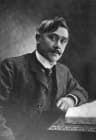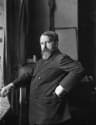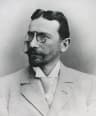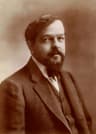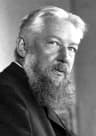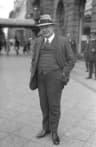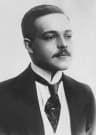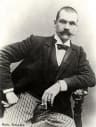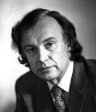
Sinh
March 28, 1862
Nantes, France
Mất
March 7, 1932
Paris, France
Được biết đến với
politician, statesman, and Nobel Peace Prize laureate from France
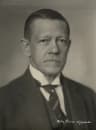
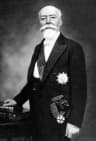
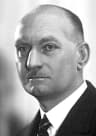
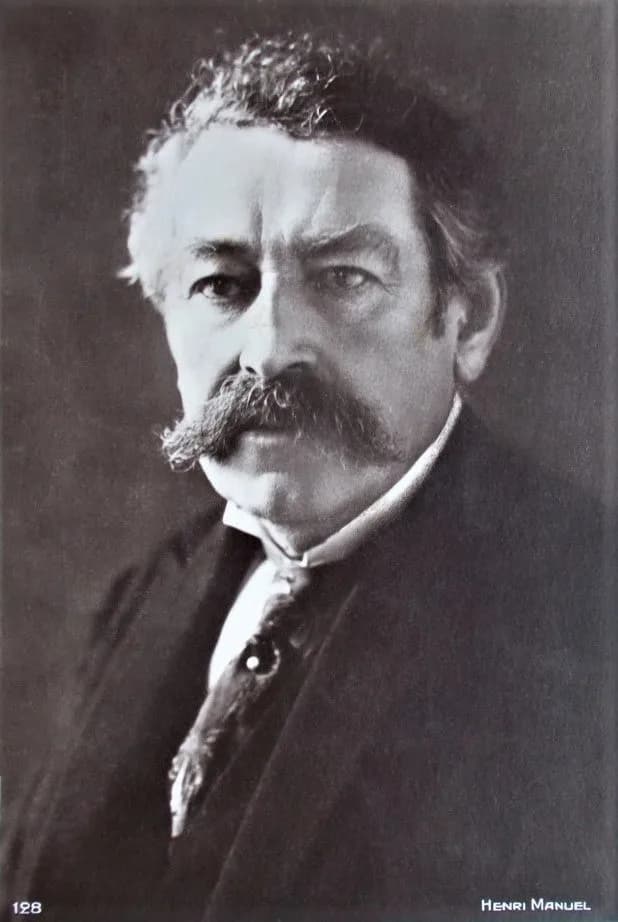
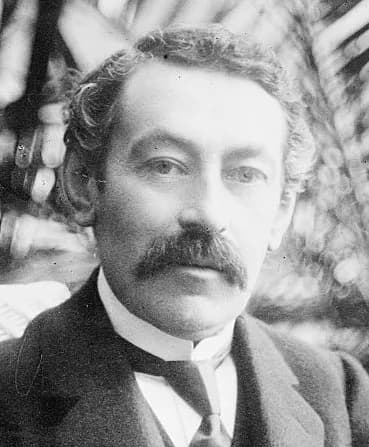
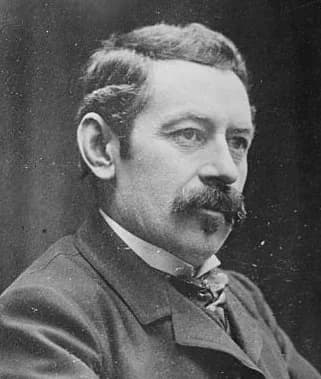
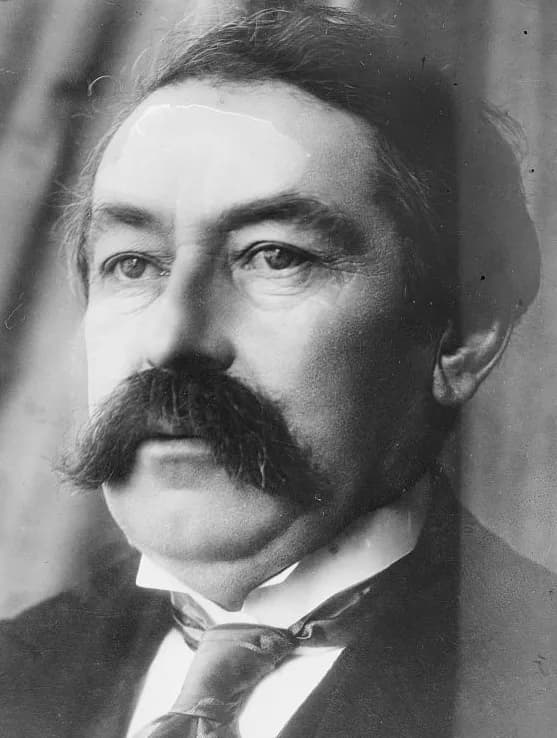
Aristide Briand (1862–1932) was France best known for politician, statesman, and Nobel Peace Prize laureate from France.
Aristide Pierre Henri Briand (March 28, 1862 – March 7, 1932) was a French politician and statesman. He notably served eleven terms as Prime Minister of France and was awarded the Nobel Peace Prize in 1926 for his role in the Locarno Treaty. His career focused on international issues and reconciliation politics.
Chương
Các chương cuộc đời
Chương 1 · 1862· Chương 1 trên 6
Early Life and Origins
Aristide Briand began his life in Nantes, France, where he was born on March 28, 1862. This city, a significant port and cultural center, provided the backdrop for his formative years. While specific details about his family life and early education are not extensively documented in the provided information, his origins in Nantes undoubtedly shaped his early perspectives and perhaps instilled in him an awareness of broader European and global affairs from a young age. His journey from this provincial city to the highest echelons of national and international leadership is a testament to his ambition and intellect.
The path from a young man in Nantes to a celebrated statesman in Paris speaks to a determined spirit. Though the nuances of his upbringing are not detailed, the fact of his birth and early life in France positions him firmly within the historical and cultural context that would later define his political career. His eventual move to Paris, where he would later pass away, symbolizes a trajectory that saw him become a central figure in the nation's capital and a voice on the global stage.
Chương 2· Chương 2 trên 6
Career Beginnings
Briand's career began not immediately in high politics but through various intellectual and professional pursuits that laid the groundwork for his future prominence. He first established himself as a writer and journalist, roles that honed his communication skills and provided platforms for expressing his views on contemporary issues. This background in journalism would prove invaluable in a political landscape increasingly reliant on public discourse and persuasive rhetoric, allowing him to articulate complex ideas to a broad audience.
Beyond his journalistic endeavors, Briand also practiced as a lawyer. This profession provided him with a deep understanding of legal frameworks and the art of argumentation, skills that are indispensable for any aspiring politician or diplomat. His training in law would have equipped him with the analytical rigor and strategic thinking necessary to navigate the intricate legal and constitutional challenges of the French Third Republic. These foundational experiences as a writer, journalist, and lawyer collectively prepared him for the demanding and varied roles he would undertake throughout his extensive political career.
Chương 3· Chương 3 trên 6
Major Achievements and Career Highlights
Aristide Briand's political career was exceptionally distinguished, marked by his unprecedented eleven terms as Prime Minister of France during the French Third Republic. This extraordinary tenure underscores his consistent influence and his unique ability to lead through challenging times, reflecting a deep trust in his statesmanship from both his peers and the French populace. His repeated appointments highlight a career characterized by sustained leadership and an unwavering commitment to national and international stability.
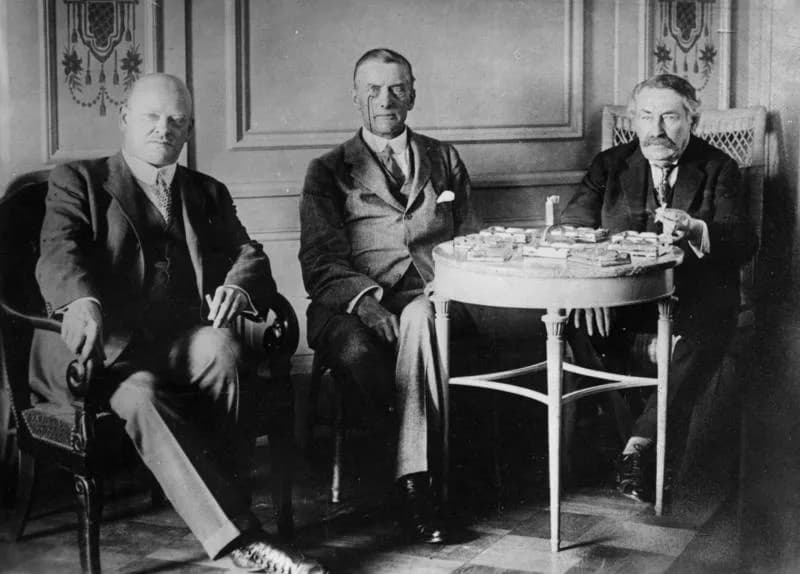
His most lasting legacy, however, is deeply tied to his focus on international issues and his tireless pursuit of reconciliation politics during the tumultuous interwar period, following the devastation of World War I. Briand recognized the critical need for peace and cooperation to prevent future conflicts, advocating for dialogue and agreement over confrontation. This vision culminated in one of his most significant achievements: his crucial role in bringing about the Locarno Treaty in 1925. This treaty, a series of agreements that aimed to secure the post-World War I territorial settlement and return to normalized relations among the European powers, was a cornerstone of his efforts to build a stable and peaceful Europe.
In recognition of these profound contributions to international peace, Aristide Briand was awarded the Nobel Peace Prize in 1926. The prize specifically honored his pivotal efforts in negotiating and securing the Locarno Treaty, an agreement that fostered a brief but significant period of détente and hope for lasting peace in Europe. This prestigious accolade solidified his status as a leading advocate for diplomacy and a symbol of reconciliation, cementing his place in history as a dedicated global statesman.
Chương 4· Chương 4 trên 6
Notable Works or Contributions
Aristide Briand's intellectual and political contributions were not limited to his actions as a statesman; he also articulated his ideas through various written works and speeches, reflecting his background as a writer and journalist. These contributions allowed him to shape public opinion and debate on critical issues of his time, providing insights into his political philosophy and his policy objectives. His bibliography reflects a range of topics, from social theory to major legislative concerns.
Among his notable works is an "Address delivered at Geneva, Switzerland, September 10, 1926," a speech that likely outlined his vision for international cooperation, particularly in the wake of the Locarno Treaty and his Nobel Peace Prize. He also penned "Essai sur l'association du capital et du travail par l'actionnariat ouvrier," which suggests his engagement with socio-economic issues, specifically proposing a model for the association of capital and labor through worker shareholding. Another significant work, "La separation des eglises et de l'etat," is a clear indication of his involvement in the crucial French debate on secularism and the separation of church and state, a defining legislative challenge of the early 20th century in France.
Further demonstrating his comprehensive engagement, Briand contributed reports such as the "Report by M.Briand" and his "Briand speech competition final report, containing the French text of the speech," which underscore his role in policy development and public discourse. His work "La grève générale et la révolution" reveals his thoughts on labor movements and societal change, while "Discours prononcés par Aristide Briand ..." compiles his various oratorical contributions. The repeated mention of "La séparation des église et de l'état" highlights the central importance of this legislative reform in his career. His address at "Cluses! 18 juillet 1904" and a "Lettre au Président de l'Union des Associations Cultuelles Israélites" further illustrate his involvement in diverse social and cultural matters, showcasing a broad and active intellectual life alongside his political duties.
Chương 5 · 1932· Chương 5 trên 6
Later Years
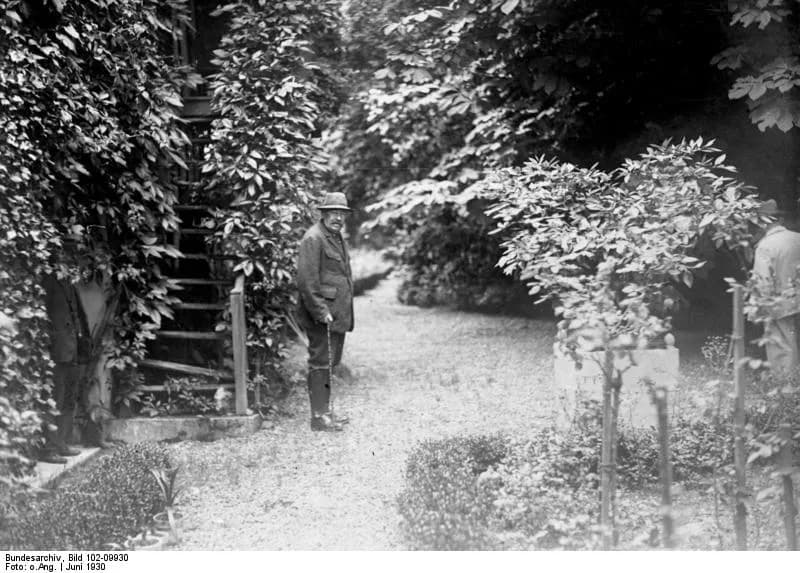
Aristide Briand remained an active and influential figure in French and international politics until his passing. He died on March 7, 1932, in Paris, France, the nation's capital and the heart of his extensive political career. His death came during a period of escalating international tensions, as the fragile peace he had so diligently worked to establish in the 1920s began to unravel with the rise of aggressive nationalism in various parts of Europe. His continued presence in public life until his final days underscores his unwavering commitment to his political ideals and his country.
Even in his later years, Briand continued to advocate for the principles of international cooperation and reconciliation that had defined his career. His legacy, therefore, is not merely that of a past leader but a statesman whose principles remained highly relevant, particularly as Europe edged closer to another global conflict. His vision for a united and peaceful continent, championed through initiatives like the Locarno Treaty, stood as a stark contrast to the growing divisions of the early 1930s. His passing in Paris marked the end of an era for French diplomacy, losing one of its most experienced and dedicated proponents of global peace.
Chương 6· Chương 6 trên 6
Legacy and Impact
Aristide Briand's legacy is defined by his steadfast commitment to diplomacy, international cooperation, and peace, particularly during one of history's most volatile periods. His eleven terms as Prime Minister of France testify to his extraordinary capacity for leadership and his consistent ability to navigate complex political landscapes. He became synonymous with the French Third Republic's efforts to rebuild a stable Europe after the First World War, focusing relentlessly on policies designed to foster understanding and prevent future conflicts. His political longevity and his dedication to reconciliation politics set him apart as a statesman of rare caliber.
His most enduring impact stems from his instrumental role in negotiating the Locarno Treaty, an achievement for which he was deservedly awarded the Nobel Peace Prize. This treaty represented a significant step towards normalizing post-war European relations and establishing a framework for collective security. Briand's efforts helped to shape the diplomatic strategies of the interwar period, emphasizing the power of negotiation and agreement over military might. He championed the idea of a united Europe long before the formal establishment of the European Union, envisioning a continent where nations could resolve disputes peacefully.
Aristide Briand's influence continues to resonate as a powerful example of dedicated public service and a commitment to global harmony. His contributions as a lawyer, writer, journalist, diplomat, and ultimately, a leading statesman, created a body of work and a political philosophy centered on the pursuit of peace. He is remembered not just for his numerous high offices but for his profound belief in the possibility of international understanding and his relentless pursuit of a world free from the ravages of war, leaving an inspirational model for future generations of leaders.
Một cuộc đời qua các khoảnh khắc
Những khoảnh khắc đã định hình một cuộc đời
Câu hỏi thường gặp
Câu hỏi thường gặp
Aristide Briand qua đời khi nào?
Aristide Briand qua đời vào ngày 7 tháng 3, 1932 tại Paris, France, ở tuổi 69.
Aristide Briand sinh ra ở đâu?
Aristide Briand sinh ra tại Nantes, France vào ngày 28 tháng 3, 1862.
Aristide Briand được biết đến nhiều nhất với điều gì?
Aristide Briand được biết đến nhiều nhất với politician, statesman, and Nobel Peace Prize laureate from France.
Aristide Briand bao nhiêu tuổi khi qua đời?
Aristide Briand 69 tuổi khi qua đời.
Aristide Briand mang quốc tịch nào?
Aristide Briand đến từ France.
Dòng thời gian
Cuộc đời tóm tắt
Thư viện ảnh
Một cuộc đời qua những bức hình
Nhấp vào bất kỳ tấm polaroid nào để mở rộng · 49 ảnh
Mã QR
Chia sẻ tiểu sử này
In và chia sẻ
Quét để truy cập trang tiểu sử này. In cho các sự kiện, triển lãm hoặc tài liệu giáo dục.