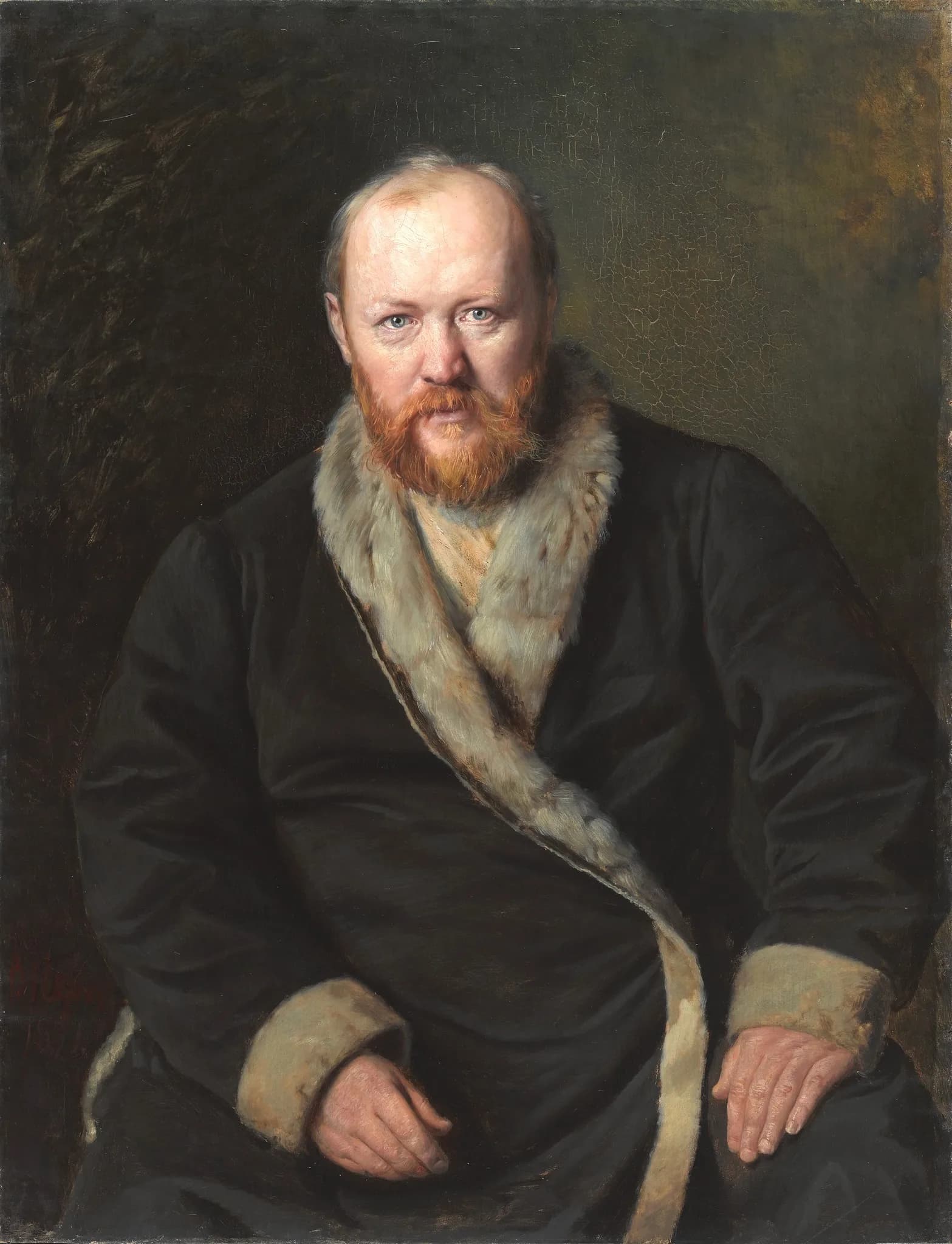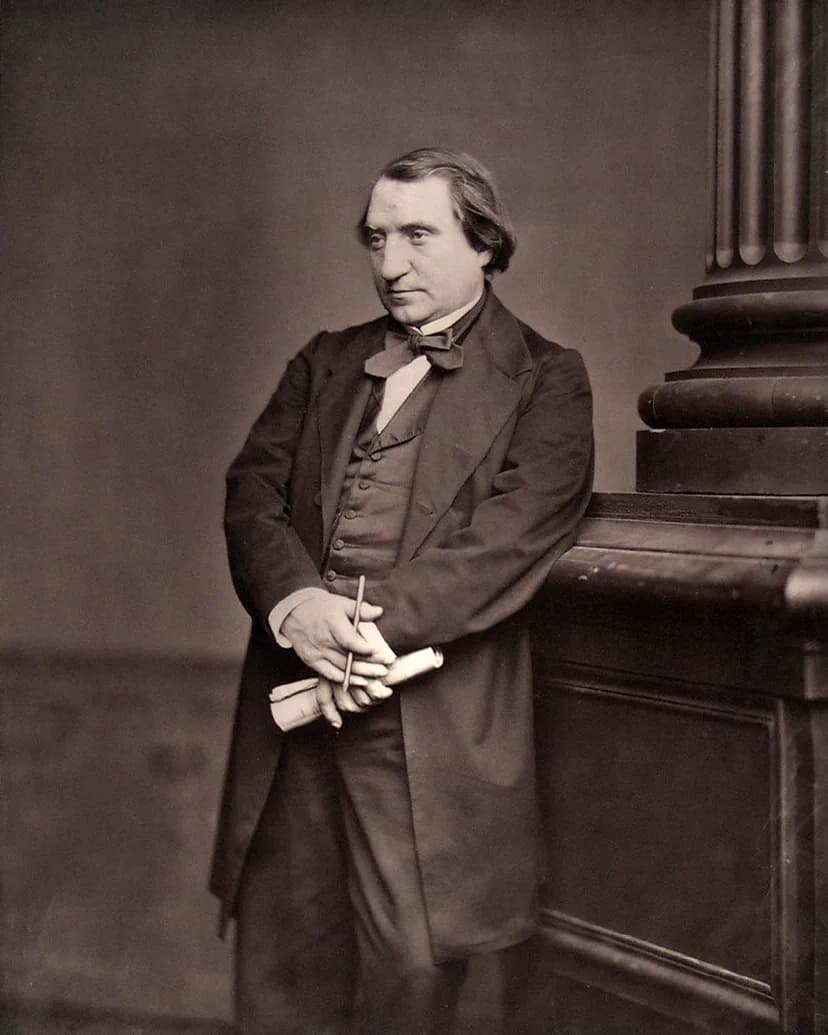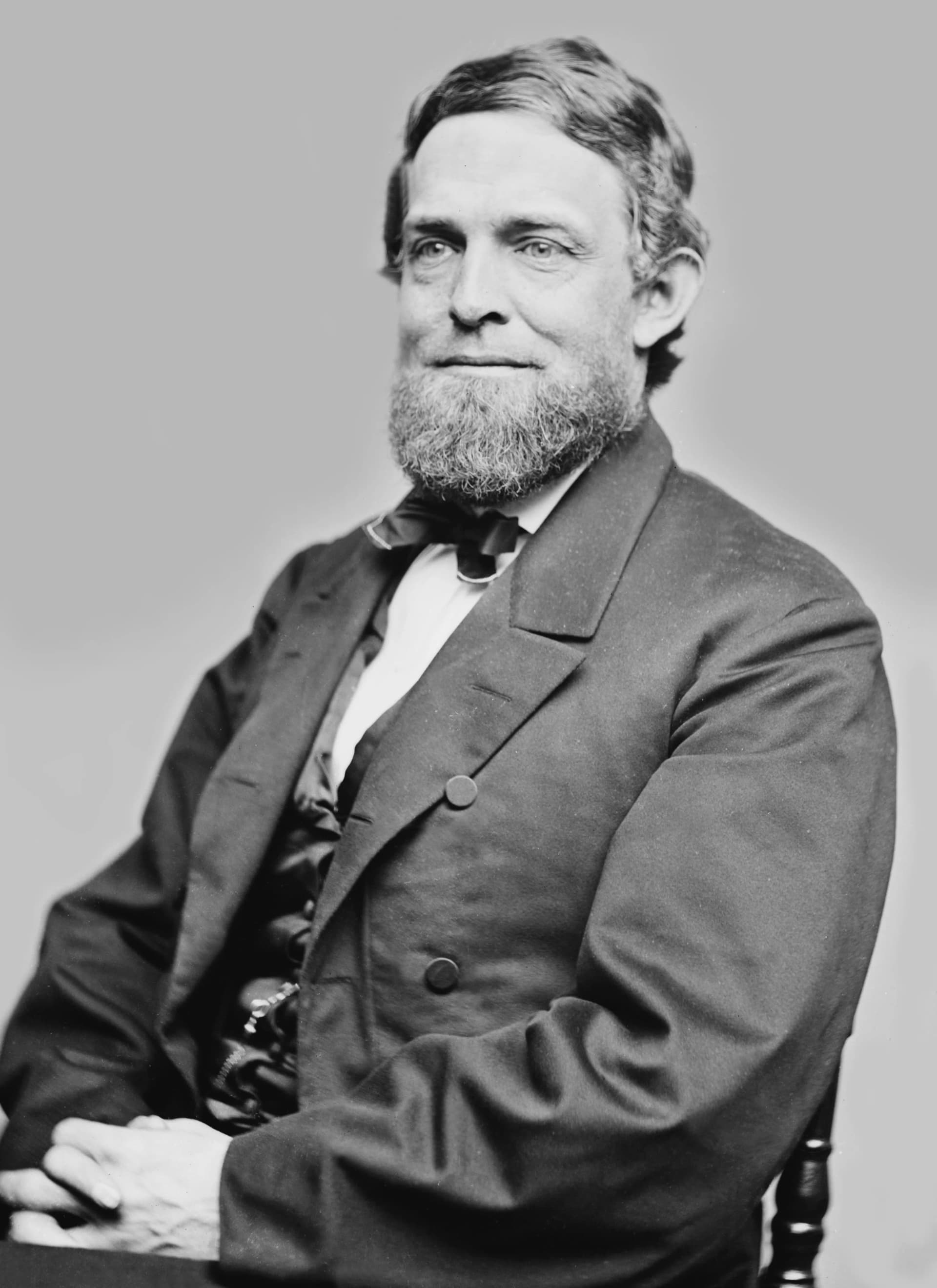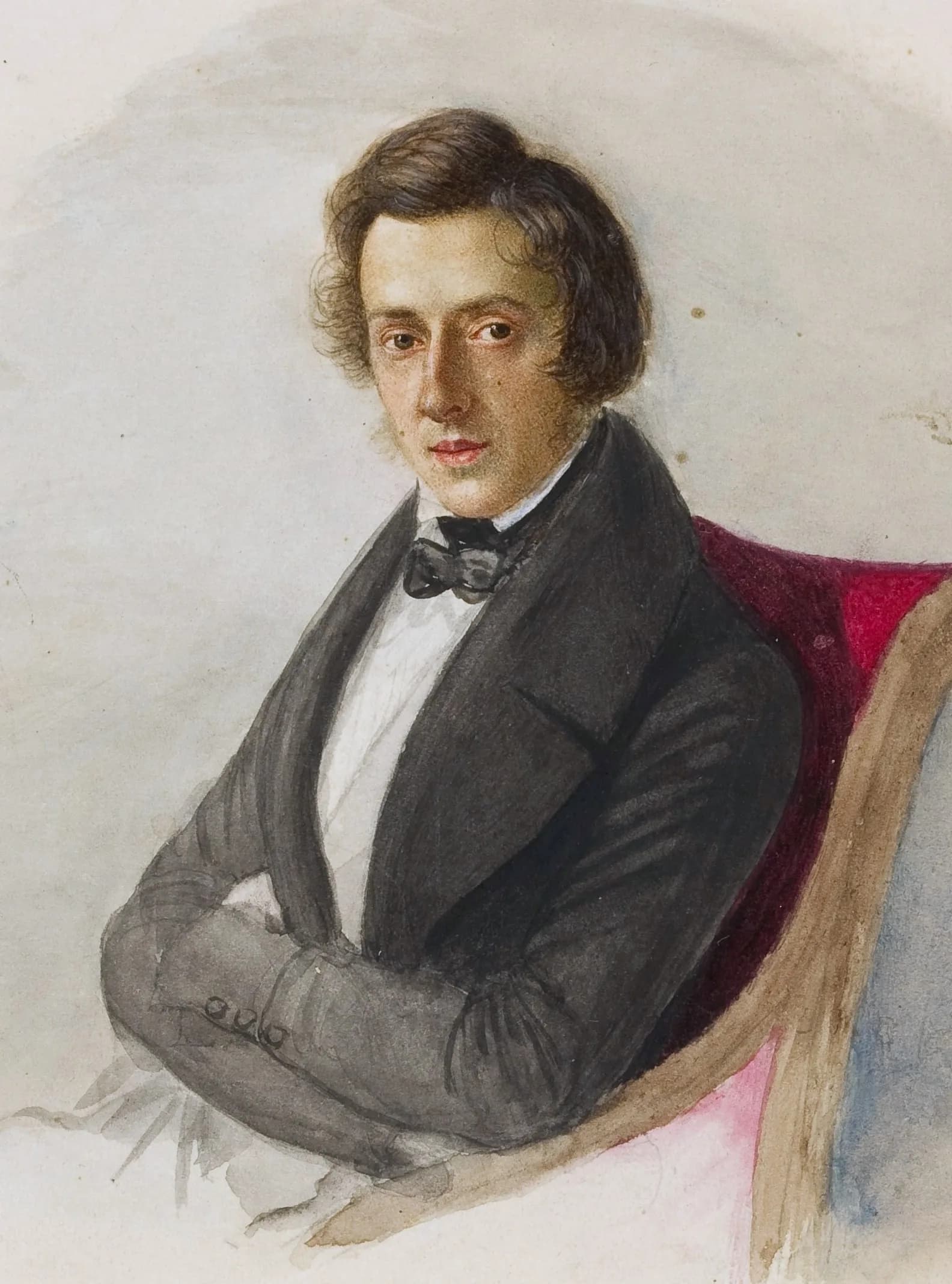
Tug'ilgan
January 1, 1823
Kiskőrös, Hungary
Vafot etgan
July 31, 1849
Albești, Romania
Mashhur bo'lgan
Hungarian poet and liberal revolutionary
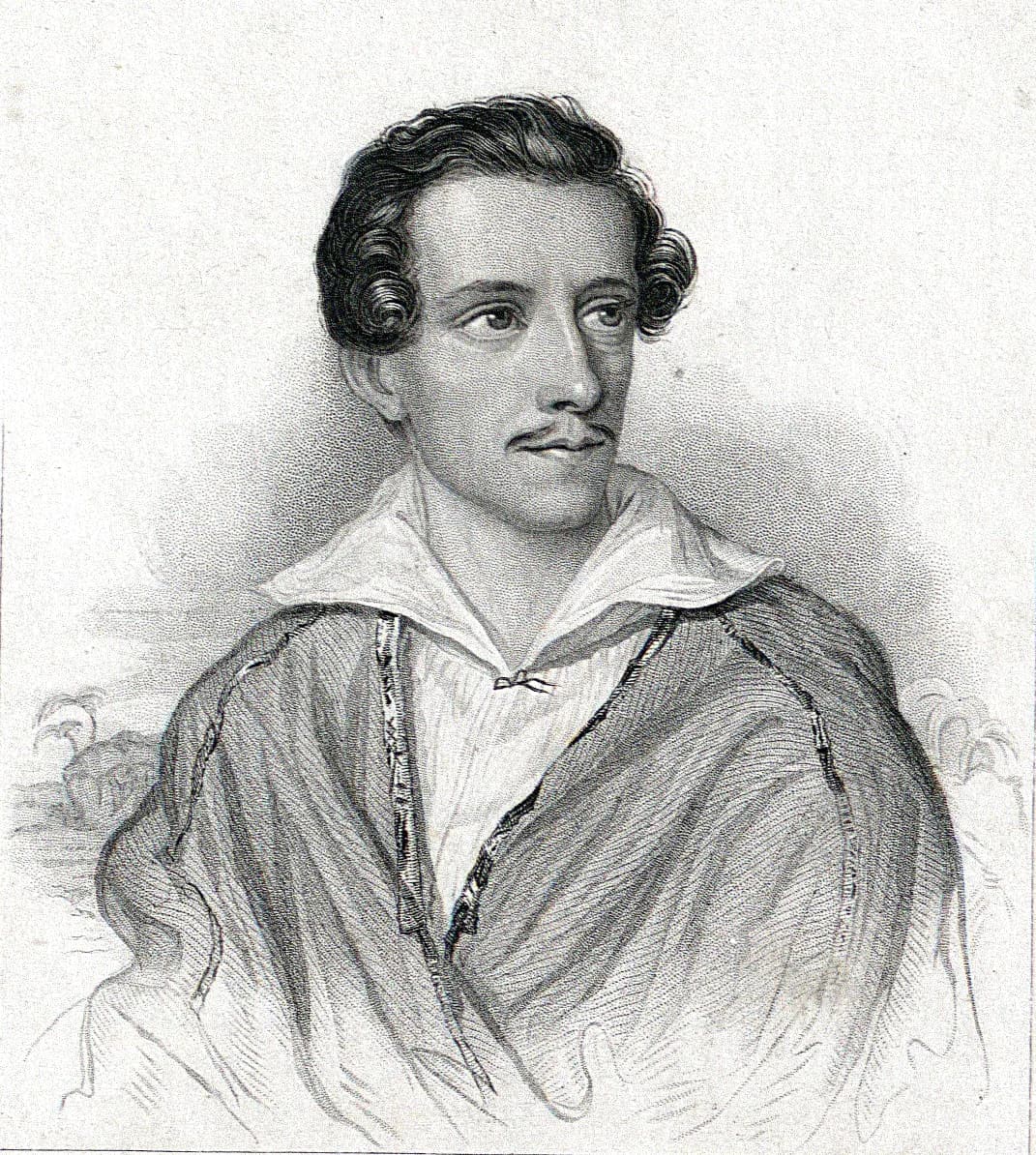
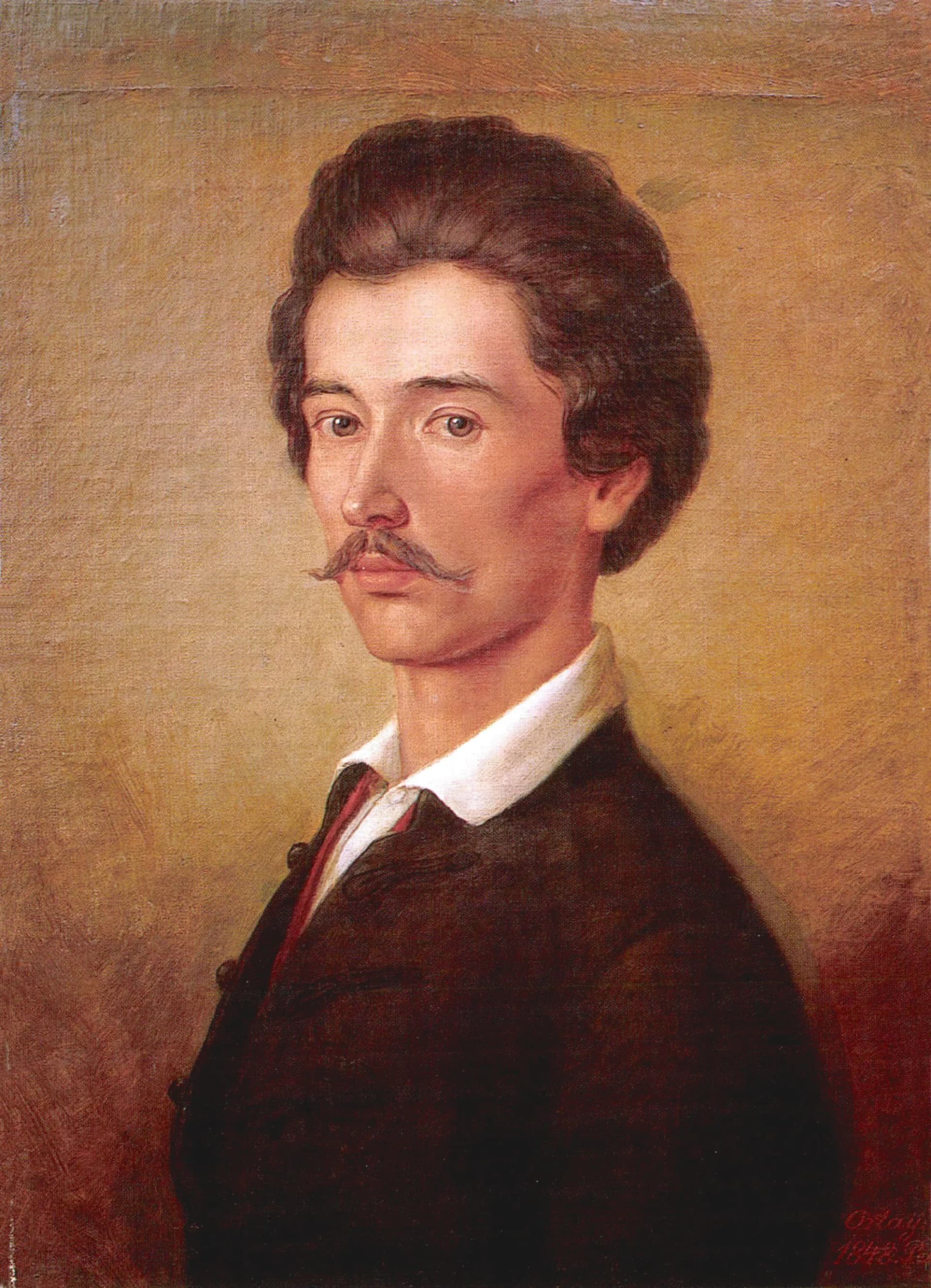
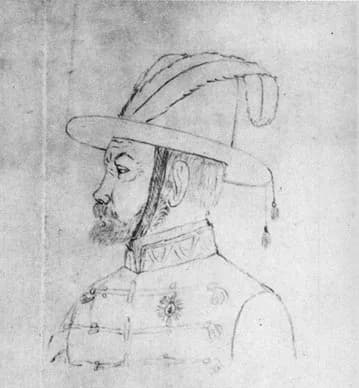
Sándor Petőfi (1823–1849) was Hungary best known for Hungarian poet and liberal revolutionary.
Sándor Petőfi (January 1, 1823 – July 31, 1849) was a Hungarian poet and liberal revolutionary. He is considered Hungary's national poet and was a key figure in the 1848 revolution, inspiring it with his 'Nemzeti dal'. His legacy endures as a symbol of Hungarian independence and artistic freedom.
Hayot lahzalarda
Hayotni shakllantirgan lahzalar
Bob
Hayot bo'limlari
Bob 1 · 1823· 7 bobdan 1-bobi
Early Life and Origins
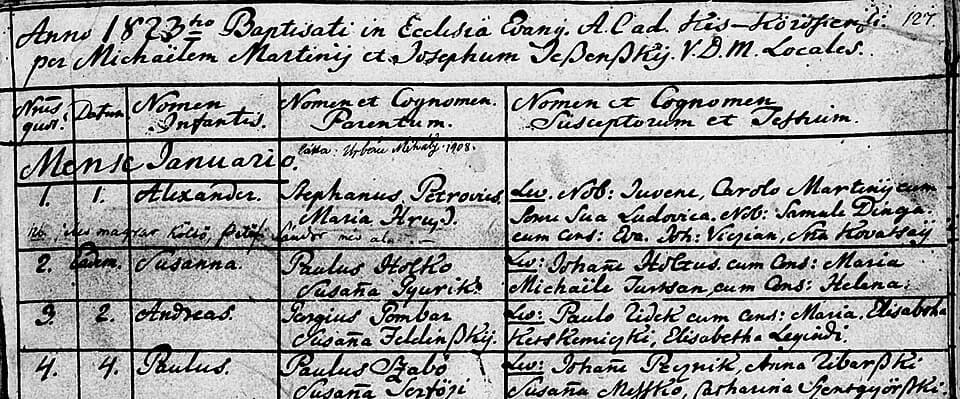
The journey of Sándor Petőfi began on January 1, 1823, in Kiskőrös, a town nestled in the heart of Hungary. While specific details about his family background and childhood experiences are not provided, this birthplace rooted him firmly in the Hungarian landscape. His formative years unfolded against a backdrop of escalating nationalistic sentiment and a burgeoning desire for political reform within the Austrian Empire. These early influences undeniably shaped his profound understanding of national identity and his future commitment to revolutionary ideals.
Bob 2· 7 bobdan 2-bobi
Career Beginnings
Petőfi's professional life was characterized by an early exploration of diverse artistic avenues. He initially embarked on a career as an actor, a profession that likely afforded him invaluable experience in public speaking and dramatic expression. This direct engagement with performance honed his ability to connect with audiences, a skill that would later amplify the emotional power of his poetry and revolutionary rhetoric. Concurrently, he dedicated himself to cultivating his innate talents as a writer and poet, laying the essential groundwork for his eventual rise as a literary giant and national hero.
Bob 3 · 1848· 7 bobdan 3-bobi
Major Achievements and Career Highlights
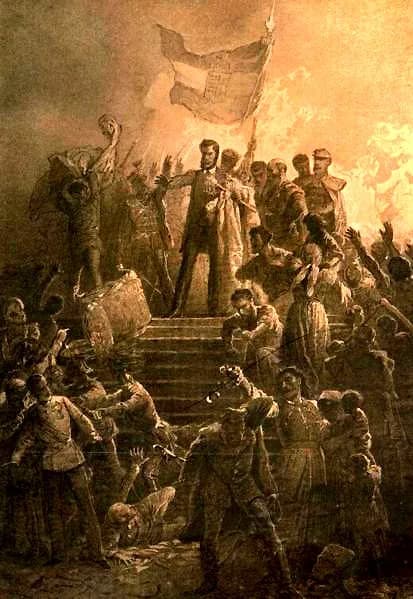
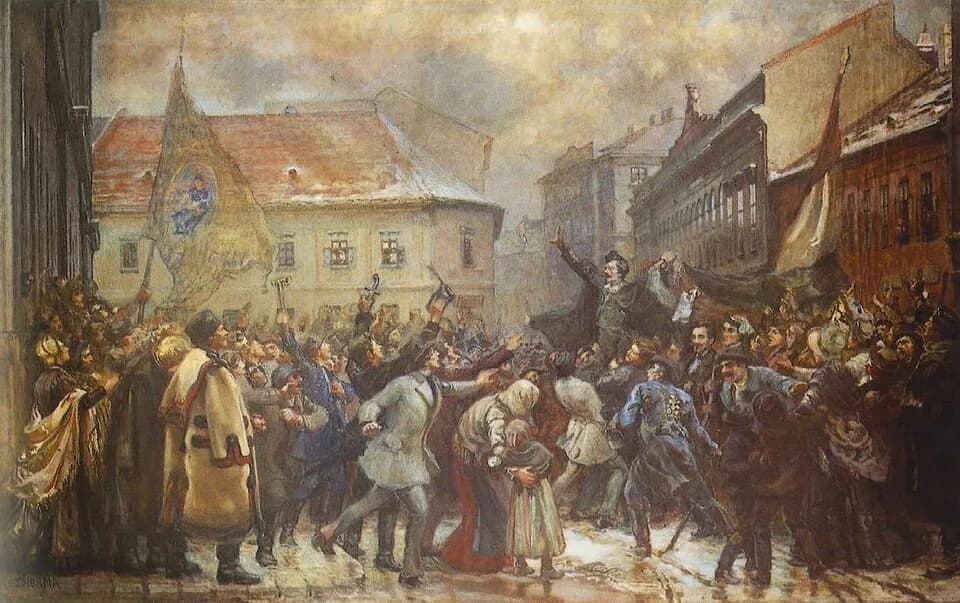
Sándor Petőfi's stature as Hungary's national poet is a testament to his unparalleled impact on the nation's cultural and political landscape. He played an instrumental role as one of the principal figures of the Hungarian Revolution of 1848, a historic struggle for independence from the dominion of the Austrian Empire. His seminal work, the "Nemzeti dal" (National Song), is widely recognized for its electrifying capacity to inspire and mobilize the revolution. This powerful poem resonated deeply with the Hungarian people, igniting their spirit and transforming abstract calls for liberty into a tangible, unified movement for national self-determination.
Bob 4· 7 bobdan 4-bobi
Personal Life
While Sándor Petőfi's public image and professional accomplishments are well-documented, specific insights into his personal life, including family details, relationships, or private interests, are not extensively available. His brief yet intensely impactful existence appears to have been largely dedicated to his prolific literary output and his unwavering commitment to the revolutionary cause. It is evident that his personal passions were inextricably linked with his artistic endeavors and his fervent dedication to Hungarian freedom and cultural expression.
Bob 5· 7 bobdan 5-bobi
Notable Works or Contributions
Petőfi's literary legacy is marked by an extensive collection of works that solidified his position as a preeminent poet. His significant contributions include comprehensive collections like "Összes költeményei, egy kötetben" and "Költeményei," which gather his complete poetic output. Demonstrating his broader international appeal, his works were also translated and published under various titles such as "Der Strik des Henkers," "Vybrani poeziĭ," "Výbar z básní," and "Spisy básnické." Further showcasing the breadth and enduring power of his verse are titles like "Schecken und Falbe," "La grande triade della poesia rivoluzionaria ungherese," and "Válogatott költeményei," reflecting his profound impact across diverse linguistic and cultural spheres.
Bob 6 · 1849· 7 bobdan 6-bobi
Later Years
The distinguished life of Sándor Petőfi concluded abruptly on July 31, 1849, in Albești, Romania. Although the precise circumstances of his demise remain unconfirmed, historical accounts strongly suggest he most likely fell during the intense Battle of Segesvár. This particular engagement represented one of the last and most desperate confrontations of the Hungarian War of Independence, a struggle against the superior forces of the Austrian Empire. His untimely disappearance at Segesvár transformed him into a potent symbol of martyrdom for Hungarian liberty, forever enshrining his memory within the nation's historical narrative.
Bob 7· 7 bobdan 7-bobi
Legacy and Impact
Sándor Petőfi's profound legacy as Hungary's national poet and an ardent liberal revolutionary continues to resonate with powerful significance. His unwavering dedication to the principles of liberty and his extraordinary ability to articulate the very essence of the Hungarian spirit through his poetry have left an enduring mark on successive generations. The "Nemzeti dal" remains an iconic emblem of national pride and steadfast resistance, serving as a powerful testament to the transformative capacity of his words to inspire profound societal change. Petőfi's brief but incandescent life, culminating in his mysterious disappearance, solidified his status as an immortal figure, forever embodying the cherished ideals of freedom, artistic expression, and national identity for the people of Hungary.
FAQ
Tez-tez beriladigan savollar
Sándor Petőfi qachon vafot etdi?
Sándor Petőfi 31-iyul, 1849 sanasida Albești, Romaniada, 26 yoshida vafot etdi.
Sándor Petőfi qayerda tug'ilgan?
Sándor Petőfi Kiskőrös, Hungaryda 1-yanvar, 1823 sanasida tug'ilgan.
Sándor Petőfi ko'proq nima bilan mashhur?
Sándor Petőfi ko'proq Hungarian poet and liberal revolutionary bilan mashhur.
Sándor Petőfi vafot etganda necha yoshda edi?
Sándor Petőfi vafot etganda 26 yoshda edi.
Sándor Petőfi qaysi millat vakili edi?
Sándor Petőfi Hungarydan edi.
Xronologiya
Hayotga bir nazar
Foto galereya
Rasmlardagi hayot
Kattalashtirish uchun istalgan suratni bosing · 49 ta rasm
QR kod
Ushbu tarjimai holni ulashish
Chop etish va ulashish
Ushbu tarjimai hol sahifasiga tashrif buyurish uchun skanerlang. Tadbirlar, ko'rgazmalar yoki ta'lim materiallari uchun chop eting.