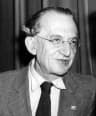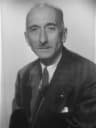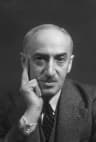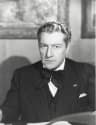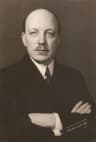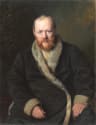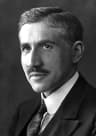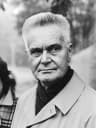
Tug'ilgan
April 12, 1885
Paris, France
Vafot etgan
October 25, 1941
Montpellier, France
Mashhur bo'lgan
French painter
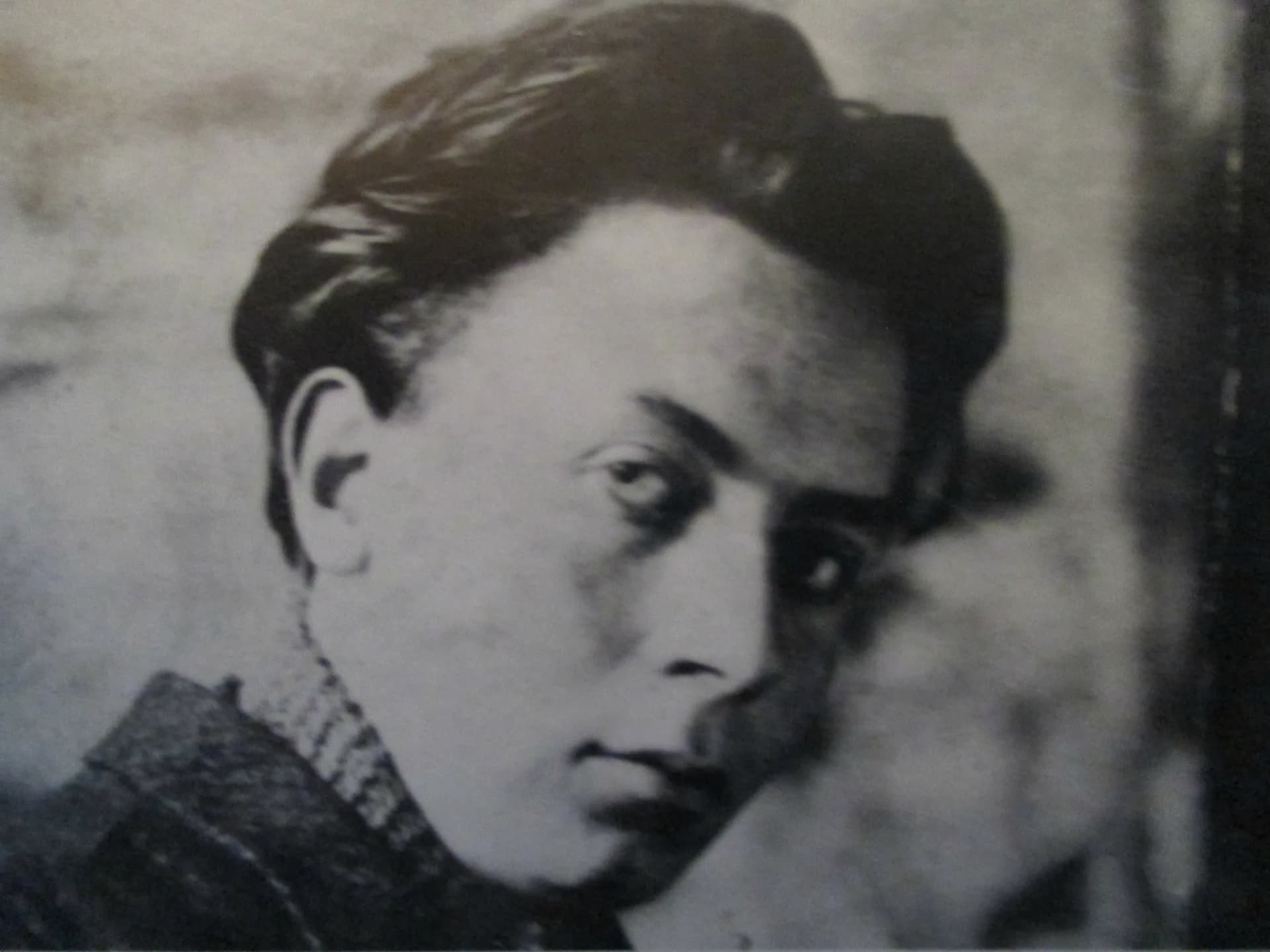
Robert Delaunay (1885–1941) was a French painter who co-founded the Orphism art movement, known for bold colors and geometric shapes. His revolutionary approach to pure color and abstraction helped define modern art. His influence continues in contemporary artistic practice.
Bob
Hayot bo'limlari
Bob 1 · 1885· 7 bobdan 1-bobi
Early Life and Origins
Born on April 12, 1885, in Paris, France, Robert Delaunay entered the world during a time of artistic revolution in his native city. Paris was becoming the epicenter of modern art, and young Delaunay would grow up surrounded by the creative energy that defined the fin de siècle period. The cultural atmosphere of Paris in the late 19th century provided the perfect backdrop for a future artist who would challenge traditional approaches to painting.
Bob 2· 7 bobdan 2-bobi
Career Beginnings
Delaunay's artistic journey began as part of the School of Paris movement, which brought together artists from various backgrounds who were united in their desire to break from conventional artistic traditions. His early works showed an immediate fascination with color and form that would become his signature. He began experimenting with ways to use pure color to create depth and movement, moving away from traditional representational techniques that had dominated European painting for centuries.
Bob 3· 7 bobdan 3-bobi
Major Achievements and Career Highlights
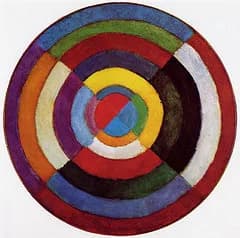
The most significant achievement of Delaunay's career was co-founding the Orphism art movement with his wife Sonia Delaunay and other like-minded artists. This movement was characterized by its use of strong colors and geometric shapes, creating a new visual language that emphasized the emotional and spiritual power of pure color. Delaunay's approach to painting evolved throughout his career, with his later works becoming increasingly abstract as he pushed the boundaries of what painting could express.
His key influence on modern art related directly to his bold use of color and his clear love of experimentation with both depth and tone. Delaunay proved that color alone could create form, space, and emotion without relying on traditional drawing or perspective techniques.
Bob 4 · 1910· 7 bobdan 4-bobi
Notable Works and Contributions
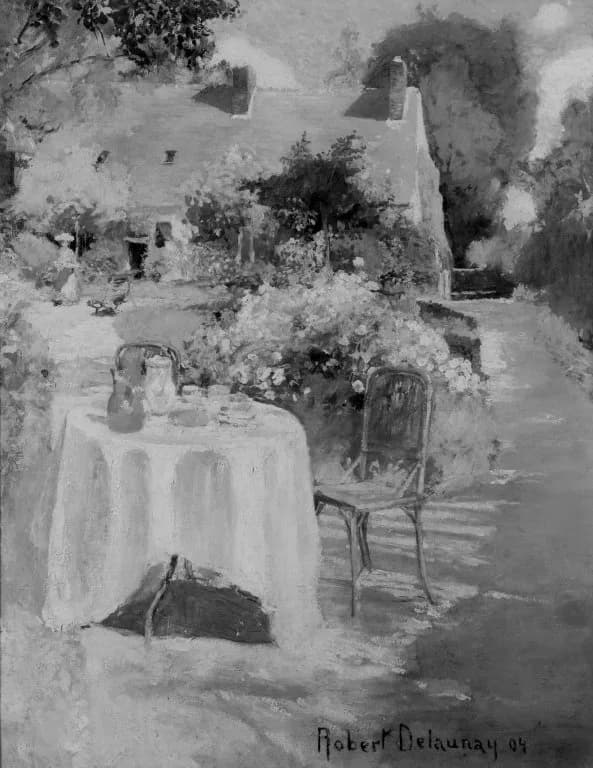
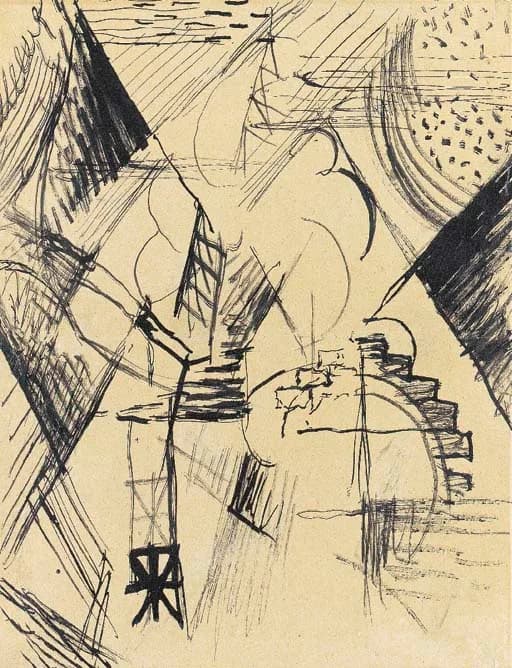
Among Delaunay's most celebrated works are his series featuring the Eiffel Tower, including "The Eiffel Tower and Curtain" (1910) and "Champs de Mars: The Red Tower" (1911/23), which transformed the iconic Parisian landmark into studies of color and light. His "Saint-Severin" series from 1909 and 1926 demonstrated his evolving style over nearly two decades. Other significant pieces include "Homage to Blériot" (c. 1914), celebrating early aviation, and "La Place de l'Etoile" (1926), capturing the energy of Parisian street life.
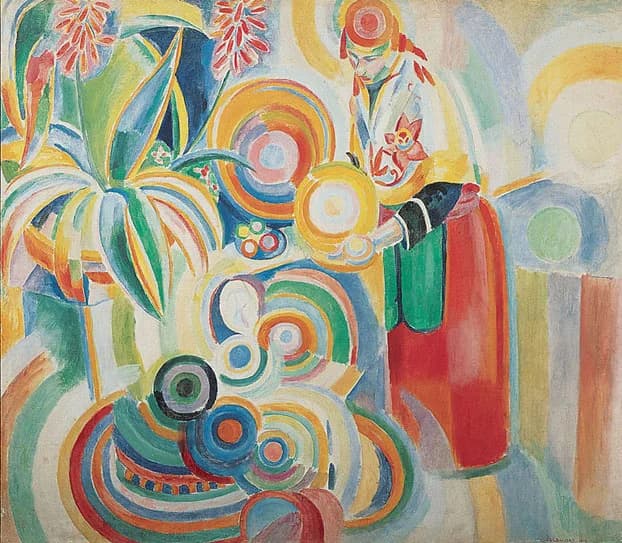
Delaunay also worked as a theatre designer, creating works such as "Stage Design for Cleopatra" (ca. 1918), which brought his colorful aesthetic to the performing arts. His "Study for Portuguese Woman Pouring" (ca. 1915–16) and "Arrival of the Morning (La Relève du Matin)" (1928) showcase his ability to find beauty and meaning in everyday subjects through his unique visual approach.
Bob 5· 7 bobdan 5-bobi
Personal Life
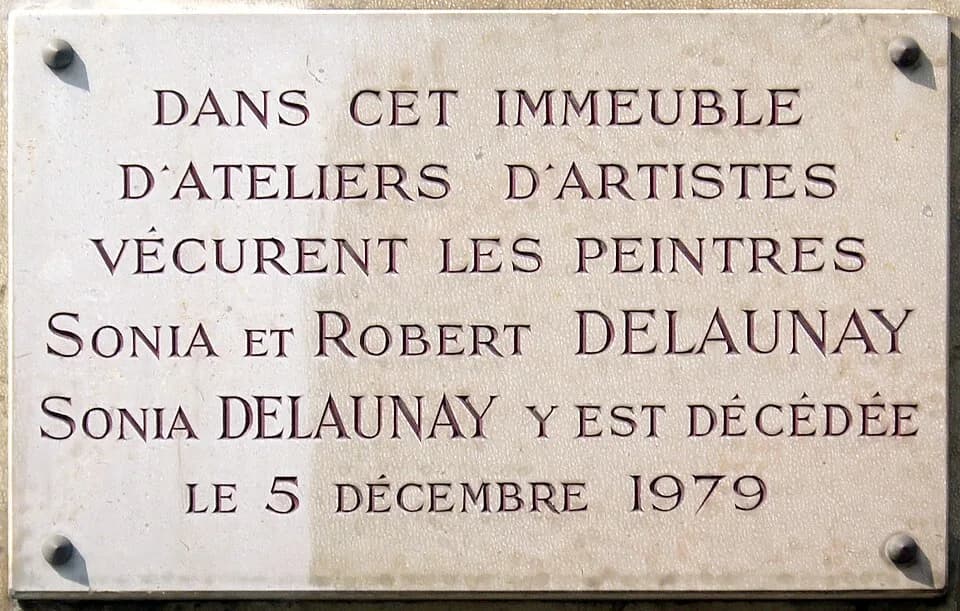
Delaunay's marriage to Sonia Delaunay created one of art history's most productive partnerships. Together, they developed the theoretical foundations of Orphism and supported each other's artistic development. Their collaboration extended beyond their personal relationship to become a true artistic alliance that influenced the direction of modern art. The couple shared not only a life together but also a vision of art's potential to express pure emotion through color and form.
Bob 6 · 1941· 7 bobdan 6-bobi
Later Years
Throughout the 1920s and 1930s, Delaunay continued to refine his approach to abstract painting, moving further away from representational subjects toward pure abstraction. His later works showed an increasing confidence in color as the primary means of artistic expression. He continued working and exhibiting until his death on October 25, 1941, in Montpellier, France, leaving behind a body of work that had fundamentally changed how artists thought about color and abstraction.
Bob 7· 7 bobdan 7-bobi
Legacy and Impact
Robert Delaunay's influence on modern art extends far beyond his own paintings. The Orphism movement he helped create opened new possibilities for abstract art and demonstrated that painting could move beyond representation to become pure visual music. His theories about simultaneous contrast and the emotional power of color influenced generations of artists who followed. Museums worldwide, including the Metropolitan Museum of Art and the Art Institute of Chicago, continue to display his works, ensuring that new generations can experience his revolutionary approach to painting. His legacy lives on in the continued exploration of color and abstraction in contemporary art.
Hayot lahzalarda
Hayotni shakllantirgan lahzalar
FAQ
Tez-tez beriladigan savollar
Robert Delaunay qachon vafot etdi?
Robert Delaunay 25-oktabr, 1941 sanasida Montpellier, Franceda, 56 yoshida vafot etdi.
Robert Delaunay qayerda tug'ilgan?
Robert Delaunay Paris, Franceda 12-aprel, 1885 sanasida tug'ilgan.
Robert Delaunay ko'proq nima bilan mashhur?
Robert Delaunay ko'proq French painter bilan mashhur.
Robert Delaunay vafot etganda necha yoshda edi?
Robert Delaunay vafot etganda 56 yoshda edi.
Robert Delaunay qaysi millat vakili edi?
Robert Delaunay Francedan edi.
Xronologiya
Hayotga bir nazar
Foto galereya
Rasmlardagi hayot
Kattalashtirish uchun istalgan suratni bosing · 25 ta rasm
QR kod
Ushbu tarjimai holni ulashish
Chop etish va ulashish
Ushbu tarjimai hol sahifasiga tashrif buyurish uchun skanerlang. Tadbirlar, ko'rgazmalar yoki ta'lim materiallari uchun chop eting.