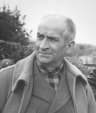
Tug'ilgan
July 31, 1919
Turin, Italy
Vafot etgan
April 11, 1987
Turin, Italy
Mashhur bo'lgan
Italian chemist, partisan, Holocaust survivor, and writer
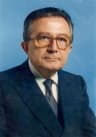
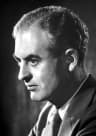
Primo Levi (1919–1987) was Italy best known for Italian chemist, partisan, Holocaust survivor, and writer.
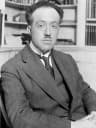
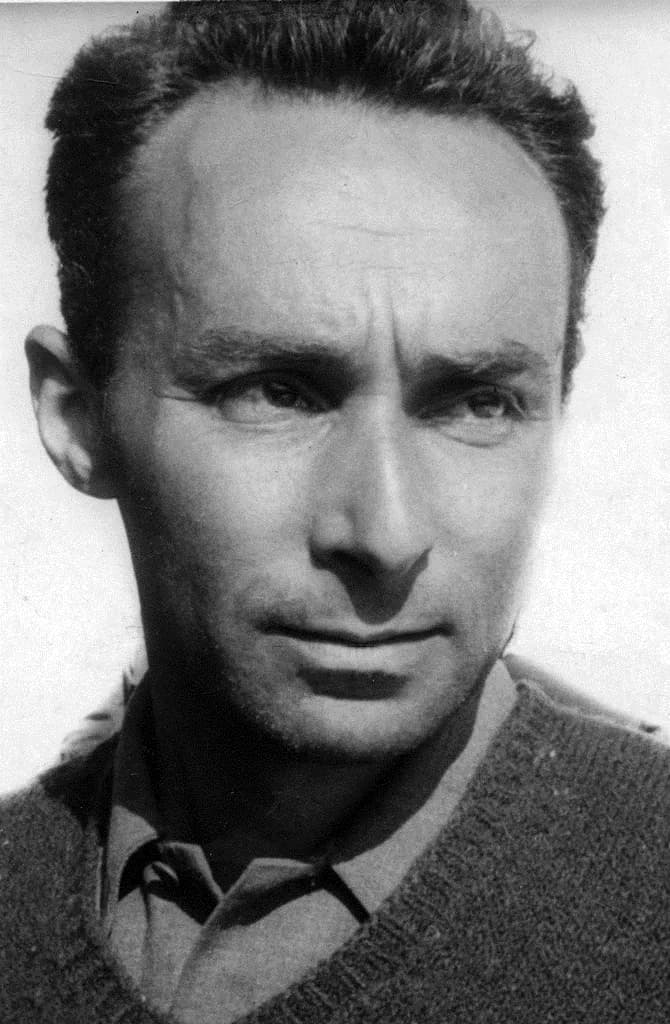
Primo Michele Levi (1919-1987) was an Italian chemist, Holocaust survivor, and writer from Turin. His memoir "If This Is a Man" and "The Periodic Table" became essential works of Holocaust testimony and science writing. His unique combination of scientific precision and literary artistry made him one of the most important voices of 20th-century testimonial literature.
Bob
Hayot bo'limlari
Bob 1 · 1919· 7 bobdan 1-bobi
Early Life and Origins
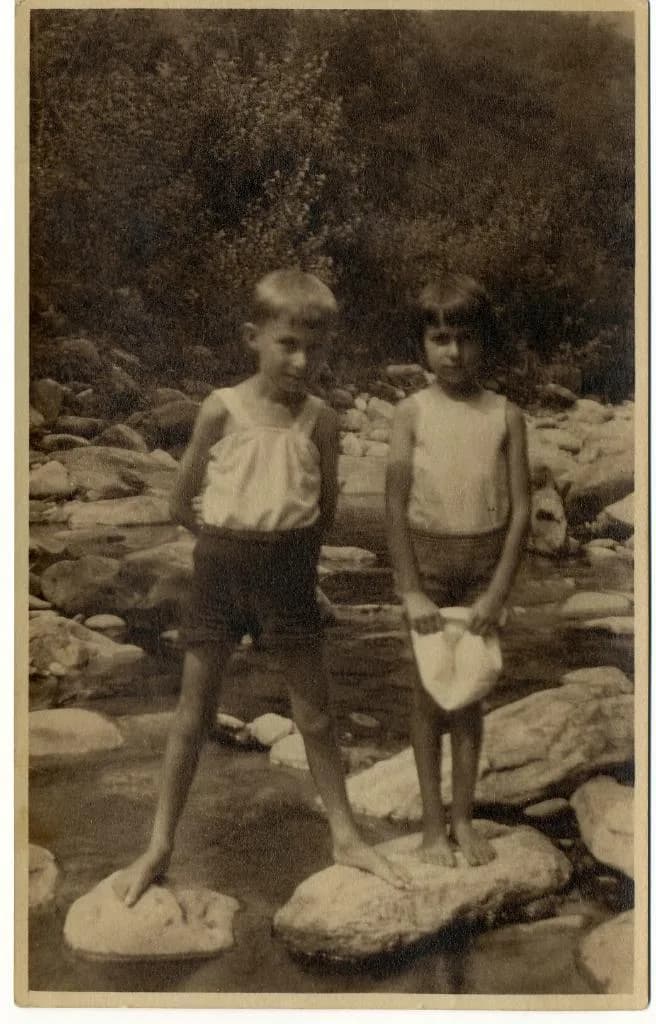
Born on July 31, 1919, in Turin, Italy, Primo Michele Levi grew up in a middle-class Jewish family in the Piedmont region. Turin, with its rich intellectual tradition and industrial heritage, provided the backdrop for his formative years. His early education reflected the rigorous academic standards of Italian schooling, where he developed both his scientific aptitude and literary sensibilities. Despite the growing anti-Semitic sentiment in Mussolini's Italy, Levi pursued his studies with determination and excellence.
Levi's academic path led him to chemistry, a discipline that would later provide both practical survival skills and rich metaphorical material for his writing. He completed his degree in chemistry at the University of Turin in 1941, even as racial laws increasingly restricted Jewish participation in Italian academic and professional life. This scientific training would prove crucial not only for his professional career but also as a lens through which he would later examine human nature and experience.
Bob 2 · 1943· 7 bobdan 2-bobi
War Years and Auschwitz Experience
The German occupation of Italy in 1943 dramatically altered Levi's life trajectory. He joined a partisan group in the mountains but was captured by fascist militia in December 1943. Initially imprisoned as a partisan, he was later deported to Auschwitz concentration camp in February 1944 as part of the systematic persecution of Italian Jews. His prisoner number, 174517, became an indelible part of his identity and later appeared in his writings.
Levi's survival in Auschwitz was aided by his chemistry knowledge, which led to his assignment to work in a synthetic rubber factory. This relatively protected position, combined with his remarkable mental resilience and small acts of human solidarity, helped him survive until the camp's liberation by Soviet forces in January 1945. The months-long journey back to Italy through war-torn Eastern Europe provided additional material for his future literary work.
Bob 3 · 1945· 7 bobdan 3-bobi
Return to Turin and Career Beginnings
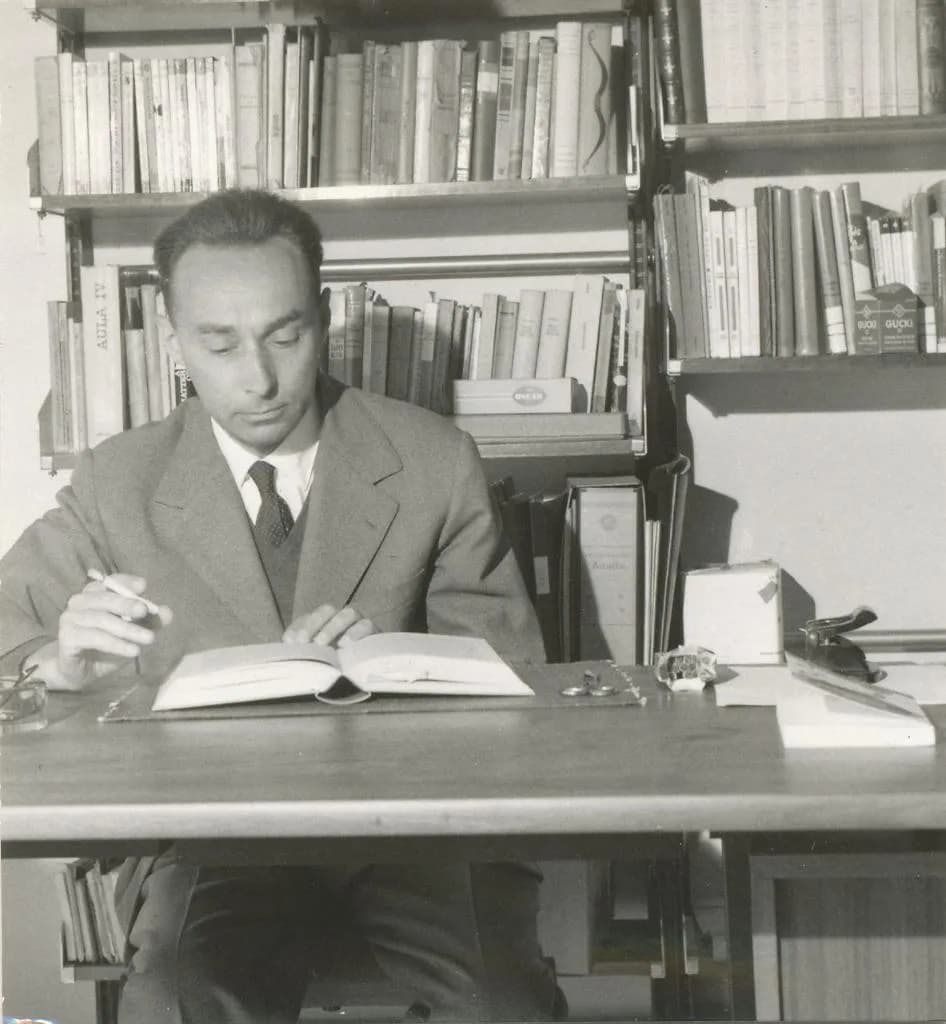
After returning to Turin in October 1945, Levi resumed his career as a chemist while simultaneously beginning to process his camp experiences through writing. He found work at a paint and varnish factory, where he would remain for most of his professional career, eventually becoming the company's general manager. This dual existence as industrial chemist and emerging writer characterized much of his adult life.
Almost immediately upon his return, Levi began writing about his Auschwitz experience, driven by an urgent need to bear witness to what he had seen and endured. His first attempts to share his story met with indifference from a society eager to move past the war's trauma. However, his persistence in documenting these experiences would eventually transform him from survivor to literary witness.
Bob 4 · 1947· 7 bobdan 4-bobi
Major Literary Achievements
Levi's breakthrough came with the publication of "Se questo è un uomo" (If This Is a Man) in 1947, his detailed account of life in Auschwitz. Though initially met with limited interest, the book would later be recognized as one of the most important Holocaust memoirs ever written. The work combined scientific precision with literary artistry, creating a testimony that was both deeply personal and universally human.
His 1975 work "The Periodic Table" brought Levi international recognition beyond Holocaust literature. This collection of autobiographical short stories, each named after a chemical element, demonstrated his unique ability to weave together science, memory, and narrative. The Royal Institution's designation of it as the best science book ever written confirmed Levi's position as a writer who could bridge the gap between scientific and literary cultures.
"La tregua" (The Truce), his account of his long journey home from Auschwitz, further established his reputation as a master of both historical testimony and literary craft. These works, along with his essays, poems, and later writings, created a substantial body of literature that examined not only the Holocaust but broader questions of human nature, memory, and moral responsibility.
Bob 5 · 1947· 7 bobdan 5-bobi
Personal Life and Dual Career
Throughout his literary success, Levi maintained his career as a chemist, working at the same Turin paint factory for decades. This dual identity as scientist and writer was central to his worldview and creative output. He married Lucia Morpurgo in 1947, and they raised two children while he balanced his industrial career with his growing reputation as a writer and public intellectual.
Levi's approach to both chemistry and writing reflected his belief in precision, clarity, and the power of careful observation. His scientific training influenced his literary style, which was marked by clear, unadorned prose and careful attention to detail. This combination of scientific rigor and literary sensitivity made his testimony particularly compelling and trustworthy.
Bob 6· 7 bobdan 6-bobi
Later Years and Continued Writing
As Levi aged, he continued writing essays, stories, and reflections that expanded beyond his Holocaust experience to examine contemporary issues and universal human questions. His later works included science fiction stories, translations, and philosophical essays that demonstrated the breadth of his intellectual interests. He remained active as a public speaker and commentator on issues of memory, justice, and human rights.
His final major work, "I sommersi e i salvati" (The Drowned and the Saved), published shortly before his death, offered his most mature reflections on the Holocaust and its aftermath. This book addressed difficult questions about survival, complicity, and the nature of evil with the wisdom of four decades of reflection. Levi died in Turin on April 11, 1987, in circumstances that remain a subject of debate among scholars and biographers.
Bob 7· 7 bobdan 7-bobi
Legacy and Impact
Primo Levi's influence extends far beyond Holocaust literature to encompass science writing, memoir, and moral philosophy. His ability to combine scientific thinking with literary artistry created a unique voice in 20th-century literature. His works have been translated into dozens of languages and continue to be widely read in schools and universities worldwide.
His approach to bearing witness—combining rigorous factual accuracy with deep humanity—established a model for testimonial literature that continues to influence writers and thinkers. The Primo Levi Center in New York and various academic programs dedicated to his work ensure that his intellectual legacy remains active in contemporary discussions about memory, ethics, and the power of literature to preserve and transmit crucial human experiences.
Hayot lahzalarda
Hayotni shakllantirgan lahzalar
FAQ
Tez-tez beriladigan savollar
Primo Levi qachon vafot etdi?
Primo Levi 11-aprel, 1987 sanasida Turin, Italyda, 67 yoshida vafot etdi.
Primo Levi qayerda tug'ilgan?
Primo Levi Turin, Italyda 31-iyul, 1919 sanasida tug'ilgan.
Primo Levi ko'proq nima bilan mashhur?
Primo Levi ko'proq Italian chemist, partisan, Holocaust survivor, and writer bilan mashhur.
Primo Levi vafot etganda necha yoshda edi?
Primo Levi vafot etganda 67 yoshda edi.
Primo Levi qaysi millat vakili edi?
Primo Levi Italydan edi.
Xronologiya
Hayotga bir nazar
Foto galereya
Rasmlardagi hayot
Kattalashtirish uchun istalgan suratni bosing · 44 ta rasm
QR kod
Ushbu tarjimai holni ulashish
Chop etish va ulashish
Ushbu tarjimai hol sahifasiga tashrif buyurish uchun skanerlang. Tadbirlar, ko'rgazmalar yoki ta'lim materiallari uchun chop eting.