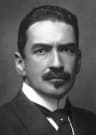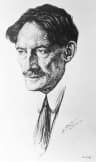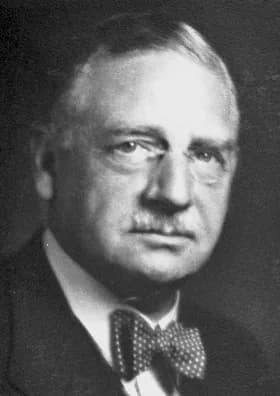
Tug'ilgan
June 3, 1873
Frankfurt, Francia
Vafot etgan
December 25, 1961
New York City, United States
Mashhur bo'lgan
Jewish-German pharmacologist
Otto Loewi (1873–1961) was Francia best known for Jewish-German pharmacologist.
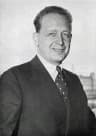
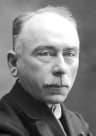
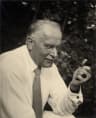
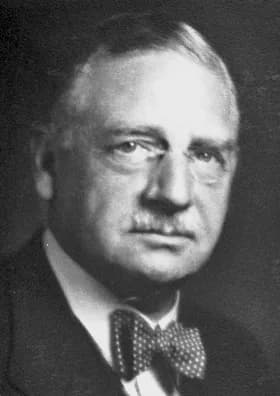
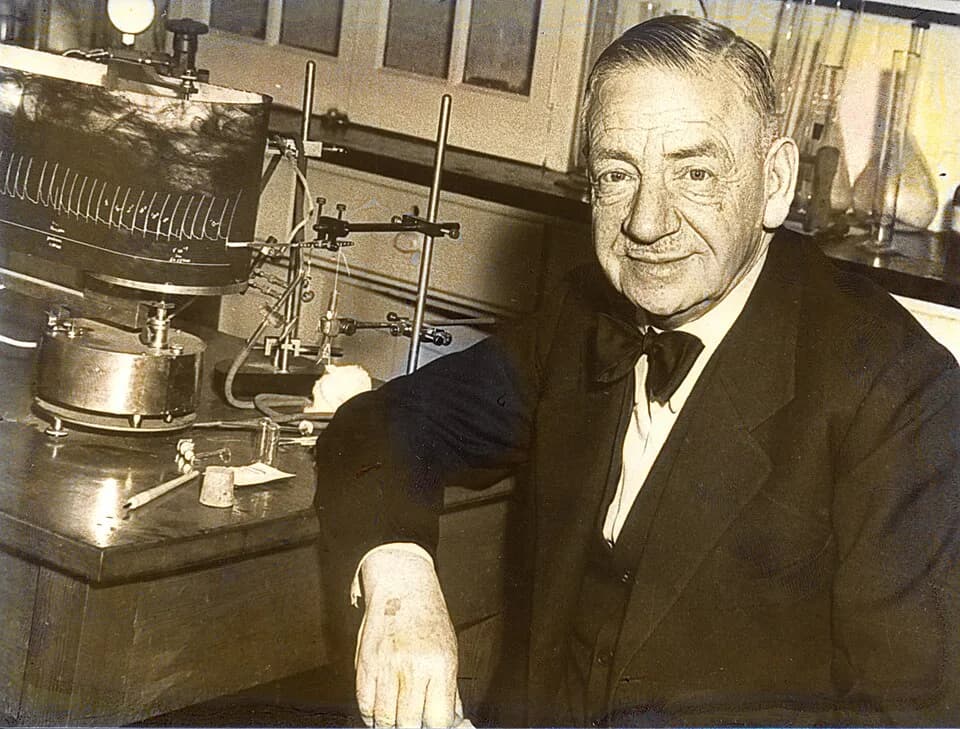
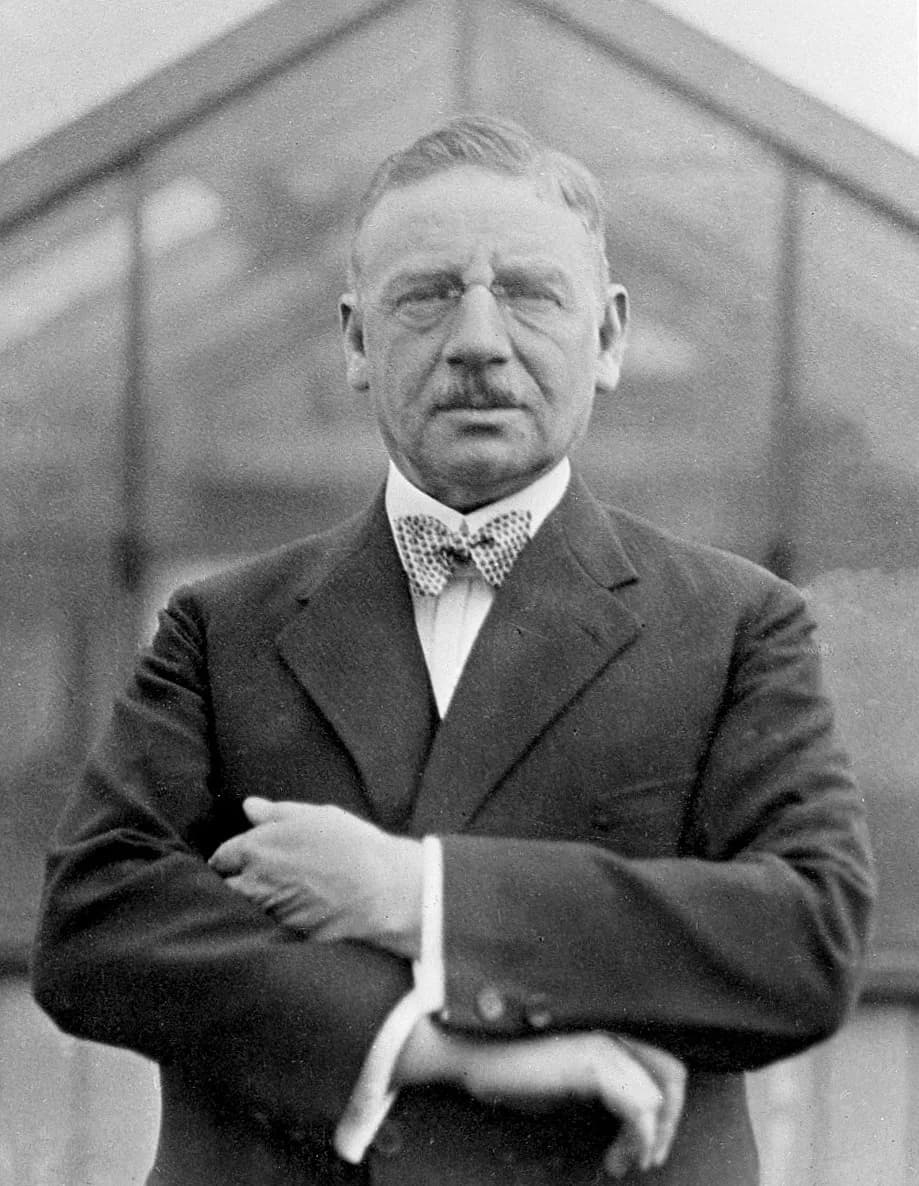
Otto Loewi (June 3, 1873 – December 25, 1961) was a Jewish-German pharmacologist. He discovered acetylcholine's role as an endogenous neurotransmitter, for which he won the Nobel Prize. His work fundamentally changed our understanding of nerve impulses.
Bob
Hayot bo'limlari
Bob 1 · 1873· 6 bobdan 1-bobi
Early Life and Origins
Born on June 3, 1873, in Frankfurt, which was then part of Francia, Otto Loewi's early environment set the stage for a lifetime dedicated to science. While specific family details are not provided, his origins in a central European city suggest access to educational opportunities. He pursued studies that prepared him for a career in pharmacy and medical research.
Bob 2 · 1902· 6 bobdan 2-bobi
Career Beginnings
Loewi began his professional path as a pharmacist, gaining practical experience that would prove valuable in his future scientific endeavors. He also dedicated himself to academic work as a university teacher, sharing his expertise with students. A significant connection formed in 1902 when he met Sir Henry Dale during a period spent in Ernest Starling's laboratory at University College, London. This meeting marked the beginning of a lasting friendship and a scientific collaboration that would yield significant results.
Bob 3 · 1921· 6 bobdan 3-bobi
Major Achievements and Career Highlights
The crowning achievement of Otto Loewi's career was his significant discovery regarding the role of acetylcholine as an endogenous neurotransmitter. This revolutionary finding, which occurred in 1921, provided definitive proof that nerve impulses transmit chemically across synapses. His meticulous experiments demonstrated the precise mechanism by which the nervous system relays messages.
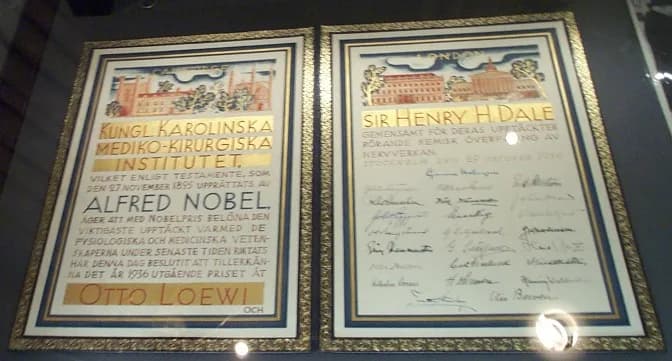
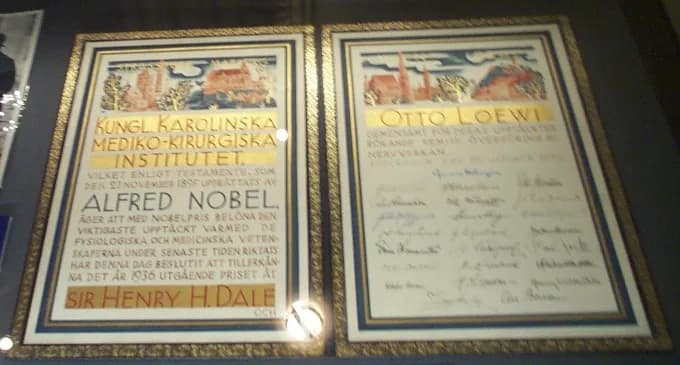
For this monumental contribution to science, Loewi was awarded the Nobel Prize in Physiology or Medicine in 1936. He shared this prestigious honor with his lifelong friend, Sir Henry Dale. Their combined efforts and mutual inspiration led to a fundamental shift in understanding neurological function.
Bob 4 · 2005· 6 bobdan 4-bobi
Notable Works or Contributions
Otto Loewi's commitment to scientific inquiry resulted in a substantial body of work, with 94 published papers and an h-index of 14. His academic contributions are particularly recognized for their insights into chemical communication in the nervous system. A central piece of his research was detailed in "Über humorale übertragbarkeit der Herznervenwirkung" (published in 2005, with 65 citations).
Other significant publications further explored the nuances of his discoveries. These include "Fermentative Azetylcholinspaltung im Blut und ihre Hemmung durch Physostigmin" (published in 2005, with 25 citations) and "Weitere Untersuchungen Über Humorale Übertragbarkeit der Herznervenwirkungen" (published in 2005, with 2 citations). These works provided crucial details about enzymatic acetylcholine breakdown and nerve impulse transmission, solidifying the foundation of neuropharmacology.
Bob 5 · 1961· 6 bobdan 5-bobi
Later Years
Otto Loewi lived a long and impactful life, continuing to witness and contribute to scientific progress. He passed away on December 25, 1961, in New York City, United States. His later years were spent in a different country than his birth, reflecting the global reach of his scientific influence and the changing world events of the 20th century.
Bob 6· 6 bobdan 6-bobi
Legacy and Impact
The legacy of Otto Loewi endures as a cornerstone of modern biology and medicine. His demonstration of chemical neurotransmission transformed our understanding of how living organisms function. This discovery laid the essential groundwork for future research in neuropharmacology and the treatment of neurological conditions.
Today, the principles Loewi established are fundamental to studying the brain and developing new therapies. His work continues to inspire scientists and reminds us of the power of meticulous observation and experimental rigor in advancing human knowledge. The "vagusstoff" experiment, a key part of his research, remains a classic example of scientific elegance.
Hayot lahzalarda
Hayotni shakllantirgan lahzalar

FAQ
Tez-tez beriladigan savollar
Otto Loewi qachon vafot etdi?
Otto Loewi 25-dekabr, 1961 sanasida New York City, United Statesda, 88 yoshida vafot etdi.
Otto Loewi qayerda tug'ilgan?
Otto Loewi Frankfurt, Franciada 3-iyun, 1873 sanasida tug'ilgan.
Otto Loewi ko'proq nima bilan mashhur?
Otto Loewi ko'proq Jewish-German pharmacologist bilan mashhur.
Otto Loewi vafot etganda necha yoshda edi?
Otto Loewi vafot etganda 88 yoshda edi.
Otto Loewi qaysi millat vakili edi?
Otto Loewi Franciadan edi.
Xronologiya
Hayotga bir nazar
Foto galereya
Rasmlardagi hayot
Kattalashtirish uchun istalgan suratni bosing · 23 ta rasm
QR kod
Ushbu tarjimai holni ulashish
Chop etish va ulashish
Ushbu tarjimai hol sahifasiga tashrif buyurish uchun skanerlang. Tadbirlar, ko'rgazmalar yoki ta'lim materiallari uchun chop eting.