Tug'ilgan
November 3, 1928
Toyonaka, Japan
Vafot etgan
February 9, 1989
Hanzomon Hospital, Japan
Mashhur bo'lgan
Japanese cartoonist and animator
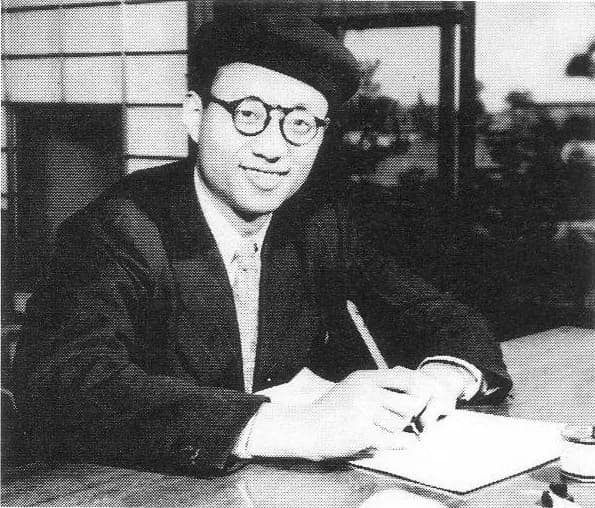
Osamu Tezuka (1928–1989) was Japan best known for Japanese cartoonist and animator.
Osamu Tezuka (November 3, 1928 – February 9, 1989) was a Japanese cartoonist and animator. He is widely celebrated as "the Father of Manga" for his prolific output, pioneering techniques, and innovative redefinitions of genres. His enduring influence shaped the global landscape of comics and animation.
Bob
Hayot bo'limlari
Bob 1 · 1928· 6 bobdan 1-bobi
Early Life and Origins
Osamu Tezuka began his life in Toyonaka, Japan, a place that would foster the early sparks of his creative genius. Born in 1928, his formative years were spent amidst a rapidly changing world, which undoubtedly influenced his imaginative narratives. His early experiences laid the foundation for a career that would redefine entire genres of art and entertainment.
Bob 2· 6 bobdan 2-bobi
Career Beginnings
Tezuka's journey into the world of comics and animation was heavily inspired by the pioneering efforts of Walt Disney, whom he considered a major influence during his formative years. This early admiration for Disney's craft spurred Tezuka to develop his own distinctive style and approach. He began honing his skills, transitioning from an inspired enthusiast to a burgeoning professional artist.
Beyond his artistic pursuits, Osamu Tezuka also pursued and achieved the title of physician, a profession that speaks to his multifaceted talents and intellectual curiosity. While he ultimately dedicated his life primarily to creative endeavors, his background as a physician highlights a unique breadth of knowledge and perspective he brought to his storytelling, often exploring themes of humanity, science, and morality.
Bob 3· 6 bobdan 3-bobi
Major Achievements and Career Highlights
Osamu Tezuka's impact on Japanese popular culture is immense, earning him revered titles such as "the Father of Manga," "the Godfather of Manga," and even "the god of Manga." These honorifics reflect his unparalleled influence and the revolutionary nature of his work. His prolific output alone was a monumental achievement, consistently delivering new stories and artistic innovations.
He was celebrated for his pioneering techniques in both manga and animation, introducing narrative structures and visual styles that became foundational for future generations of artists. Tezuka's innovative redefinitions of genres expanded what comics and animation could achieve, pushing boundaries and demonstrating the medium's potential for complex, literary storytelling. His artistic vision transformed a burgeoning industry into a global phenomenon.
Bob 4· 6 bobdan 4-bobi
Notable Works or Contributions
Among Osamu Tezuka's vast bibliography, several works stand out as quintessential examples of his genius. Series such as Pluto, encompassing volumes like Pluto, Vol. 1 through Pluto, Vol. 5, showcased his ability to craft compelling narratives with profound depth. These works often explored philosophical themes within exciting, accessible formats.
Another iconic creation was Astro Boy (also known by its Japanese title, Tetsuwan Atom), represented in the collection Astro Boy Nº 01/07, which captivated audiences worldwide and became one of his most recognizable characters. Other significant contributions include Buda nº 09/10 and Fénix nº 09/12, which exemplify his diverse range and his willingness to tackle epic and spiritual themes. These titles, alongside others like 手塚治虫集 and 手塚治虫小說集, demonstrate his mastery across various forms of sequential art and narrative.
Bob 5 · 1989· 6 bobdan 5-bobi
Later Years
Osamu Tezuka continued his tireless work, contributing significantly to the fields of manga and animation throughout his later years. His dedication to his craft remained unwavering, with a consistent output that inspired and entertained. He passed away on February 9, 1989, at Hanzomon Hospital in Japan, leaving behind an artistic legacy that continues to flourish.
Bob 6· 6 bobdan 6-bobi
Legacy and Impact
The enduring legacy of Osamu Tezuka is evident in the global reach and artistic sophistication of modern manga and anime. He fundamentally transformed the entertainment landscape, not just in Japan but around the world. His influence can be seen in countless artists, storytellers, and animators who followed in his footsteps, building upon the foundations he so expertly laid.
Tezuka's prolific output, combined with his visionary storytelling and technical innovations, ensures that his work remains relevant and revered. He elevated the perception of comics and animation from mere children's entertainment to a respected art form capable of addressing complex human emotions and societal issues. His innovative spirit and dedication to pushing creative boundaries continue to inspire new generations to explore the vast potential of visual narrative.
Hayot lahzalarda
Hayotni shakllantirgan lahzalar






FAQ
Tez-tez beriladigan savollar
Osamu Tezuka qachon vafot etdi?
Osamu Tezuka 9-fevral, 1989 sanasida Hanzomon Hospital, Japanda, 60 yoshida vafot etdi.
Osamu Tezuka qayerda tug'ilgan?
Osamu Tezuka Toyonaka, Japanda 3-noyabr, 1928 sanasida tug'ilgan.
Osamu Tezuka ko'proq nima bilan mashhur?
Osamu Tezuka ko'proq Japanese cartoonist and animator bilan mashhur.
Osamu Tezuka vafot etganda necha yoshda edi?
Osamu Tezuka vafot etganda 60 yoshda edi.
Osamu Tezuka qaysi millat vakili edi?
Osamu Tezuka Japandan edi.
Xronologiya
Hayotga bir nazar
Foto galereya
Rasmlardagi hayot
Kattalashtirish uchun istalgan suratni bosing · 35 ta rasm
QR kod
Ushbu tarjimai holni ulashish
Chop etish va ulashish
Ushbu tarjimai hol sahifasiga tashrif buyurish uchun skanerlang. Tadbirlar, ko'rgazmalar yoki ta'lim materiallari uchun chop eting.