Tug'ilgan
October 2, 1869
Porbandar, India
Vafot etgan
January 30, 1948
Gandhi Smriti, India
Mashhur bo'lgan
Indian independence activist
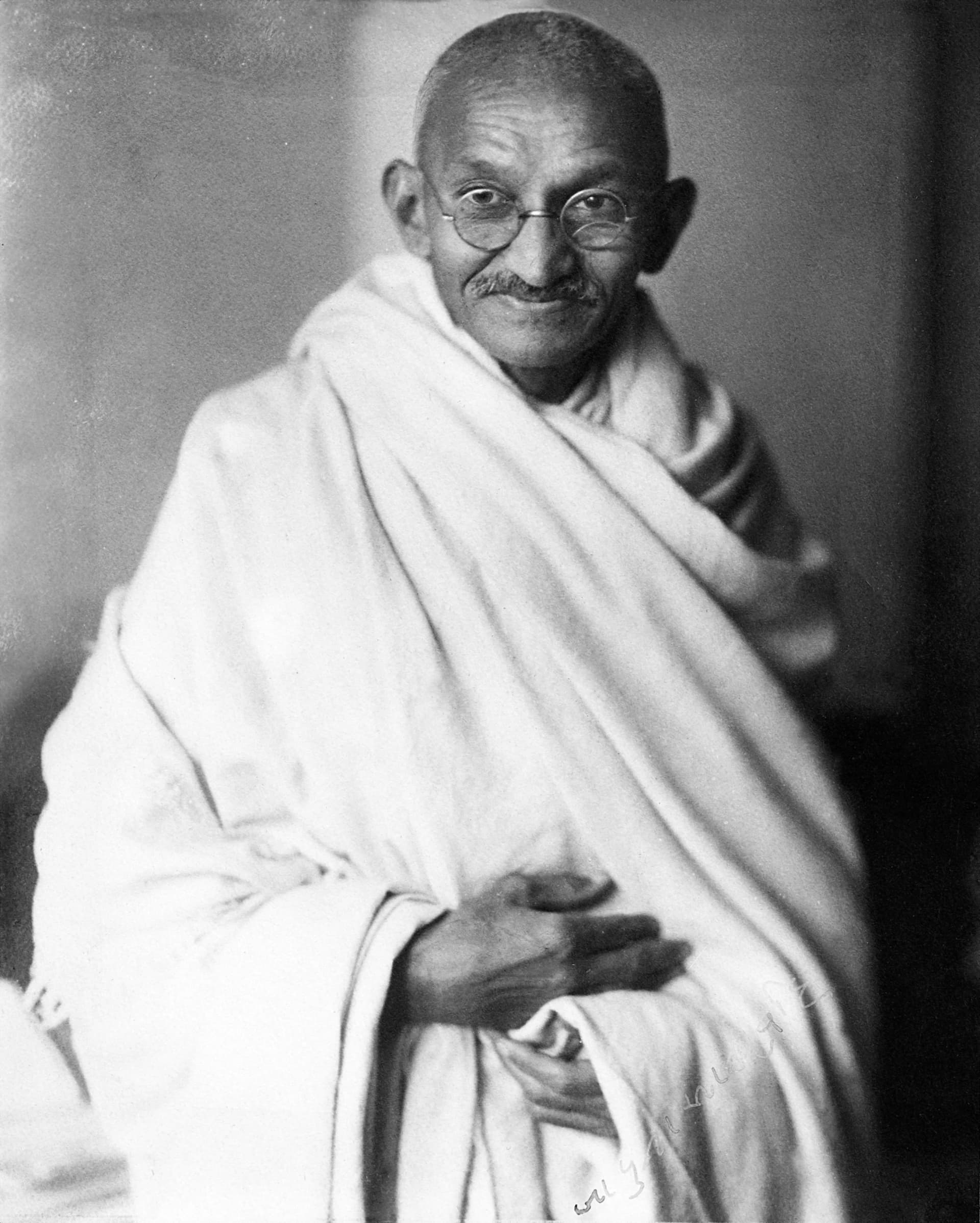
Mahatma Gandhi (1869–1948) was India best known for Indian independence activist.
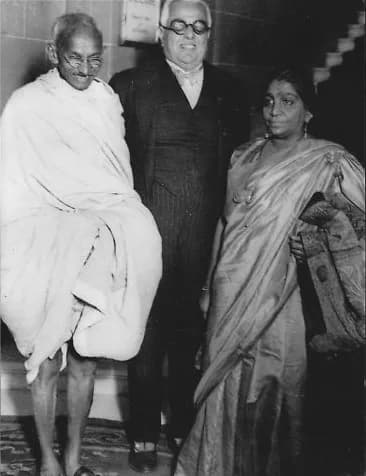
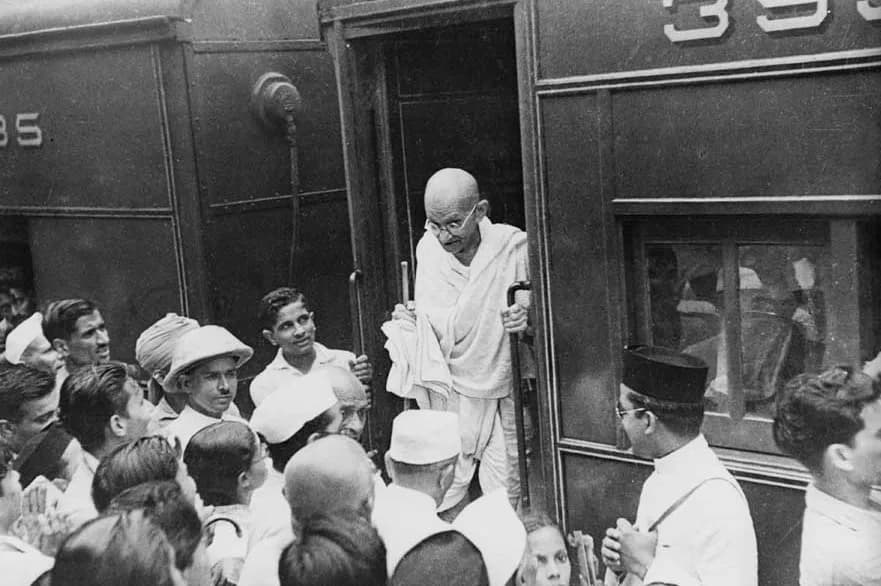
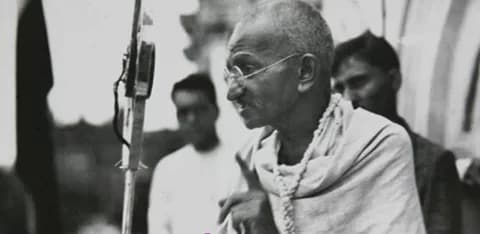
Mohandas Karamchand Gandhi (October 2, 1869 – January 30, 1948) was an Indian lawyer and anti-colonial nationalist. He led India's successful nonviolent campaign for independence from British rule, inspiring global civil rights movements. His philosophy shaped the 20th century.
Bob
Hayot bo'limlari
Bob 1 · 1869· 6 bobdan 1-bobi
Early Life and Origins
Born on October 2, 1869, in the coastal town of Porbandar, India, Mohandas Karamchand Gandhi's early environment deeply influenced his later humanitarian and political convictions. His upbringing instilled in him a strong sense of justice and cultural identity, which would become central to his public life. The experiences of his formative years in Porbandar provided a crucial foundation for his deep understanding of India's diverse society and its aspirations.
Bob 2· 6 bobdan 2-bobi
Career Beginnings
Gandhi's professional career commenced as a barrister, a legal profession that would soon expose him to the widespread injustices of colonial systems. This initial phase of his career provided him with invaluable practical experience and a keen insight into legal frameworks and societal inequalities. It was during these early years that his commitment to civil rights and political advocacy began to crystallize, setting the stage for his transformative global impact.
Bob 3 · 1914· 6 bobdan 3-bobi
Major Achievements and Career Highlights
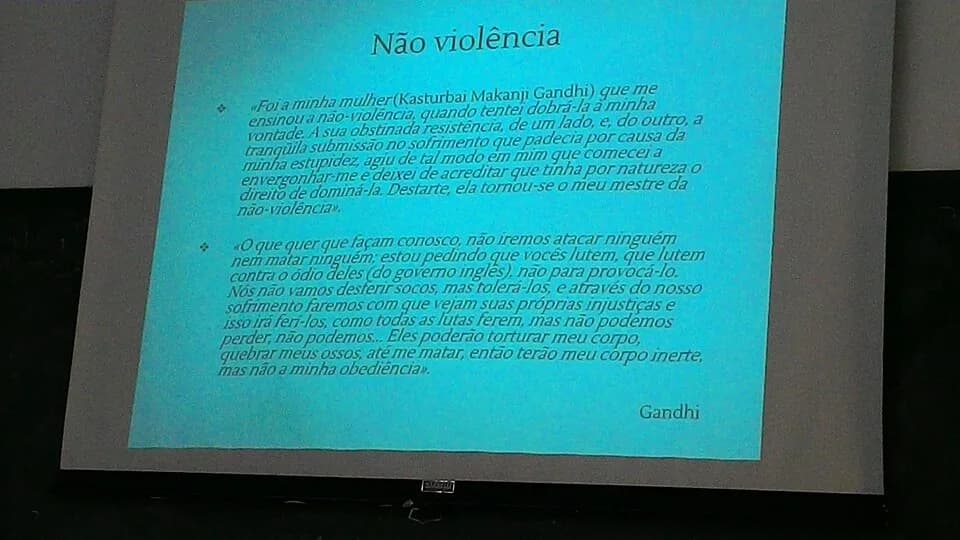
Mahatma Gandhi gained international recognition for his innovative and steadfast application of nonviolent resistance, famously known as Satyagraha. This powerful and morally grounded approach proved instrumental in leading India's successful and historic campaign for independence from British rule. The honorific Mahātmā, which means "Great Soul," was first bestowed upon him in 1914 in South Africa, reflecting the profound reverence and widespread admiration he had already earned for his ethical leadership.
Beyond India's borders, Gandhi's revolutionary advocacy extended to inspire numerous movements dedicated to civil rights and freedom across continents. He served as a deeply influential political ethicist, meticulously guiding vast numbers of individuals and communities toward effective, peaceful protest. His life exemplified the power of moral conviction to challenge entrenched power structures and achieve significant social and political change.
Bob 4· 6 bobdan 4-bobi
Notable Works or Contributions
As a prolific writer, insightful journalist, and profound philosopher, Mahatma Gandhi authored a substantial body of work that articulated his principles and vision for a just society. His extensive bibliography includes "Civil Disobedience - 3 Key Texts," which offers a comprehensive insight into his philosophy of non-cooperation and ethical resistance. Other significant contributions such as "Inspiring Thoughts," "Third Class in Indian Railways," and "Sermon on the Sea" reveal his diverse intellectual interests and his unwavering commitment to societal upliftment.
He also compiled his thoughts and experiences into several comprehensive collections, including "Mahatma Gandhi Books Volume-1" through "Volume-6." These volumes serve as invaluable resources, preserving his extensive writings, speeches, and correspondence, and documenting his journey as a freedom fighter and humanitarian. Through these works, Gandhi continues to educate and inspire generations worldwide.
Bob 5 · 1948· 6 bobdan 5-bobi
Later Years
Throughout his later life, Mahatma Gandhi remained an unwavering peace activist and dedicated humanitarian, tirelessly championing the causes of justice, equality, and inter-community harmony. His final years were intensely focused on consolidating national unity and addressing the pressing social issues within a newly independent India. He passed away on January 30, 1948, at Gandhi Smriti, India, leaving behind an unparalleled legacy of peace and moral courage.
Bob 6· 6 bobdan 6-bobi
Legacy and Impact
The enduring legacy of Mahatma Gandhi is truly global in its reach and its profound influence, extending far beyond the geographical boundaries of India. His transformative philosophy of nonviolent resistance continues to empower and inspire civil rights leaders, freedom fighters, and social justice advocates across the world. The widely recognized honorific Mahātmā is now universally used, standing as a lasting tribute to his universal appeal, his profound wisdom, and his timeless impact on humanity. He remains an eternal symbol of peace, moral resilience, and the undeniable power of truth and conscience in the face of tyranny.
Hayot lahzalarda
Hayotni shakllantirgan lahzalar
FAQ
Tez-tez beriladigan savollar
Mahatma Gandhi qachon vafot etdi?
Mahatma Gandhi 30-yanvar, 1948 sanasida Gandhi Smriti, Indiada, 78 yoshida vafot etdi.
Mahatma Gandhi qayerda tug'ilgan?
Mahatma Gandhi Porbandar, Indiada 2-oktabr, 1869 sanasida tug'ilgan.
Mahatma Gandhi ko'proq nima bilan mashhur?
Mahatma Gandhi ko'proq Indian independence activist bilan mashhur.
Mahatma Gandhi vafot etganda necha yoshda edi?
Mahatma Gandhi vafot etganda 78 yoshda edi.
Mahatma Gandhi qaysi millat vakili edi?
Mahatma Gandhi Indiadan edi.
Xronologiya
Hayotga bir nazar
Foto galereya
Rasmlardagi hayot
Kattalashtirish uchun istalgan suratni bosing · 48 ta rasm
QR kod
Ushbu tarjimai holni ulashish
Chop etish va ulashish
Ushbu tarjimai hol sahifasiga tashrif buyurish uchun skanerlang. Tadbirlar, ko'rgazmalar yoki ta'lim materiallari uchun chop eting.