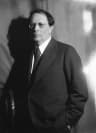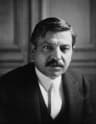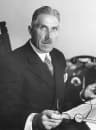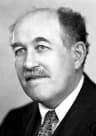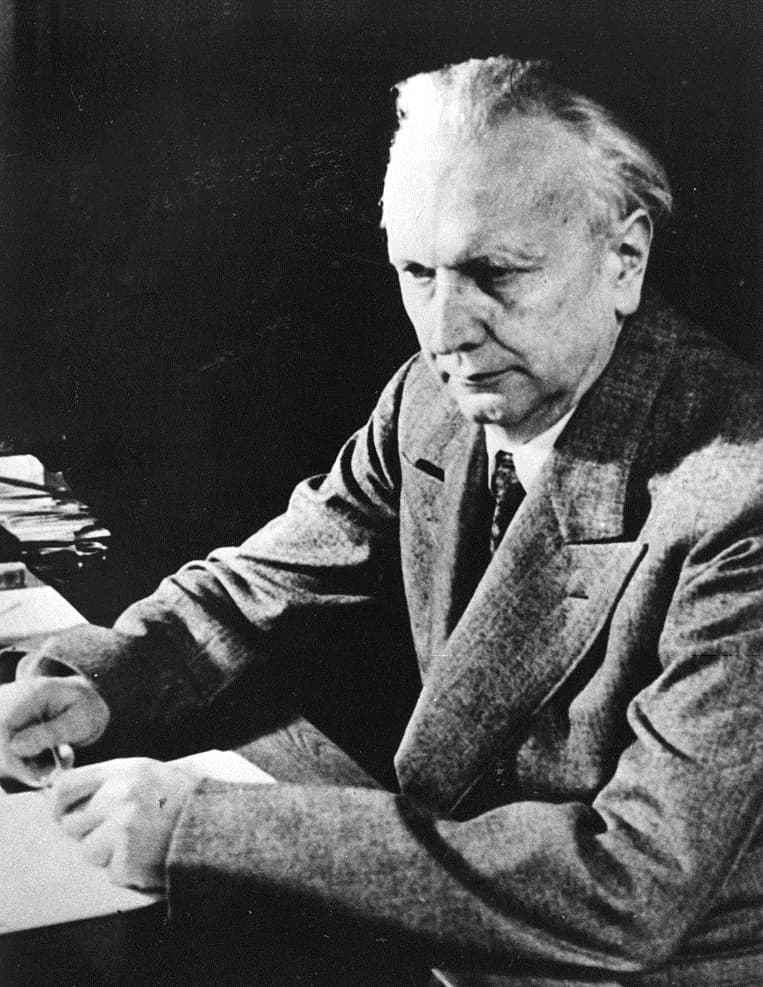
Tug'ilgan
February 23, 1883
Oldenburg, Germany
Vafot etgan
February 26, 1969
Basel, Switzerland
Mashhur bo'lgan
German-Swiss psychiatrist and philosopher
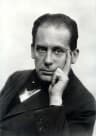
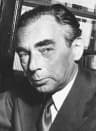
Karl Jaspers (1883–1969) was Germany best known for German-Swiss psychiatrist and philosopher.
Karl Jaspers (February 23, 1883 – February 26, 1969) was a German-Swiss psychiatrist and philosopher from Oldenburg, Germany. His 1913 work, General Psychopathology, significantly influenced diagnostic criteria by distinguishing primary and secondary delusions. Jaspers left an indelible mark on modern theology, psychiatry, and philosophy.
Bob
Hayot bo'limlari
Bob 1 · 1883· 6 bobdan 1-bobi
Early Life and Origins
Karl Theodor Jaspers began his life in Oldenburg, Germany, on February 23, 1883. His early years in Germany laid the foundation for a remarkably diverse and influential career. Although specific details of his family and upbringing are not provided, his later professional trajectory suggests a rigorous academic path.
Jaspers pursued extensive education that equipped him to become a writer, physician, psychiatrist, psychologist, theologian, university teacher, and philosopher. This broad intellectual foundation was instrumental in his unique interdisciplinary approach to understanding the human condition and mental illness.
Bob 2· 6 bobdan 2-bobi
Career Beginnings
Jaspers initially trained as a physician, a profession that directly led him into the emerging field of psychiatry. His medical background provided a practical grounding for his philosophical inquiries into the nature of the mind. This early work as a psychiatrist quickly brought him to prominence within the scientific community.
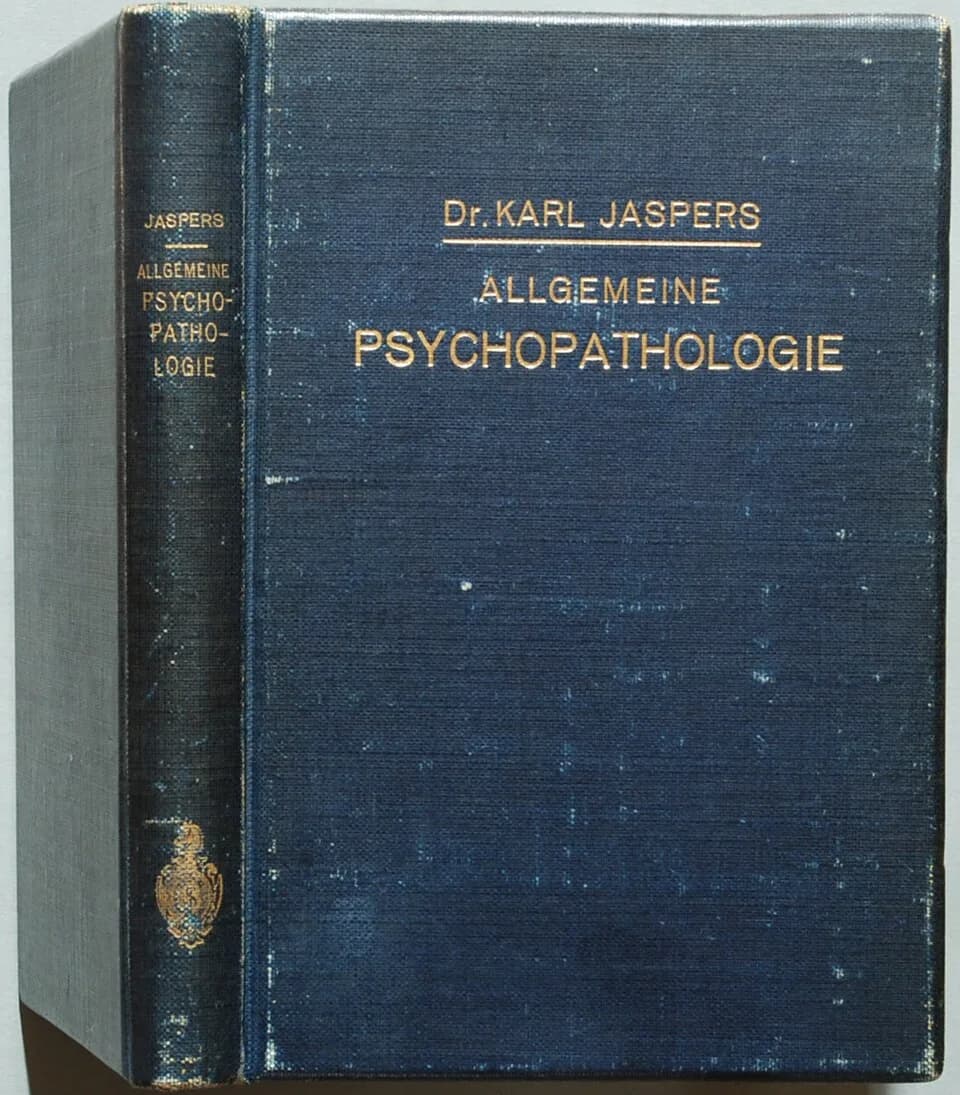
A significant milestone in his early career was the publication of his seminal 1913 work, Allgemeine Psychopathologie, also known as General Psychopathology. This book was highly influential, shaping many later diagnostic criteria for mental health conditions. It notably introduced and argued for a clear distinction between "primary" and "secondary" delusions, a concept that significantly impacted psychiatric thought and practice.
Bob 3· 6 bobdan 3-bobi
Major Achievements and Career Highlights
Throughout his career, Karl Jaspers consistently demonstrated intellectual versatility and a deep commitment to understanding human experience. His work as a German-Swiss psychiatrist and philosopher cemented his reputation as an original thinker. He served as a university teacher, sharing his insights with generations of students across his diverse fields of study.
The widespread influence of his ideas across modern theology, psychiatry, and philosophy stands as a testament to his unique capacity for synthesis and critical thought. His initial contributions in psychopathology provided a foundational text that clinicians and theorists continued to reference. Jaspers’ ability to bridge the scientific rigor of medicine with the abstract reasoning of philosophy was a defining feature of his professional life.
Bob 4· 6 bobdan 4-bobi
Notable Works and Contributions
Karl Jaspers was a prolific writer, contributing many significant works to both philosophy and psychiatry. Among his notable publications is The question of German guilt, a reflective piece addressing critical historical responsibility. His earlier influential work, Allgemeine Psychopathologie, provided a detailed exploration of mental illness and diagnostic frameworks.
His philosophical explorations included Drei Gründer des Philosophierens; Plato, Augustin, Kant, which examined the foundational thinkers of Western philosophy. He also penned works such as VOM EUROPÄISCHEN GEIST and Der wahre Arzt, showcasing his breadth of interest from European identity to the essence of medical practice. Other works like Wo stehen wir heute? and 哲学入門 (Philosophy Introduction) further illustrate his wide-ranging intellectual curiosity and engagement with contemporary issues and foundational philosophical concepts.
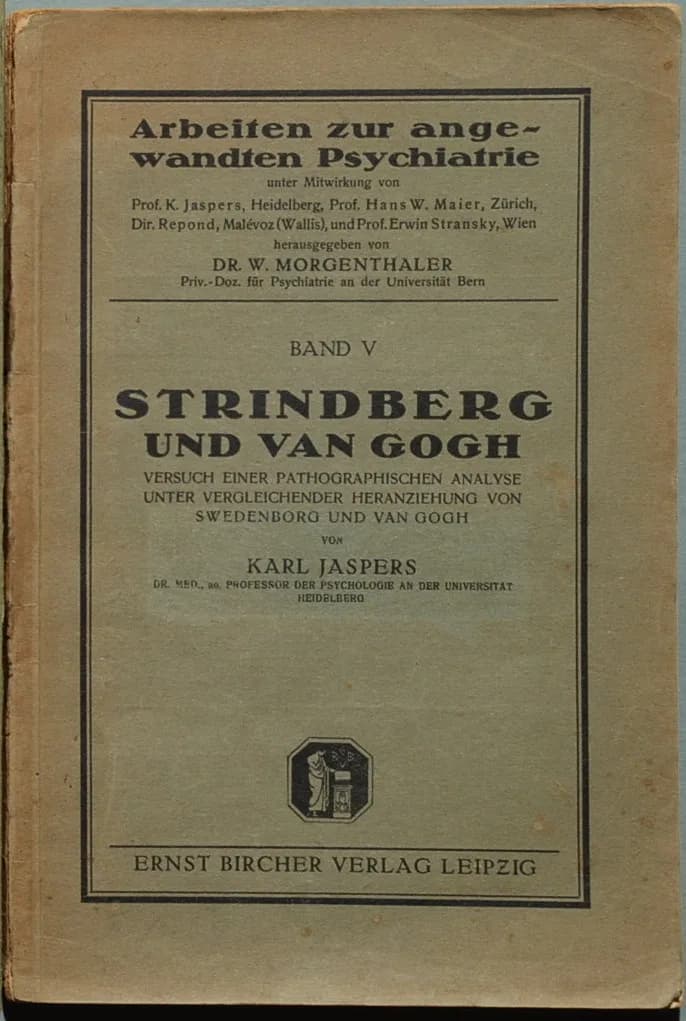
His academic contributions are also well-documented, with an h-index of 5 across 24 papers, reflecting sustained scholarly activity. Key academic works include El problema de la culpa: sobre la responsabilidad política de Alemania, which built upon themes from his earlier work on German guilt. Other impactful papers were Genio artístico y locura: Strindberg y van Gogh and his writings on Lo trágico: ; El lenguaje. He also explored spiritual masters in Los grandes maestros espirituales de oriente y occidente: Buda, Confucio, Lao-Tse, Jesús, Nagarjuna, Agustín, highlighting his interest in comparative religion and spirituality.
Bob 5 · 1969· 6 bobdan 5-bobi
Later Years
As his career progressed, Karl Jaspers continued to shape intellectual discourse until his passing. He ultimately settled in Basel, Switzerland, the place where he died on February 26, 1969, shortly after his 86th birthday. His final years were spent in a country that recognized and supported his academic endeavors, a testament to his dual German-Swiss identity.
His contributions spanned decades, from his early work in psychopathology to his later philosophical reflections. Even in his later years, Jaspers remained a vibrant voice in discussions concerning human existence, ethics, and the responsibility of the individual in society.
Bob 6· 6 bobdan 6-bobi
Legacy and Impact
The legacy of Karl Jaspers is deeply embedded in the intellectual traditions of the 20th century. His insights as a psychiatrist provided a clearer understanding of psychopathology, particularly his crucial distinction between "primary" and "secondary" delusions, which continues to inform clinical practice. This early work laid a vital foundation for modern diagnostic approaches in psychiatry.
Beyond psychiatry, Jaspers exerted a strong influence on modern theology and philosophy. His roles as a writer, physician, psychologist, theologian, and university teacher demonstrate the expansive nature of his thought. He encouraged critical reflection on human existence and societal challenges, leaving behind a body of work that continues to inspire scholars and practitioners across diverse fields.
Hayot lahzalarda
Hayotni shakllantirgan lahzalar

FAQ
Tez-tez beriladigan savollar
Karl Jaspers qachon vafot etdi?
Karl Jaspers 26-fevral, 1969 sanasida Basel, Switzerlandda, 86 yoshida vafot etdi.
Karl Jaspers qayerda tug'ilgan?
Karl Jaspers Oldenburg, Germanyda 23-fevral, 1883 sanasida tug'ilgan.
Karl Jaspers ko'proq nima bilan mashhur?
Karl Jaspers ko'proq German-Swiss psychiatrist and philosopher bilan mashhur.
Karl Jaspers vafot etganda necha yoshda edi?
Karl Jaspers vafot etganda 86 yoshda edi.
Karl Jaspers qaysi millat vakili edi?
Karl Jaspers Germanydan edi.
Xronologiya
Hayotga bir nazar
Foto galereya
Rasmlardagi hayot
Kattalashtirish uchun istalgan suratni bosing · 42 ta rasm
QR kod
Ushbu tarjimai holni ulashish
Chop etish va ulashish
Ushbu tarjimai hol sahifasiga tashrif buyurish uchun skanerlang. Tadbirlar, ko'rgazmalar yoki ta'lim materiallari uchun chop eting.