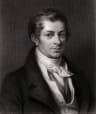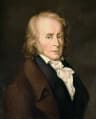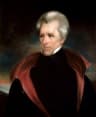
Tug'ilgan
July 11, 1767
Braintree, United States
Vafot etgan
February 23, 1848
Washington, D.C., United States
Mashhur bo'lgan
President of the United States from 1825 to 1829
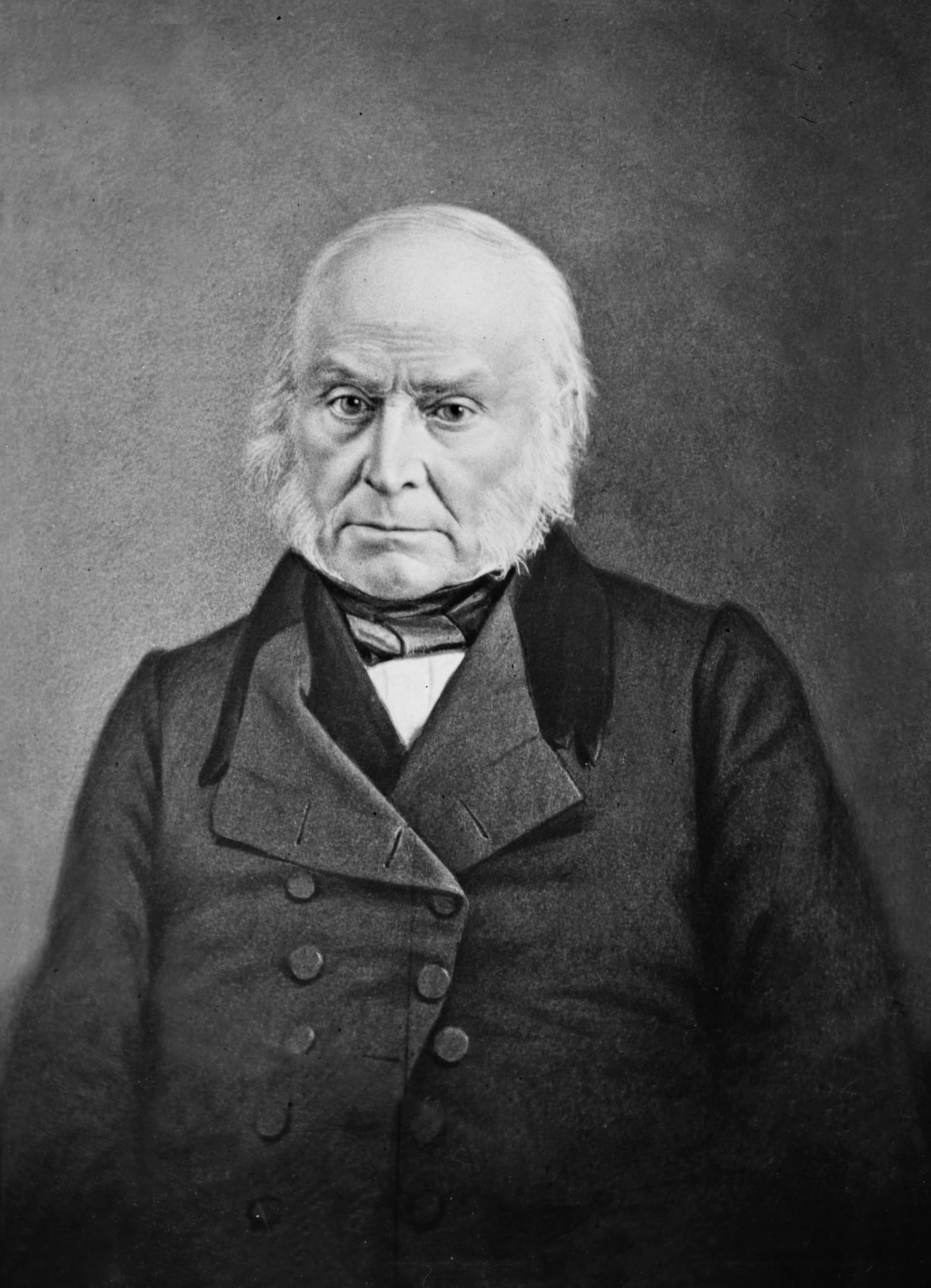
John Quincy Adams (1767–1848) was United States best known for President of the United States from 1825 to 1829.
John Quincy Adams (July 11, 1767 – February 23, 1848) was an American statesman and diplomat from Braintree. He served as the sixth President of the United States from 1825 to 1829. Adams uniquely returned to Congress after his presidency, shaping American politics for decades.
Bob
Hayot bo'limlari
Bob 1 · 1767· 7 bobdan 1-bobi
Early Life and Origins
Born in Braintree, United States, on July 11, 1767, John Quincy Adams's life began amidst the profound political changes of the American Revolution. He was the eldest son of two prominent figures in American history: John Adams, who would become the second President of the United States, and the insightful First Lady Abigail Adams.
This extraordinary parentage provided him with an upbringing steeped in political discourse, intellectual curiosity, and an intimate understanding of the principles upon which the nation was founded. His early experiences profoundly shaped his character, intellect, and deep sense of civic duty, preparing him for a life dedicated to the public good.
Bob 2· 7 bobdan 2-bobi
Career Beginnings
Adams embarked on his professional journey as a lawyer, a path that sharpened his analytical acumen and rhetorical skills. His initial political alignment mirrored his father's, identifying with the Federalist Party in the nascent years of the American republic. This early association demonstrated a foundational belief in a strong, centralized federal government.
His diplomatic career commenced with crucial appointments, serving as minister to Great Britain, Prussia, and Russia. These ambassadorial roles were instrumental in establishing his reputation as a skilled diplomat and provided him with invaluable experience in international relations, navigating complex European politics with wisdom and foresight. Furthermore, Adams served as a senator for Massachusetts, marking his entry into the legislative branch of the United States government and broadening his understanding of national governance.
Bob 3 · 1817· 7 bobdan 3-bobi
Major Achievements and Career Highlights
A significant cornerstone of John Quincy Adams's career was his service as the eighth United States Secretary of State, a pivotal role he held from 1817 to 1825. During this time, he was a key architect of American foreign policy, demonstrating exceptional diplomatic insight. His efforts included the "Official correspondence between Don Luis de Onis... and John Quincy Adams... in relation to the Floridas and the boundaries of Louisiana," which played a crucial part in defining American territorial claims and securing national borders.
His political ascent culminated in his election as the sixth President of the United States, serving a single term from 1825 to 1829. While his presidency faced considerable political opposition, Adams tirelessly pursued initiatives aimed at national development and internal improvements. Throughout his extensive career, his political affiliations evolved considerably, showcasing an independent and adaptive political mind; initially a Federalist, he spent his presidency as a Democratic-Republican, and later, in the mid-1830s, became affiliated with the Whig Party.
Bob 4· 7 bobdan 4-bobi
Personal Life
John Quincy Adams cultivated a rich personal life amidst his demanding public career, notably raising a family that included his son, Charles Francis Adams Sr., who would later continue the family's distinguished legacy in public service. His direct connection to the founding generation, as the son of John and Abigail Adams, intimately shaped his profound sense of national identity and public responsibility, embedding him deeply in American history. Beyond his numerous official capacities, Adams was a man of remarkable intellectual breadth, embracing diverse professions as a writer, lawyer, politician, ambassador, jurist, diplomat, statesperson, and diarist. This extensive range of intellectual and professional pursuits underscored his dedication to learning and his thoughtful approach to statesmanship, enriching his understanding of law, history, and human nature.
Bob 5 · 1827· 7 bobdan 5-bobi
Notable Works or Contributions
As a prolific writer and meticulous diarist, John Quincy Adams left an extensive and invaluable literary legacy, offering deep insights into his era. His political writings include the "Creek treaty, November 15, 1827," which signifies his direct involvement in crucial governmental agreements. His diplomatic brilliance is especially highlighted in the "Official correspondence between Don Luis de Onis... and John Quincy Adams... in relation to the Floridas and the boundaries of Louisiana, with other matters in dispute between the two governments," a document fundamental to understanding early American expansion and foreign policy.
Adams also used his powerful oratorical skills to shape public opinion and celebrate national identity. Among his notable speeches are "An oration, pronounced July 4th, 1793, at the request of the inhabitants of the town of Boston, in commemoration of the anniversary of American independence," a seminal address on the nation's birth. He further contributed to the intellectual foundations of the republic with works such as "The origin and principles of the American Revolution," offering his perspective on the nation's defining struggle.
His diverse bibliography further includes "[Letter to the Hon. Harrison G. Otis...] on the present stae [sic] of our national affairs," providing contemporary commentary on national issues, and "Memoirs of General Andrew Jackson, together with the letter of Mr. Secretary Adams," which offers a unique historical perspective. Later in his career, he delivered significant eulogies, including "Oration on the life and character of Gilbert Mottier [sic] de Lafayette" (also listed as "Oration on the life and character of Gilbert Motier de Lafayette"), honoring a hero of both American and French revolutions, and "An oration delivered before the inhabitants of the town of Newburyport... on the sixty-first anniversary of the Declaration of independence, July 4th, 1837." These writings collectively serve as an expansive record of his intellectual output and engagement with the pressing issues of his time.
Bob 6· 7 bobdan 6-bobi
Later Years
Following his presidency, John Quincy Adams chose a path unique among former chief executives: he returned to Congress. This decision to serve as a member of the lower house demonstrated an extraordinary and unwavering dedication to democratic service beyond the highest office in the land. His return to the House of Representatives allowed him to continue advocating for his principles and contributing actively to legislative debates.
He remained an engaged and influential figure in Congress, serving diligently until his final days. John Quincy Adams died on February 23, 1848, in Washington, D.C., while still in office, a fitting end to a life wholly devoted to the United States. His later years solidified his image as a lifelong public servant, prioritizing national welfare over personal retirement.
Bob 7· 7 bobdan 7-bobi
Legacy and Impact
John Quincy Adams's legacy is marked by his lifelong commitment to the American republic, manifested through an unparalleled career spanning diplomatic, legislative, and executive roles. His distinctive choice to return to Congress after his presidential term set a powerful precedent for sustained civic engagement, highlighting that public service extends beyond any single office.
As a skilled diplomat and Secretary of State, he significantly shaped the nation's foreign policy and expanded its territorial reach. His intellectual contributions as a prolific writer and diarist provide invaluable historical resources, offering detailed firsthand accounts of the political and cultural developments of the early 19th century. Adams's life embodies the ideals of intellectual rigor, diplomatic expertise, and a profound, unwavering dedication to the principles of the United States. The Adams family's multi-generational influence on American political thought, continued through his son Charles Francis Adams Sr., further underscores his lasting impact on the nation.
Hayot lahzalarda
Hayotni shakllantirgan lahzalar
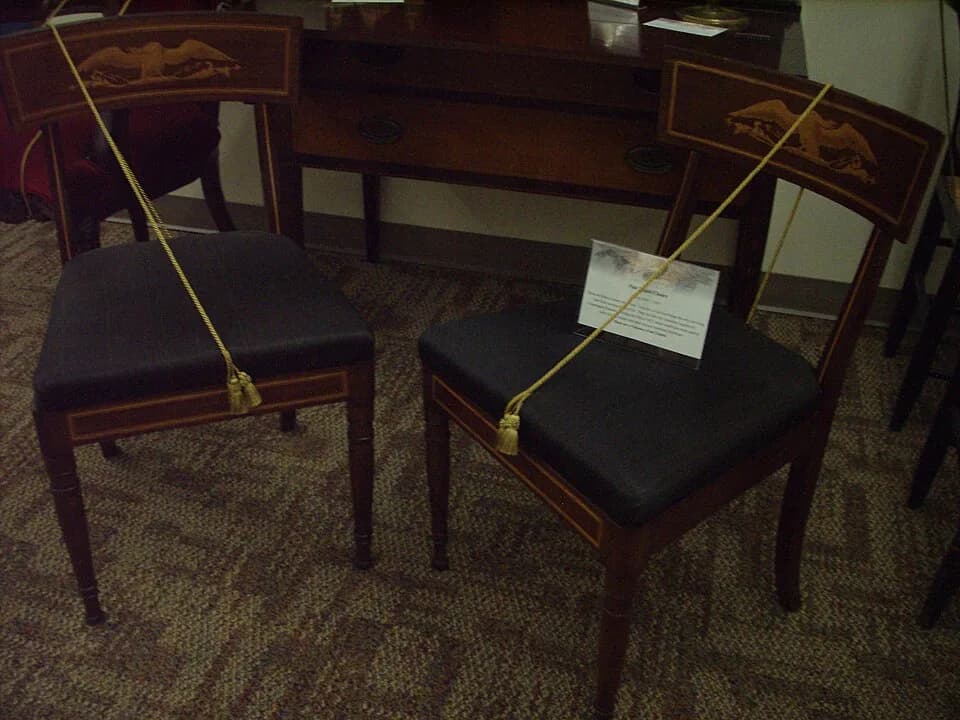
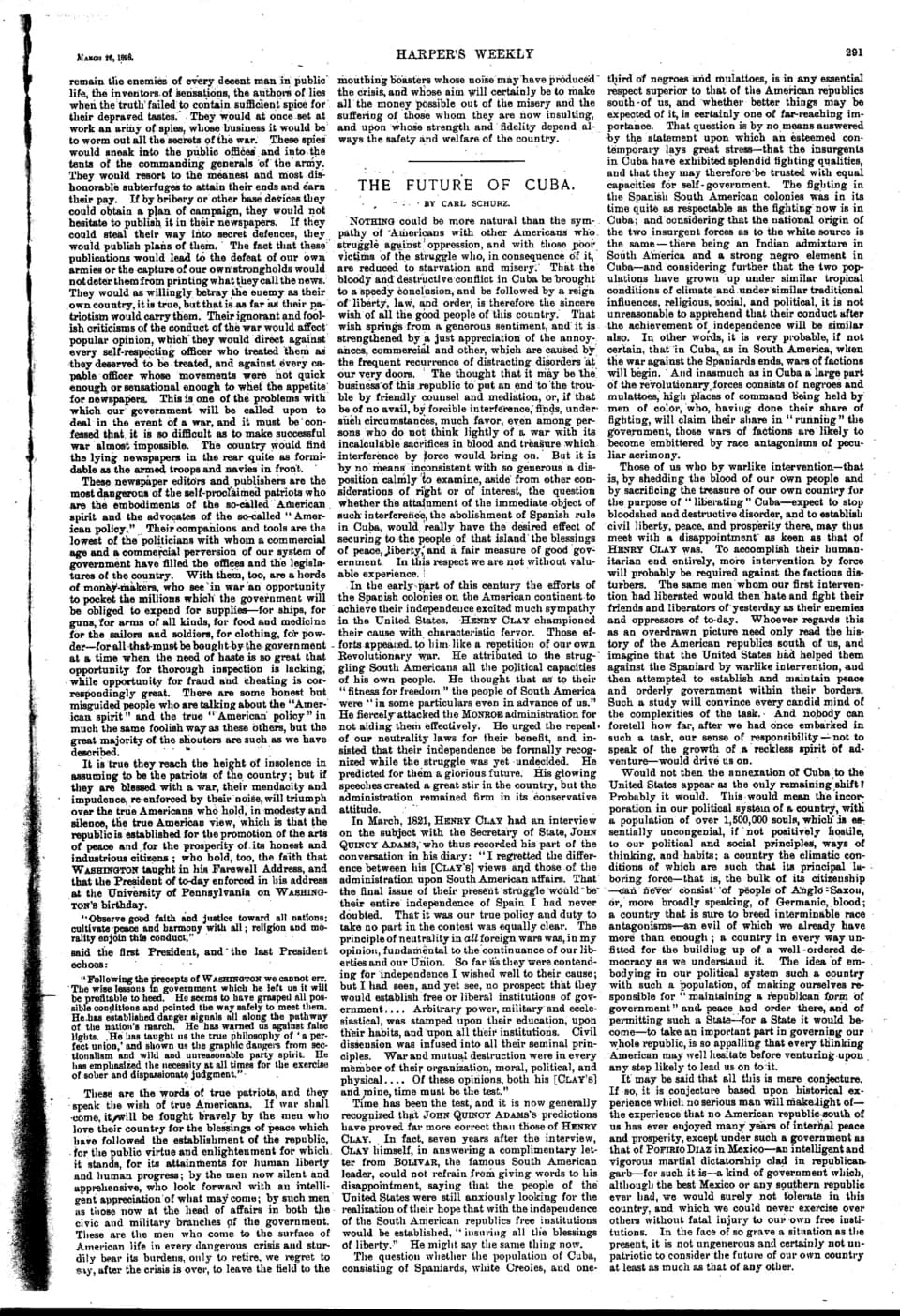
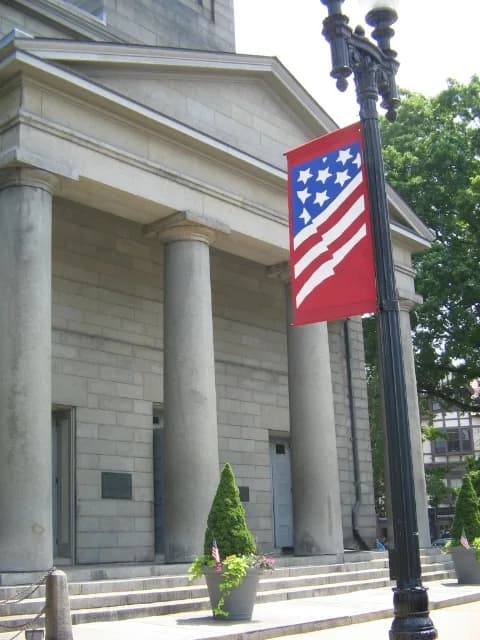
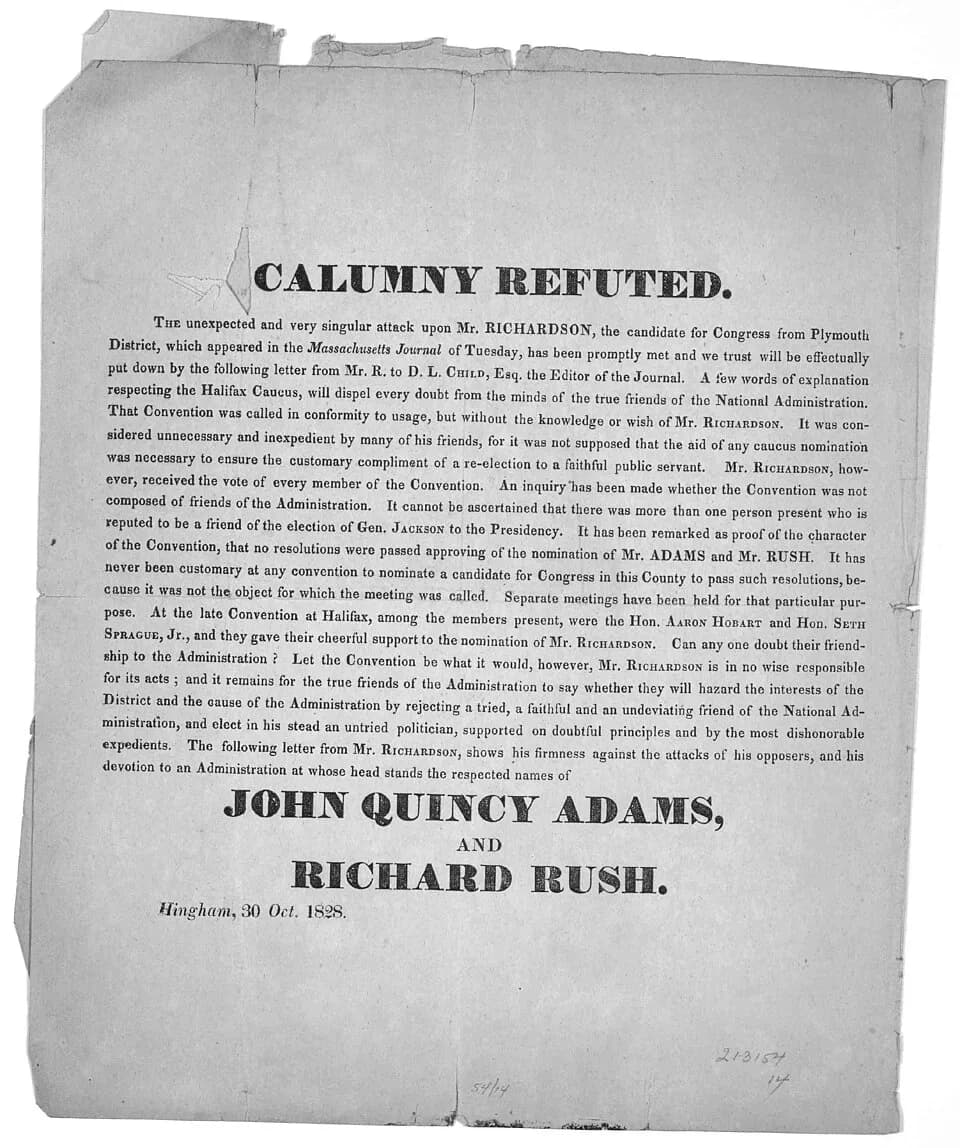
FAQ
Tez-tez beriladigan savollar
John Quincy Adams qachon vafot etdi?
John Quincy Adams 23-fevral, 1848 sanasida Washington, D.C., United Statesda, 80 yoshida vafot etdi.
John Quincy Adams qayerda tug'ilgan?
John Quincy Adams Braintree, United Statesda 11-iyul, 1767 sanasida tug'ilgan.
John Quincy Adams ko'proq nima bilan mashhur?
John Quincy Adams ko'proq President of the United States from 1825 to 1829 bilan mashhur.
John Quincy Adams vafot etganda necha yoshda edi?
John Quincy Adams vafot etganda 80 yoshda edi.
John Quincy Adams qaysi millat vakili edi?
John Quincy Adams United Statesdan edi.
Xronologiya
Hayotga bir nazar
Foto galereya
Rasmlardagi hayot
Kattalashtirish uchun istalgan suratni bosing · 25 ta rasm
QR kod
Ushbu tarjimai holni ulashish
Chop etish va ulashish
Ushbu tarjimai hol sahifasiga tashrif buyurish uchun skanerlang. Tadbirlar, ko'rgazmalar yoki ta'lim materiallari uchun chop eting.