Tug'ilgan
July 26, 1919
Letchworth Garden City, United Kingdom
Vafot etgan
July 26, 2022
Abbotsbury, United Kingdom
Mashhur bo'lgan
English scientist
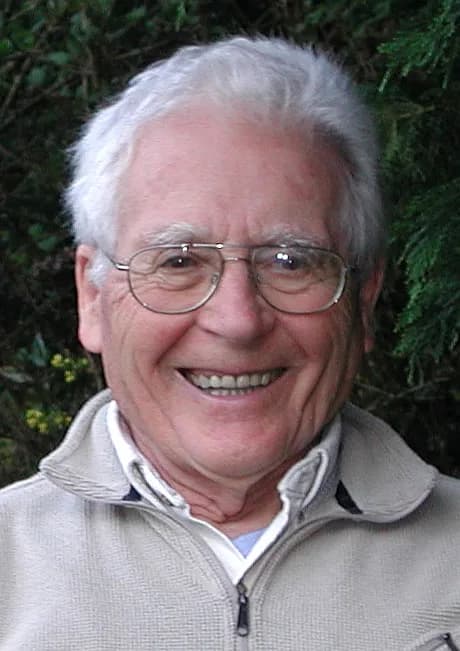
James Lovelock (1919–2022) was United Kingdom best known for English scientist.
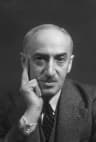
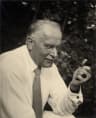
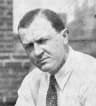
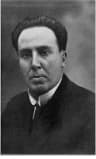
James Ephraim Lovelock (July 26, 1919 – July 26, 2022) was an English independent scientist and environmentalist. He is best known for proposing the Gaia hypothesis, which suggests Earth functions as a self-regulating system. His work profoundly influenced environmental science and our understanding of planetary dynamics.
Bob
Hayot bo'limlari
Bob 1 · 1919· 8 bobdan 1-bobi
Opening
James Ephraim Lovelock (1919-2022) was an eminent English independent scientist, environmentalist, and futurist. He achieved global recognition for his revolutionary Gaia hypothesis, which posits Earth as a single, self-regulating system. His extensive career spanned various scientific disciplines, leaving a lasting legacy on our understanding of planetary dynamics and environmental stewardship.
Bob 2 · 1919· 8 bobdan 2-bobi
Early Life and Origins
James Lovelock was born on July 26, 1919, in Letchworth Garden City, United Kingdom. Details about his early family life and specific upbringing are not provided in public records. He pursued a robust education that laid the foundation for his diverse scientific career, encompassing chemistry, biology, and biochemistry. His early academic journey fostered the independent scientific spirit that would define his professional life.
Bob 3· 8 bobdan 3-bobi
Career Beginnings
Lovelock began his professional life as a scientist, later expanding into roles as a biologist, chemist, and biochemist. He served as a university teacher before transitioning to an independent scientist, a position he maintained throughout much of his influential career. This independence allowed him to pursue novel research directions without institutional constraints, fostering his unique perspective on Earth systems.
Bob 4· 8 bobdan 4-bobi
Major Achievements and Career Highlights
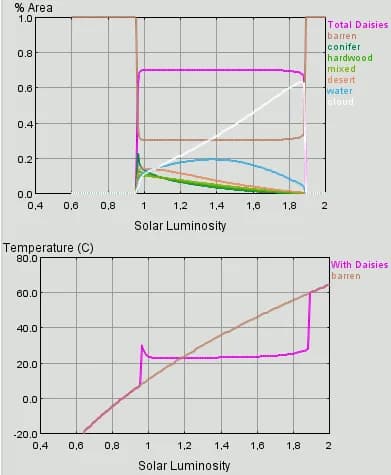
Lovelock's most significant contribution to science is the Gaia hypothesis, developed in the 1970s. This theory proposes that Earth's living organisms and their inorganic surroundings are closely coupled, forming a complex, self-regulating system that maintains the conditions for life. The Gaia hypothesis profoundly influenced the emerging field of Earth system science and ecological thought. His work also involved significant advancements in analytical instrumentation, including the electron capture detector, which was crucial for detecting CFCs and their impact on the ozone layer.
Bob 5· 8 bobdan 5-bobi
Personal Life
While specific details about James Lovelock's personal family life, relationships, or recreational interests are not detailed in the provided information, his work consistently reflected a deep concern for the planet. His dedication to environmental issues suggests a life driven by intellectual curiosity and a profound connection to the natural world.
Bob 6 · 2009· 8 bobdan 6-bobi
Notable Works or Contributions
Lovelock authored numerous influential books and academic papers that explored his scientific theories and environmental concerns. Among his most well-known works are "The Vanishing Face of Gaia: A Final Warning," published in 2009, which garnered 135 citations, and "The vanishing face of Gaia," also from 2009, with 104 citations. His bibliography also includes "Homage to Gaia," "A Rough Ride to the Future," and "The Great Extinction." These publications articulated his scientific ideas for both academic and general audiences, solidifying his reputation as a futurist and environmentalist.
Bob 7 · 2014· 8 bobdan 7-bobi
Later Years
James Lovelock continued to contribute to scientific discourse and environmental advocacy well into his later years. He published "A Rough Ride to the Future" in 2014, which has 21 citations, demonstrating his ongoing intellectual output. Tragically, he passed away on his 103rd birthday, July 26, 2022, in Abbotsbury, United Kingdom. His longevity allowed for a sustained and deep engagement with global ecological challenges.
Bob 8· 8 bobdan 8-bobi
Legacy and Impact
The legacy of James Lovelock is immense, primarily through the enduring influence of the Gaia hypothesis. This theory transformed scientific understanding of Earth as an active, living entity, not merely a passive environment. His insights continue to shape environmental science, ecology, and climate change discussions, encouraging a more integrated view of planetary processes. Lovelock's work fostered a greater appreciation for Earth's delicate balance and the urgency of environmental protection, inspiring generations of scientists and activists. His independent spirit and willingness to challenge conventional thought mark him as a truly original thinker whose ideas continue to resonate globally.
Hayot lahzalarda
Hayotni shakllantirgan lahzalar

FAQ
Tez-tez beriladigan savollar
James Lovelock qachon vafot etdi?
James Lovelock 26-iyul, 2022 sanasida Abbotsbury, United Kingdomda, 103 yoshida vafot etdi.
James Lovelock qayerda tug'ilgan?
James Lovelock Letchworth Garden City, United Kingdomda 26-iyul, 1919 sanasida tug'ilgan.
James Lovelock ko'proq nima bilan mashhur?
James Lovelock ko'proq English scientist bilan mashhur.
James Lovelock vafot etganda necha yoshda edi?
James Lovelock vafot etganda 103 yoshda edi.
James Lovelock qaysi millat vakili edi?
James Lovelock United Kingdomdan edi.
Xronologiya
Hayotga bir nazar
Foto galereya
Rasmlardagi hayot
Kattalashtirish uchun istalgan suratni bosing · 25 ta rasm
QR kod
Ushbu tarjimai holni ulashish
Chop etish va ulashish
Ushbu tarjimai hol sahifasiga tashrif buyurish uchun skanerlang. Tadbirlar, ko'rgazmalar yoki ta'lim materiallari uchun chop eting.