Tug'ilgan
October 20, 1891
Bollington, United Kingdom
Vafot etgan
July 24, 1974
Cambridge, United Kingdom
Mashhur bo'lgan
English physicist (1891-1974), who discovered the neutron in 1932
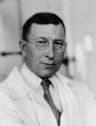
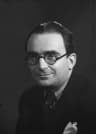
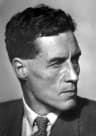
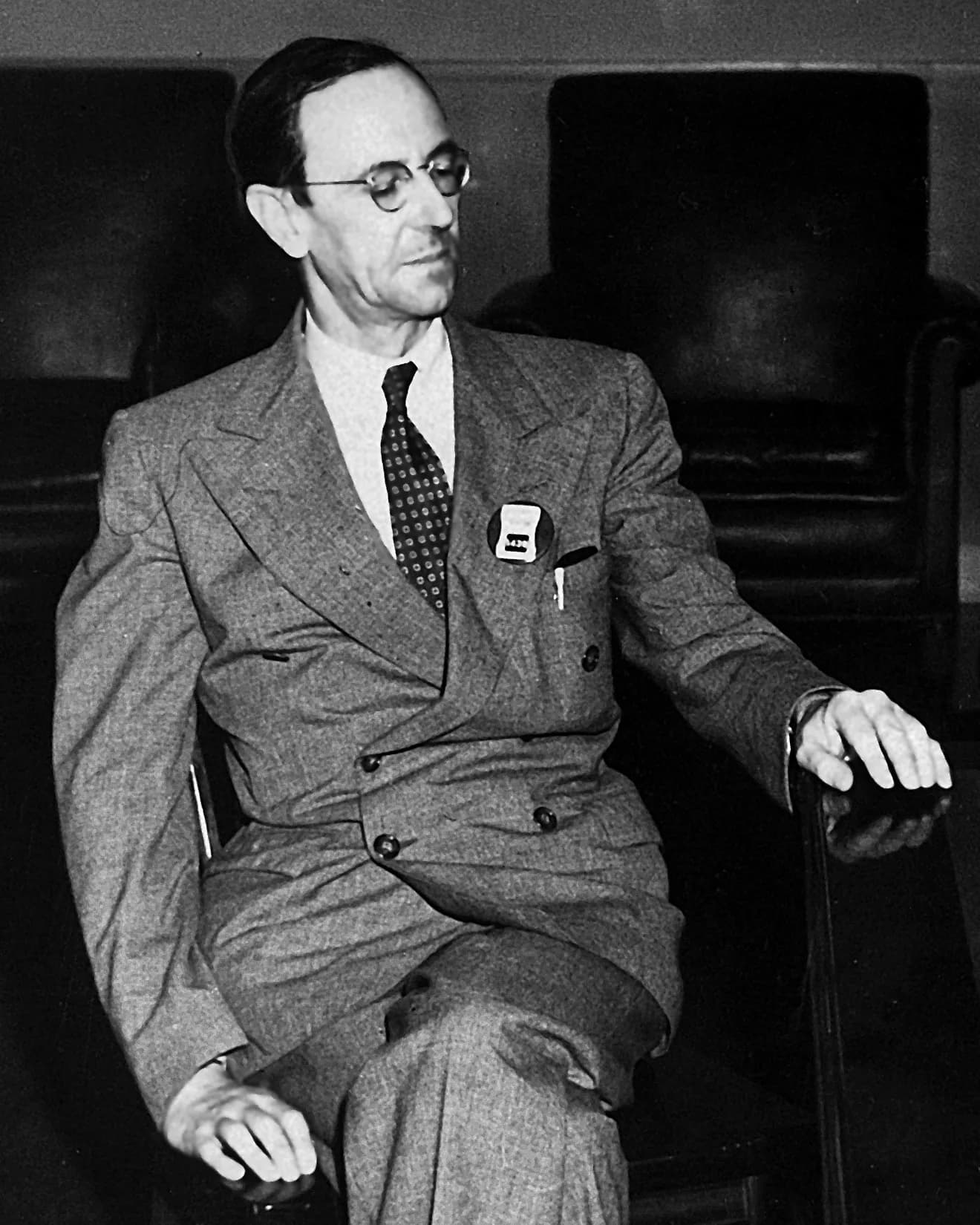
James Chadwick (1891–1974) was United Kingdom best known for English physicist (1891-1974), who discovered the neutron in 1932.
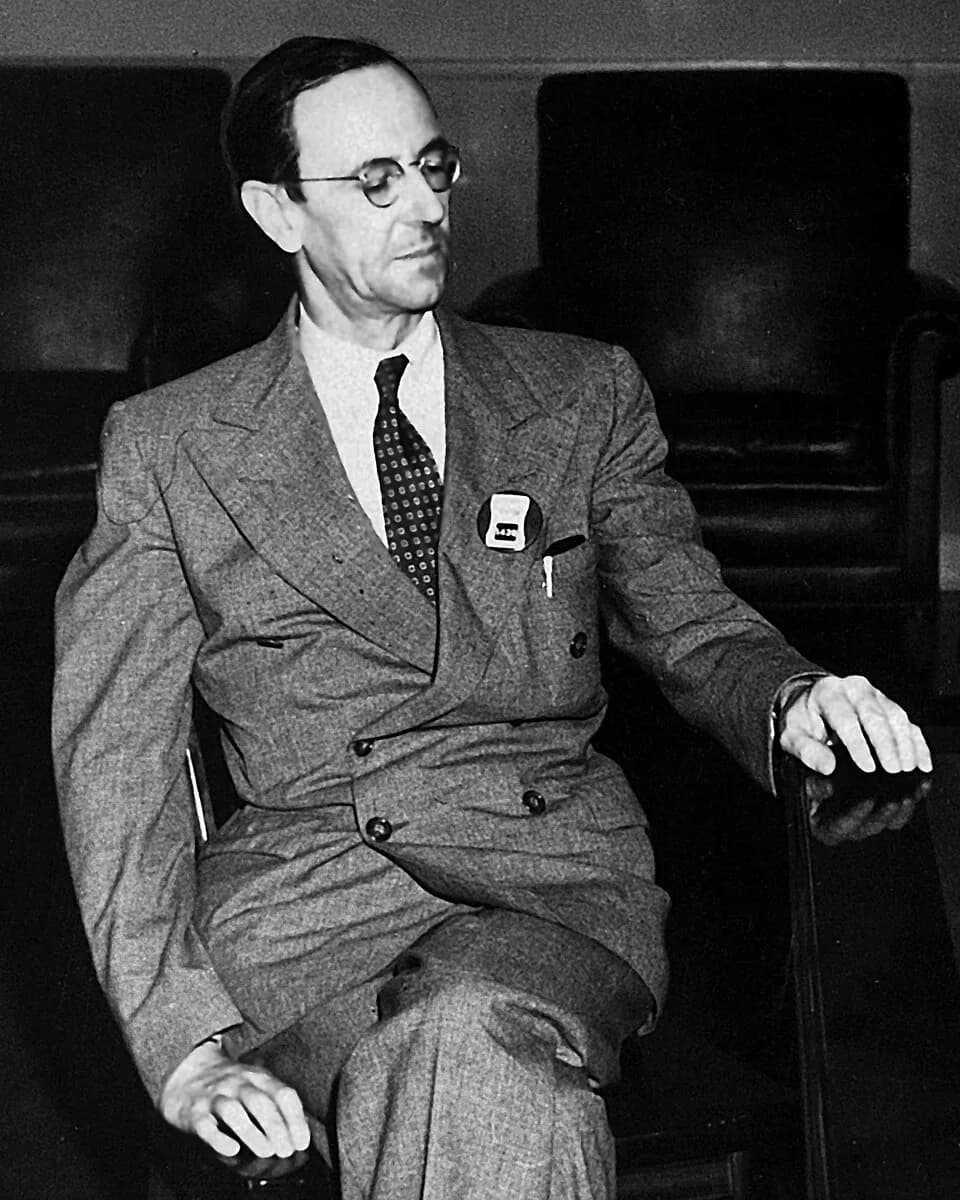
Sir James Chadwick (October 20, 1891 – July 24, 1974) was an English physicist. He received the Nobel Prize in Physics in 1935 for his discovery of the neutron in 1932. His work was key to understanding nuclear structure and influenced the development of atomic energy.
Bob
Hayot bo'limlari
Bob 1 · 1891· 8 bobdan 1-bobi
An Enduring Scientific Legacy
Sir James Chadwick (1891–1974) was an English physicist whose monumental contributions to nuclear physics reshaped our understanding of matter. Born in Bollington and passing away in Cambridge, Chadwick’s life work as a physicist, university teacher, and nuclear physicist forever marked scientific inquiry. His most celebrated achievement, the discovery of the neutron, earned him global recognition and a Nobel Prize.
Bob 2 · 1891· 8 bobdan 2-bobi
Early Life and Origins
James Chadwick was born on October 20, 1891, in Bollington, United Kingdom. His early life in Bollington set the stage for a distinguished academic journey that would lead him to become one of the twentieth century's most influential scientists. While specific details of his family and upbringing are not provided, his foundational education surely instilled in him a curiosity for the natural world that he would pursue with great dedication.
Bob 3· 8 bobdan 3-bobi
Career Beginnings
Chadwick began his career as a physicist, dedicating himself to experimental research. His initial work focused on atomic structures and radiation, areas that were at the forefront of physics research in the early 20th century. This foundational period of study and experimentation prepared him for his most significant discoveries, laying the groundwork for future breakthroughs in nuclear physics.
Bob 4 · 1932· 8 bobdan 4-bobi
Major Achievements and Career Highlights
The year 1932 marked the most significant moment in Chadwick's career with his discovery of the neutron. This fundamental particle, existing within the atomic nucleus, had long been hypothesized but remained unconfirmed until Chadwick's experimental proof. His precise and elegant experiments confirmed the existence of this chargeless particle, a discovery that immediately transformed atomic theory.
In recognition of this profound achievement, James Chadwick was awarded the Nobel Prize in Physics in 1935. The Nobel Committee specifically cited his discovery of the neutron as the basis for the prestigious award. Beyond his scientific research, Chadwick also held roles as a university teacher, influencing generations of budding physicists.
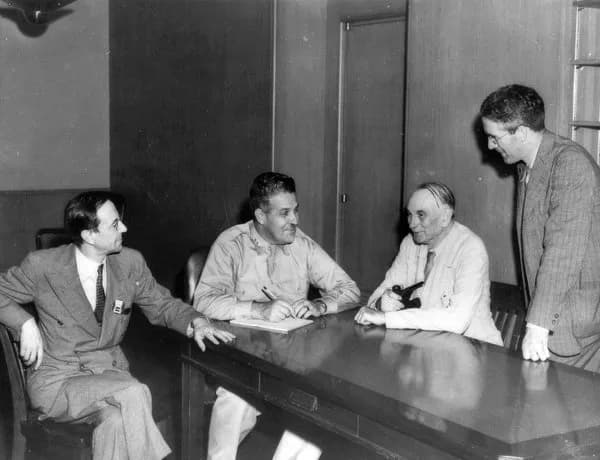
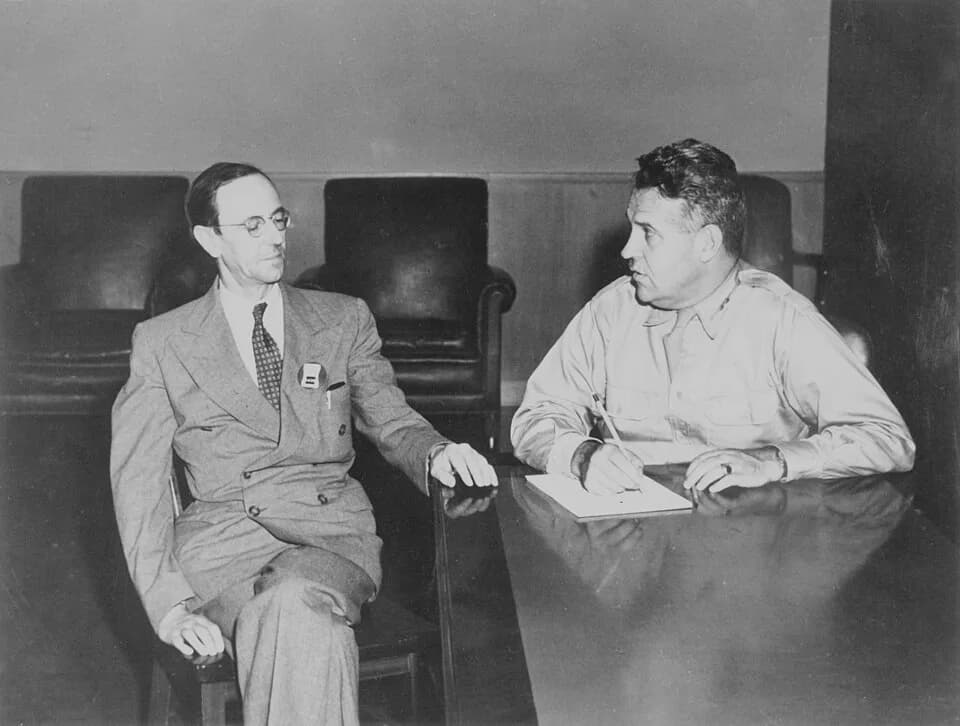
Chadwick's expertise in nuclear physics became especially critical during World War II. In 1941, he played a central role in drafting the MAUD Report, a document that proved instrumental in inspiring the U.S. government to initiate serious research into the atomic bomb. His scientific leadership continued as he headed the British team involved in the top-secret Manhattan Project, collaborating with American scientists on this vital wartime effort. For his extensive achievements in nuclear physics and his service, he was knighted in Britain in 1945.
Bob 5· 8 bobdan 5-bobi
Personal Life
While Sir James Chadwick's professional life is well-documented through his scientific contributions and honors, specific details regarding his personal life, family, relationships, or non-academic interests are not extensively detailed in the provided information. His public persona was largely defined by his relentless pursuit of scientific knowledge and his critical contributions to global events.
Bob 6 · 1932· 8 bobdan 6-bobi
Notable Works or Contributions
Sir James Chadwick's primary contribution to the scientific community was his definitive experimental confirmation of the neutron in 1932. This discovery fundamentally altered the understanding of atomic structure and nuclear reactions, opening new avenues for research. His work on the MAUD Report and his leadership within the British team on the Manhattan Project also stand as monumental contributions, shaping the course of history during a critical period. These efforts underscore his role not just as a discoverer, but also as a scientific leader in times of global challenge.
Bob 7 · 1945· 8 bobdan 7-bobi
Later Years
After his impactful work during World War II, Sir James Chadwick continued to contribute to science and education. Having been knighted in 1945, he carried a distinguished title that reflected his extraordinary service and discoveries. He passed away on July 24, 1974, in Cambridge, United Kingdom, leaving behind a profound legacy that extended far beyond his lifetime.
Bob 8· 8 bobdan 8-bobi
Legacy and Impact
Sir James Chadwick’s discovery of the neutron revolutionized physics and laid the groundwork for nuclear energy and weapons. His work transformed the scientific understanding of atomic nuclei, paving the way for subsequent discoveries and applications in various fields. From fundamental research to international wartime collaboration, his influence is indisputable. Chadwick's contributions remain central to the fields of physics and nuclear science, ensuring his enduring place in the annals of scientific history.
Hayot lahzalarda
Hayotni shakllantirgan lahzalar
FAQ
Tez-tez beriladigan savollar
James Chadwick qachon vafot etdi?
James Chadwick 24-iyul, 1974 sanasida Cambridge, United Kingdomda, 82 yoshida vafot etdi.
James Chadwick qayerda tug'ilgan?
James Chadwick Bollington, United Kingdomda 20-oktabr, 1891 sanasida tug'ilgan.
James Chadwick ko'proq nima bilan mashhur?
James Chadwick ko'proq English physicist (1891-1974), who discovered the neutron in 1932 bilan mashhur.
James Chadwick vafot etganda necha yoshda edi?
James Chadwick vafot etganda 82 yoshda edi.
James Chadwick qaysi millat vakili edi?
James Chadwick United Kingdomdan edi.
Xronologiya
Hayotga bir nazar
Foto galereya
Rasmlardagi hayot
Kattalashtirish uchun istalgan suratni bosing · 44 ta rasm
QR kod
Ushbu tarjimai holni ulashish
Chop etish va ulashish
Ushbu tarjimai hol sahifasiga tashrif buyurish uchun skanerlang. Tadbirlar, ko'rgazmalar yoki ta'lim materiallari uchun chop eting.