Tug'ilgan
February 1, 1874
Vienna, Austria
Vafot etgan
July 15, 1929
Rodaun, Austria
Mashhur bo'lgan
Austrian novelist, librettist, poet, dramatist
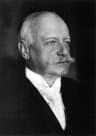
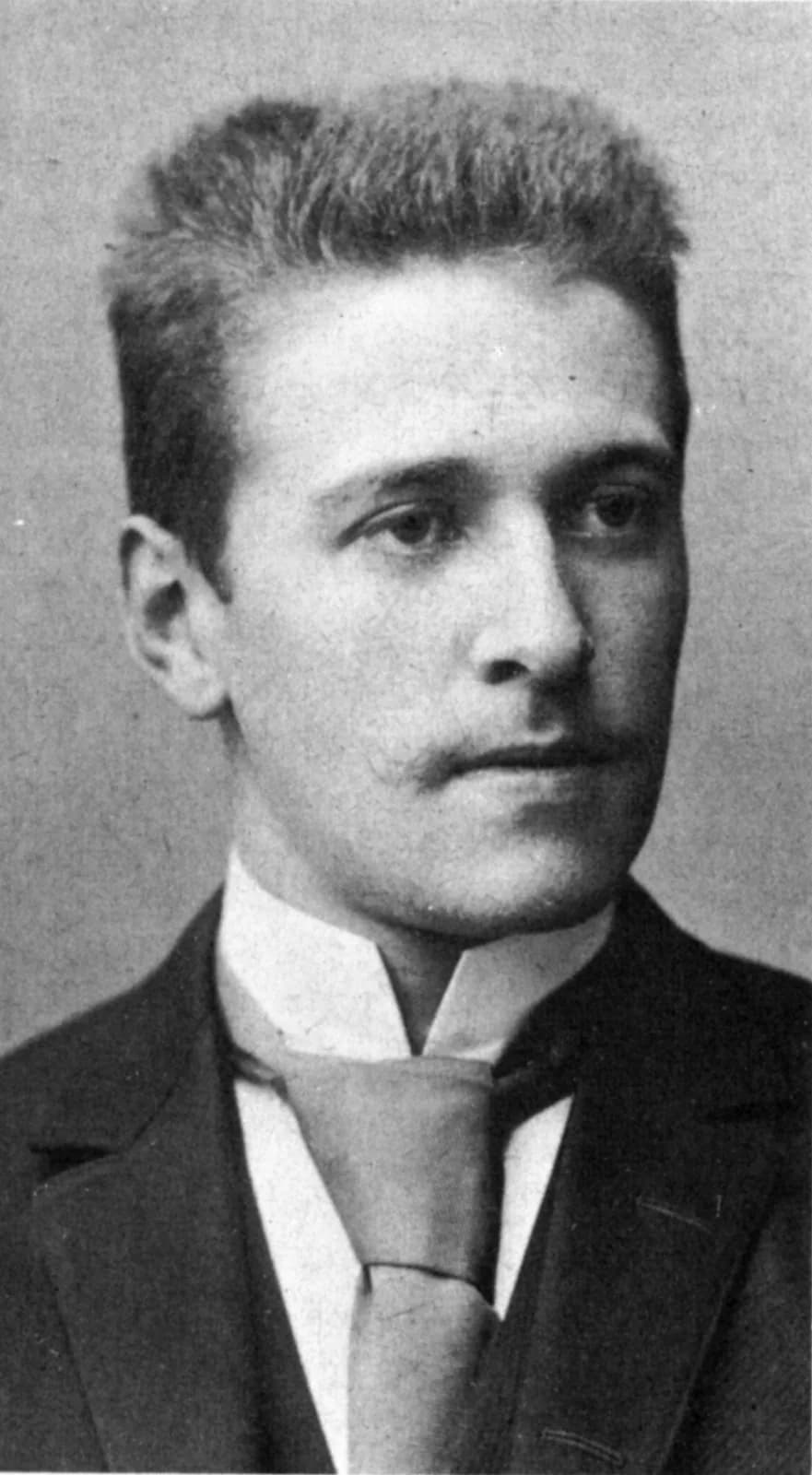
Hugo von Hofmannsthal (1874–1929) was Austria best known for Austrian novelist, librettist, poet, dramatist.
Hugo Laurenz August Hofmann von Hofmannsthal (1874-1929) was an Austrian novelist, librettist, poet, and dramatist from Vienna. He achieved international recognition through works like "Der Rosenkavalier" and made significant contributions across multiple literary forms. His diverse artistic legacy continues to influence Austrian and European literature today.
Bob
Hayot bo'limlari
Bob 1 · 1874· 6 bobdan 1-bobi
Early Life and Origins
Hugo von Hofmannsthal was born on February 1, 1874, in Vienna, Austria, into a world of rich cultural and intellectual tradition. Growing up in the imperial capital during its golden age, he was exposed to the vibrant artistic and literary movements that would later influence his own creative development. Vienna's cosmopolitan atmosphere and its position as a center of European culture provided the young Hofmannsthal with an ideal environment for nurturing his literary talents.
Bob 2· 6 bobdan 2-bobi
Career Beginnings
Hofmannsthal began his literary career at a remarkably young age, establishing himself as a prodigious talent in the Austrian literary scene. His early works demonstrated an exceptional command of language and a deep understanding of poetic form that would become hallmarks of his mature style. These formative years laid the foundation for what would become one of the most diverse and accomplished careers in Austrian letters, spanning poetry, drama, prose, and opera.
Bob 3· 6 bobdan 3-bobi
Major Achievements and Career Highlights
Throughout his career, Hofmannsthal achieved recognition across multiple literary forms, earning acclaim as a novelist, poet, dramatist, screenwriter, composer, playwright, and essayist. His versatility as a writer allowed him to contribute significantly to Austrian cultural life in numerous capacities. Perhaps most notably, his work as a librettist brought his literary talents to the opera stage, where his collaborations would achieve lasting international recognition.
One of his most celebrated achievements was his contribution to "Der Rosenkavalier," which became one of the most beloved operas of the early 20th century. This work showcased his ability to combine literary sophistication with dramatic effectiveness, creating texts that served both musical and theatrical purposes with equal distinction.
Bob 4· 6 bobdan 4-bobi
Notable Works and Contributions
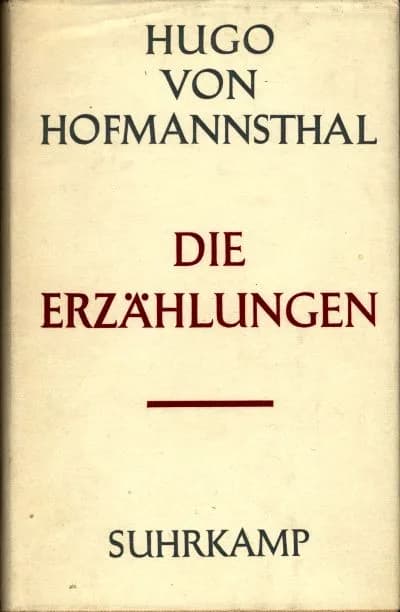
Hofmannsthal's bibliography reflects his remarkable range as a writer. Among his significant works are "Das Bergwerk zu Falun," "Cristinas Heimreise," and "La femme sans ombre," each demonstrating different aspects of his literary skill. His dramatic works include "Der Tor und der Tod" and "Iedermann," while his prose contributions encompass both fiction and critical essays collected in "Erzählungen und Aufsätze."
His work "Der Turm" represents another important contribution to German-language drama, while "Der Unbestechliche" showcases his continued creative output in his later years. These works, along with pieces like "Dämmerung und nächliches Gewitter" and his "Fragmente zu Goethes 'Novelle'," demonstrate his engagement with both original creation and literary interpretation.
Bob 5· 6 bobdan 5-bobi
Personal Life and Later Years
Hofmannsthal spent his final years in Rodaun, Austria, continuing his literary work until his death. His residence there became a center of intellectual activity, where he continued to write and contribute to Austrian cultural life. The peaceful setting of Rodaun provided him with the environment necessary for his continued creative output during his mature years.
His later works continued to demonstrate the same literary excellence that had marked his earlier career, showing no diminishment of his creative powers as he aged. The consistency of his artistic vision throughout his life speaks to his dedication to his craft and his unwavering commitment to literary excellence.
Bob 6 · 1929· 6 bobdan 6-bobi
Legacy and Impact
Hugo von Hofmannsthal's death on July 15, 1929, marked the end of a career that had significantly enriched Austrian and European literature. His influence extended far beyond his immediate contemporaries, as his works continue to be performed, studied, and celebrated today. His contributions to opera, particularly through his librettos, helped bridge the gap between high literary art and popular musical theater.
His impact on Austrian literature cannot be overstated, as he helped define what it meant to be an Austrian writer in the modern era. Through his diverse body of work, he demonstrated that literary excellence could manifest across multiple forms and genres, inspiring subsequent generations of writers to pursue their own artistic visions with similar dedication and versatility.
Hayot lahzalarda
Hayotni shakllantirgan lahzalar

FAQ
Tez-tez beriladigan savollar
Hugo von Hofmannsthal qachon vafot etdi?
Hugo von Hofmannsthal 15-iyul, 1929 sanasida Rodaun, Austriada, 55 yoshida vafot etdi.
Hugo von Hofmannsthal qayerda tug'ilgan?
Hugo von Hofmannsthal Vienna, Austriada 1-fevral, 1874 sanasida tug'ilgan.
Hugo von Hofmannsthal ko'proq nima bilan mashhur?
Hugo von Hofmannsthal ko'proq Austrian novelist, librettist, poet, dramatist bilan mashhur.
Hugo von Hofmannsthal vafot etganda necha yoshda edi?
Hugo von Hofmannsthal vafot etganda 55 yoshda edi.
Hugo von Hofmannsthal qaysi millat vakili edi?
Hugo von Hofmannsthal Austriadan edi.
Xronologiya
Hayotga bir nazar
Foto galereya
Rasmlardagi hayot
Kattalashtirish uchun istalgan suratni bosing · 47 ta rasm
QR kod
Ushbu tarjimai holni ulashish
Chop etish va ulashish
Ushbu tarjimai hol sahifasiga tashrif buyurish uchun skanerlang. Tadbirlar, ko'rgazmalar yoki ta'lim materiallari uchun chop eting.