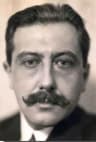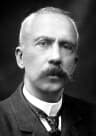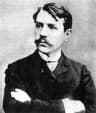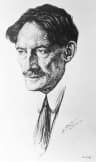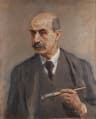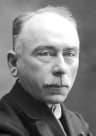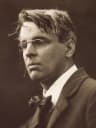
Tug'ilgan
June 13, 1888
Lisbon, Portugal
Vafot etgan
November 30, 1935
Lisbon, Portugal
Mashhur bo'lgan
Portuguese poet, writer, and philosopher (1888–1935); creator of the heteronymic system including Alberto Caeiro, Ricardo Reis, Álvaro de Campos, and Bernardo Soares
Fernando Pessoa (1888–1935) was Portugal best known for Portuguese poet, writer, and philosopher (1888–1935); creator of the heteronymic system including Alberto Caeiro, Ricardo Reis, Álvaro de Campos, and Bernardo Soares.
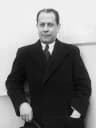
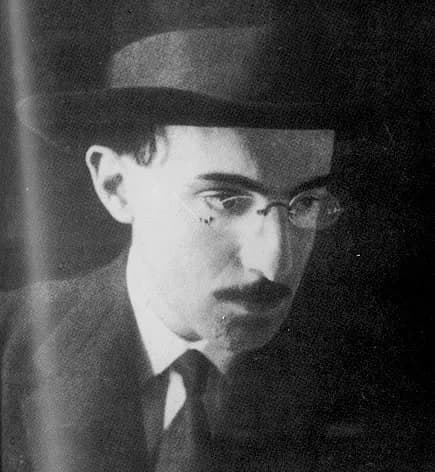
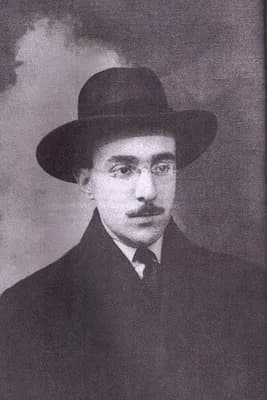
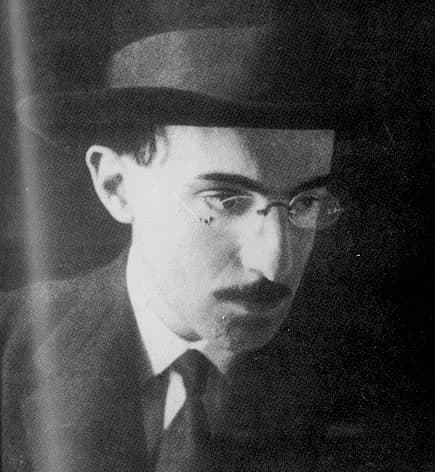
Fernando António Nogueira de Seabra Pessoa (June 13, 1888 – November 30, 1935) was a Portuguese poet, writer, and philosopher. He is renowned for creating a unique heteronymic system, through which he authored works under distinct literary personalities. His enduring legacy positions him as one of the 20th century's most significant literary figures.
Bob
Hayot bo'limlari
Bob 1 · 1888· 5 bobdan 1-bobi
Early Life and Origins
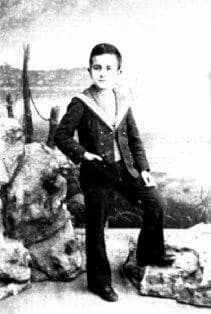
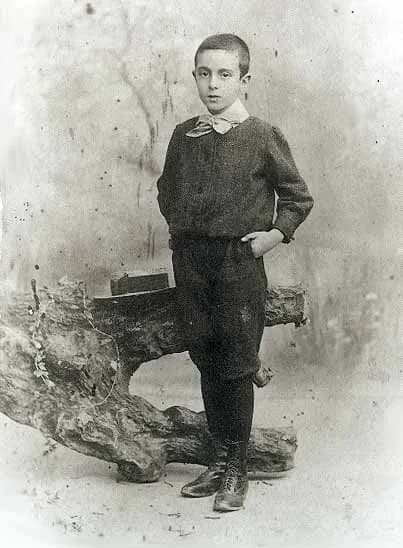
Born on June 13, 1888, in Lisbon, Portugal, Fernando Pessoa's life was intrinsically linked to his birthplace, a city that served as both his beginning and his end. He spent his formative years immersed in the culture and history of the Portuguese capital. Lisbon remained his cherished home for much of his life, a constant setting for his evolving literary thought and creative endeavors.
Pessoa's connection to Lisbon was profound, shaping his perspectives and influencing the atmosphere of many of his writings. He returned to the city following a period spent in South Africa during his youth, making it the permanent stage for his extraordinary literary career. This deep connection to his native country and its cultural heritage fueled much of his artistic expression.
Bob 2· 5 bobdan 2-bobi
Career and Diverse Professions
Throughout his life, Fernando Pessoa cultivated a wide array of professions that underscored his expansive intellect and versatility. He was known as a writer, poet, translator, literary critic, philosopher, essayist, and prose writer, demonstrating a remarkable command across literary disciplines. His command of multiple languages allowed him to write in and translate from English and French, broadening the scope of his literary engagement.
His early career was marked by a commitment to exploration and experimentation, laying the groundwork for the complex literary structures he would later develop. Pessoa's various professional roles were not mere titles but rather facets of his singular pursuit of artistic and intellectual expression. This diverse engagement with the written word made him a unique force in the literary world of his time.
Bob 3· 5 bobdan 3-bobi
Major Achievements: The Heteronymic System
Fernando Pessoa's most groundbreaking contribution to literature was the creation of his intricate heteronymic system, a revolutionary concept that allowed him to write under distinct authorial personae. Unlike pseudonyms, these heteronyms were fully fleshed-out literary personalities, each with their own unique biography, writing style, philosophy, and worldview. This system became the hallmark of his genius and a central component of his literary output.
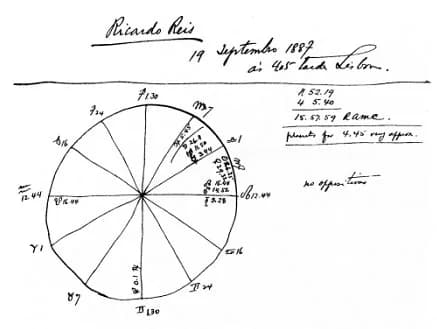
Among his most famous heteronyms were Alberto Caeiro, a rustic and nature-focused poet; Ricardo Reis, a classical pagan epicurean; and Álvaro de Campos, an avant-garde engineer with an often melancholic and restless spirit. Bernardo Soares also served as a semi-heteronym, often considered an assistant to Pessoa himself, most famously associated with The Book of Disquiet. These distinct voices enabled Pessoa to explore a vast spectrum of human experience and philosophical inquiry, making him one of the greatest poets in the Portuguese language and a significant figure of the 20th century.
Bob 4· 5 bobdan 4-bobi
Notable Literary Works
Fernando Pessoa's bibliography showcases a rich and diverse collection of works, reflecting his innovative approach to writing and the multiple voices he cultivated. His contributions span poetry, prose, and critical essays, many of which were published posthumously, revealing the true extent of his prolific output. These works collectively establish his status as a literary giant.
Among his notable publications are "Apologia do paganismo," an exploration of pagan thought, and "Exórdio em prol da filantropia & da educação física," demonstrating his engagement with social and philosophical themes. His acclaimed work, "Mensagem," stands as a singular collection of patriotic poems written under his own name. Other significant titles include "Quadras ao gosto popular," "L'ami du chevalier de Pas," and "Opium à bord," alongside "Sefer ha-i-naḥat" and "Minha mulher, a solidão." He also penned "Le testament du banquier anarchiste" and "Aviso por causa da moral," further illustrating the breadth of his literary interests and his exploration of various societal perspectives through his unique heteronymic lens.
Bob 5 · 1935· 5 bobdan 5-bobi
Enduring Legacy and Impact
Fernando Pessoa passed away in his birth city of Lisbon, Portugal, on November 30, 1935, leaving behind an extraordinary body of work that would only be fully appreciated years after his death. His death marked the end of a prolific life, yet the beginning of his true ascent into literary legend. His profound influence extends far beyond Portuguese borders, establishing him as a seminal figure in global modernism.
His innovative heteronymic system continues to challenge conventional notions of authorship and identity, inspiring generations of writers and literary scholars worldwide. Pessoa's work continues to be studied, translated, and celebrated for its philosophical depth, stylistic brilliance, and the unique way it captures the complexities of the human psyche. He truly remains one of the most significant literary figures of the 20th century, a poet whose many faces continue to illuminate the rich tapestry of human thought and emotion.
Hayot lahzalarda
Hayotni shakllantirgan lahzalar
FAQ
Tez-tez beriladigan savollar
Fernando Pessoa qachon vafot etdi?
Fernando Pessoa 30-noyabr, 1935 sanasida Lisbon, Portugalda, 47 yoshida vafot etdi.
Fernando Pessoa qayerda tug'ilgan?
Fernando Pessoa Lisbon, Portugalda 13-iyun, 1888 sanasida tug'ilgan.
Fernando Pessoa ko'proq nima bilan mashhur?
Fernando Pessoa ko'proq Portuguese poet, writer, and philosopher (1888–1935); creator of the heteronymic system including Alberto Caeiro, Ricardo Reis, Álvaro de Campos, and Bernardo Soares bilan mashhur.
Fernando Pessoa vafot etganda necha yoshda edi?
Fernando Pessoa vafot etganda 47 yoshda edi.
Fernando Pessoa qaysi millat vakili edi?
Fernando Pessoa Portugaldan edi.
Xronologiya
Hayotga bir nazar
Foto galereya
Rasmlardagi hayot
Kattalashtirish uchun istalgan suratni bosing · 50 ta rasm
QR kod
Ushbu tarjimai holni ulashish
Chop etish va ulashish
Ushbu tarjimai hol sahifasiga tashrif buyurish uchun skanerlang. Tadbirlar, ko'rgazmalar yoki ta'lim materiallari uchun chop eting.