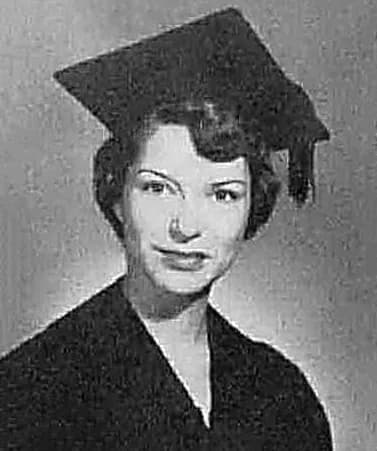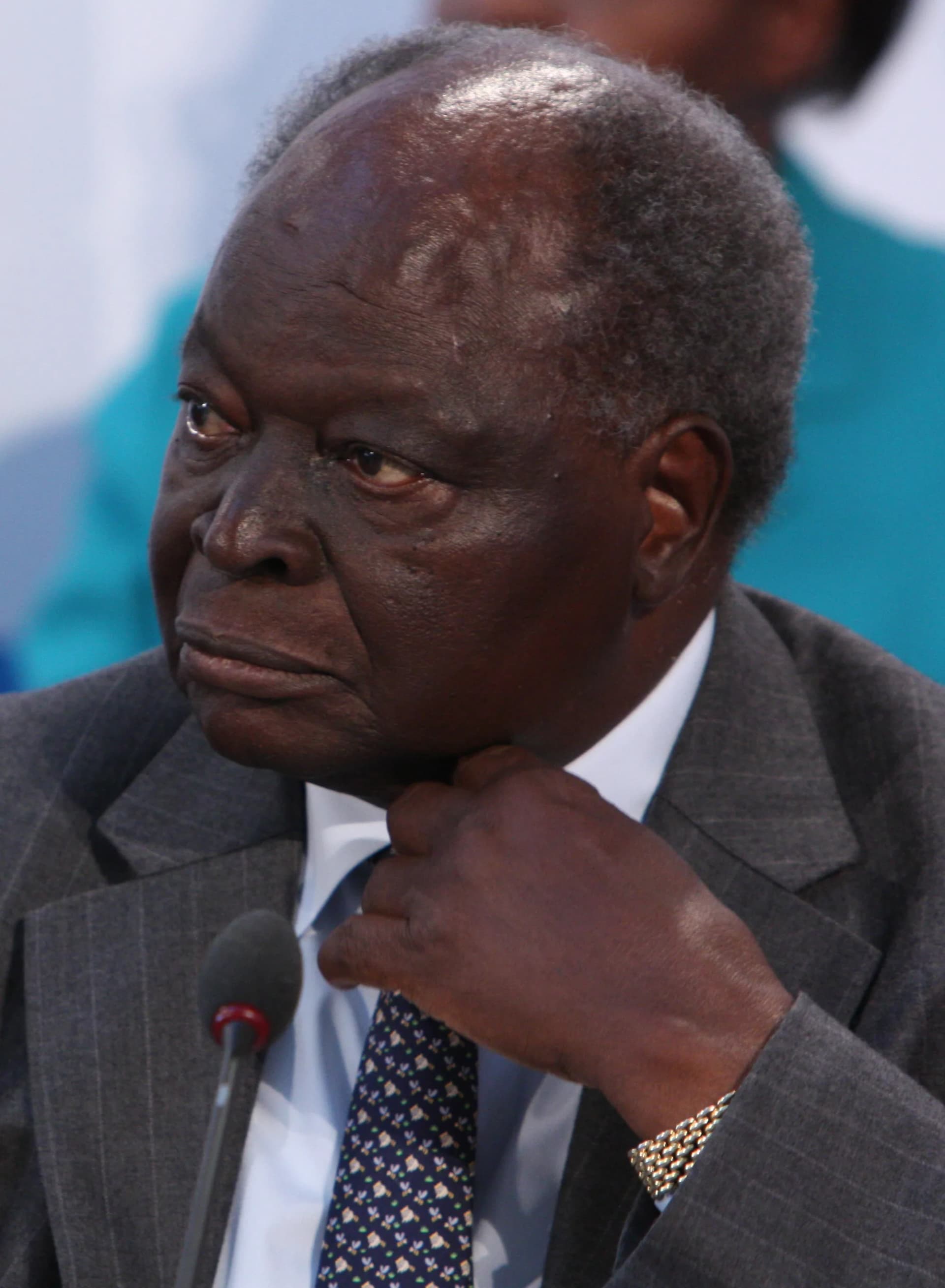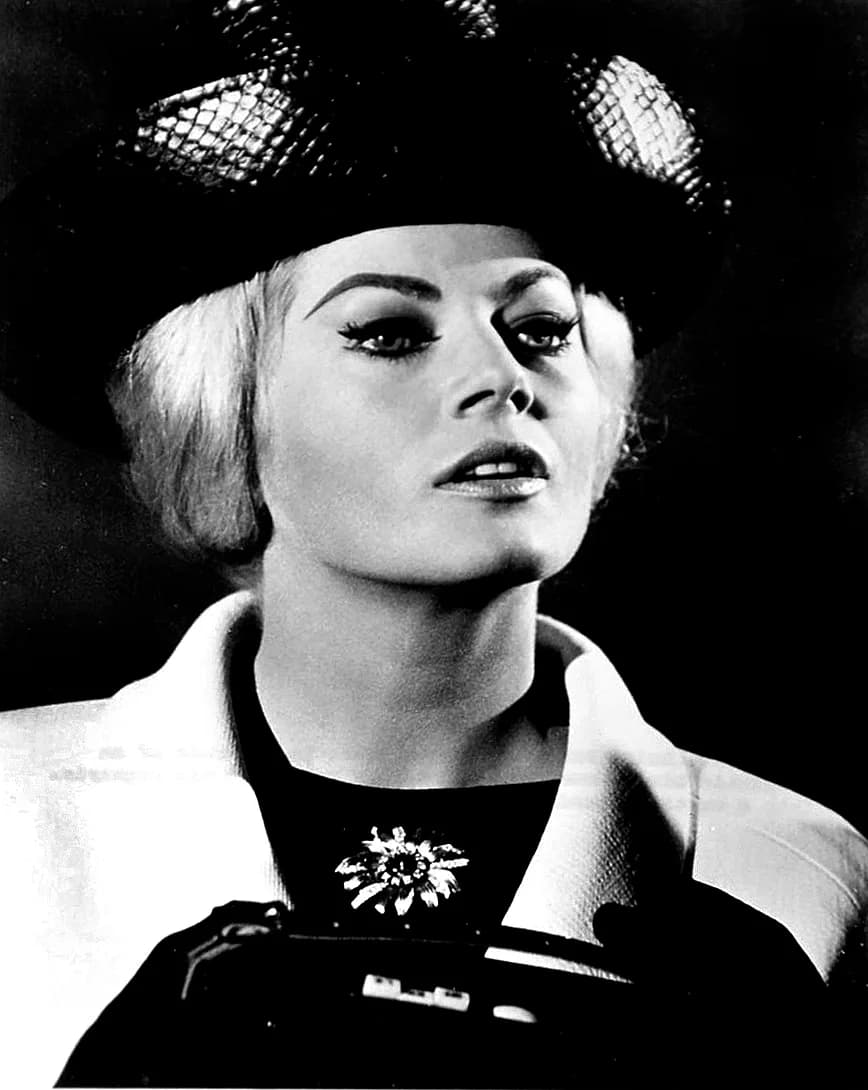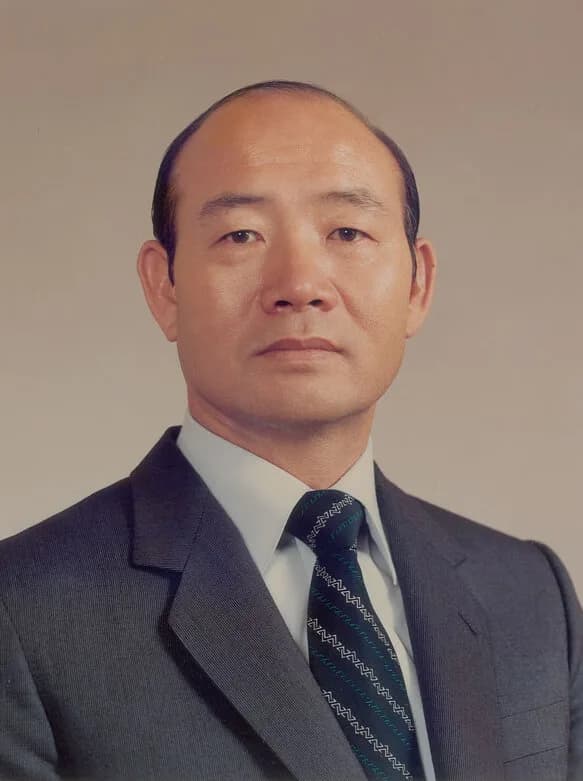
Tug'ilgan
January 29, 1931
Bánd, Hungary
Vafot etgan
May 29, 2011
Budapest, Hungary
Mashhur bo'lgan
Hungarian politician
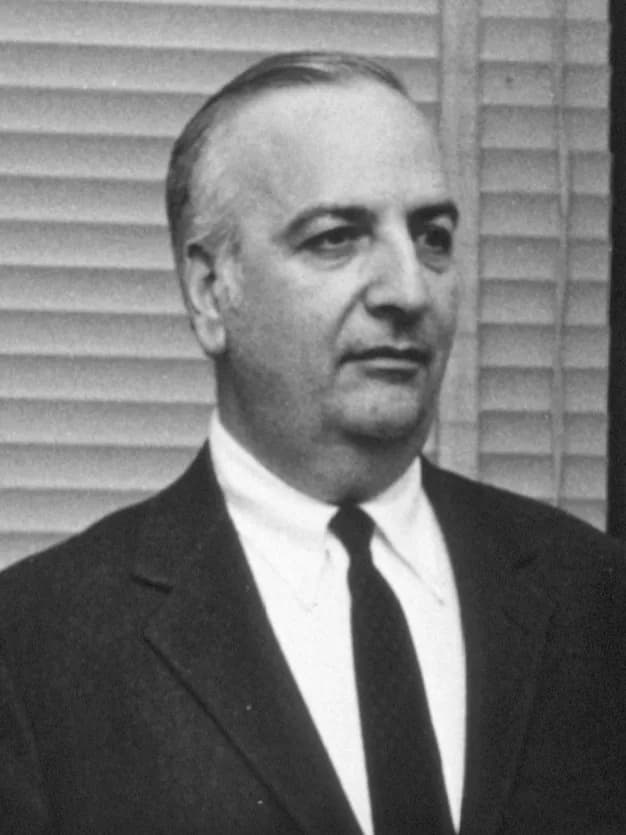
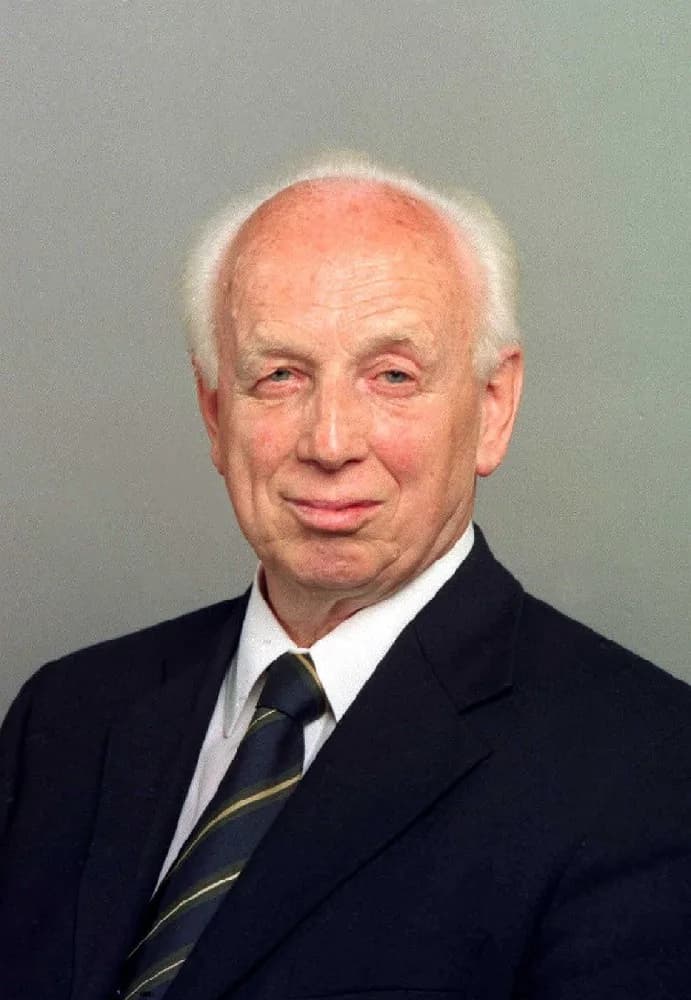
Ferenc Mádl (1931–2011) was Hungary best known for Hungarian politician.
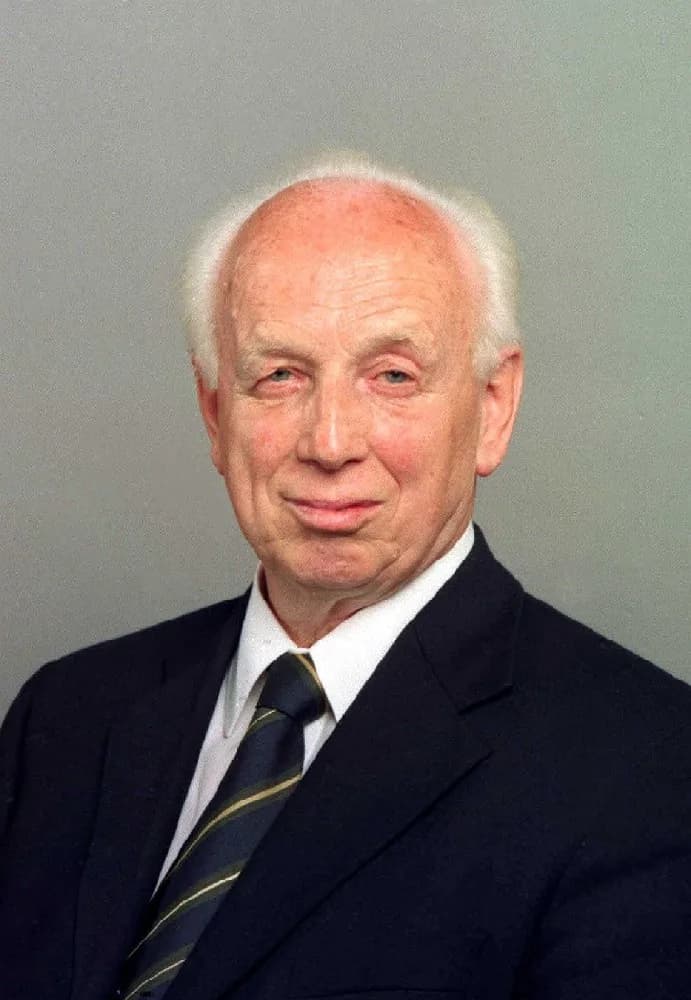
Ferenc Mádl (January 29, 1931 – May 29, 2011) was a Hungarian politician, legal scholar, and professor. He served as President of Hungary from 2000 to 2005, following terms as Minister without portfolio and Minister of Education. His career bridged academia and high public office, shaping Hungary's legal and educational landscape.
Hayot lahzalarda
Hayotni shakllantirgan lahzalar

Bob
Hayot bo'limlari
Bob 1 · 1931· 6 bobdan 1-bobi
Early Life and Origins
Ferenc Mádl's personal narrative commenced on January 29, 1931, amidst the pastoral surroundings of Bánd, a village nestled in the heart of Hungary. While specific biographical details concerning his immediate family and formative upbringing are not extensively publicized, his origins in the Hungarian countryside likely instilled in him a deep appreciation for his national heritage and the values of perseverance. Growing up in Hungary during the mid-20th century, a period marked by profound historical shifts, undoubtedly shaped his worldview and his eventual dedication to public life, providing a unique vantage point from which he would later approach national challenges.
The path that led him to become a distinguished legal scholar and university professor points towards an early and pronounced intellectual aptitude and a strong educational foundation established during his youth. This inherent drive for knowledge and a thorough understanding of the legal framework became a cornerstone of his subsequent professional and political endeavors. Mádl's remarkable progression from his provincial birthplace to the esteemed halls of academia and ultimately to the presidential palace in Budapest speaks volumes about a lifetime of continuous personal development and an unyielding commitment to serving his nation.
Bob 2· 6 bobdan 2-bobi
Career Beginnings
Ferenc Mádl initially forged his professional identity within the academic sphere, distinguishing himself as a prominent legal scholar and a dedicated university teacher. This robust scholarly background provided him with an intricate grasp of constitutional law, international legal frameworks, and public administration, a knowledge base that would prove indispensable throughout his extensive political career. His expertise and intellectual contributions within legal academia established him as a highly respected authority, earning recognition in Hungarian intellectual circles well before his formal entry into the national political landscape.
His official transition into the demanding arena of national politics began in 1990, a crucial period in Hungary's post-communist era, when he received an appointment as a minister without portfolio. This significant role, undertaken within the conservative cabinet led by József Antall, marked his inaugural direct engagement with governmental responsibilities at the highest level. It afforded him crucial early insights into the intricate complexities of national governance, the practical application of policy, and the nuanced workings of legislative and executive processes during a period of profound systemic change for Hungary.
Bob 3 · 1993· 6 bobdan 3-bobi
Major Achievements and Career Highlights
Building upon his foundational experience as a minister without portfolio, Ferenc Mádl's political influence expanded significantly with his subsequent appointment as Minister of Education, a position he held from 1993 to 1994. During this critical tenure, serving consecutively under the cabinets of József Antall and Péter Boross, he was entrusted with the formidable responsibility of steering Hungary's educational policies. This period was characterized by substantial national transformation, and Mádl's leadership in this portfolio enabled him to directly apply his profound academic insights and strategic vision to the ongoing development and essential reforms of the nation's learning institutions, shaping the future of Hungarian youth and intellectual life.
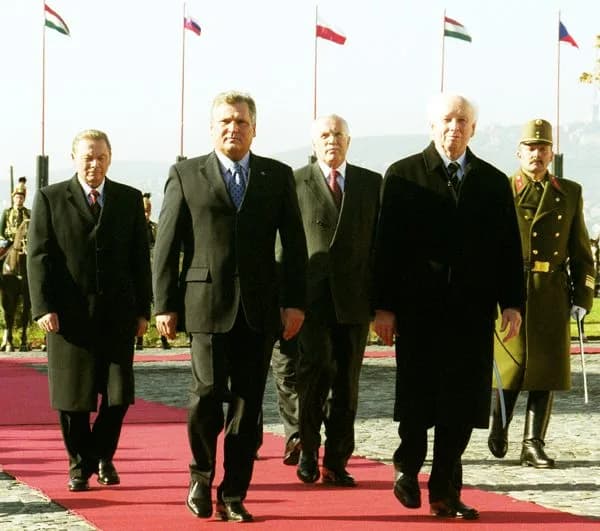
The pinnacle of his distinguished public service career arrived in the year 2000 when Ferenc Mádl was elected President of Hungary, a role he fulfilled with dignity and dedication until 2005. As head of state, he served not only as the ultimate constitutional authority but also as a powerful symbol of national unity, representing the entirety of the Hungarian people. His five-year presidency was widely recognized for its consistent display of a steady hand in leadership, an unwavering commitment to fostering democratic values, and his diligent representation of Hungary's interests and image on both the domestic and complex international stages, navigating the country through a dynamic global environment.
Bob 4· 6 bobdan 4-bobi
Notable Works or Contributions
Beyond his prominent political roles, Ferenc Mádl's deep engagement as a legal scholar and university professor profoundly enriched the intellectual fabric of Hungarian society. His extensive academic career was characterized by a steadfast dedication to legal education, where he played a crucial role in mentoring and shaping multiple generations of aspiring legal professionals. Although specific titles of his published scholarly works are not detailed in the provided information, his distinguished standing as a professor unequivocally indicates a substantial and impactful body of academic contributions, which undoubtedly influenced legal theory, discourse, and practical application within Hungary.
His remarkable transition from the erudite environment of academia to the highest echelons of political office represents a powerful synergy between profound theoretical knowledge and pragmatic, effective governance. Mádl's distinctive approach to public service was consistently informed and guided by his intricate understanding of fundamental legal principles, a direct and invaluable outcome of his many years spent rigorously as a university teacher. This exceptional intellectual rigor, coupled with his ethical framework, was a defining characteristic of his contributions to Hungarian public life, significantly informing and guiding his crucial decisions as both a national minister and as the nation's president.
Bob 5 · 2005· 6 bobdan 5-bobi
Later Years
Following the successful conclusion of his five-year term as President of Hungary in 2005, Ferenc Mádl gracefully transitioned from active political leadership, yet he remained a highly respected and influential elder statesman. The years subsequent to his presidency likely provided him with valuable time for thoughtful reflection on his extensive and consequential career, allowing him to contemplate the sweeping changes he had both witnessed and played a crucial role in implementing within the modern Hungarian state. Even as his active political responsibilities concluded, his unparalleled experience, profound wisdom, and continuous engagement with national affairs undoubtedly continued to serve as an invaluable resource and source of guidance for his successors and the broader public.
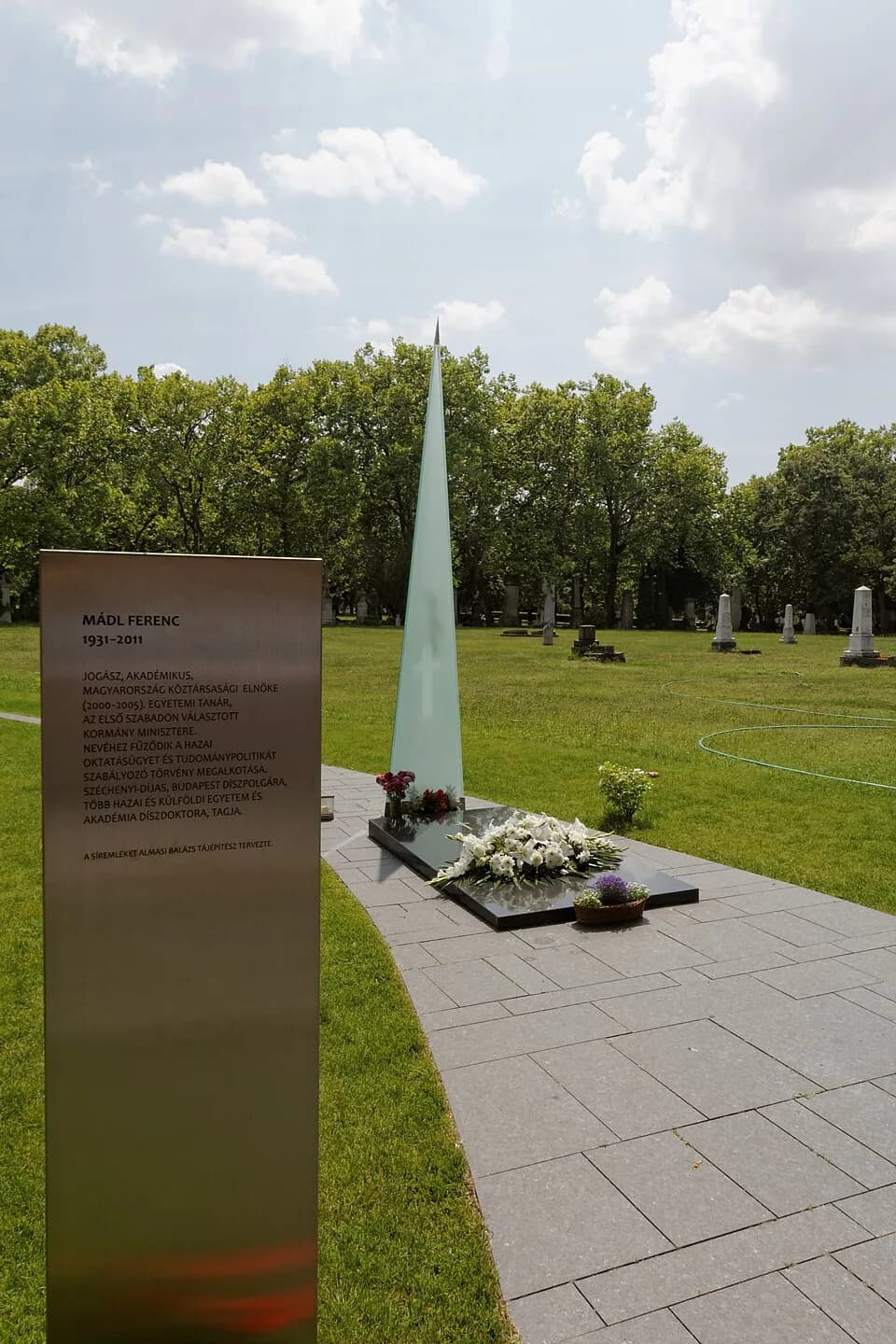
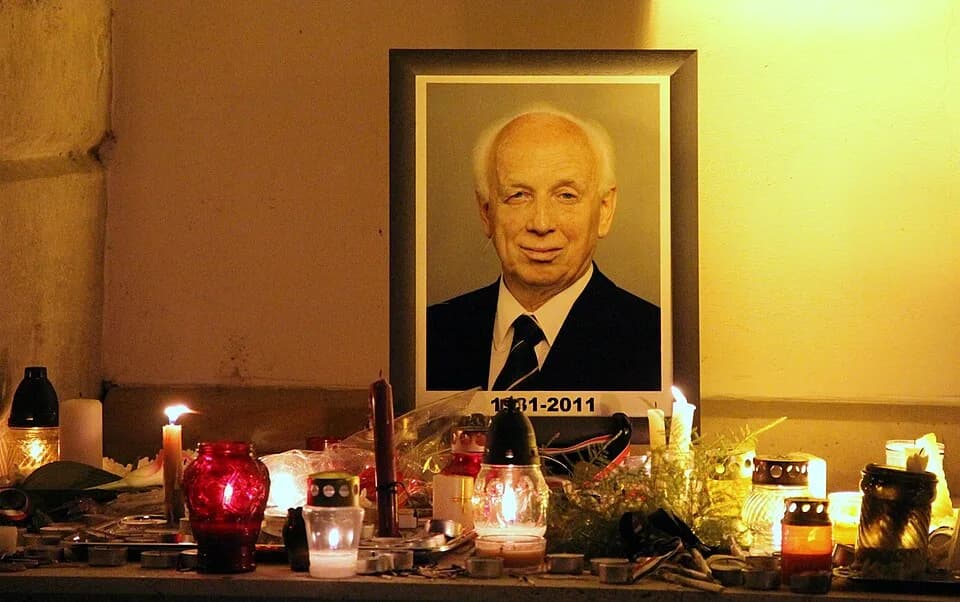
Ferenc Mádl's remarkable life came to its peaceful close on May 29, 2011, in the capital city of Budapest, Hungary, when he was eighty years old. His passing marked the solemn culmination of a life singularly devoted to the diligent service of his beloved country, a commitment that spanned many decades of rigorous academic endeavor and consequential high-level political engagement. He bequeathed to his nation an enduring legacy of integrity, intellectual steadfastness, and an unwavering dedication to the democratic principles he championed and upheld throughout every facet of his distinguished journey.
Bob 6 · 2000· 6 bobdan 6-bobi
Legacy and Impact
Ferenc Mádl's lasting legacy is firmly anchored in his composed leadership and the substantial intellectual contributions he made to Hungary during its pivotal post-transition period. As the President of Hungary from 2000 to 2005, he adeptly personified the burgeoning aspirations of a consolidating democratic nation, fostering an environment of stability and representing Hungary with an undeniable sense of dignity and purpose on the global stage. His preceding critical roles as Minister without portfolio and subsequently as Minister of Education further underscore his fundamental dedication to methodically strengthening the essential foundations of Hungarian society, from robust national governance to comprehensive educational advancements.
His multifaceted career masterfully bridged the often-disparate worlds of profound academia and demanding national politics, compellingly demonstrating how exceptional scholarly depth could be effectively translated into impactful and efficient national service. Mádl's steadfast commitment to the continuous improvement of education and his unparalleled legal expertise provided a consistent and steady guide through Hungary's perpetually evolving and often complex political landscapes. He is affectionately remembered as a towering figure who infused every position he held with deep erudition, unshakeable ethical principles, and an inherent sense of civic duty, thereby contributing immeasurably to the shape and spirit of modern Hungary.
FAQ
Tez-tez beriladigan savollar
Ferenc Mádl qachon vafot etdi?
Ferenc Mádl 29-may, 2011 sanasida Budapest, Hungaryda, 80 yoshida vafot etdi.
Ferenc Mádl qayerda tug'ilgan?
Ferenc Mádl Bánd, Hungaryda 29-yanvar, 1931 sanasida tug'ilgan.
Ferenc Mádl ko'proq nima bilan mashhur?
Ferenc Mádl ko'proq Hungarian politician bilan mashhur.
Ferenc Mádl vafot etganda necha yoshda edi?
Ferenc Mádl vafot etganda 80 yoshda edi.
Ferenc Mádl qaysi millat vakili edi?
Ferenc Mádl Hungarydan edi.
Xronologiya
Hayotga bir nazar
Foto galereya
Rasmlardagi hayot
Kattalashtirish uchun istalgan suratni bosing · 24 ta rasm
QR kod
Ushbu tarjimai holni ulashish
Chop etish va ulashish
Ushbu tarjimai hol sahifasiga tashrif buyurish uchun skanerlang. Tadbirlar, ko'rgazmalar yoki ta'lim materiallari uchun chop eting.