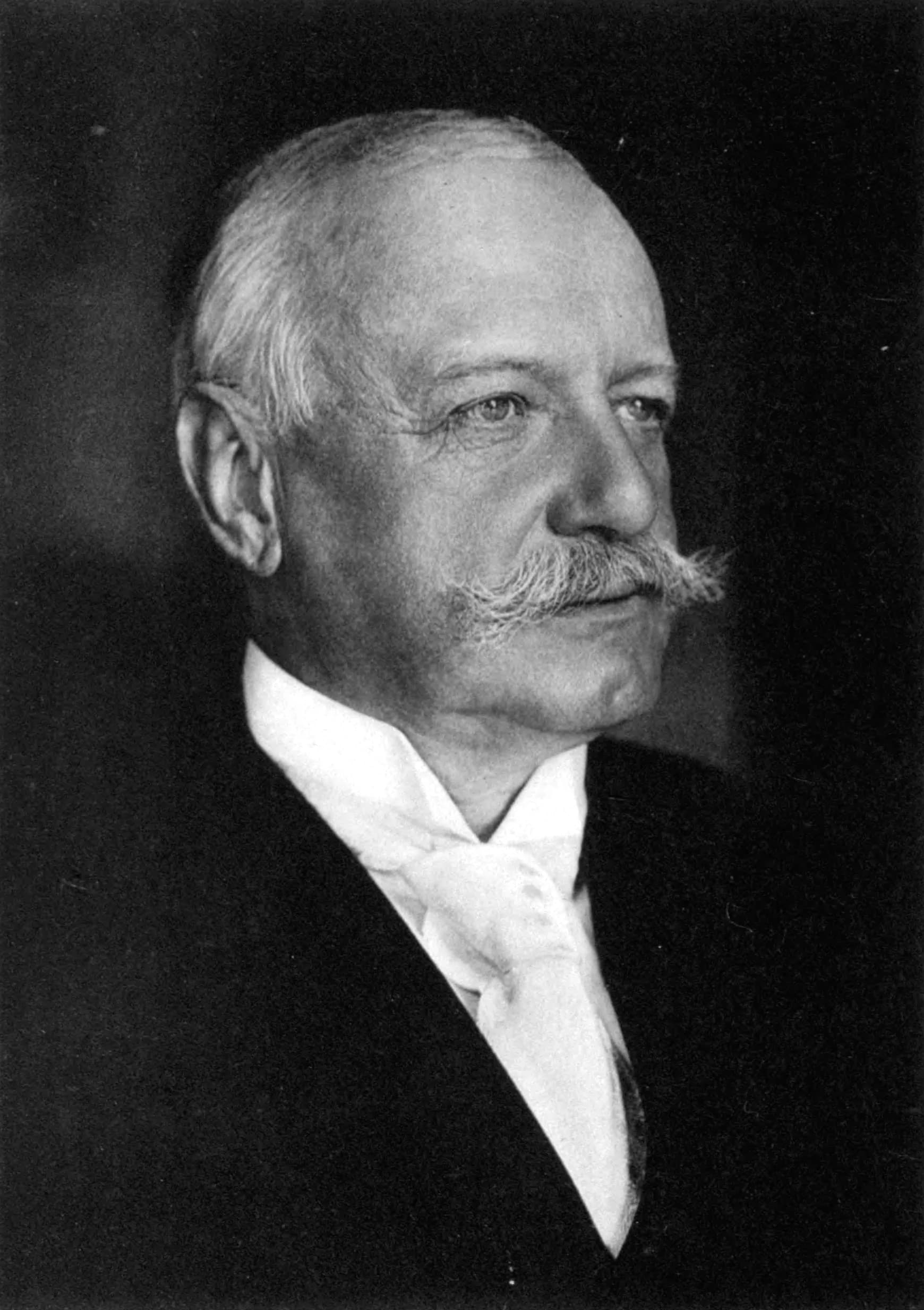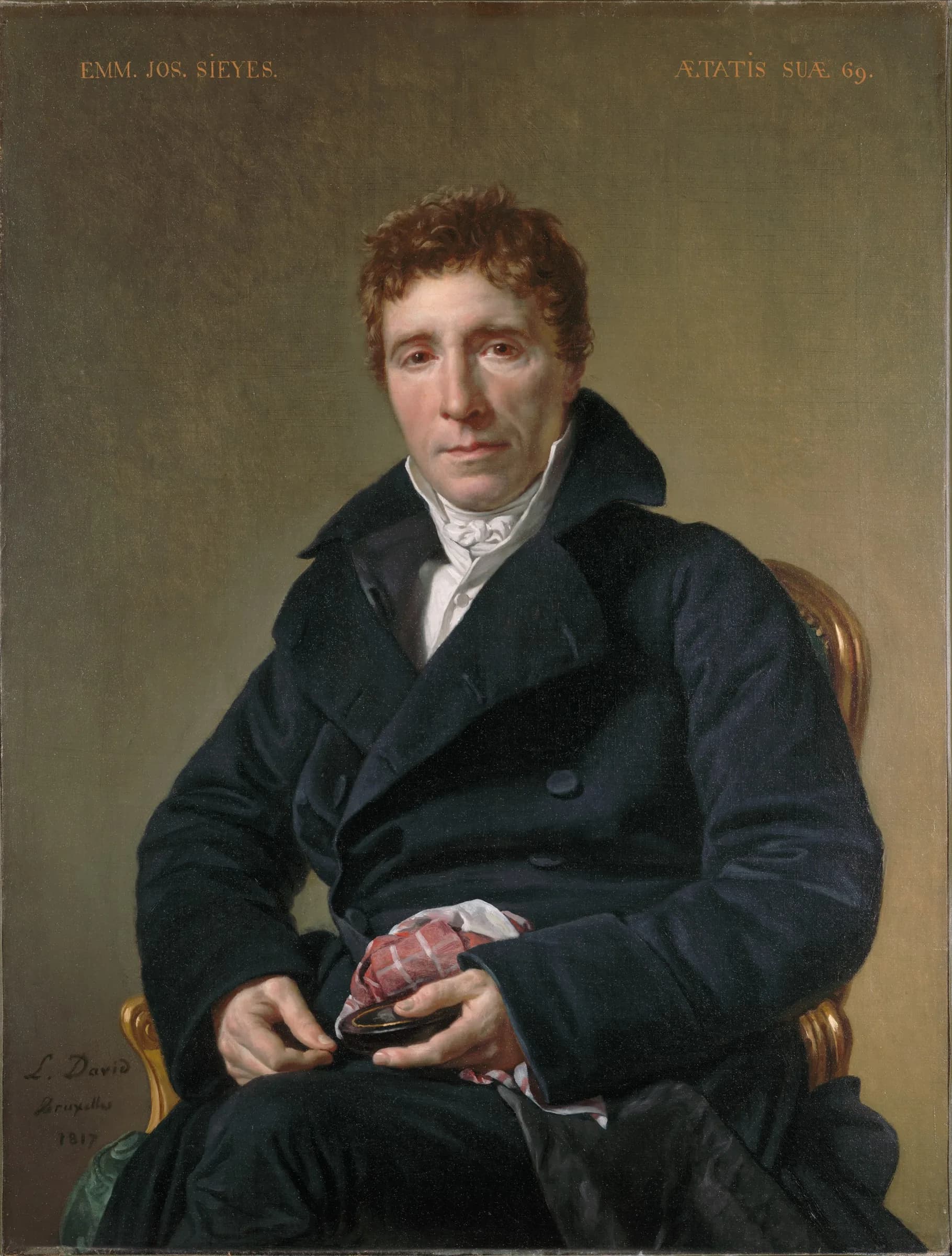
Tug'ilgan
May 3, 1748
Fréjus, France
Vafot etgan
June 20, 1836
Paris, France
Mashhur bo'lgan
French priest and statesman
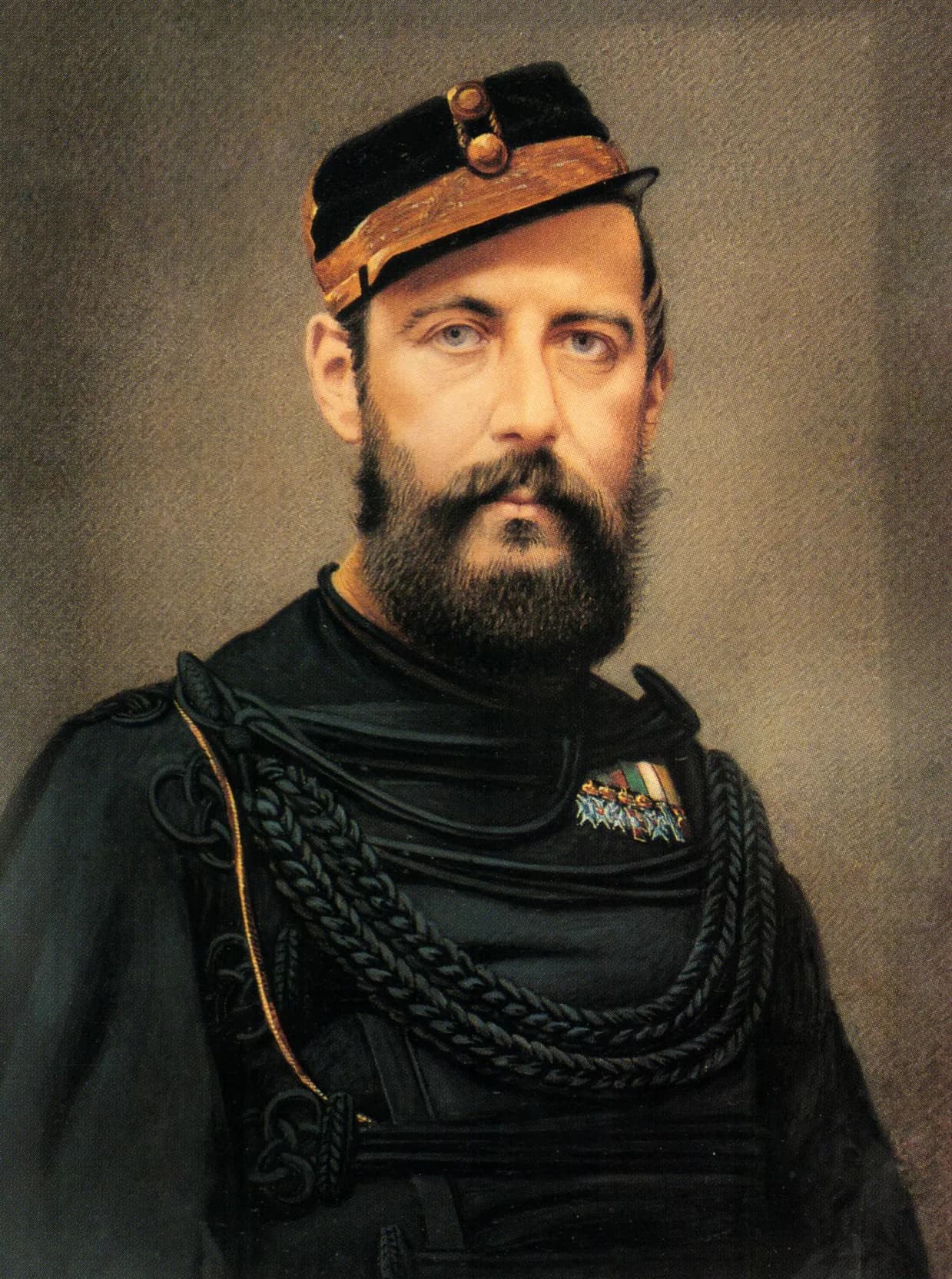
Emmanuel Joseph Sieyès (1748–1836) was France best known for French priest and statesman.
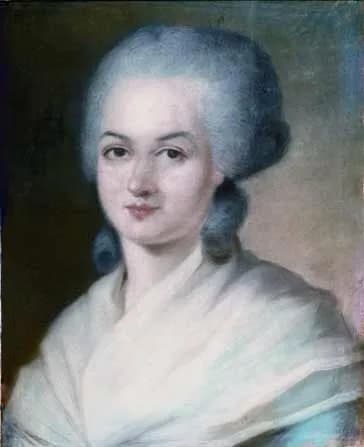
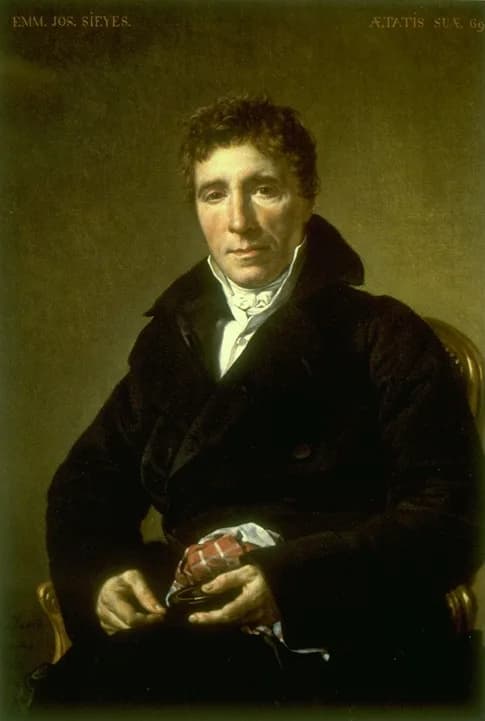
Emmanuel Joseph Sieyès (May 3, 1748 – June 20, 1836) was a French priest and statesman from Fréjus, France. He was a leading political theorist of the French Revolution, articulating key ideas that shaped the nation's new political order. Sieyès held influential offices through the Consulate and First French Empire, leaving a lasting legacy on French governance.
Hayot lahzalarda
Hayotni shakllantirgan lahzalar
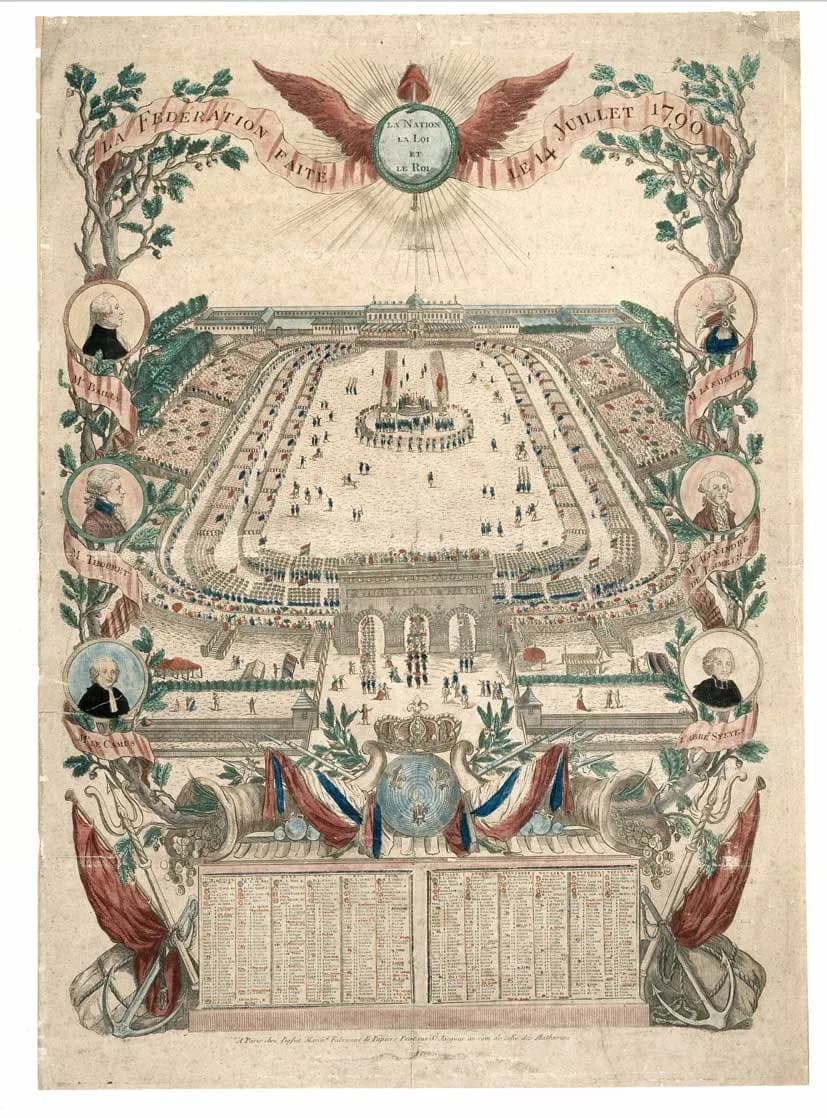
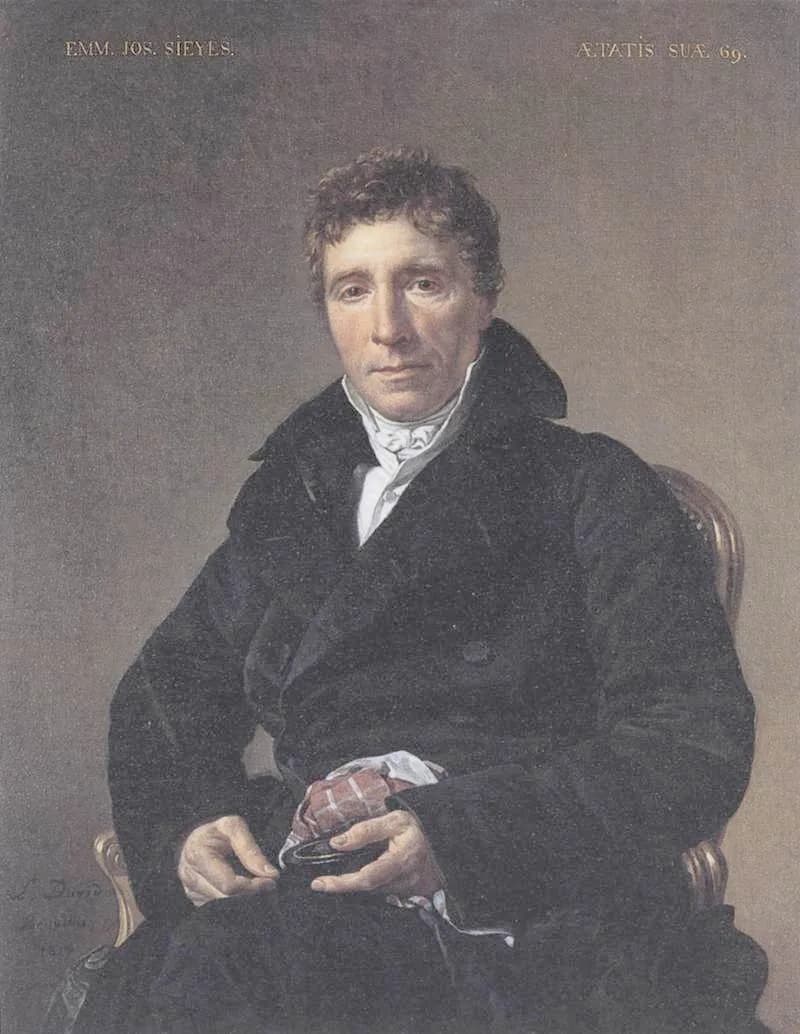
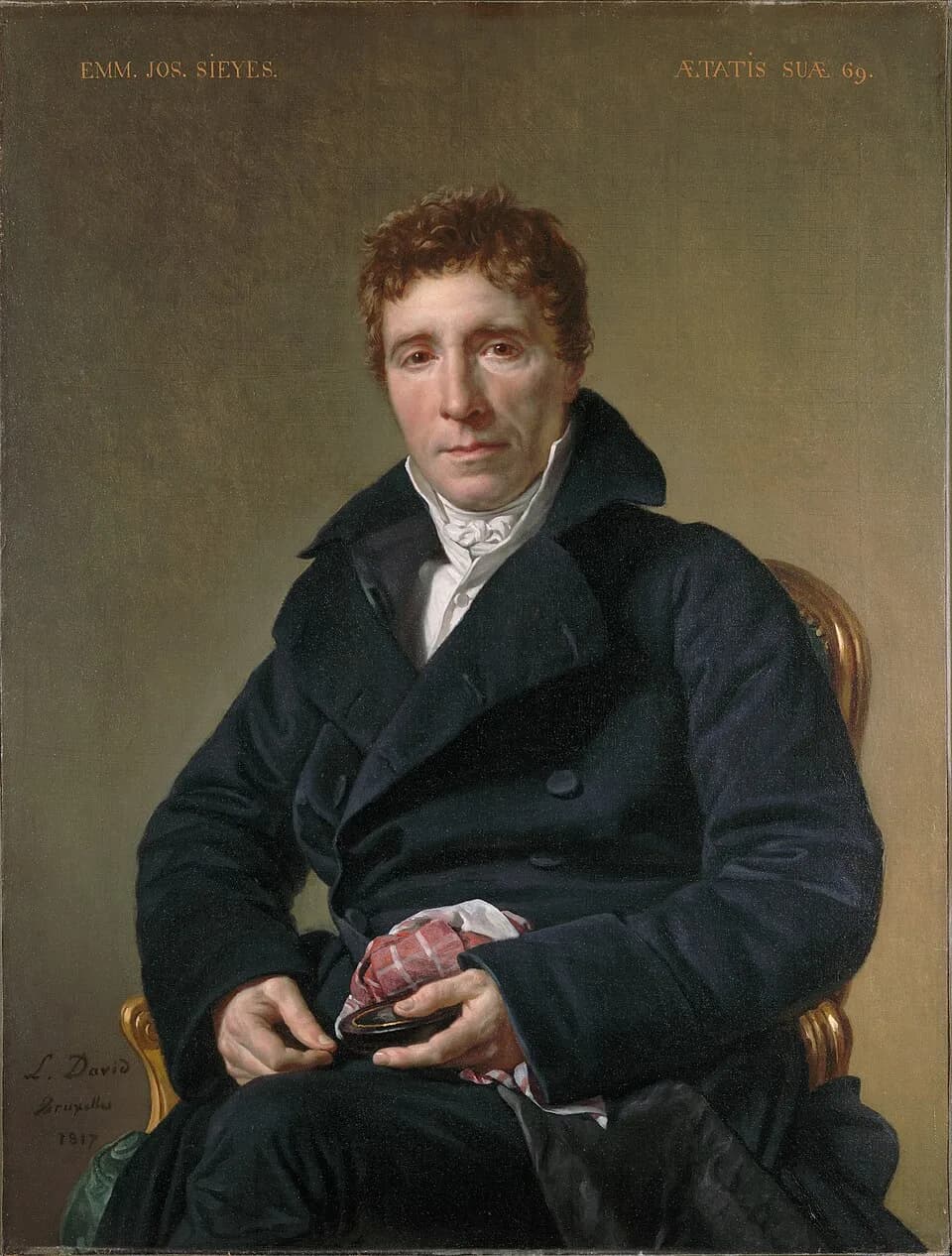
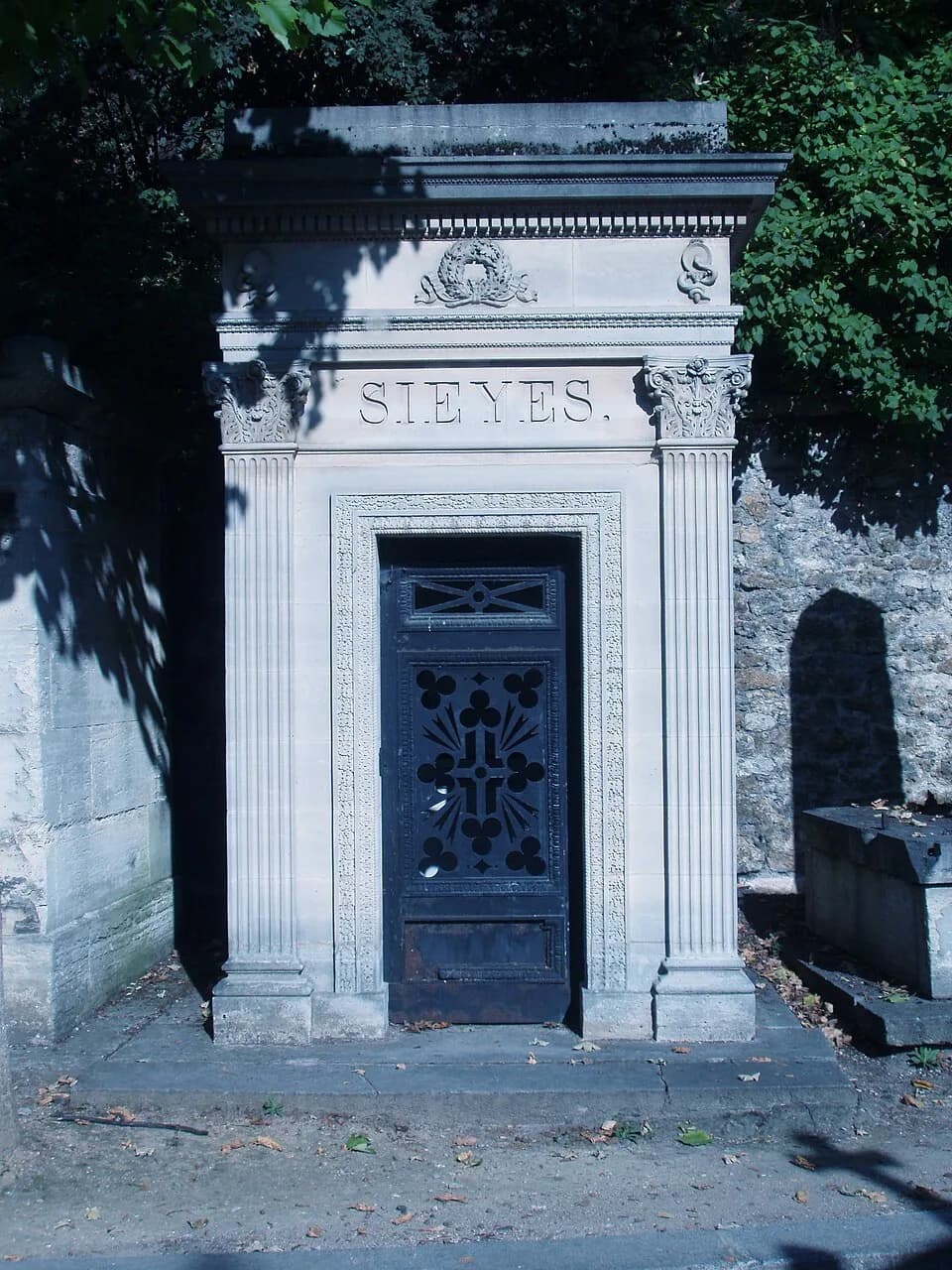
Bob
Hayot bo'limlari
Bob 1 · 1748· 6 bobdan 1-bobi
Early Life and Origins
Emmanuel Joseph Sieyès first saw the light of day on May 3, 1748, in the quiet town of Fréjus, France. His birthplace in the south of France provided the backdrop for his formative years. From a young age, Sieyès was set upon a path that would lead him into the clergy, a common avenue for intellectual development and social mobility in 18th-century France.
His early education prepared him for a life within the church, culminating in his ordination as a Latin Catholic priest. This initial professional calling instilled in him a disciplined approach to study and a deep understanding of societal structures. The experiences and observations gained during his tenure as an abbé significantly informed his evolving political consciousness and later critiques of the prevailing social order.
Bob 2· 6 bobdan 2-bobi
Career Beginnings
Sieyès's career truly began to take shape as he transcended his purely clerical duties, evolving into a prolific writer and political theorist. While serving as an abbé, he found himself increasingly drawn to the burgeoning intellectual debates that characterized pre-revolutionary France. His sharp intellect and analytical skills quickly established him as a significant voice within these circles.
He channeled his observations and theories into powerful non-fiction writings, effectively transitioning from a religious leader to a foundational political thinker. This period marked his emergence as a prominent sociologist and political theorist, whose ideas began to resonate with a populace eager for change. His early works laid the groundwork for his profound impact on the revolutionary movement that was soon to engulf France.
Bob 3 · 1789· 6 bobdan 3-bobi
Major Achievements and Career Highlights
Emmanuel Joseph Sieyès's most celebrated achievements are inextricably linked to the French Revolution, where he emerged as a leading political theorist from 1789 to 1799. His influential pamphlets and proposals helped articulate the grievances and aspirations of the Third Estate, challenging the very foundations of absolute monarchy and aristocratic privilege. His insightful analyses provided much of the intellectual scaffolding for the revolutionary agenda.
Beyond his theoretical contributions, Sieyès was a pivotal politician who actively participated in shaping the new French state. He held significant offices within the governments that followed the revolutionary period, demonstrating his adaptability and enduring influence. His political career continued through the French Consulate, where he served from 1799 to 1804, playing a crucial role in stabilizing the post-revolutionary government.
His statesmanship extended into the First French Empire, where he continued to hold important positions from 1804 to 1815, showcasing his diplomatic skills and persistent presence in the highest echelons of French power. Sieyès was not merely an ideologue; he was a practical politician and diplomat who navigated the complex and often perilous political landscape of his era. His consistent involvement in successive governments underscores his central importance during a period of monumental institutional change.
Bob 4 · 1789· 6 bobdan 4-bobi
Notable Works or Contributions
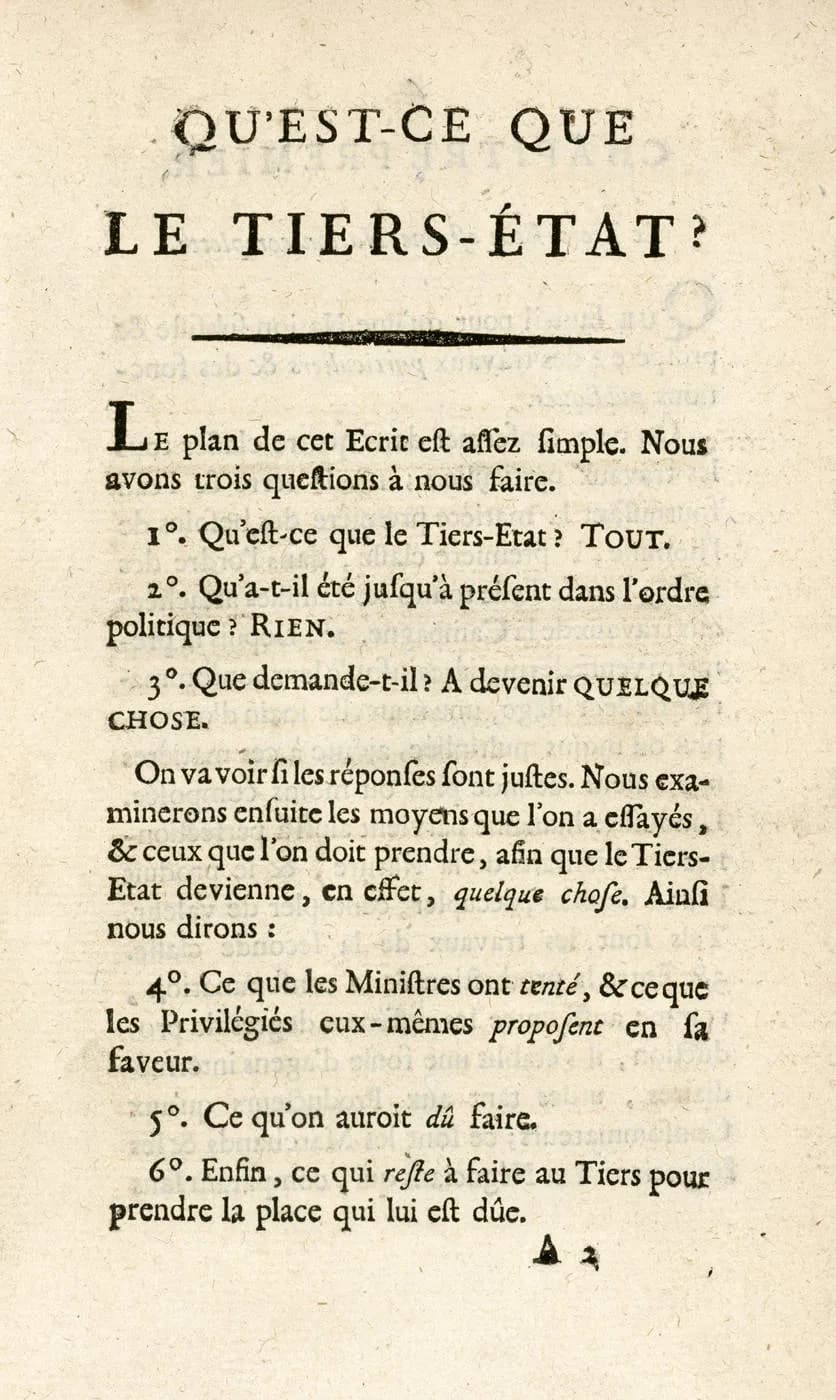
Sieyès's intellectual legacy is anchored by his groundbreaking written contributions, which profoundly influenced the course of modern political thought. Foremost among these is his seminal pamphlet, Que es el estado llano? (What is the Third Estate?), published in January 1789. This powerful work articulated the grievances of the unprivileged common people, arguing for their essential role and rightful place in the nation, thereby becoming a rallying cry for the French Revolution.
Beyond this iconic text, Sieyès produced a substantial body of work reflecting his deep engagement with the political and social issues of his time. His writings included legislative proposals, speeches, and analytical essays that addressed various aspects of governance and societal structure. Among his other significant contributions were Opinion en résponse à la dénonciation de l'arrêté du département de Paris sur les édifices religieux et la liberté générale des cultes and Discours à la célébration de l'anniversaire du 10 août, demonstrating his engagement with religious freedom and revolutionary anniversaries.
He also authored technical reports and legislative frameworks, such as Rapport du comité de défense générale and Projet d'un décret provisoire sur le clergé, &c, showcasing his practical contributions to law and public administration. His detailed propositions, like Loi relative à la disposition des successions échues aux familles d'émigrés and Loi qui détermine le mode de paiement des créanciers des successions échues à la République, comme représentant les émigrés, depuis le 9 floréal an III, highlight his work in reforming property and inheritance laws during the revolutionary upheavals. His diverse portfolio establishes him as a critical non-fiction writer and intellectual architect of his age.
Bob 5· 6 bobdan 5-bobi
Later Years
Following the intense period of the French Revolution, Emmanuel Joseph Sieyès continued his active role in the evolving political landscape of France. His experience and intellectual depth ensured his continued relevance during the transition to the French Consulate, where he contributed significantly to the establishment of new governmental structures. Even as the political climate shifted, his expertise as a statesman and political theorist remained in demand.
He maintained his presence in public life through the First French Empire, a testament to his enduring influence and ability to adapt to changing regimes. His later years were marked by a continued, albeit less overtly revolutionary, engagement with the affairs of state. Sieyès ultimately passed away in Paris, France, on June 20, 1836, concluding a long life that spanned critical epochs of French history.
Bob 6· 6 bobdan 6-bobi
Legacy and Impact
The legacy of Emmanuel Joseph Sieyès is profound, marking him as one of the most influential political thinkers of his era. As a leading political theorist, his ideas provided the intellectual groundwork for dismantling the Old Regime and establishing a new republican order in France. His advocacy for national sovereignty and representative government fundamentally reshaped the discourse on political legitimacy and popular participation.
His contributions as a sociologist and statesman extended beyond mere theory, influencing the practical construction of new institutions and constitutional frameworks. The principles he articulated continue to be studied for their insight into the dynamics of revolution and the challenges of nation-building. Sieyès's enduring impact lies in his articulate foresight and his capacity to translate complex political philosophy into actionable principles for governmental reform. He remains an indispensable figure in understanding the origins and unfolding of modern French political identity.
FAQ
Tez-tez beriladigan savollar
Emmanuel Joseph Sieyès qachon vafot etdi?
Emmanuel Joseph Sieyès 20-iyun, 1836 sanasida Paris, Franceda, 88 yoshida vafot etdi.
Emmanuel Joseph Sieyès qayerda tug'ilgan?
Emmanuel Joseph Sieyès Fréjus, Franceda 3-may, 1748 sanasida tug'ilgan.
Emmanuel Joseph Sieyès ko'proq nima bilan mashhur?
Emmanuel Joseph Sieyès ko'proq French priest and statesman bilan mashhur.
Emmanuel Joseph Sieyès vafot etganda necha yoshda edi?
Emmanuel Joseph Sieyès vafot etganda 88 yoshda edi.
Emmanuel Joseph Sieyès qaysi millat vakili edi?
Emmanuel Joseph Sieyès Francedan edi.
Xronologiya
Hayotga bir nazar
Foto galereya
Rasmlardagi hayot
Kattalashtirish uchun istalgan suratni bosing · 46 ta rasm
QR kod
Ushbu tarjimai holni ulashish
Chop etish va ulashish
Ushbu tarjimai hol sahifasiga tashrif buyurish uchun skanerlang. Tadbirlar, ko'rgazmalar yoki ta'lim materiallari uchun chop eting.