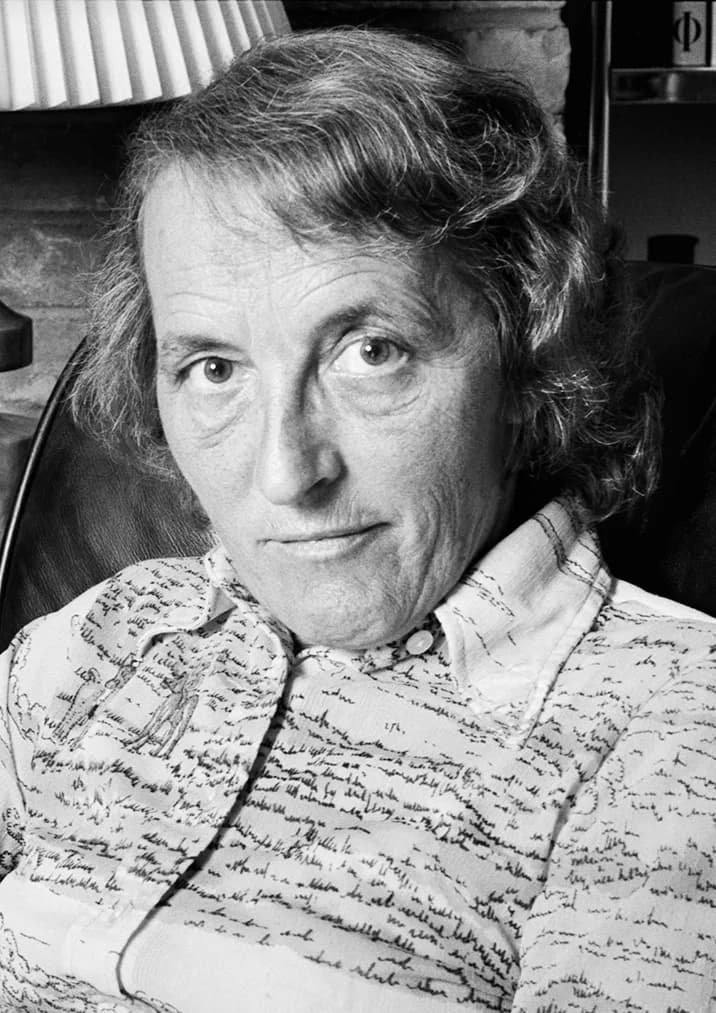
Tug'ilgan
July 8, 1926
Zurich, Switzerland
Vafot etgan
August 24, 2004
Scottsdale, United States
Mashhur bo'lgan
Swiss-American psychiatrist and pioneer in near-death studies
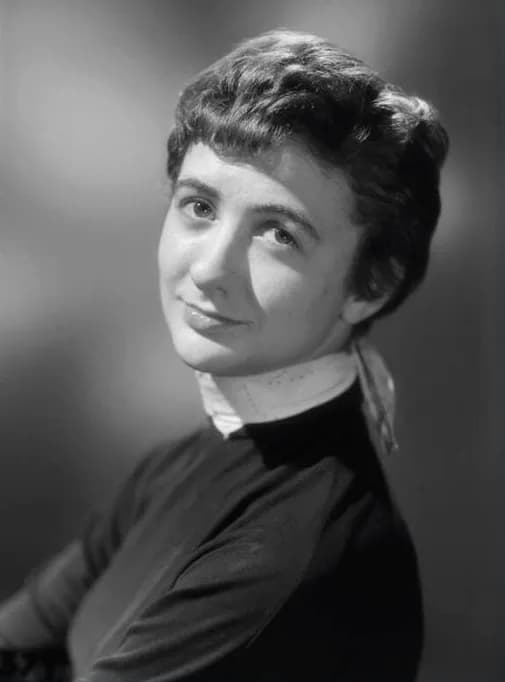
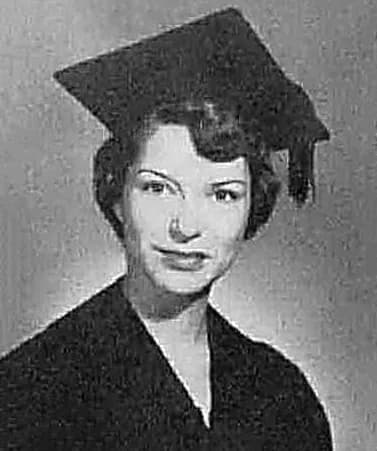
Elisabeth Kübler-Ross (1926–2004) was Switzerland best known for Swiss-American psychiatrist and pioneer in near-death studies.
Elisabeth Kübler-Ross (July 8, 1926 – August 24, 2004) was a Swiss-American psychiatrist and a pioneer in near-death studies. She developed the widely recognized five stages of grief, known as the "Kübler-Ross model." Her work profoundly influenced palliative care and how society approaches death and dying.
Hayot lahzalarda
Hayotni shakllantirgan lahzalar

Bob
Hayot bo'limlari
Bob 1 · 1926· 7 bobdan 1-bobi
Early Life and Origins
Born in Zurich, Switzerland, on July 8, 1926, Elisabeth Kübler-Ross began her life in a country renowned for its scientific and humanitarian contributions. Her Swiss upbringing undoubtedly shaped her perspective, fostering an early dedication to human understanding and care. Though specific details of her family and early education are not provided, her eventual path into medicine and psychiatry suggests a foundational commitment to helping others navigate complex human experiences.
Bob 2· 7 bobdan 2-bobi
Career Beginnings
Kübler-Ross's professional journey led her to become a Swiss-American psychiatrist, demonstrating her bicultural identity and broad professional scope. Her early work gravitated towards areas often overlooked by mainstream medicine, specifically end-of-life care. This focus eventually positioned her as a significant advocate for palliative care and the establishment of hospice services, which were then emerging fields dedicated to comforting the terminally ill.
Bob 3· 7 bobdan 3-bobi
Major Achievements and Career Highlights
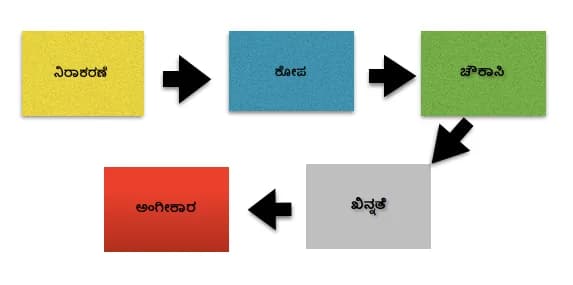
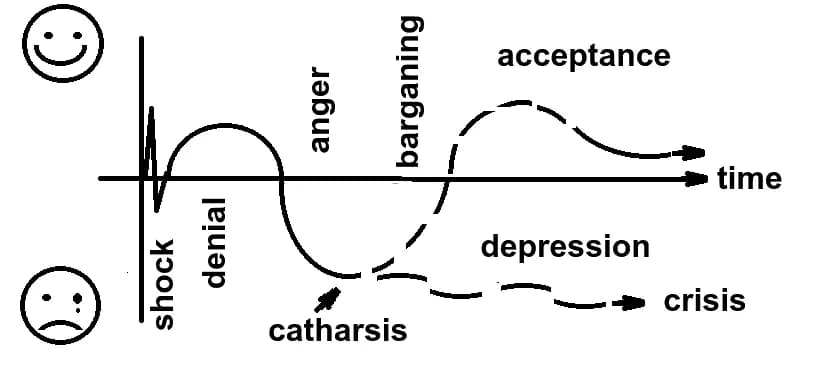
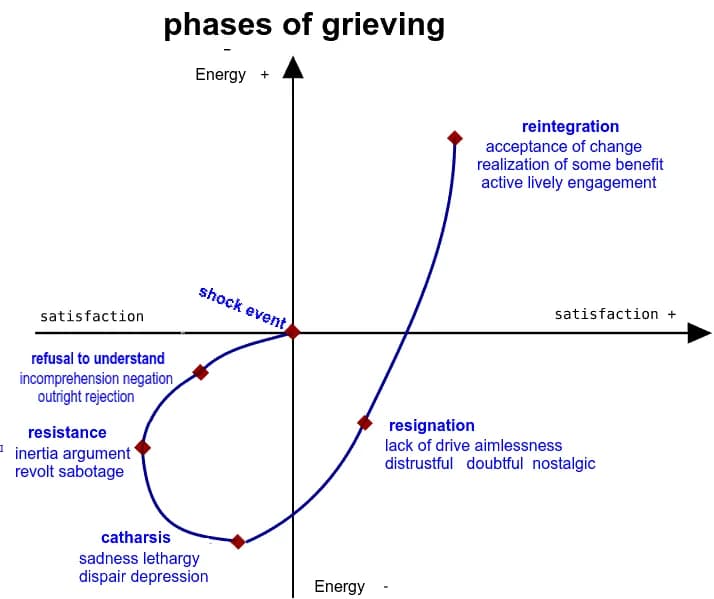
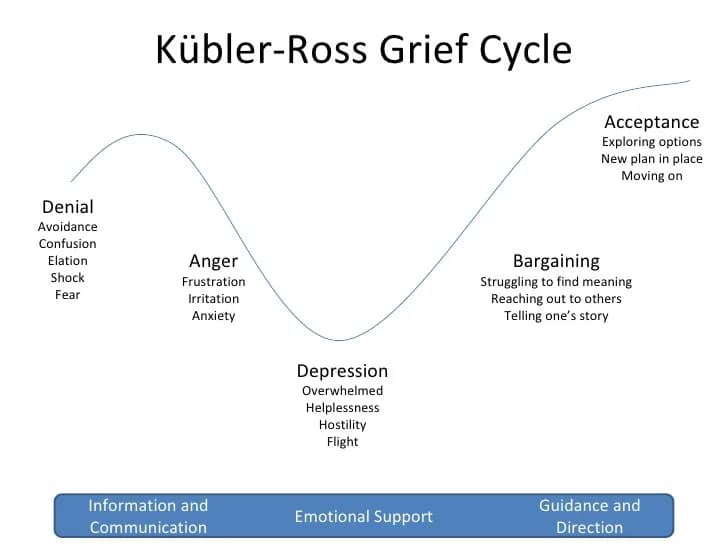
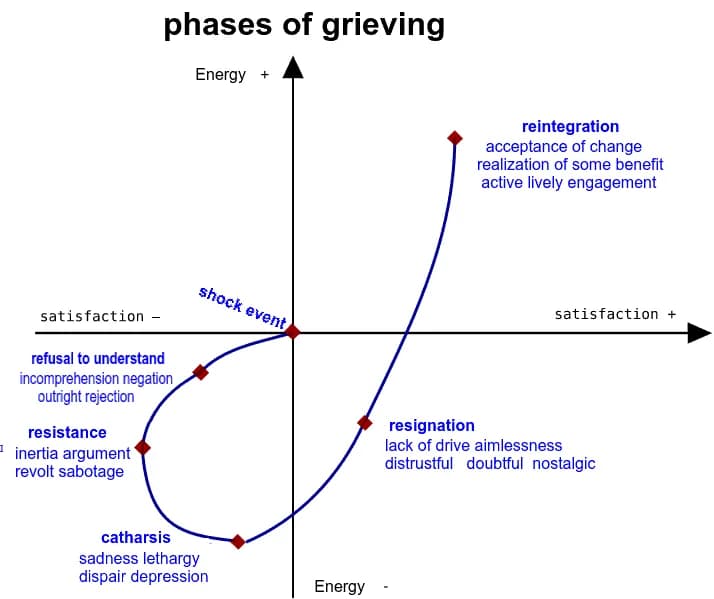
Among her most significant accomplishments, Elisabeth Kübler-Ross developed the five stages of grief, a model that describes the emotional process individuals often experience when facing loss or impending death. This framework, commonly known as the "Kübler-Ross model," includes denial, anger, bargaining, depression, and acceptance. Furthermore, she became a pioneer in near-death studies, exploring the experiences of individuals who had been clinically dead and revived. Her dedicated research and advocacy brought these previously taboo subjects into public and medical discourse, forever altering the approach to death and dying.
Bob 4· 7 bobdan 4-bobi
Personal Life
Elisabeth Kübler-Ross was a Swiss national who later embraced American citizenship, embodying a blend of cultural perspectives. She was born in the scenic city of Zurich, Switzerland, and spent her final years in Scottsdale, United States, where she died. While the provided information focuses on her professional endeavors, her choice to become Swiss-American underscores a life lived across continents and cultures.
Bob 5· 7 bobdan 5-bobi
Notable Works and Contributions
Elisabeth Kübler-Ross was a prolific writer, sharing her insights through numerous influential books that explored death, grief, and the human spirit. Her bibliography includes significant titles such as "Dialogues on Death and Dying," which provided an early and essential exploration of end-of-life conversations. Other works like "Wheel of Life" and "La Rueda de la Vida" offered personal reflections and philosophical insights into existence. Her contributions also extended to "ha-Ḥayim she-aḥare ha-ḥayim..." and "Ḥayim be-tsel ha-maṿet," alongside "Accueillir la mort," "La mort est un nouveau soleil," "Petite philosophie pour temps variable," "Real Taste of Life Journal," and "Conferencias." These works collectively disseminated her ideas and helped shape public understanding of dying and bereavement.
Bob 6 · 2004· 7 bobdan 6-bobi
Later Years
Elisabeth Kübler-Ross continued her influential work into her later years, solidifying her legacy as a compassionate and insightful expert. She passed away on August 24, 2004, in Scottsdale, United States, after a life dedicated to service and enlightenment. Her final years saw the enduring relevance of her teachings, which continued to guide individuals and professionals alike in the sensitive realm of death and grief. Her passing marked the end of a life well-lived, leaving behind a wealth of knowledge and comfort.
Bob 7· 7 bobdan 7-bobi
Legacy and Impact
The legacy of Elisabeth Kübler-Ross extends far beyond her lifetime, having fundamentally transformed how societies and medical professionals approach death and dying. Her five stages of grief model remains a cornerstone in thanatology and psychology, offering a widely recognized framework for understanding loss. Her pioneering efforts in near-death studies opened new avenues for research and contemplation on the nature of consciousness and existence. Through her advocacy for palliative care and the hospice movement, she humanized the dying process, emphasizing dignity and comfort for patients and their families. Her tireless work ensures that discussions around death are met with greater openness, empathy, and informed care.
FAQ
Tez-tez beriladigan savollar
Elisabeth Kübler-Ross qachon vafot etdi?
Elisabeth Kübler-Ross 24-avgust, 2004 sanasida Scottsdale, United Statesda, 78 yoshida vafot etdi.
Elisabeth Kübler-Ross qayerda tug'ilgan?
Elisabeth Kübler-Ross Zurich, Switzerlandda 8-iyul, 1926 sanasida tug'ilgan.
Elisabeth Kübler-Ross ko'proq nima bilan mashhur?
Elisabeth Kübler-Ross ko'proq Swiss-American psychiatrist and pioneer in near-death studies bilan mashhur.
Elisabeth Kübler-Ross vafot etganda necha yoshda edi?
Elisabeth Kübler-Ross vafot etganda 78 yoshda edi.
Elisabeth Kübler-Ross qaysi millat vakili edi?
Elisabeth Kübler-Ross Switzerlanddan edi.
Xronologiya
Hayotga bir nazar
Foto galereya
Rasmlardagi hayot
Kattalashtirish uchun istalgan suratni bosing · 22 ta rasm
QR kod
Ushbu tarjimai holni ulashish
Chop etish va ulashish
Ushbu tarjimai hol sahifasiga tashrif buyurish uchun skanerlang. Tadbirlar, ko'rgazmalar yoki ta'lim materiallari uchun chop eting.