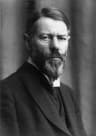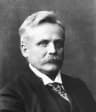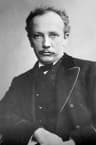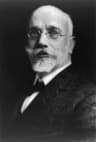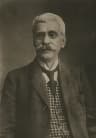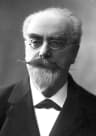
Tug'ilgan
November 11, 1864
Vienna, Austria
Vafot etgan
May 5, 1921
Vienna, Austria
Mashhur bo'lgan
Austrian Jewish pacifist, publicist, journalist and Nobel Peace Prize laureate
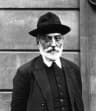
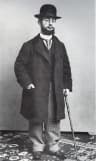
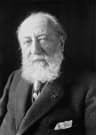
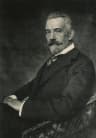
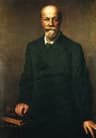
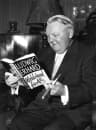
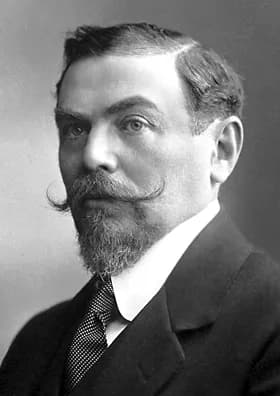
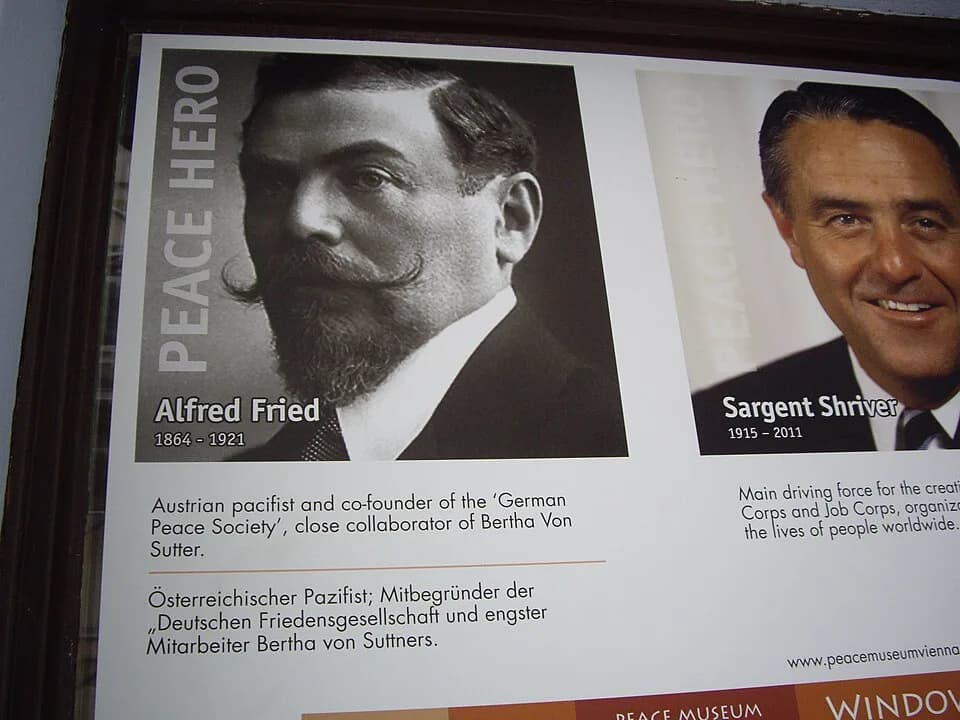
Alfred Hermann Fried (1864–1921) was Austria best known for Austrian Jewish pacifist, publicist, journalist and Nobel Peace Prize laureate.
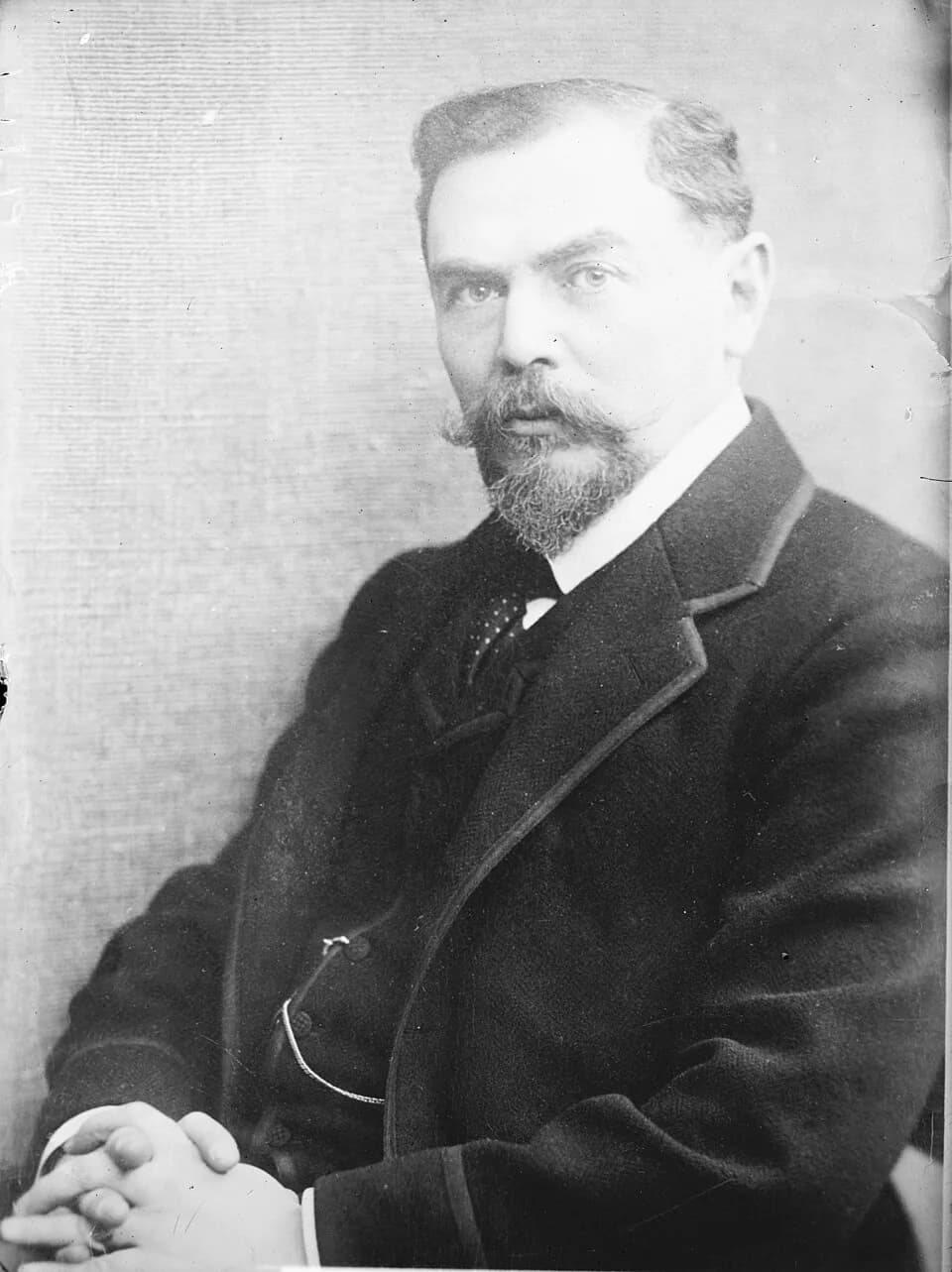
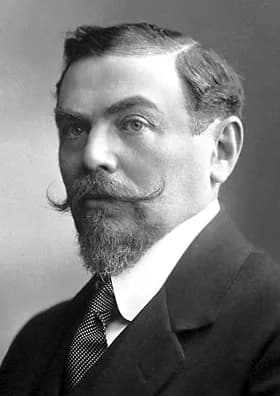
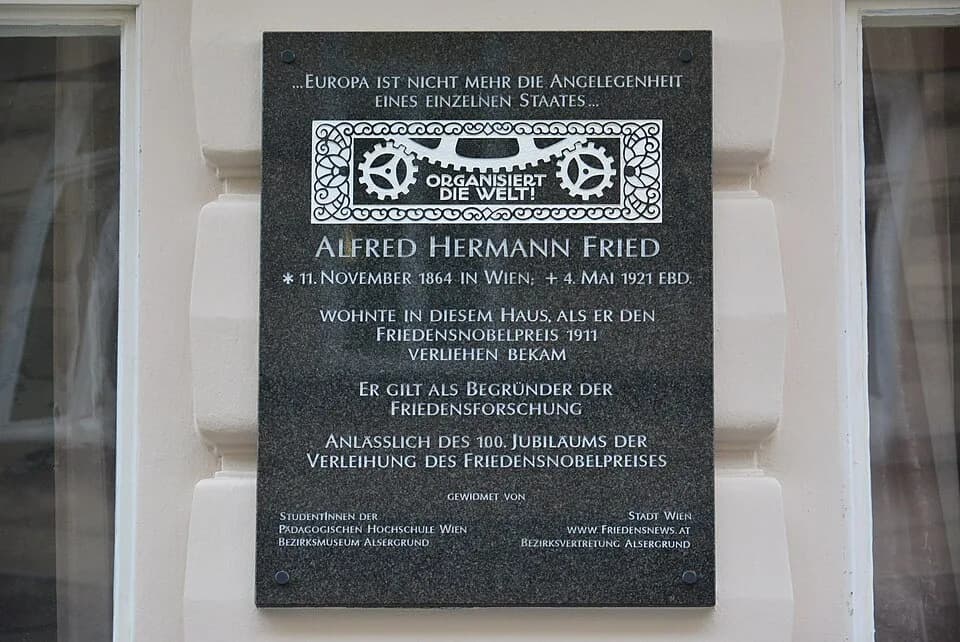
Alfred Hermann Fried (November 11, 1864 – May 5, 1921) was an Austrian Jewish pacifist, publicist, and journalist from Vienna, Austria. He was awarded the Nobel Peace Prize in 1911 for his efforts to expose and fight the anarchy in international relations. His advocacy for peace and Esperanto left a lasting influence on global diplomacy.
Bob
Hayot bo'limlari
Bob 1 · 1864· 8 bobdan 1-bobi
Opening Our Tribute to Alfred Hermann Fried
Alfred Hermann Fried (1864–1921) was an influential Austrian Jewish pacifist, publicist, and journalist whose life was dedicated to the critical pursuit of international peace. Born in Vienna, Austria, he emerged as a leading figure in the early 20th-century peace movement, advocating for diplomatic solutions in an era often defined by rising international tensions. His profound commitment to preventing global conflict and fostering a spirit of cooperation earned him global recognition, establishing him as a significant moral voice.
As a distinguished writer, Esperantist, and opinion journalist, Fried utilized his platforms to challenge the prevailing norms of international relations. He was a co-founder of the German peace movement, playing a central role in shaping its direction and impact through his insightful writings and organizational efforts. His tireless work culminated in the prestigious Nobel Peace Prize in 1911, a clear acknowledgment of his significant contributions to the cause of humanity and his sharp analysis of world affairs.
Bob 2 · 1864· 8 bobdan 2-bobi
Early Life and Origins
Alfred Hermann Fried was born on November 11, 1864, in Vienna, the historic and cultural capital of Austria. Growing up in a period of dynamic political and social change across Europe, his formative years in this vibrant city likely contributed to his acute awareness of international affairs and the urgent need for stability. While specific biographical details about his early family life and formal education are not extensively documented, his later intellectual output suggests a background that fostered deep critical thinking and a profound sense of moral purpose towards peace.
His birthplace, Vienna, was a melting pot of ideas and cultures, providing a unique backdrop against which his future work for international understanding would resonate with many. This environment undoubtedly influenced his conviction that peace was not merely the absence of war, but a structured system of cooperative relations built on mutual respect and shared interests. Fried’s journey from a young man in Vienna to a globally recognized pacifist demonstrates a remarkable personal evolution driven by powerful ideals and an unwavering vision for a better world.
Bob 3· 8 bobdan 3-bobi
Career Beginnings and Journalistic Path
Fried began his professional life as a publicist and journalist, positions that allowed him to articulate his burgeoning ideas on peace and international relations with a wide audience. He quickly established himself as a compelling writer and opinion journalist, utilizing the power of the press to disseminate his progressive views on diplomacy and global governance. His early engagement in public discourse laid the groundwork for his eventual leadership within the burgeoning peace movement, giving him a powerful voice in a crucial era.
Through his consistent contributions to various publications, Fried developed a distinctive voice that championed diplomacy, arbitration, and mutual respect between nations. This initial phase of his career was crucial in shaping his methodologies for advocacy, preparing him for the larger role he would play in co-founding and guiding organized peace efforts across Germany and beyond. He believed passionately in the power of an informed public opinion to alter the course of national policies away from conflict and towards cooperation.
Bob 4· 8 bobdan 4-bobi
Major Achievements and Career Highlights
One of Alfred Hermann Fried’s most enduring achievements was his role as a co-founder of the German peace movement, established to actively challenge militarism and advocate for peaceful resolutions. This initiative represented a concerted effort to establish a formal and influential voice for pacifism within a nation often at the heart of European power struggles. He dedicated himself to building a strong organizational foundation for peace advocacy, believing firmly in the strength of collective action to inspire change.
His relentless efforts and insightful critiques of international relations were recognized with the Nobel Peace Prize in 1911, a truly global honor. The Nobel Committee specifically acknowledged his work in exposing and combating "the anarchy in international relations," which he precisely identified as a fundamental cause of war. This prestigious award highlighted his intellectual leadership and the global significance of his pacifist philosophy, drawing worldwide attention to the urgent need for structural changes in international policy.
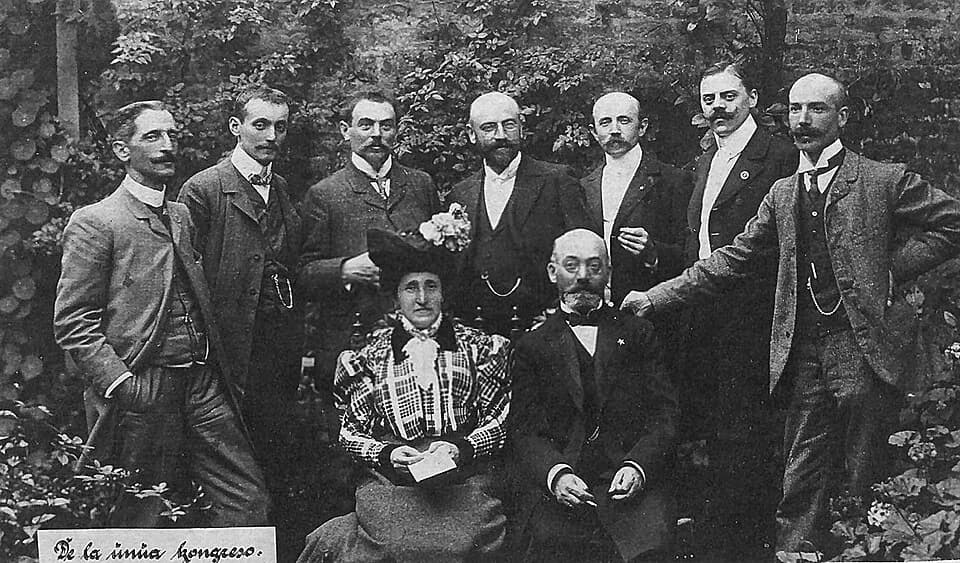
Beyond his political activism, Fried was a fervent advocate for Esperanto, a constructed language designed for international communication, which he saw as a practical tool for peace. He viewed Esperanto not just as a linguistic tool, but as a bridge to foster greater understanding and reduce conflict between different cultures by facilitating direct communication. His support reflected an approach to building peace that encompassed both political and cultural dimensions, seeking harmony on multiple fronts.
To further this cause, he authored an Esperanto textbook and an Esperanto–German and German–Esperanto dictionary. These educational resources, first published in 1903 and then republished in 1905, were instrumental in promoting the adoption and study of Esperanto across Europe and beyond. They demonstrated his practical commitment to enabling easier and more equitable communication worldwide, a concrete step towards a more unified global community.
Bob 5· 8 bobdan 5-bobi
Insights into Personal Life
While Alfred Hermann Fried's extensive public life as a pacifist, journalist, and writer is very well-documented, specific details regarding his personal life, including family relationships or hobbies outside his professional pursuits, are not widely available in biographical accounts. His unwavering focus on his mission for peace often placed his public contributions at the forefront of his narrative, reflecting the intense dedication he had to his cause.
Despite the limited information about his private sphere, it is clear that his public work consumed a significant portion of his existence, guiding his efforts and shaping his identity. His life story is overwhelmingly defined by his intellectual contributions and his tireless activism on behalf of international harmony, leaving a powerful impression of his unwavering commitment. His focus remained consistently on the global challenges of war and peace.
Bob 6· 8 bobdan 6-bobi
Notable Works and Enduring Contributions
Alfred Hermann Fried was a prolific writer, and his bibliography offers profound insights into his pacifist convictions and his astute analysis of global politics. Key among his literary contributions are works such as "Restoration of Europe," where he likely explored pathways to stability and cooperation following periods of widespread conflict. Another significant work, "German Emperor and the Peace of the World," suggests his engagement with the role of national leadership in maintaining peace and fostering international trust.
His scholarship extended to practical guides for the peace movement, including the influential "Handbuch der Friedensbewegung," which likely served as a foundational text for activists seeking direction and strategy. He also contributed to "Kampf Um Die Vermeidung des Weltkriegs, II. Band," demonstrating his sustained intellectual efforts to avert global conflict through reasoned argument. These publications provided both a theoretical basis and practical guidance for understanding and participating in peace initiatives.
Fried’s dedication to international collaboration was further illustrated by his editorship of the "Annuaire de la Vie Internationale." This publication served as a vital record and forum for international activities and scholarly exchanges, reflecting his belief in systematic global engagement and the power of shared knowledge. His concise yet potent essay, "A Brief Outline of the Nature and Aims of Pacifism," offered a clear articulation of his core philosophy, making his arguments accessible and persuasive to a broader audience.
Other important titles include "Kleine Anzeigen: Sociale Streifbilder vom Jahrmarkt des Lebens," which might have offered incisive social commentary through journalistic observations of everyday life. "Die moderne Friedensbewegung" is another key work documenting the contemporary peace efforts and their evolution. Even a "Katalog der Bibliothek von Alfred H. Fried" highlights his expansive intellectual interests and the extensive resources he collected to support his life’s work in the service of peace.
Bob 7 · 1914· 8 bobdan 7-bobi
Later Years and Final Chapter
Alfred Hermann Fried remained an active and fervent advocate for peace until his death, despite facing the immense disillusionment of World War I, a conflict that deeply challenged his ideals. This devastating global war, which raged from 1914 to 1918, tested the very foundations of the peace movement he helped to build and sustain. Even in these challenging times, he persistently worked to articulate the mechanisms of conflict and propose diplomatic alternatives to violence.
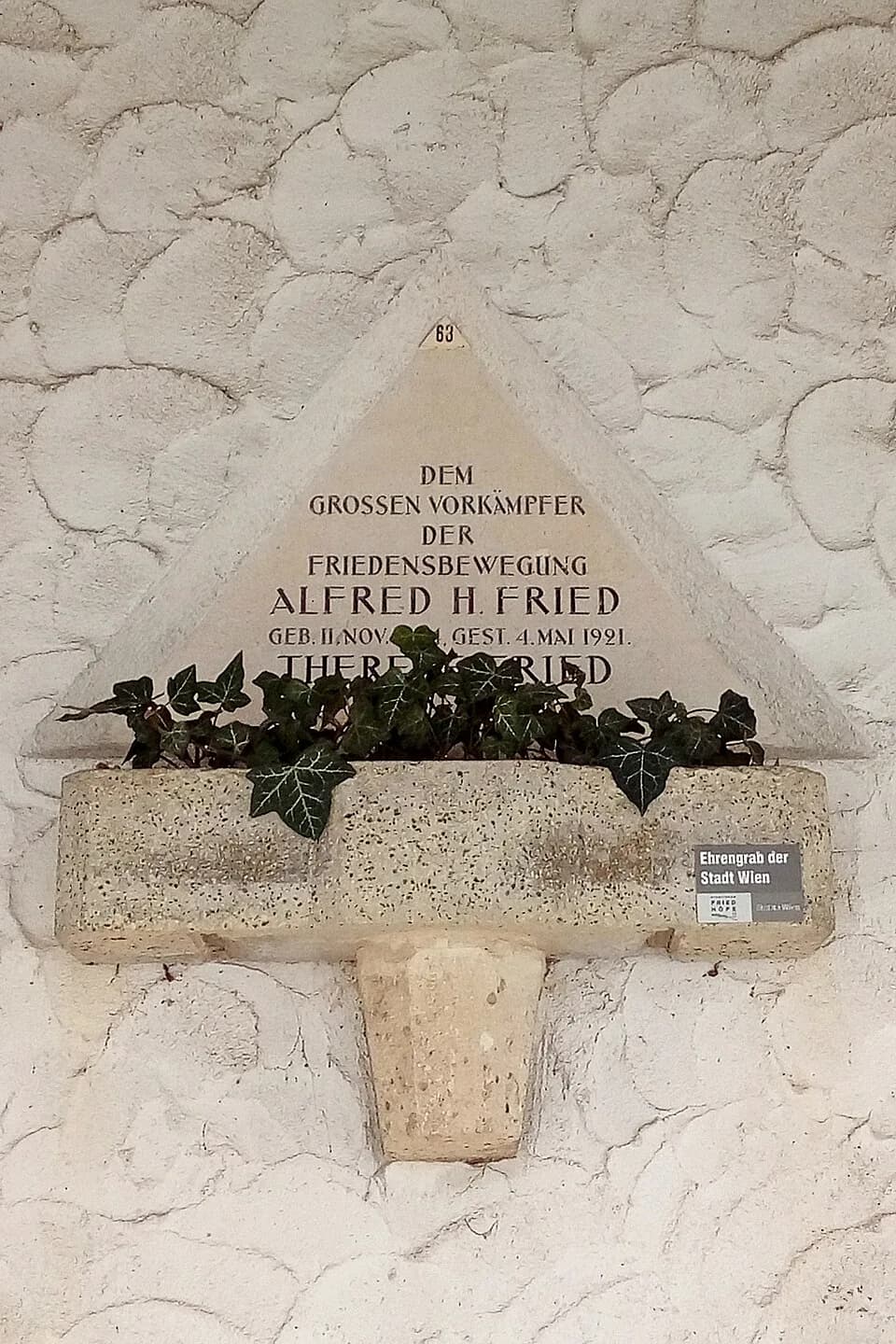
He passed away on May 5, 1921, in his native city of Vienna, Austria. His death came shortly after the conclusion of the Great War, a period where the urgent need for his vision of international cooperation and structured peace was more evident than ever before. Fried left behind a substantial body of work and a clear, unwavering message for future generations committed to building a world free from the devastation of war.
Bob 8· 8 bobdan 8-bobi
Legacy and Lasting Impact
Alfred Hermann Fried’s legacy as a pioneering pacifist continues to resonate in contemporary discussions about international relations and conflict resolution. His fundamental insight into "the anarchy in international relations" as a root cause of war remains a pertinent analytical framework for understanding global instability and designing effective peacebuilding strategies. He was instrumental in shifting peace advocacy from abstract ideals to organized political action, providing a model for future movements.
As a co-founder of the German peace movement, Fried helped establish an institutional framework for pacifist thought and action, inspiring similar movements worldwide to form and grow. The recognition of his efforts with the Nobel Peace Prize in 1911 solidified his place as a leading intellectual and activist on the global stage, bringing significant attention to the vital importance of his work and the principles he espoused.
His dedication to Esperanto further exemplifies his commitment to fostering communication as a means to prevent conflict and build bridges between peoples. Fried believed that by bridging linguistic barriers, societies could build stronger bonds of understanding and reduce the likelihood of misunderstanding and hostility. His life’s work serves as a guiding light for those who champion diplomacy, international law, and mutual respect as cornerstones of a peaceful global order, continuing to inspire generations of peace advocates.
Hayot lahzalarda
Hayotni shakllantirgan lahzalar
FAQ
Tez-tez beriladigan savollar
Alfred Hermann Fried qachon vafot etdi?
Alfred Hermann Fried 5-may, 1921 sanasida Vienna, Austriada, 56 yoshida vafot etdi.
Alfred Hermann Fried qayerda tug'ilgan?
Alfred Hermann Fried Vienna, Austriada 11-noyabr, 1864 sanasida tug'ilgan.
Alfred Hermann Fried ko'proq nima bilan mashhur?
Alfred Hermann Fried ko'proq Austrian Jewish pacifist, publicist, journalist and Nobel Peace Prize laureate bilan mashhur.
Alfred Hermann Fried vafot etganda necha yoshda edi?
Alfred Hermann Fried vafot etganda 56 yoshda edi.
Alfred Hermann Fried qaysi millat vakili edi?
Alfred Hermann Fried Austriadan edi.
Xronologiya
Hayotga bir nazar
Foto galereya
Rasmlardagi hayot
Kattalashtirish uchun istalgan suratni bosing · 22 ta rasm
QR kod
Ushbu tarjimai holni ulashish
Chop etish va ulashish
Ushbu tarjimai hol sahifasiga tashrif buyurish uchun skanerlang. Tadbirlar, ko'rgazmalar yoki ta'lim materiallari uchun chop eting.