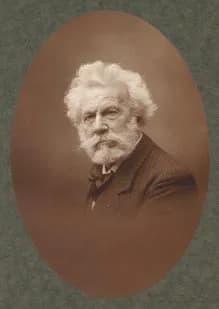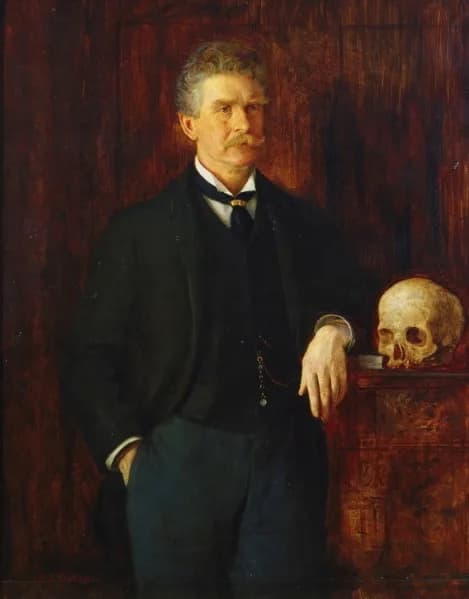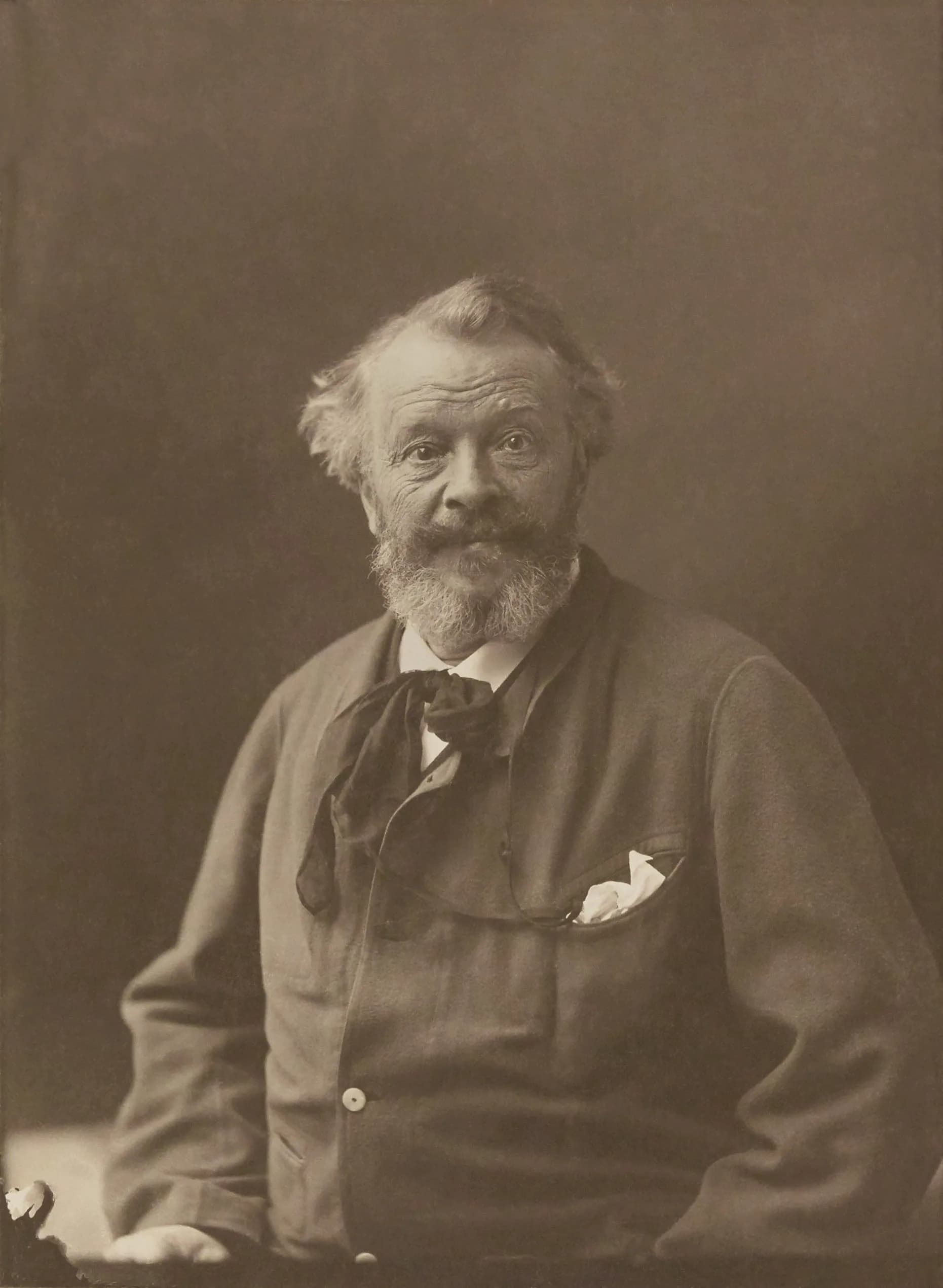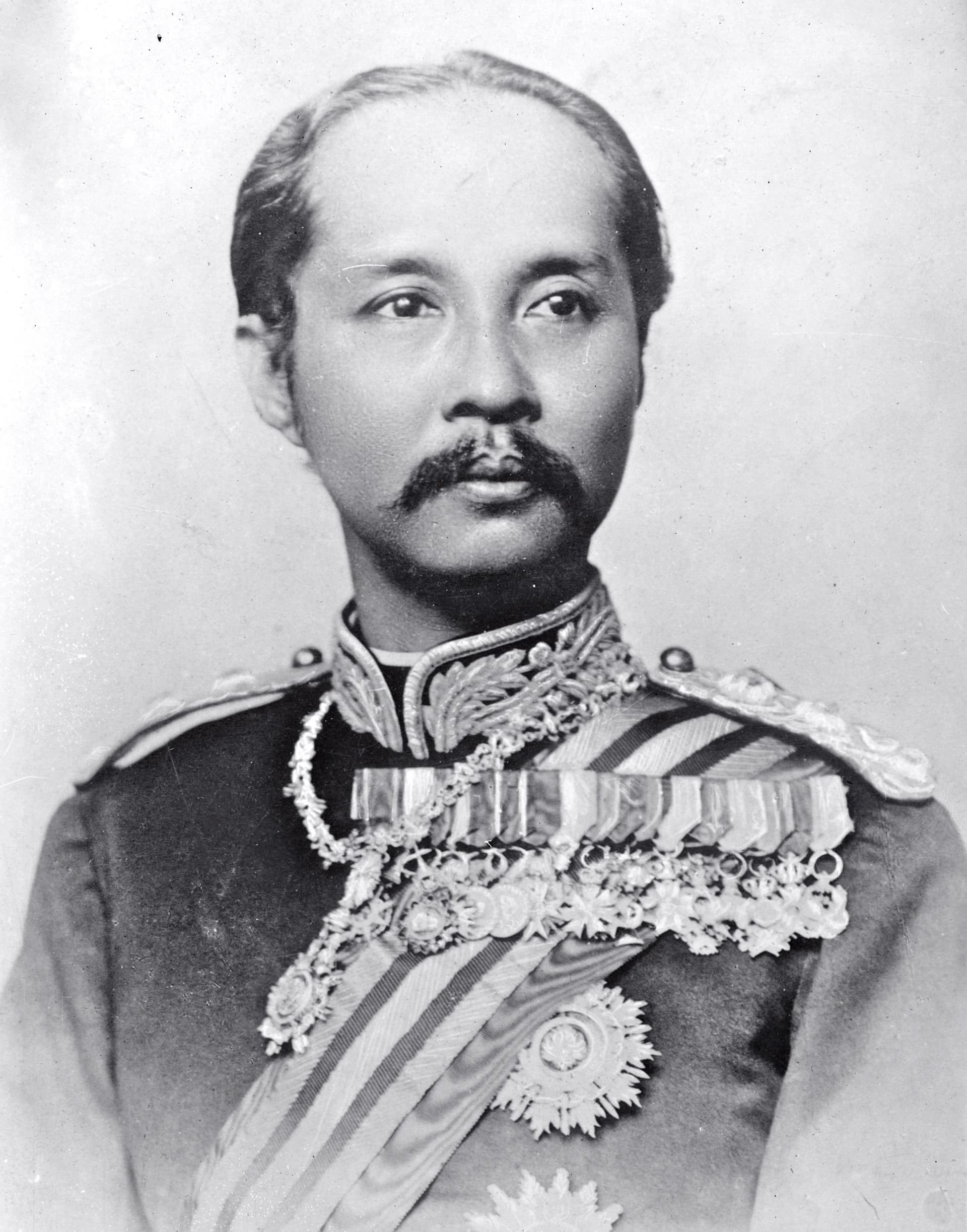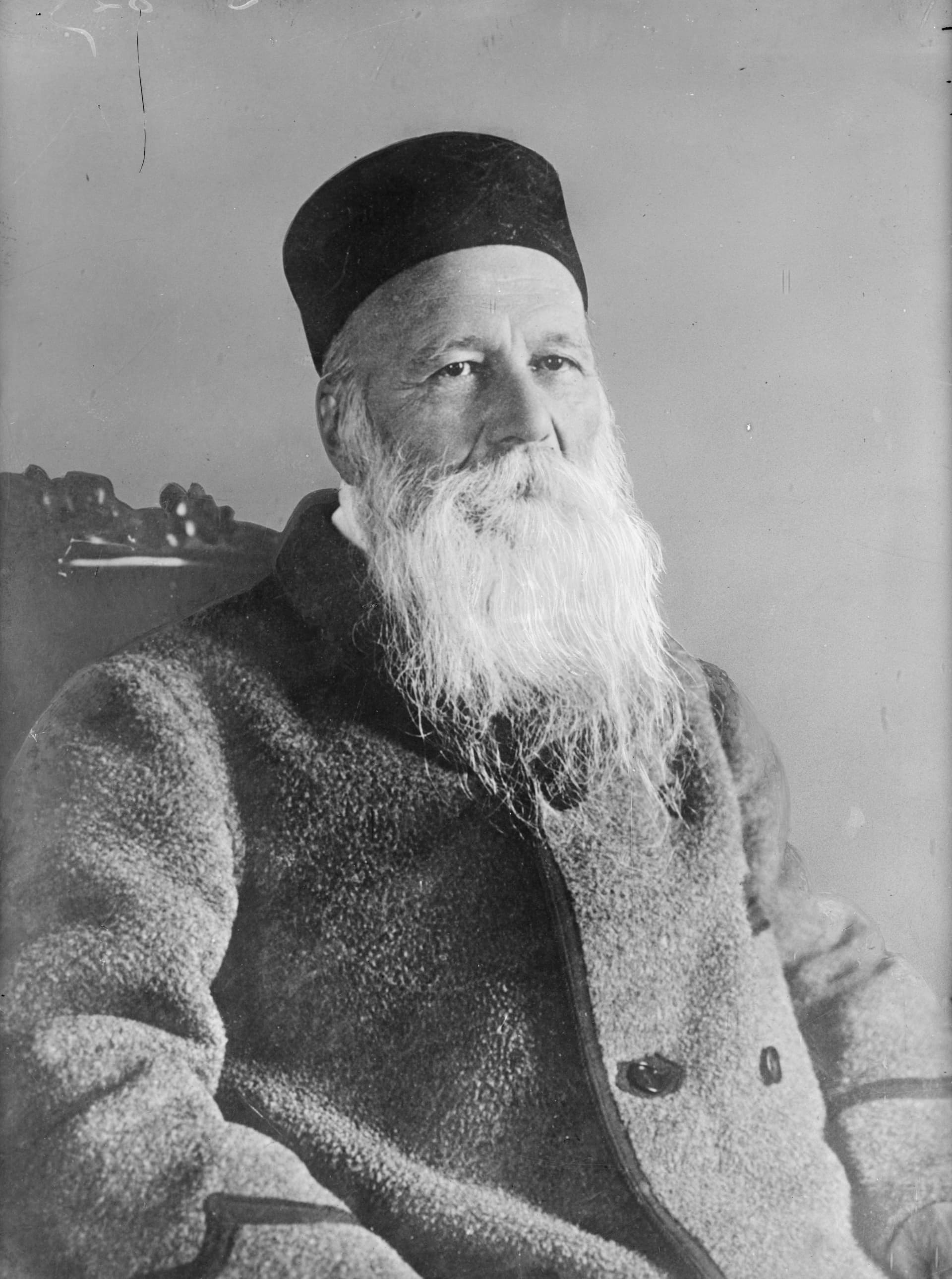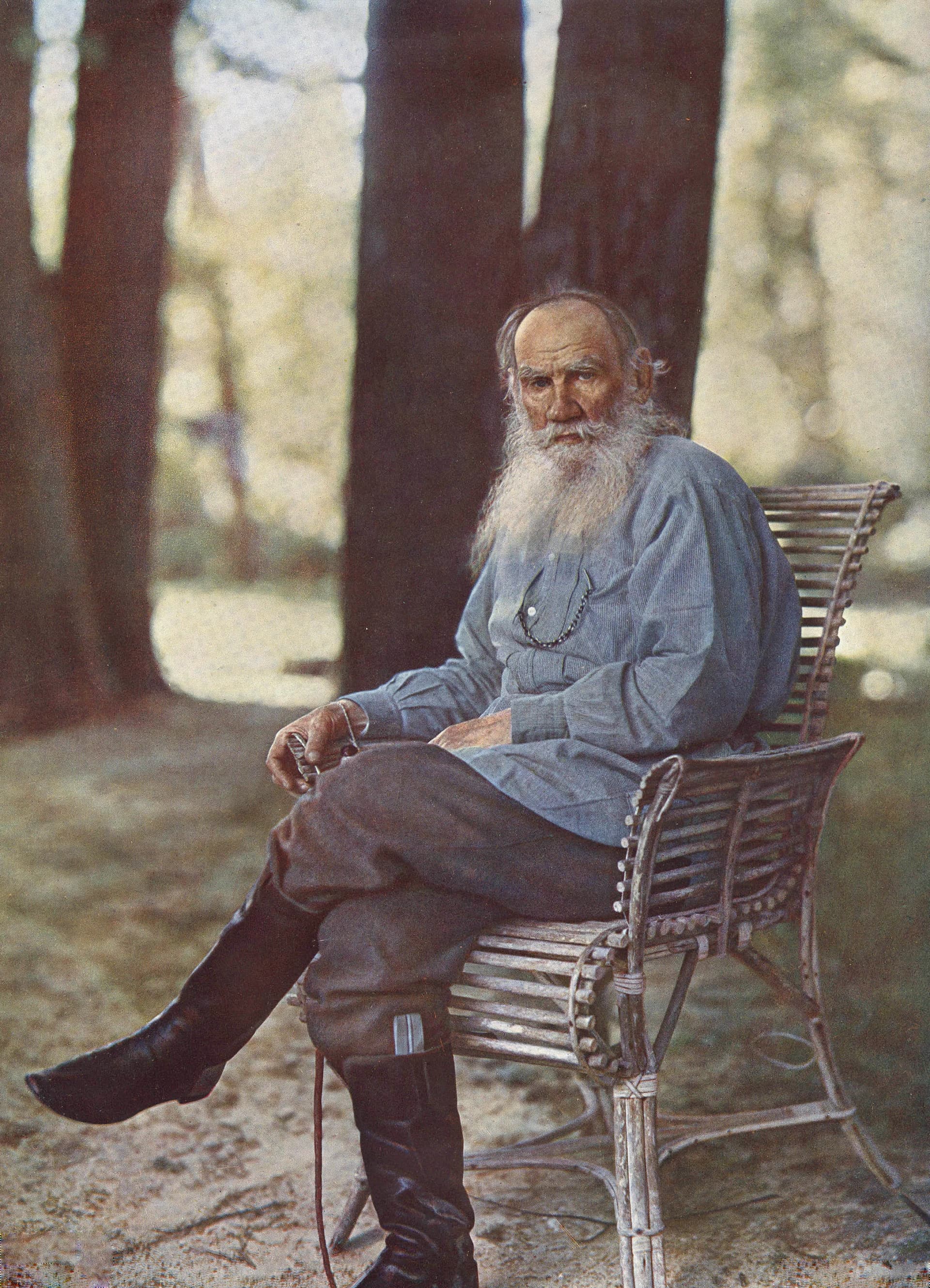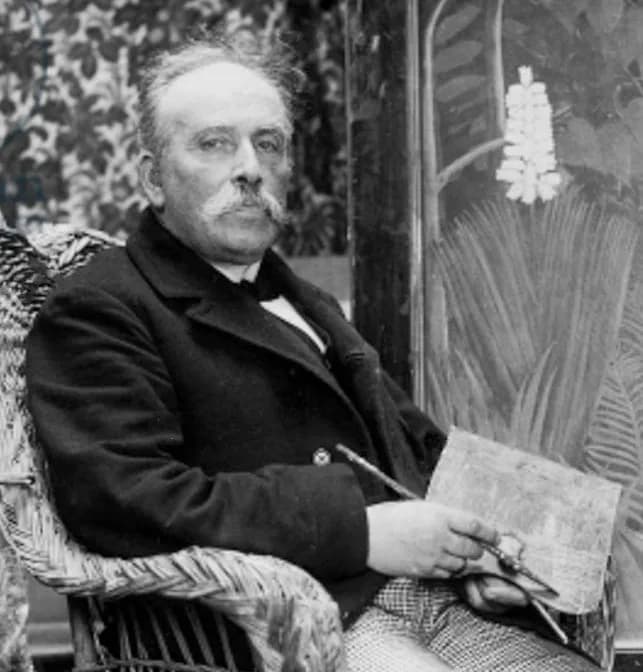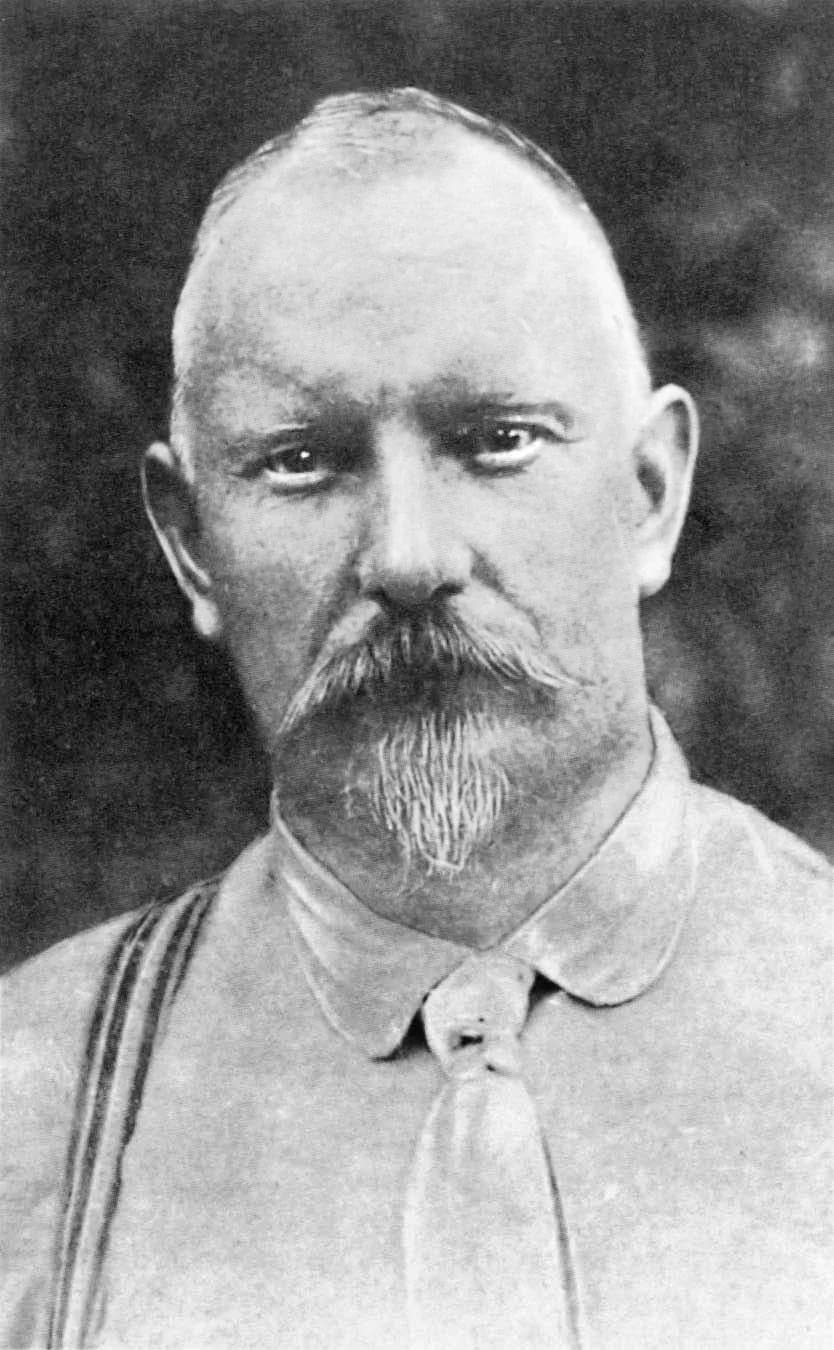
پیدائش
January 11, 1842
Astor House, United States
وفات
August 26, 1910
Tamworth, United States
اس وجہ سے جانے جاتے ہیں
American philosopher, psychologist, and pragmatist
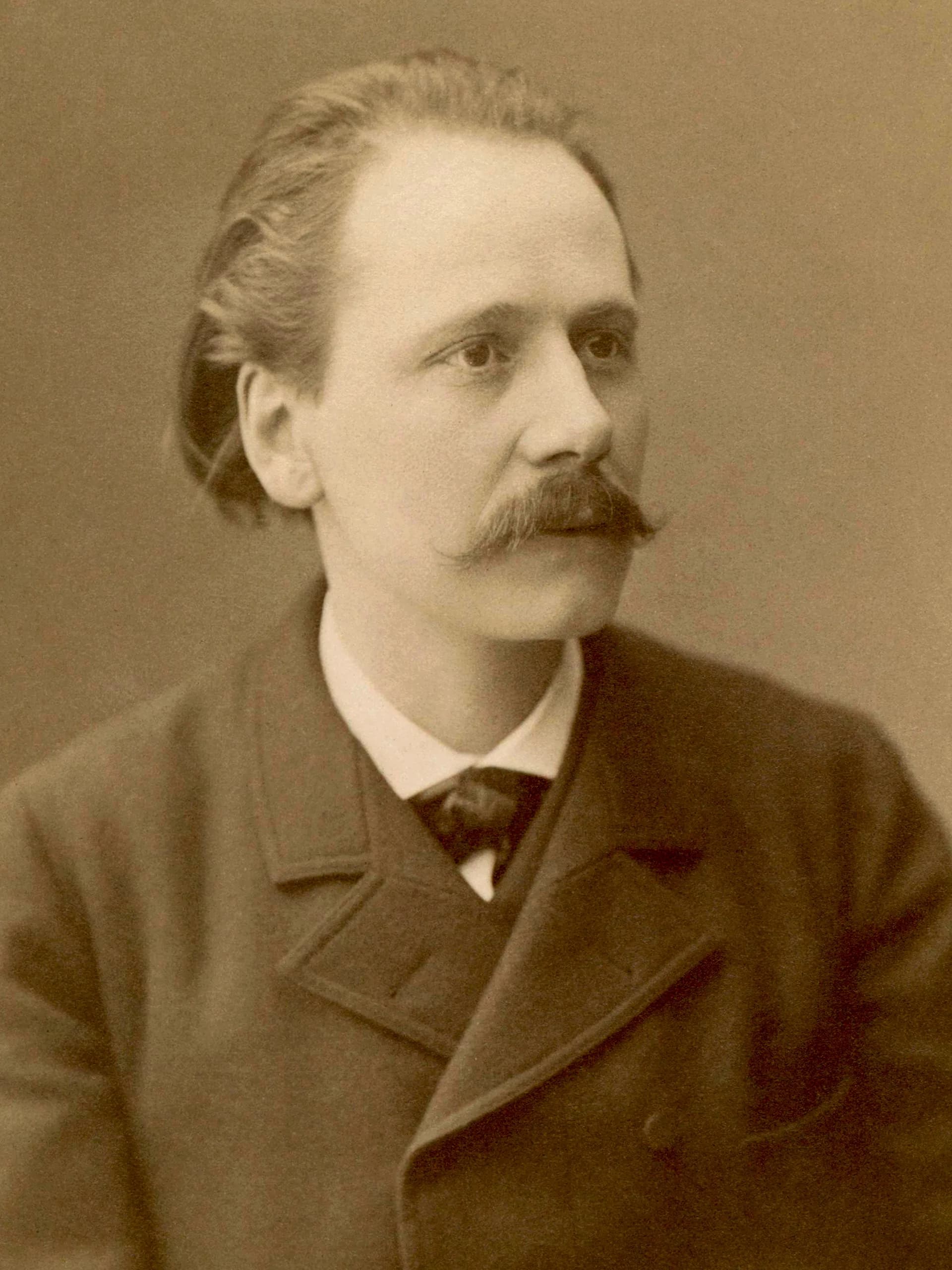
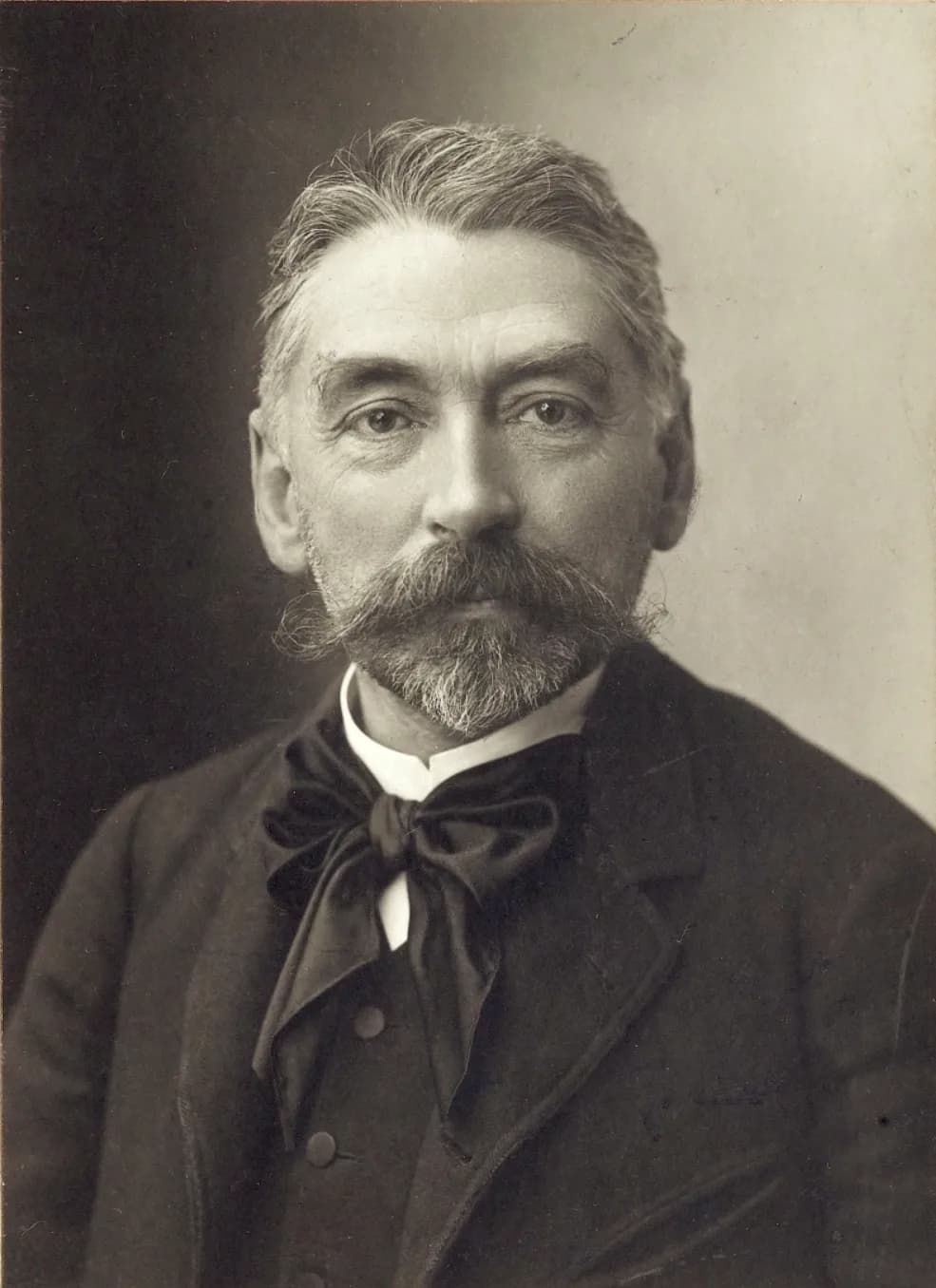
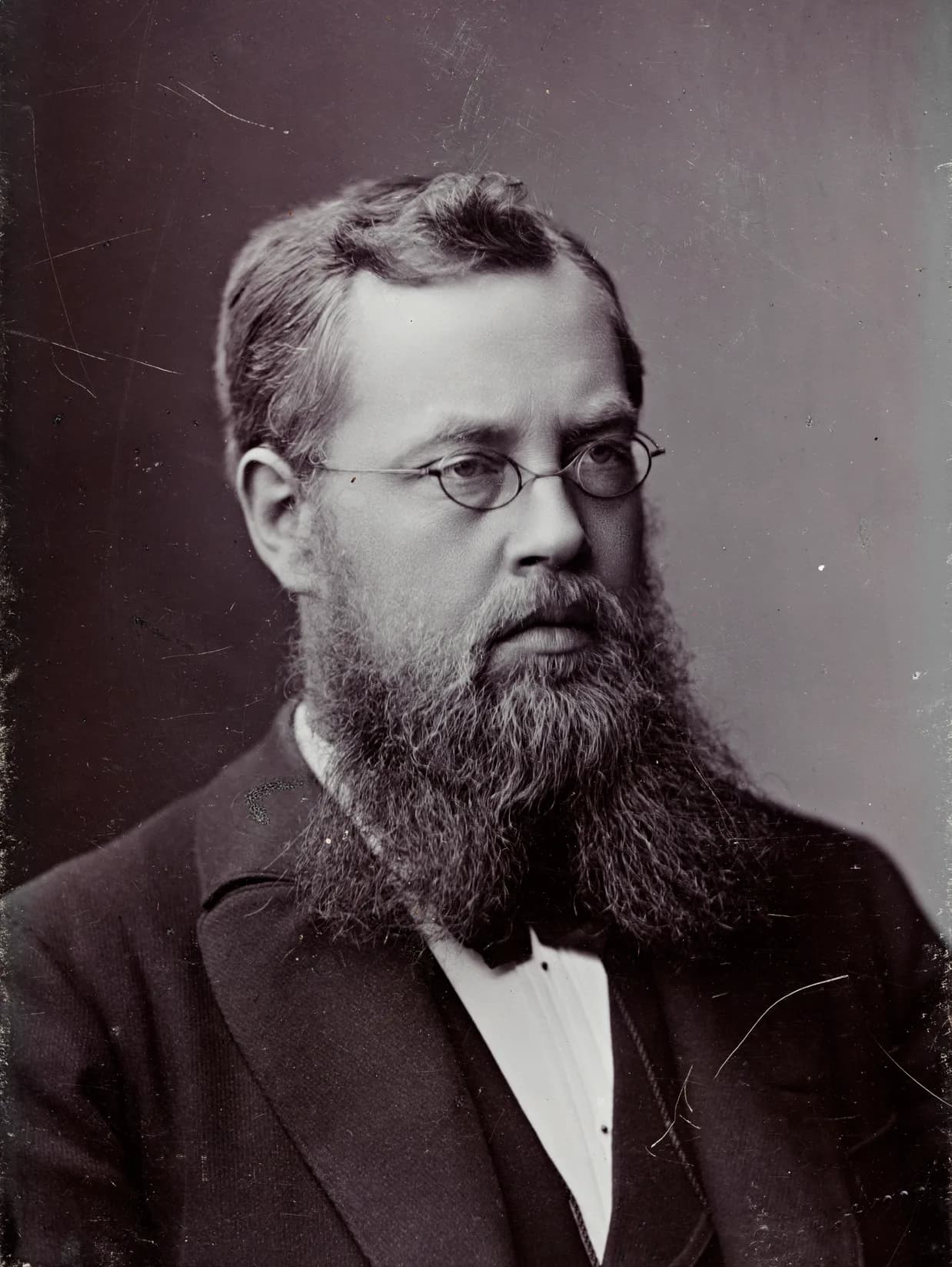
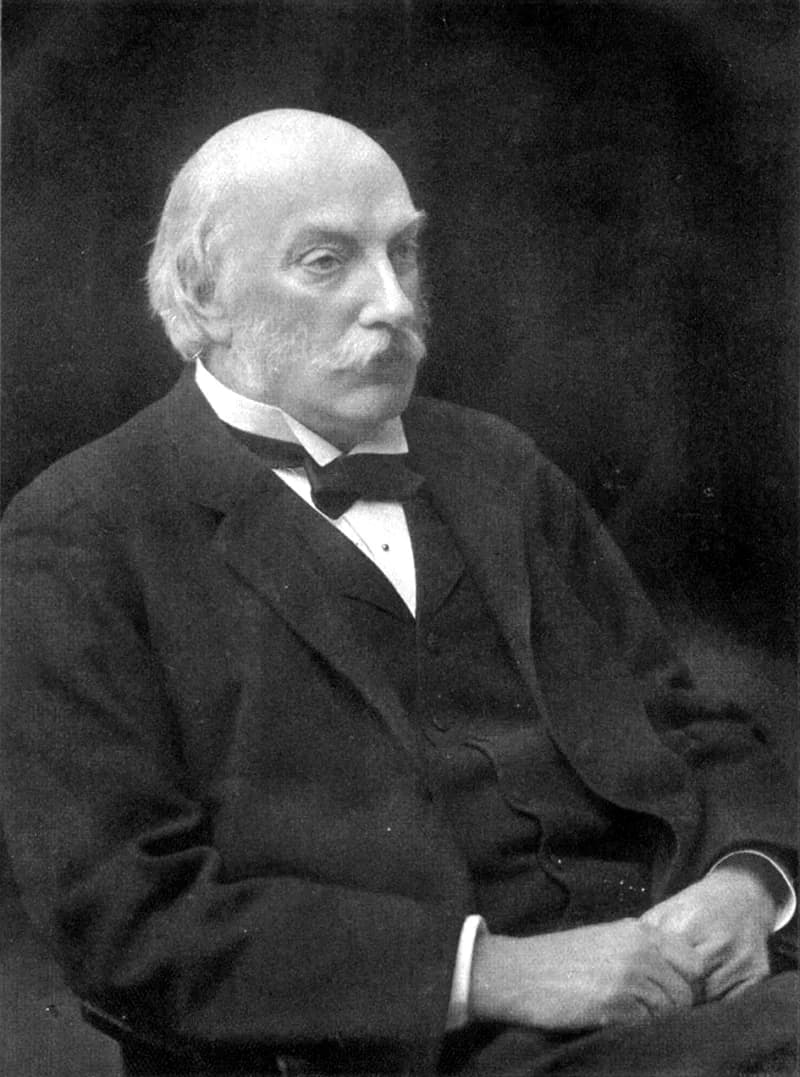
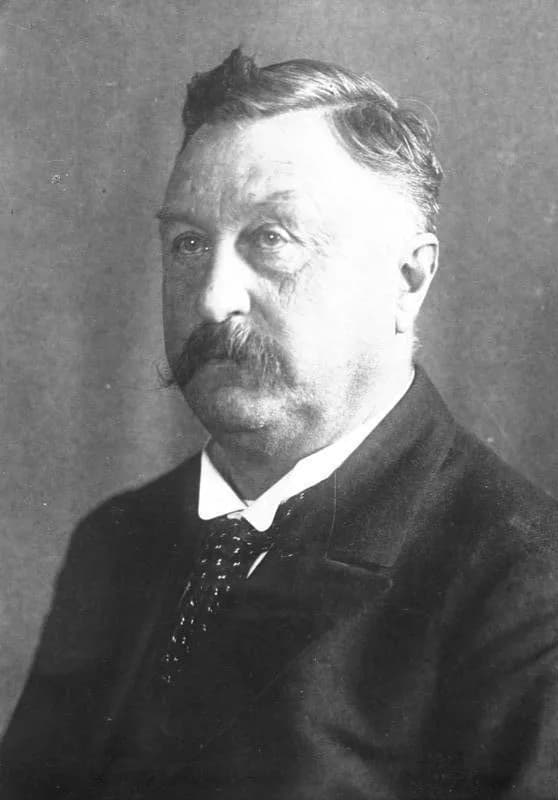
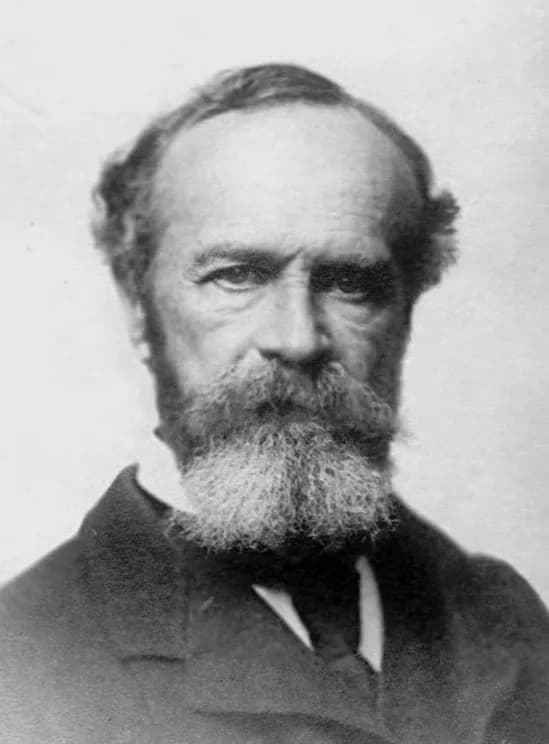
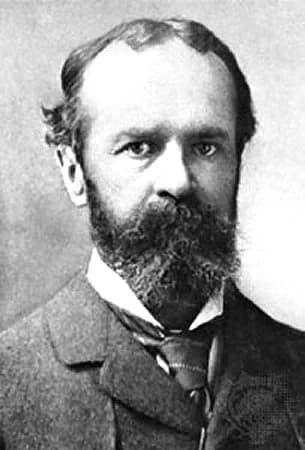
William James (1842–1910) was United States best known for American philosopher, psychologist, and pragmatist.
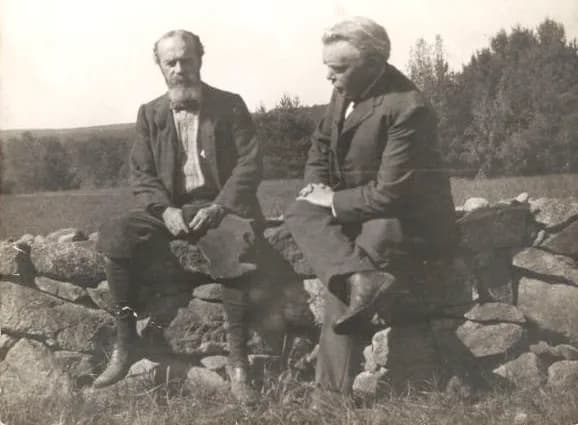
William James (January 11, 1842 – August 26, 1910) was an American philosopher and psychologist. He is considered the "father of American psychology" and a leading thinker of the late 19th century, influencing modern thought.
لمحوں میں ایک زندگی
وہ لمحے جنہوں نے ایک زندگی کو تشکیل دیا
باب
زندگی کے ابواب
باب 1 · 1842· 6 میں سے باب 1
Early Life and Origins
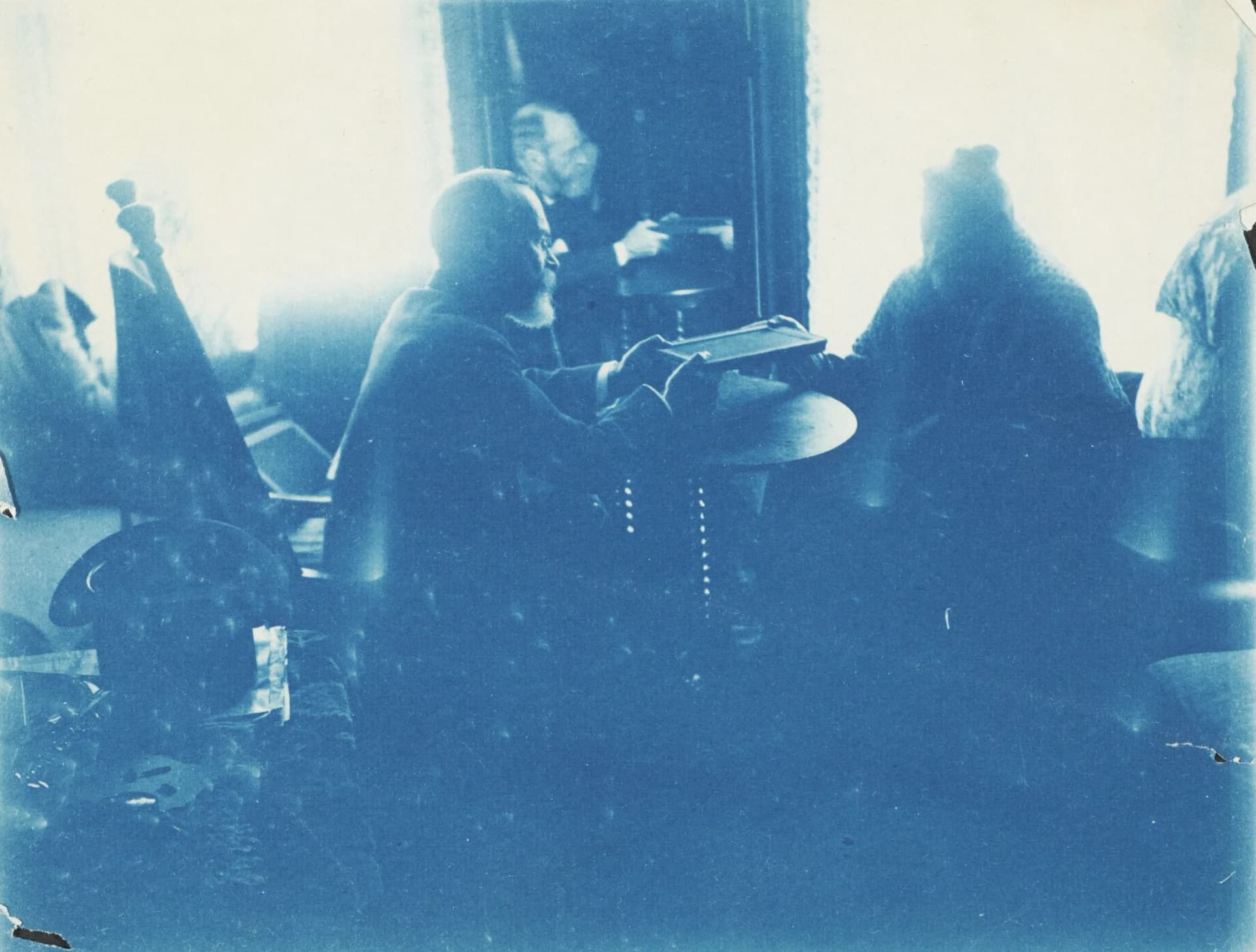
William James began his life on January 11, 1842, at the Astor House in the United States. His upbringing was distinctive, marked by extensive travel and exposure to a diverse intellectual environment. The James family cultivated a household rich in philosophical discussion and artistic pursuits. This early immersion in various cultures and ideas significantly influenced his broad intellectual interests and unique perspectives, setting the stage for his future endeavors.
باب 2· 6 میں سے باب 2
Career Beginnings
James's academic journey saw him become the first educator to offer a dedicated psychology course in the United States. This innovative step marked a significant turning point for the nascent field of psychology in America. He established the bedrock for academic psychology, moving it from purely philosophical speculation to empirical study. His initial efforts were crucial in shaping the institutional framework and curriculum for future generations of psychologists across the nation.
باب 3· 6 میں سے باب 3
Major Achievements and Career Highlights
Throughout his career, William James achieved significant recognition, often earning him the moniker "father of American psychology." He stood as a leading intellectual force of the late 19th century, influencing countless scholars and shaping academic discourse across disciplines. His exploration of consciousness, emotion, and free will broke new ground in psychological theory, offering fresh insights into human experience. These foundational achievements cemented his place as a central figure in modern thought and academic study.
Beyond his direct teaching, James’s conceptual work helped define the scope and methodology of psychological inquiry. He articulated ideas that greatly influenced the budding field, providing a theoretical framework for understanding mental processes. His contributions laid much of the groundwork for what would become functionalism in psychology. This focus on the purpose and utility of mental states rather than just their structure was a major shift in the field.
باب 4 · 1906· 6 میں سے باب 4
Notable Works or Contributions
William James's intellectual legacy is preserved in his extensive body of work, which includes several influential texts that remain studied today. His seminal philosophical treatise, "Pragmatism," presented a new way of understanding truth and meaning, advocating for practical consequences as the test of an idea's validity. This work challenged traditional philosophical approaches, seeking relevance in lived experience rather than abstract systems. "Founders' Day addresses, March 9, 1906," offers insight into his public thought and academic engagements, reflecting his dedication to intellectual discourse.
He also penned significant essays like "Humanism and truth," further elaborating on his philosophical views regarding knowledge and reality, emphasizing the human element in interpretation. The essay "L'âme et le corps" (The Soul and the Body) showcases his sustained interest in the complex mind-body problem, a classic philosophical dilemma. These diverse writings collectively highlight his wide intellectual reach and deep engagement with core philosophical questions, making complex ideas accessible.
His bibliography further included titles such as "心理学について" (About Psychology) and "Sjaelelaere" (Psychology), indicating his global reach and influence on foundational psychological texts. While specific academic publications like those dated much later are not attributed to him given his lifespan, his broader theoretical works were widely read and translated. These efforts ensured his ideas permeated academic circles worldwide, fostering new psychological and philosophical inquiries.
باب 5 · 1910· 6 میں سے باب 5
Later Years
In his later years, William James remained actively engaged in intellectual pursuits, continuing to write and publish thought-provoking articles and books. He maintained his vigorous output, contributing to ongoing debates in philosophy and psychology until the end of his life. William James passed away on August 26, 1910, in Tamworth, United States, bringing a remarkable career to a close. His death marked the conclusion of a brilliant intellectual journey that reshaped American thought.
باب 6· 6 میں سے باب 6
Legacy and Impact
William James's enduring legacy continues to resonate strongly within philosophy and psychology, marking him as a truly original American thinker. His pioneering efforts in establishing psychology as a distinct scientific discipline laid the essential groundwork for its modern development, fostering empirical study. He inspired generations of scholars and practitioners to explore the complexities of human experience with renewed rigor and a focus on practical applications. James's ideas on pragmatism, radical empiricism, and the stream of consciousness remain central to academic discussions today, providing frameworks for understanding consciousness and knowledge.
His work fundamentally altered the understanding of the human mind, moving away from purely structural approaches towards a more functional perspective, emphasizing adaptation and purpose. The lasting influence of his thought is evident in fields ranging from cognitive science and educational theory to religious studies and therapeutic practices. William James remains a foundational figure whose insights continue to inform and challenge contemporary thinking about the mind, consciousness, and the nature of truth itself.
James’s methodological approach, blending empirical observation with introspective analysis, became a hallmark of his strategy for understanding mental phenomena. He continually challenged prevailing views, asserting the dynamic, flowing nature of consciousness rather than a static structure. This functionalist outlook deeply influenced the direction of psychological research for decades, redirecting focus towards the adaptive role of mental processes. His philosophical system of pragmatism likewise offered a compelling alternative to traditional rationalism and empiricism, asserting that the truth of an idea is best determined by its practical consequences in human experience.
اکثر پوچھے گئے سوالات
اکثر پوچھے گئے
William James کب وفات پا گئے؟
William James 26 اگست، 1910 کو Tamworth, United States میں وفات پا گئے، 68 سال کی عمر میں۔
William James کہاں پیدا ہوئے؟
William James Astor House, United States میں 11 جنوری، 1842 کو پیدا ہوئے۔
William James کس چیز کے لیے سب سے زیادہ مشہور ہیں؟
William James American philosopher, psychologist, and pragmatist کے لیے سب سے زیادہ مشہور ہیں۔
وفات کے وقت William James کی عمر کیا تھی؟
وفات کے وقت William James کی عمر 68 سال تھی۔
William James کی قومیت کیا تھی؟
William James کا تعلق United States سے تھا۔
ٹائم لائن
ایک نظر میں زندگی
تصویری گیلری
تصاویر میں ایک زندگی
بڑا کرنے کے لیے کسی بھی پولیرائیڈ پر کلک کریں · 22 تصاویر
QR کوڈ
یہ سوانح عمری شیئر کریں
پرنٹ کریں اور شیئر کریں
اس سوانح عمری کے صفحے کو دیکھنے کے لیے اسکین کریں۔ تقریبات، نمائشوں، یا تعلیمی مواد کے لیے پرنٹ کریں۔