پیدائش
October 2, 1847
6 Podgórna Street in Poznań, Poland
وفات
August 2, 1934
Ogrodzieniec, Poland
اس وجہ سے جانے جاتے ہیں
Prussian-German field marshal of the German Empire, statesman and president of Weimar Germany and Nazi Germany
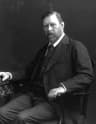
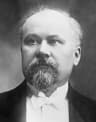
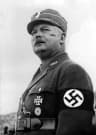
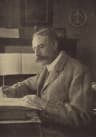
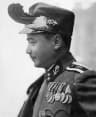
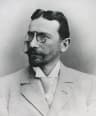
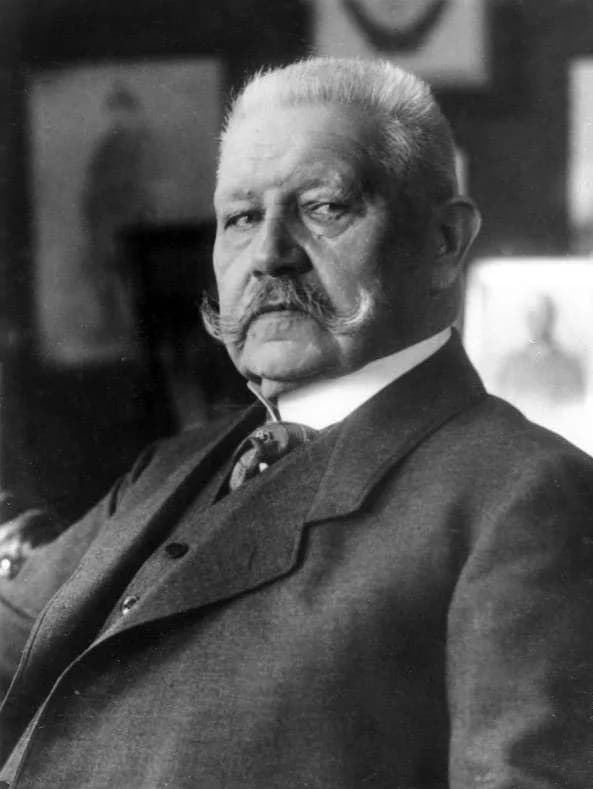
Paul von Hindenburg (1847–1934) was Poland best known for Prussian-German field marshal of the German Empire, statesman and president of Weimar Germany and Nazi Germany.
Paul Ludwig Hans Anton von Beneckendorff und von Hindenburg (October 2, 1847 – August 2, 1934) was a Prussian-German soldier, military personnel, and politician. He led the Imperial German Army in World War I and served as President of Germany, playing a key role in Adolf Hitler's ascent to power. His actions continue to be a subject of historical study.
باب
زندگی کے ابواب
باب 1 · 1847· 6 میں سے باب 1
An Enduring Figure in German History
Paul Ludwig Hans Anton von Beneckendorff und von Hindenburg (October 2, 1847 – August 2, 1934) was a distinguished German soldier, military personnel, and politician whose career spanned the German Empire, the Weimar Republic, and the nascent years of Nazi Germany. Rising from a Prussian officer to a revered field marshal during World War I, he later became President of Germany, a role in which he made decisions that irrevocably shaped the 20th century. His life represents a complex intersection of military honor, political responsibility, and the dramatic forces that transformed Germany.
باب 2 · 1847· 6 میں سے باب 2
Early Life and Origins
Paul von Hindenburg was born on October 2, 1847, in the city of Poznań, which was then part of the Prussian Province of Posen. His birth took place at 6 Podgórna Street, marking the beginnings of a life that would unfold against a backdrop of significant European political shifts. Growing up in a noble Prussian family with a long military tradition, Hindenburg was steeped in the values of duty and service from an early age.
باب 3 · 1866· 6 میں سے باب 3
Career Beginnings as a Soldier
Hindenburg's professional journey began as a soldier, a natural path for someone of his background in 19th-century Prussia. He steadily rose through the ranks of the Prussian army, participating in the Austro-Prussian War of 1866 and the Franco-Prussian War of 1870–71. These early experiences provided him with valuable battlefield knowledge and solidified his reputation as a dedicated military officer, setting the stage for his future leadership roles.
باب 4· 6 میں سے باب 4
Major Achievements and Military Leadership
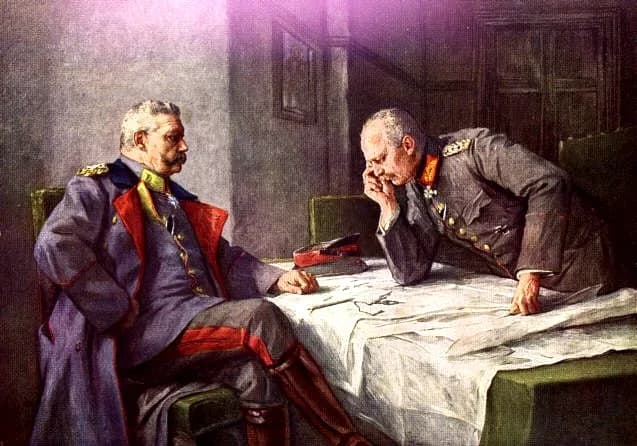
Hindenburg achieved significant recognition as a Prussian-German field marshal of the German Empire during World War I. He became celebrated for his leadership, particularly in the Eastern Front campaigns, where he played a central role in several key victories. His strategic command of the Imperial German Army during this global conflict cemented his status as a national hero and a highly respected military figure.
Following his military retirement, Hindenburg was unexpectedly drawn back into public life. In 1925, he was elected President of Germany, a position he held until his death in 1934. His presidency encompassed both the tumultuous years of the Weimar Republic and the critical period during which Adolf Hitler ascended to power, giving him a prominent, if challenging, role as head of state.
باب 5· 6 میں سے باب 5
Later Years and the Presidency
As President, Paul von Hindenburg presided over a Germany grappling with economic hardship and political instability. His final years in office were dominated by the escalating political crisis that saw the rise of the Nazi Party. Despite his age and increasingly fragile health, he remained a powerful symbol for many Germans, embodying a sense of national continuity.
A defining moment of his later presidency, and indeed of 20th-century history, came in 1933 when he appointed Adolf Hitler as Chancellor of Germany. This decision, made amid intense political pressure and constitutional maneuvering, had far-reaching consequences. Although Hindenburg was ideologically opposed to Nazism, his action inadvertently played a key role in the Nazi seizure of power, fundamentally altering the course of German and world history.
باب 6· 6 میں سے باب 6
Legacy and Impact
Paul von Hindenburg's legacy is complex and continues to be debated by historians. He is remembered as a successful military leader who inspired confidence during wartime, but his political decisions in his later years cast a long shadow. His appointment of Hitler, while perhaps intended to stabilize a fractured political system, ultimately enabled the establishment of a totalitarian regime.
His life story reflects the profound challenges faced by Germany in the first half of the 20th century, from the glories of imperial military power to the fraught transition of parliamentary democracy and its tragic collapse. Hindenburg remains a crucial figure in understanding how the Weimar Republic gave way to Nazi Germany, leaving an indelible mark on historical discourse regarding leadership, responsibility, and the fate of nations.
لمحوں میں ایک زندگی
وہ لمحے جنہوں نے ایک زندگی کو تشکیل دیا
اکثر پوچھے گئے سوالات
اکثر پوچھے گئے
Paul von Hindenburg کب وفات پا گئے؟
Paul von Hindenburg 2 اگست، 1934 کو Ogrodzieniec, Poland میں وفات پا گئے، 86 سال کی عمر میں۔
Paul von Hindenburg کہاں پیدا ہوئے؟
Paul von Hindenburg 6 Podgórna Street in Poznań, Poland میں 2 اکتوبر، 1847 کو پیدا ہوئے۔
Paul von Hindenburg کس چیز کے لیے سب سے زیادہ مشہور ہیں؟
Paul von Hindenburg Prussian-German field marshal of the German Empire, statesman and president of Weimar Germany and Nazi Germany کے لیے سب سے زیادہ مشہور ہیں۔
وفات کے وقت Paul von Hindenburg کی عمر کیا تھی؟
وفات کے وقت Paul von Hindenburg کی عمر 86 سال تھی۔
Paul von Hindenburg کی قومیت کیا تھی؟
Paul von Hindenburg کا تعلق Poland سے تھا۔
ٹائم لائن
ایک نظر میں زندگی
تصویری گیلری
تصاویر میں ایک زندگی
بڑا کرنے کے لیے کسی بھی پولیرائیڈ پر کلک کریں · 48 تصاویر
QR کوڈ
یہ سوانح عمری شیئر کریں
پرنٹ کریں اور شیئر کریں
اس سوانح عمری کے صفحے کو دیکھنے کے لیے اسکین کریں۔ تقریبات، نمائشوں، یا تعلیمی مواد کے لیے پرنٹ کریں۔