پیدائش
June 30, 1926
Brooklyn, United States
وفات
February 15, 2023
Stanford, United States
اس وجہ سے جانے جاتے ہیں
American biochemist, Professor emeritus at Stanford University & Nobel laureate in Chemistry
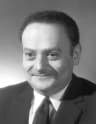
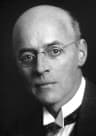
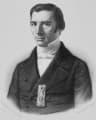
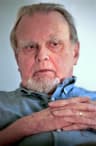
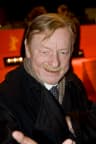
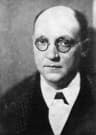
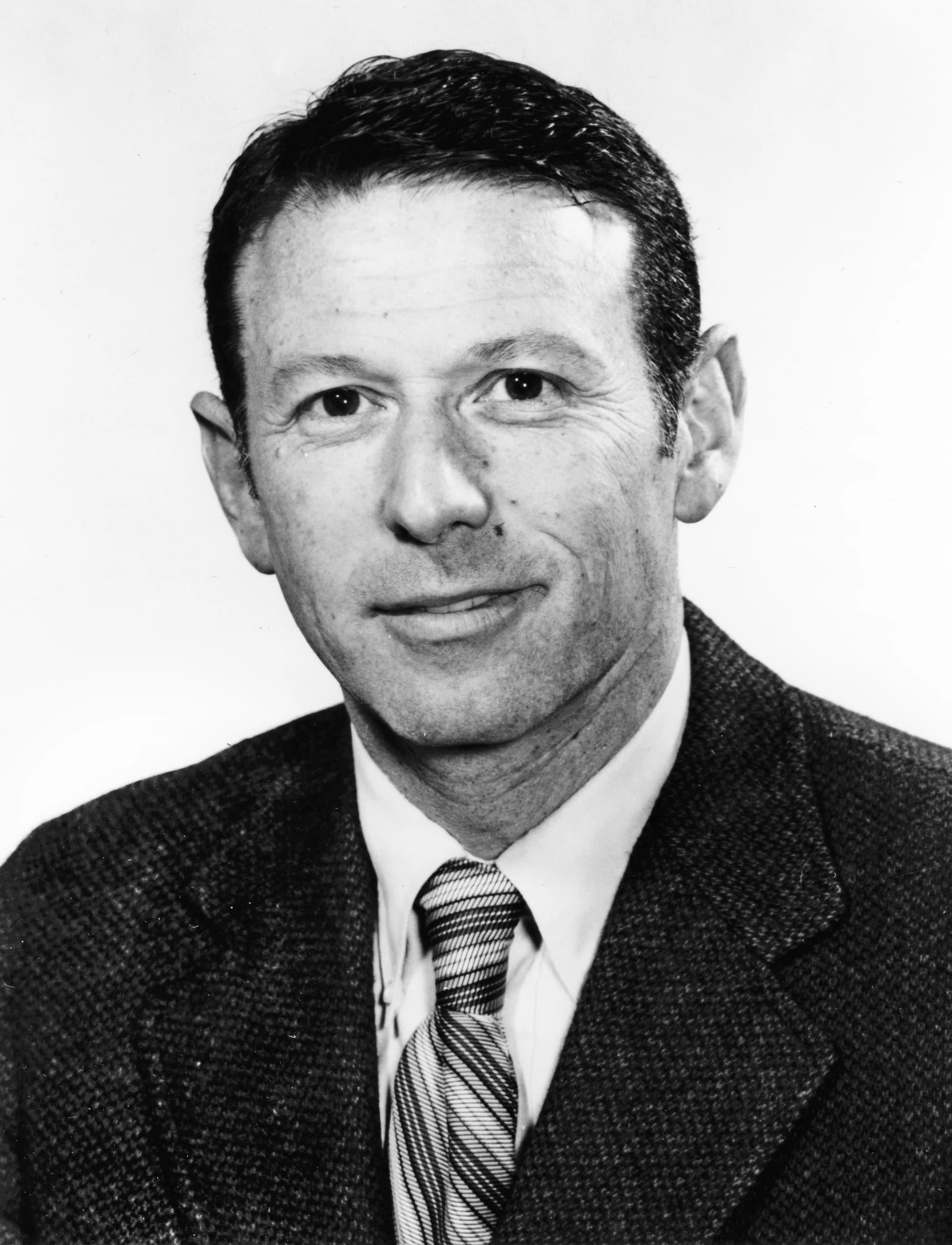
Paul Berg (1926–2023) was United States best known for American biochemist, Professor emeritus at Stanford University & Nobel laureate in Chemistry.
Paul Berg (June 30, 1926 – February 15, 2023) was an American biochemist from Brooklyn, United States. He received the 1980 Nobel Prize in Chemistry for his fundamental studies of nucleic acids and recombinant-DNA. His pioneering work laid the groundwork for modern genetic engineering and biotechnology.
باب
زندگی کے ابواب
باب 1 · 1926· 7 میں سے باب 1
Early Life and Origins
Paul Berg was born on June 30, 1926, in Brooklyn, United States. This New York City borough was his starting point, though specific details of his early family life and upbringing are not provided. He grew up in a period of great scientific advancement, which may have influenced his later career.
باب 2· 7 میں سے باب 2
Career Beginnings
Berg pursued a career in science, ultimately becoming an American biochemist and professor. His academic journey led him to Stanford University, where he would dedicate a significant portion of his life to research and teaching. This institution provided the environment for his pioneering discoveries.
باب 3 · 1980· 7 میں سے باب 3
Major Achievements and Career Highlights
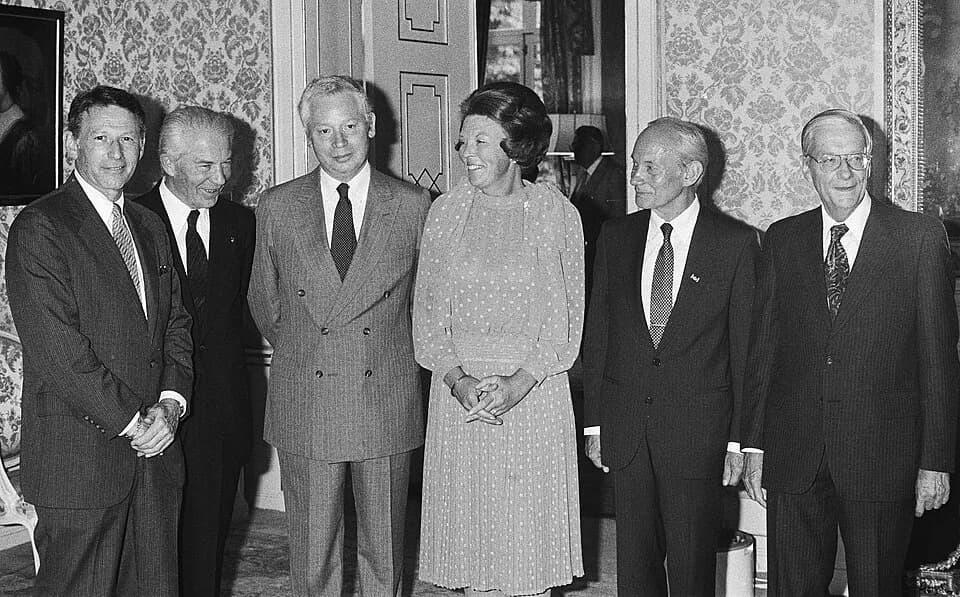
The pinnacle of Paul Berg's career arrived in 1980 when he was awarded the Nobel Prize in Chemistry. He received this prestigious honor "for his fundamental studies of the biochemistry of nucleic acids, with particular regard to recombinant-DNA." This award acknowledged the profound impact of his scientific investigations.
His work involved the development of techniques to isolate, analyze, and manipulate DNA. This allowed scientists to construct recombinant DNA molecules, essentially combining genetic material from different sources. This methodology opened new avenues for understanding genetic expression and disease.
باب 4· 7 میں سے باب 4
Personal Life
The provided information focuses exclusively on Paul Berg's professional and academic contributions. No specific details regarding his personal life, family, relationships, or individual interests are available. His public identity was deeply intertwined with his scientific achievements.
باب 5· 7 میں سے باب 5
Notable Works or Contributions
Paul Berg's most significant scientific contribution was his pioneering work with recombinant-DNA. He devised methods to cut DNA from one organism and insert it into the DNA of another, creating hybrid molecules. This innovative approach transformed genetic research and laid the foundation for genetic engineering.
His academic output included 64 papers, contributing to a substantial body of scientific literature. Among his documented works are "Moments of Discovery: My Favorite Experiments" published in 2003, and "Reflections on the Lasker prize for basic biomedical research." from 2005. He also co-authored the "Nobel laureates' letter to President Bush" in 2001, addressing scientific policy matters.
Furthermore, he contributed to biographical articles, including "Robert Joy Glaser" and "Robert Joy Glaser 11 September 1918 - 7 June 2012," both published in 2013. These works reflect his engagement with both scientific discovery and the scientific community.
باب 6 · 2023· 7 میں سے باب 6
Later Years
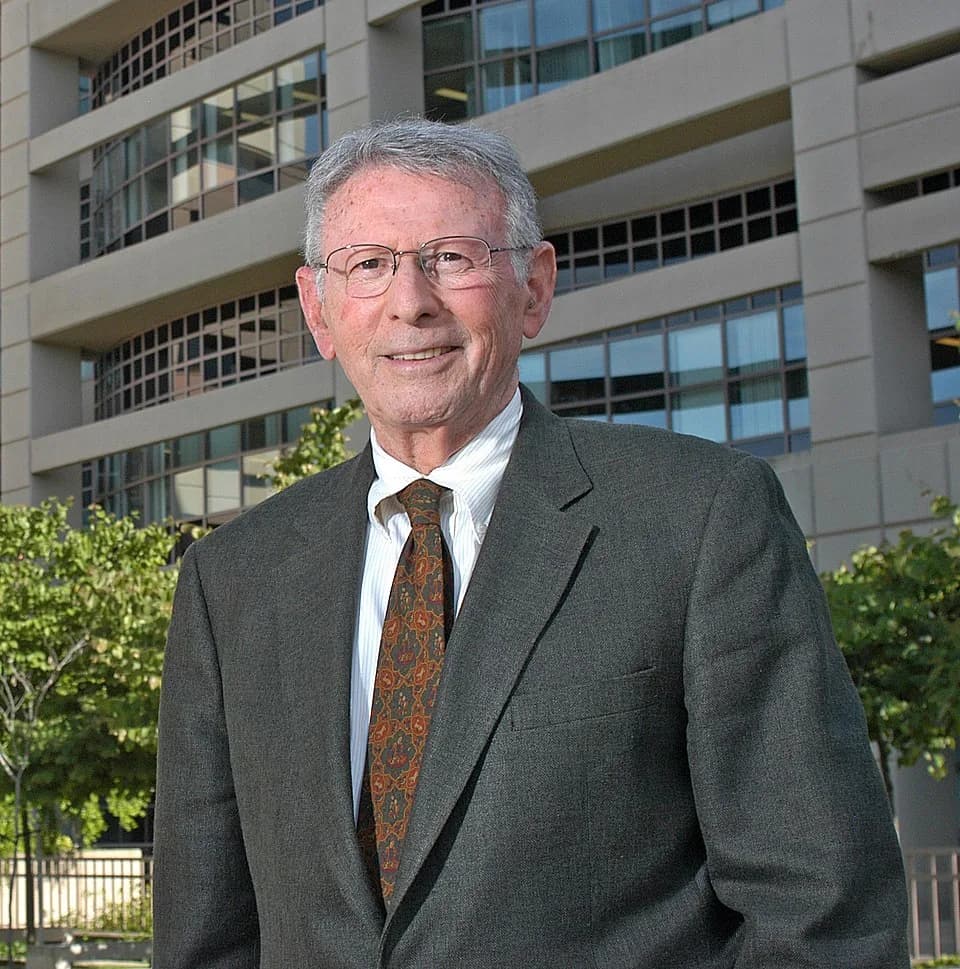
Paul Berg continued his academic association with Stanford University as a Professor emeritus. In his later years, he remained a respected figure in the scientific community. He passed away on February 15, 2023, in Stanford, United States.
باب 7· 7 میں سے باب 7
Legacy and Impact
Paul Berg's innovations in recombinant-DNA technology permanently altered the course of biological research and medicine. His methods provided the tools for creating genetically modified organisms and for producing important proteins like insulin on a large scale. These advancements have yielded new diagnostic tests, therapies, and agricultural improvements. His foundational work continues to influence modern biotechnology and genetic engineering. The principles he established remain central to genetic manipulation and our ability to explore the secrets of life itself.
لمحوں میں ایک زندگی
وہ لمحے جنہوں نے ایک زندگی کو تشکیل دیا
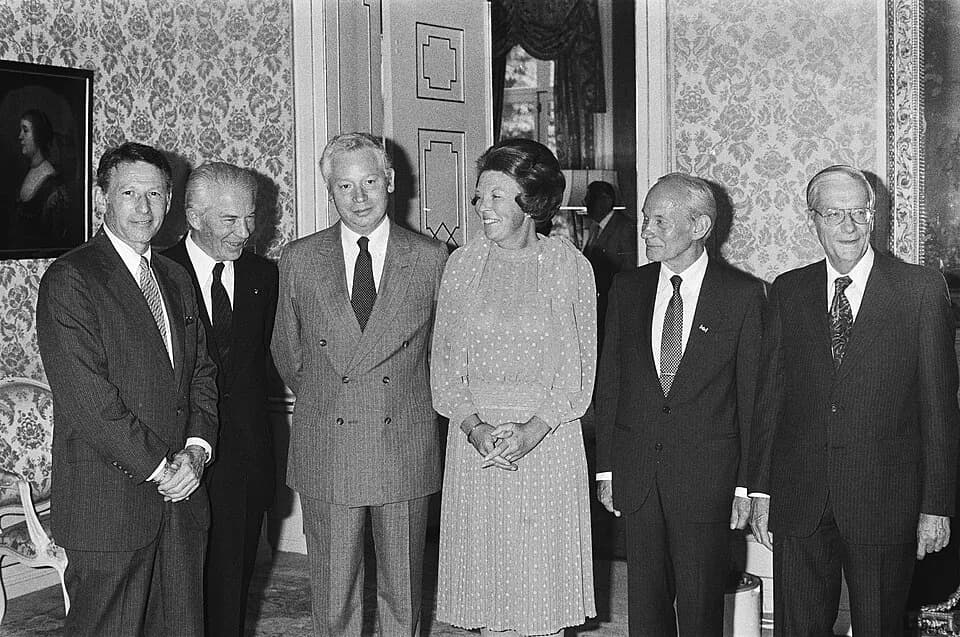
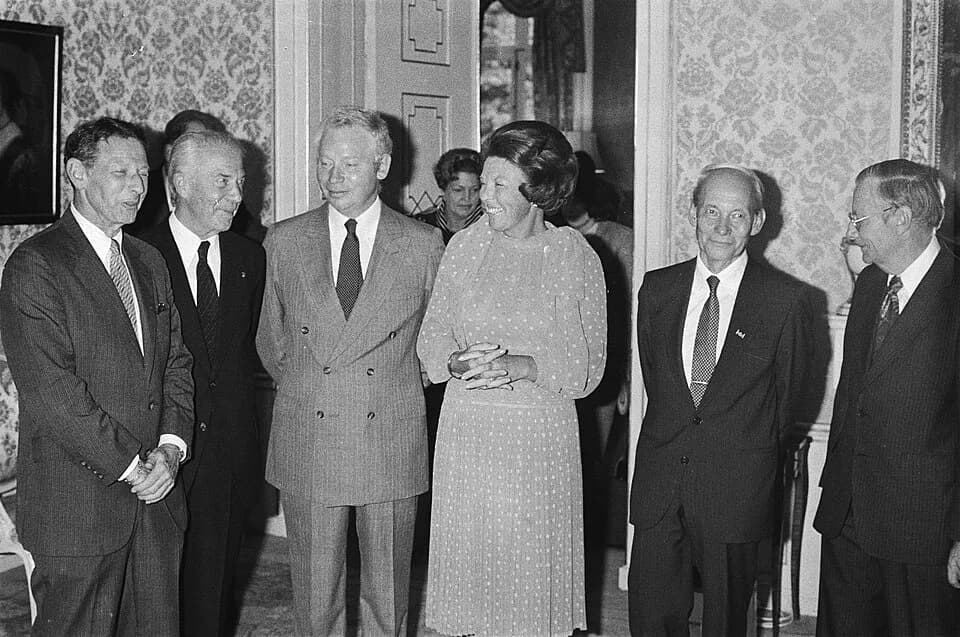
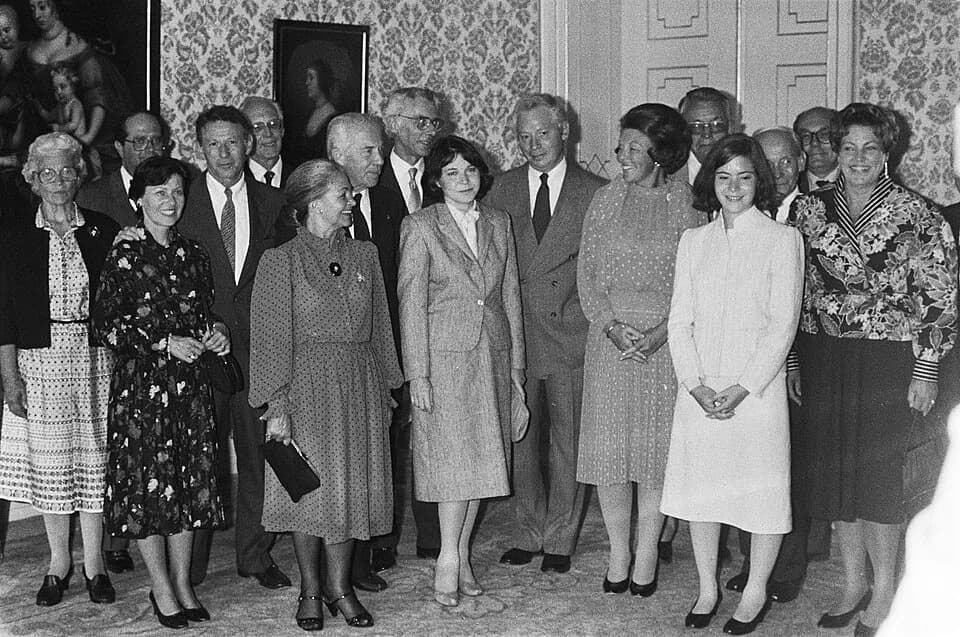
اکثر پوچھے گئے سوالات
اکثر پوچھے گئے
Paul Berg کب وفات پا گئے؟
Paul Berg 15 فروری، 2023 کو Stanford, United States میں وفات پا گئے، 96 سال کی عمر میں۔
Paul Berg کہاں پیدا ہوئے؟
Paul Berg Brooklyn, United States میں 30 جون، 1926 کو پیدا ہوئے۔
Paul Berg کس چیز کے لیے سب سے زیادہ مشہور ہیں؟
Paul Berg American biochemist, Professor emeritus at Stanford University & Nobel laureate in Chemistry کے لیے سب سے زیادہ مشہور ہیں۔
وفات کے وقت Paul Berg کی عمر کیا تھی؟
وفات کے وقت Paul Berg کی عمر 96 سال تھی۔
Paul Berg کی قومیت کیا تھی؟
Paul Berg کا تعلق United States سے تھا۔
ٹائم لائن
ایک نظر میں زندگی
تصویری گیلری
تصاویر میں ایک زندگی
بڑا کرنے کے لیے کسی بھی پولیرائیڈ پر کلک کریں · 25 تصاویر
QR کوڈ
یہ سوانح عمری شیئر کریں
پرنٹ کریں اور شیئر کریں
اس سوانح عمری کے صفحے کو دیکھنے کے لیے اسکین کریں۔ تقریبات، نمائشوں، یا تعلیمی مواد کے لیے پرنٹ کریں۔