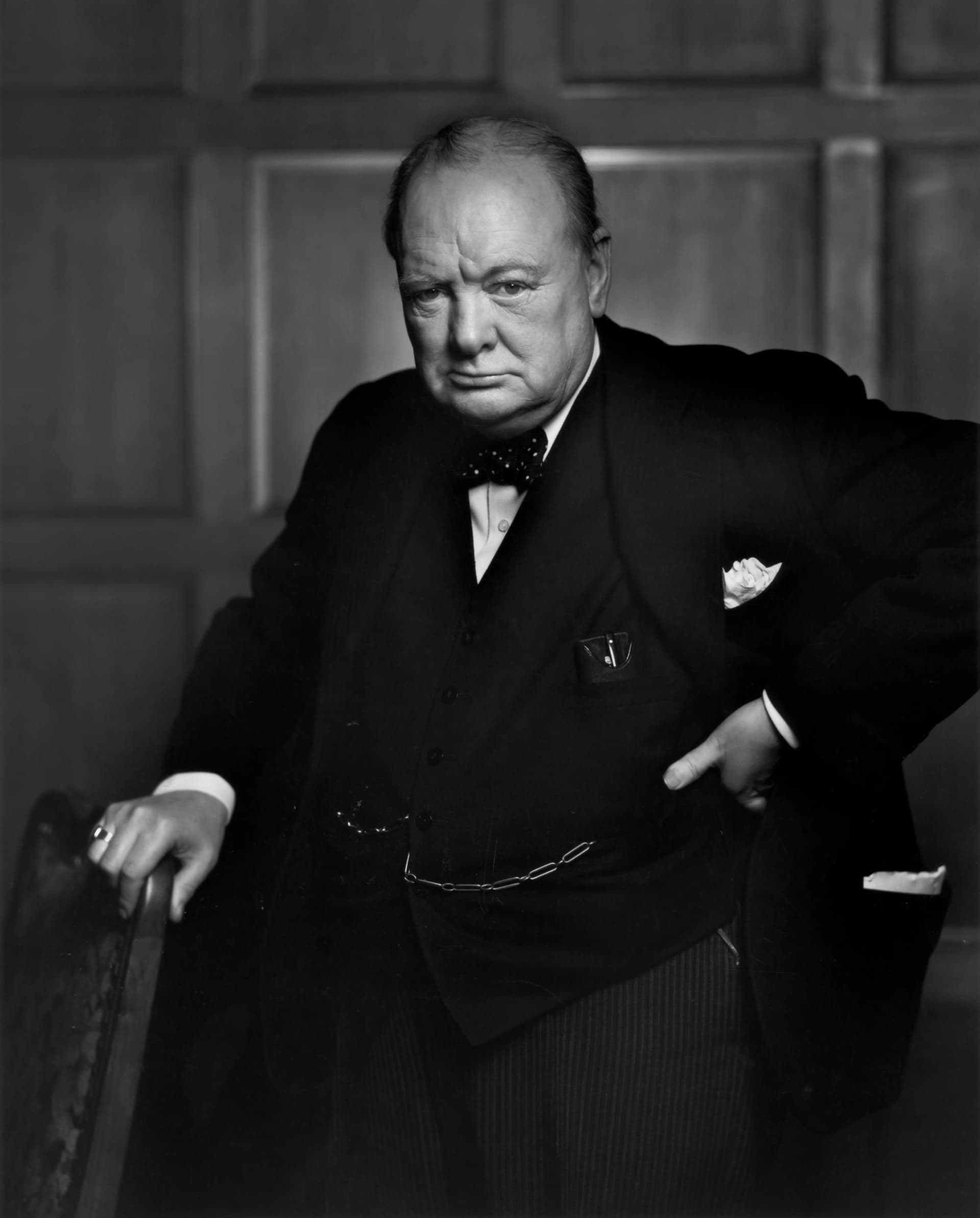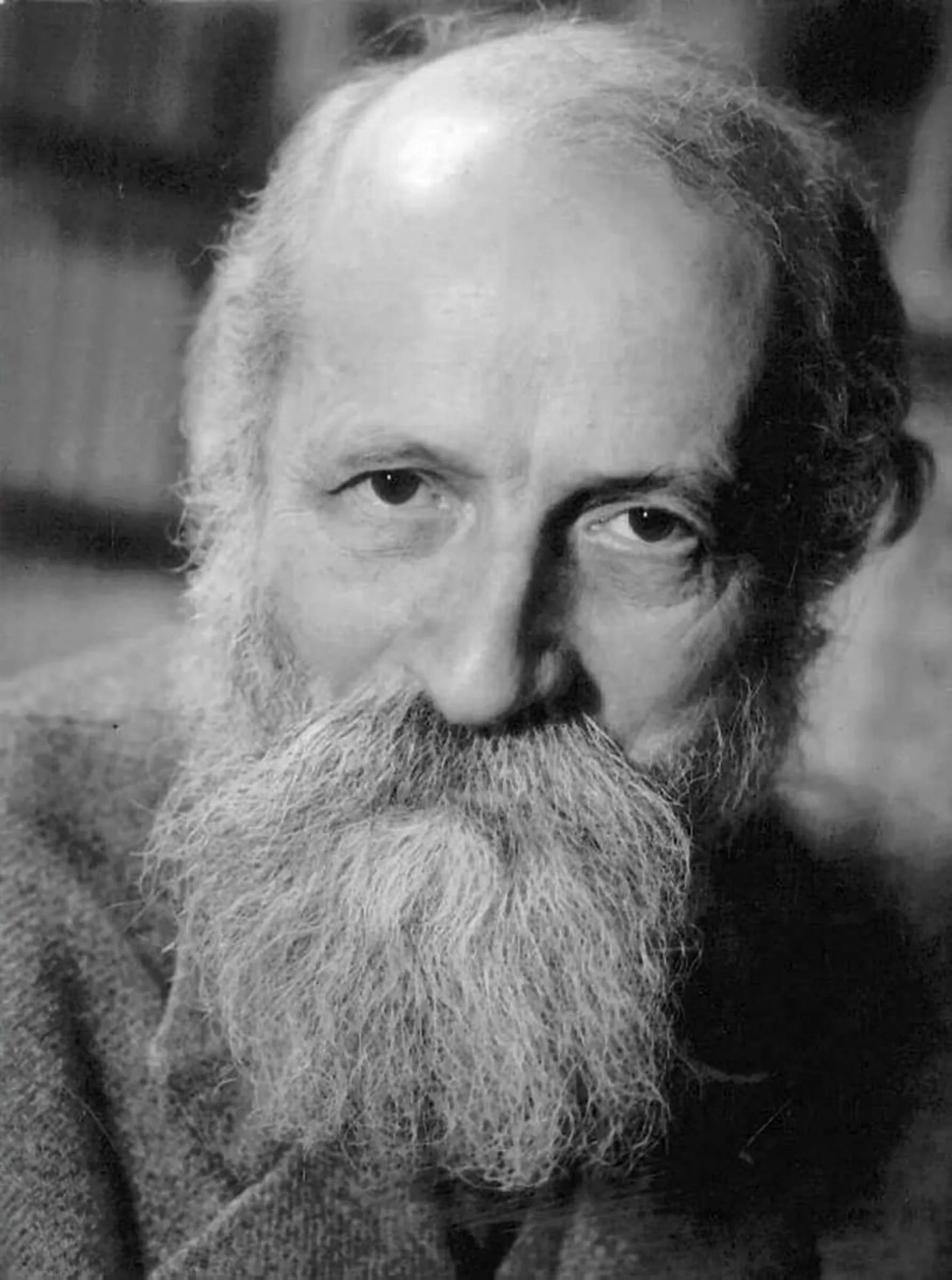
پیدائش
October 6, 1887
La Chaux-de-Fonds, Switzerland
وفات
August 27, 1965
Roquebrune-Cap-Martin, France
اس وجہ سے جانے جاتے ہیں
Swiss-French architect, designer, urbanist, and writer
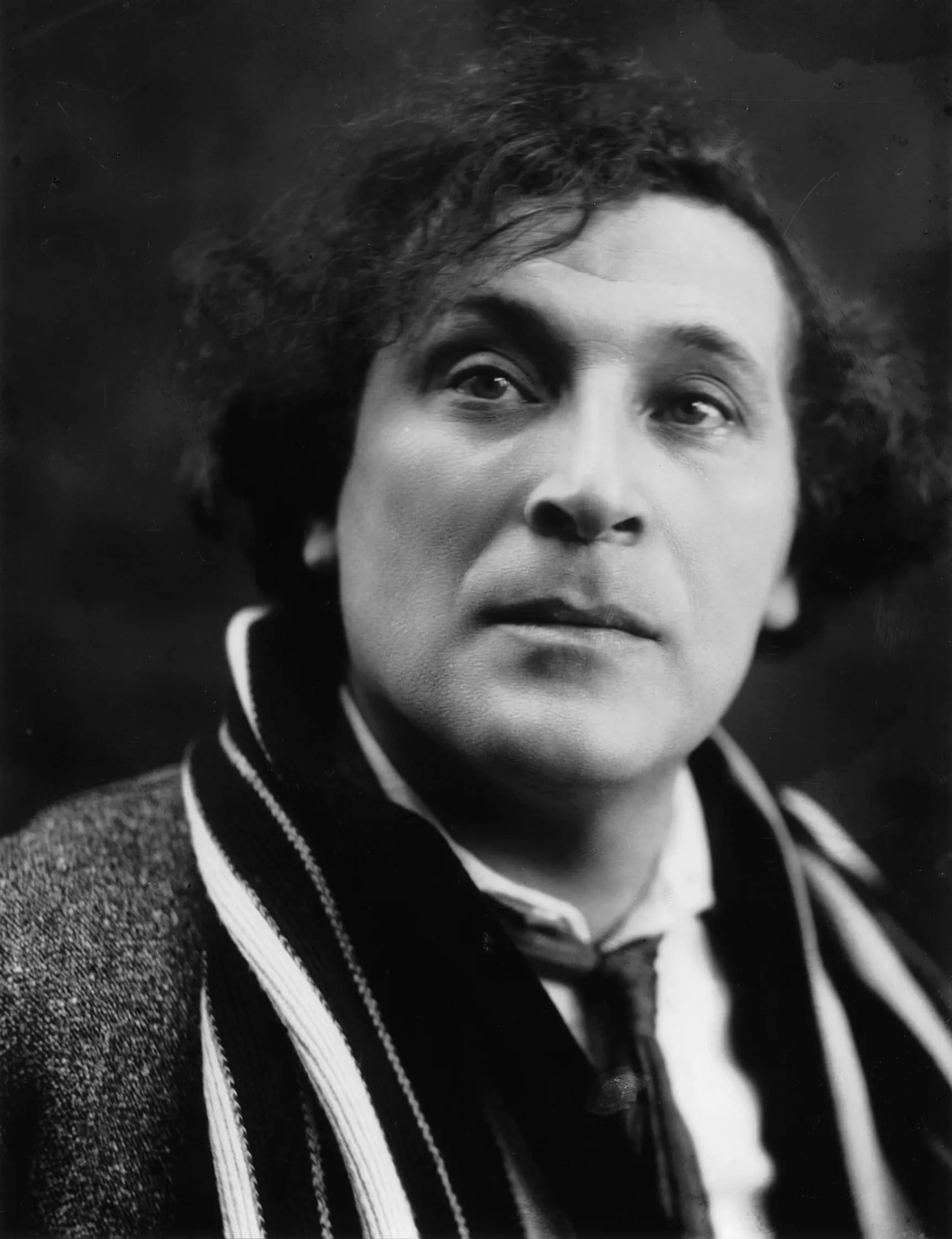
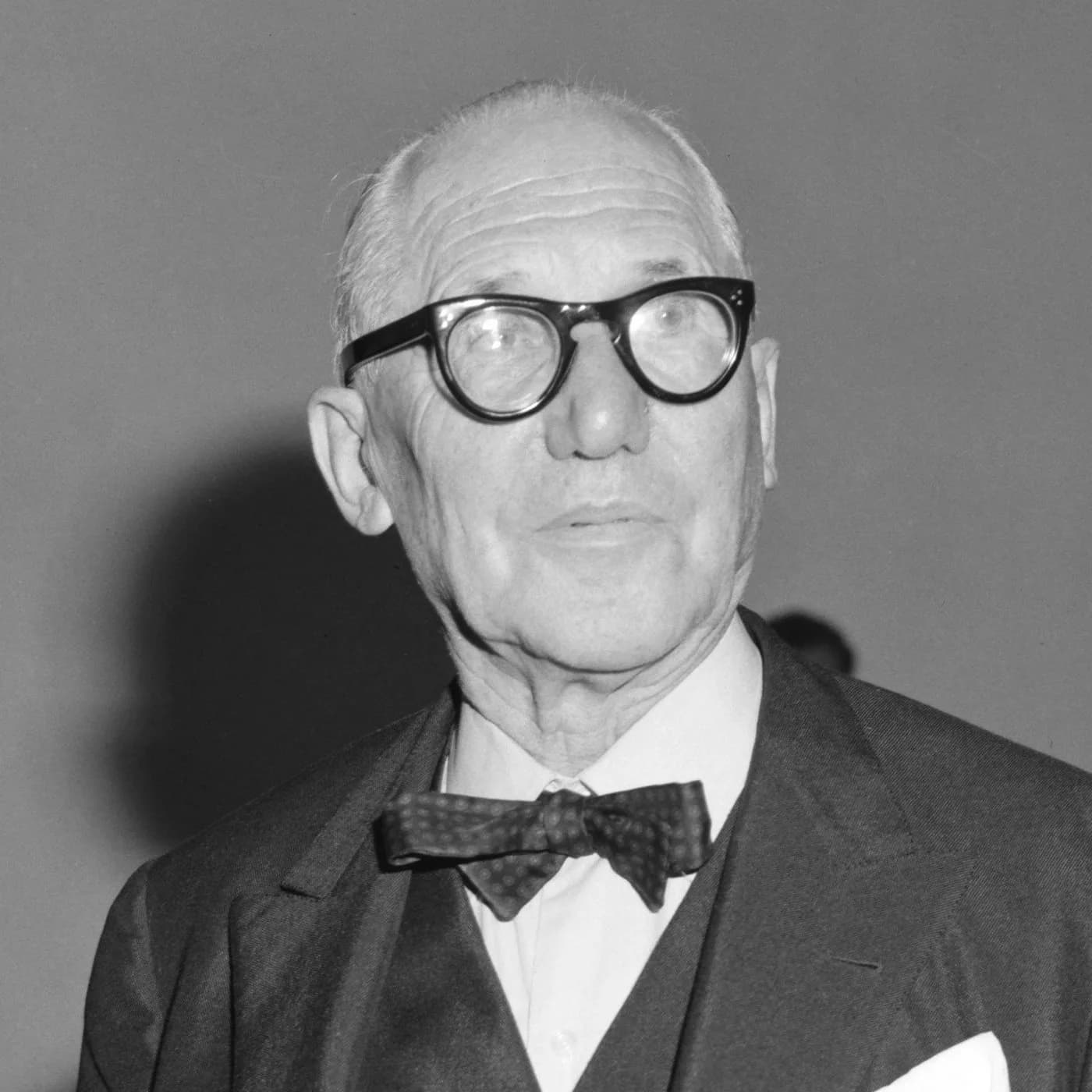
Le Corbusier (1887–1965) was Switzerland best known for Swiss-French architect, designer, urbanist, and writer.
Charles-Édouard Jeanneret, known as Le Corbusier (October 6, 1887 – August 27, 1965), was a Swiss-French architect, designer, urbanist, and writer. He pioneered modern architecture, designing influential buildings across continents during a five-decade career. His legacy shapes contemporary design and urban planning worldwide.
لمحوں میں ایک زندگی
وہ لمحے جنہوں نے ایک زندگی کو تشکیل دیا
باب
زندگی کے ابواب
باب 1 · 1887· 7 میں سے باب 1
Remembering Le Corbusier
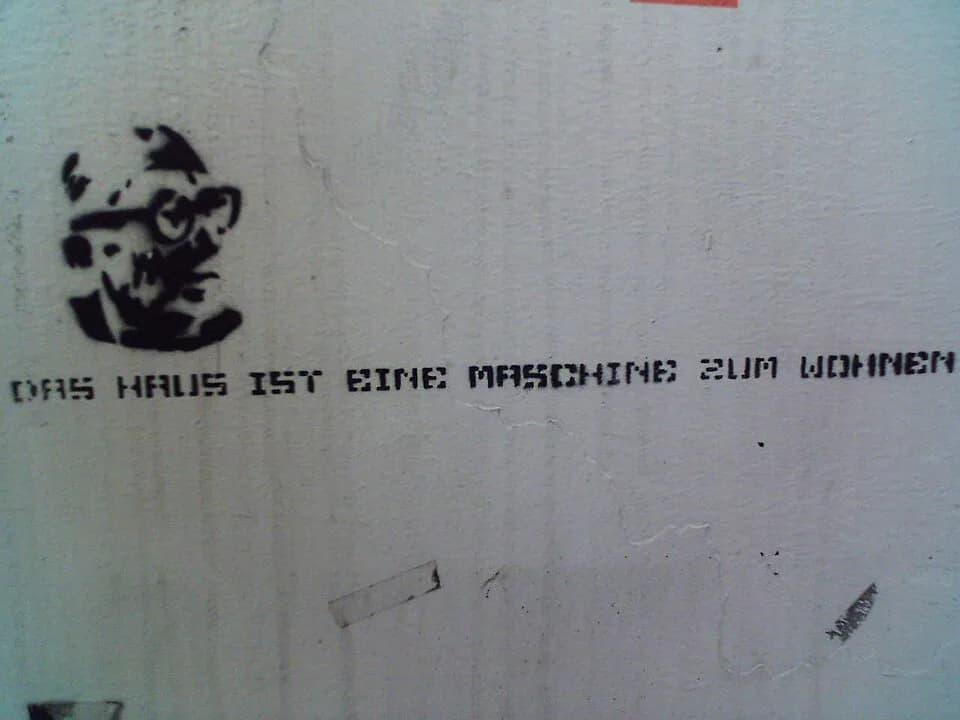
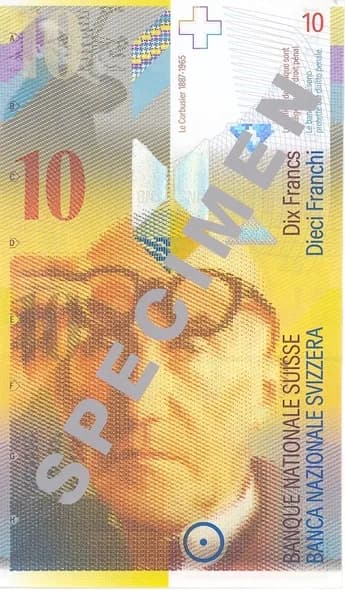
Charles-Édouard Jeanneret, globally recognized as Le Corbusier, was a distinguished Swiss-French architectural designer, painter, urban planner, and writer. Born on October 6, 1887, and passing on August 27, 1965, he dedicated his life to shaping the built environment and artistic expression. His five-decade career left an enduring mark as one of the pioneers of what is now known as modern architecture, influencing design and urbanism across continents.
باب 2· 7 میں سے باب 2
Early Life and Origins
Born in La Chaux-de-Fonds, Switzerland, Charles-Édouard Jeanneret began his life in a region with deep cultural ties. His parents were French-speaking Swiss, grounding his upbringing in a rich European heritage. This Swiss origin provided a foundation for his early artistic and technical explorations, setting the stage for his future endeavors in architecture and design.
In 1930, Jeanneret acquired French nationality, a significant moment that formally connected him to France, a nation where he would spend much of his productive career. This dual heritage as a Swiss-born French national colored his international perspective, allowing him to bridge diverse cultural contexts in his architectural and artistic practice. His early exposure to varied influences undoubtedly contributed to his unique vision.
باب 3· 7 میں سے باب 3
Career Beginnings
Le Corbusier's early career saw him develop the foundational principles that would define modern architecture. He sought to create functional and aesthetically pure structures, moving away from traditional ornate styles. His initial explorations and theoretical writings laid the groundwork for a new approach to building design.
His architectural philosophy was notably influenced by historical precedents, as he considered that "the roots of modern architecture are to be found in Viollet-le-Duc." This connection to an earlier architectural theorist highlights his deep engagement with the history of design, even as he pushed boundaries toward the future. He meticulously studied past forms to inform his contemporary innovations.
باب 4· 7 میں سے باب 4
Major Achievements and Career Highlights
Le Corbusier's career spanned five decades, during which he redefined multiple creative fields. He was celebrated as an architect, designer, urbanist, and writer, demonstrating a rare breadth of skill. His designs for buildings were realized in diverse geographical locations, including Europe, Japan, India, and the Americas.
Beyond architecture, Le Corbusier's professional life encompassed a wide range of artistic and design pursuits. He excelled as a writer, photographer, painter, sculptor, and visual artist. His creative expression also extended to more applied arts, where he worked as a textile artist, furniture designer, and carpets designer, showing a unified vision across various scales of design.
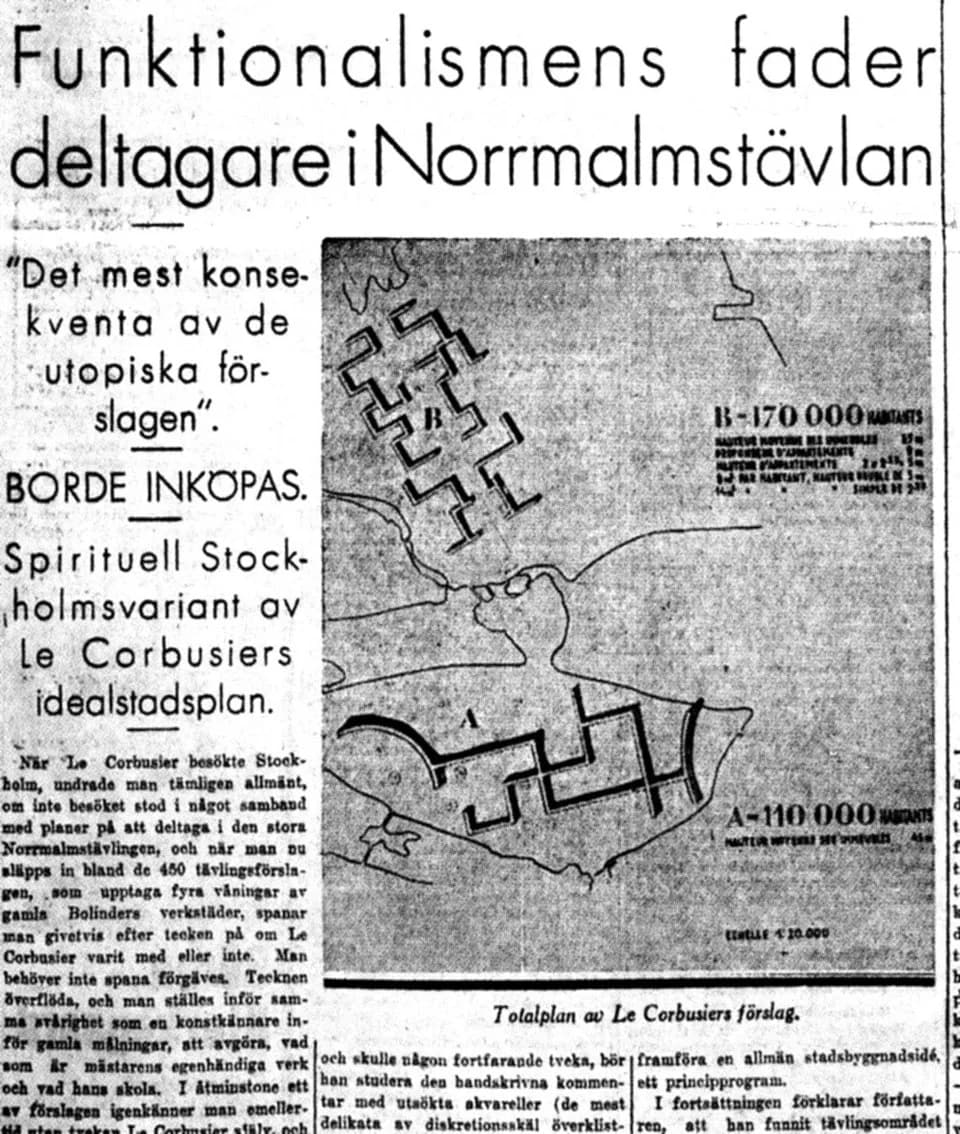
His contributions to urban planning were also significant, influencing how cities were conceived and organized. Through his writings and urban schemes, he sought to address the challenges of modern urban living. His ideas fostered new discussions about density, circulation, and green spaces in metropolitan areas.
باب 5· 7 میں سے باب 5
Notable Works or Contributions
Le Corbusier's bibliography includes essential theoretical texts and comprehensive collections of his work. Among these is Der Modulor, a book detailing his anthropometric scale of proportions, which guided much of his architectural design. This publication provided a systematic framework for understanding human dimensions in relation to architecture.
His artistic output is also documented in publications such as Peintures le Corbusier, showcasing his work as a painter. The multi-volume Œuvres complète de 1910-1929 offers a detailed look at his early designs and theoretical developments. Another significant urban planning text is Manière de pensar l'urbanisme, which outlines his vision for city design and spatial organization.
The radiant city stands as a seminal work in his urban planning theories, proposing a utopian vision for modern living environments. Books like Le Corbusier e o Brasil, Le Corbusier: Architektur, Malerei, Plastik, Wandteppiche, and Le Corbusier, Chandigarh serve as collections or studies of his work in specific regions or across various artistic mediums. These titles reveal the breadth of his influence and the scholarly interest in his creative endeavors.
His designs for furniture are highly celebrated, including the "Siège à Dossier Basculant" Armchair (model B 301), created in 1929. This piece, featured in the Met Museum, reflects his commitment to functional yet elegant design. Another iconic furniture creation is the Chaise Longue, designed in 1928 and produced around 1932 or 1933, also housed in institutions like the Met Museum and the Art Institute of Chicago.
Le Corbusier's architectural vision is powerfully exemplified by the High Court (La Haut Cour de Justice) in Chandigarh, India. Designed between 1951 and 1956, this structure is a testament to his monumental scale and innovative use of concrete. Views of its façade at a raking angle, as documented by the Met Museum, highlight its imposing and carefully sculpted forms.
His artistic practice extended to painting, as seen in works like Still Life with Flowers (1914), an early exploration of form and color from the AIC collection. Still Life Filled with Space (1924) and Abstract Composition (1927), also from the AIC, show his progression towards more abstract and spatial considerations in his two-dimensional art. These paintings reveal a continuous dialogue with the visual arts.
Further artistic endeavors include Untitled (1932) and Abstract Composition-Figures in a Landscape (c. 1930), both held by the AIC, demonstrating his ongoing engagement with abstract forms and the human figure. His sculptural ideas are captured in Drawing for Sculpture (1940–41) from the AIC, illustrating his three-dimensional thinking. These works underscore his versatility across different artistic mediums.
Le Corbusier also created numerous sketches that informed his architectural and artistic output. Club de Centre Rural: Perspective Sketch (1943) from the AIC offers insight into his design process for community spaces. Additionally, Sketches of Roman Architecture (c. 1935) reveal his continued study of classical forms, which provided a historical context for his modernist innovations.
باب 6 · 1965· 7 میں سے باب 6
Later Years
Le Corbusier maintained an active professional life throughout his later years, culminating in a five-decade career of continuous creation and influence. He passed away on August 27, 1965, in Roquebrune-Cap-Martin, France. His death marked the end of an era for modern architecture, but his ideas continued to resonate and develop.
Even in his final years, his work contributed to significant projects around the world, including the ongoing development of Chandigarh. His presence in the architectural world remained strong until his passing. The architectural community honored his legacy, recognizing the extensive body of work he left behind.
باب 7· 7 میں سے باب 7
Legacy and Impact
Le Corbusier is remembered as one of the most influential figures in 20th-century architecture and design. His forward-thinking ideas profoundly shaped the development of modern architecture. He challenged traditional norms, advocating for functionalism and a new aesthetic that utilized materials like reinforced concrete.
His concepts of urban planning, such as the "five points of architecture," are still studied and debated in contemporary architectural discourse. These principles provided a coherent framework for designing buildings and cities. His theoretical writings continue to be a reference point for architects and urbanists alike, offering insights into the relationship between humans and their built environment.
The global reach of his designs, from Europe to India and the Americas, ensures his continued relevance. His integrated approach, spanning architecture, furniture, painting, and urbanism, created a cohesive vision for modern living. Le Corbusier's work remains a cornerstone for understanding the evolution of modern design and its lasting impact on our world.
اکثر پوچھے گئے سوالات
اکثر پوچھے گئے
Le Corbusier کب وفات پا گئے؟
Le Corbusier 27 اگست، 1965 کو Roquebrune-Cap-Martin, France میں وفات پا گئے، 77 سال کی عمر میں۔
Le Corbusier کہاں پیدا ہوئے؟
Le Corbusier La Chaux-de-Fonds, Switzerland میں 6 اکتوبر، 1887 کو پیدا ہوئے۔
Le Corbusier کس چیز کے لیے سب سے زیادہ مشہور ہیں؟
Le Corbusier Swiss-French architect, designer, urbanist, and writer کے لیے سب سے زیادہ مشہور ہیں۔
وفات کے وقت Le Corbusier کی عمر کیا تھی؟
وفات کے وقت Le Corbusier کی عمر 77 سال تھی۔
Le Corbusier کی قومیت کیا تھی؟
Le Corbusier کا تعلق Switzerland سے تھا۔
ٹائم لائن
ایک نظر میں زندگی
تصویری گیلری
تصاویر میں ایک زندگی
بڑا کرنے کے لیے کسی بھی پولیرائیڈ پر کلک کریں · 47 تصاویر
QR کوڈ
یہ سوانح عمری شیئر کریں
پرنٹ کریں اور شیئر کریں
اس سوانح عمری کے صفحے کو دیکھنے کے لیے اسکین کریں۔ تقریبات، نمائشوں، یا تعلیمی مواد کے لیے پرنٹ کریں۔