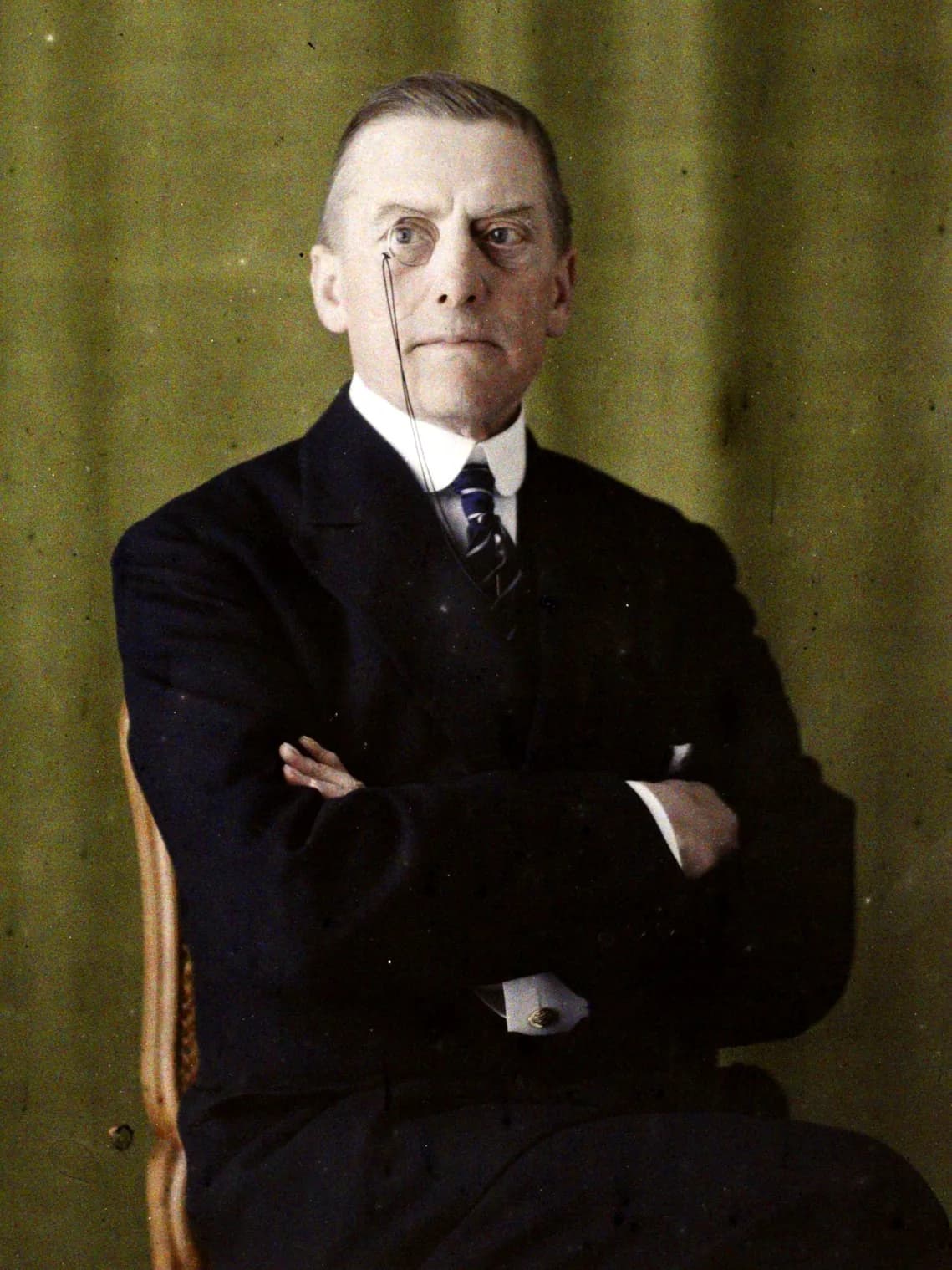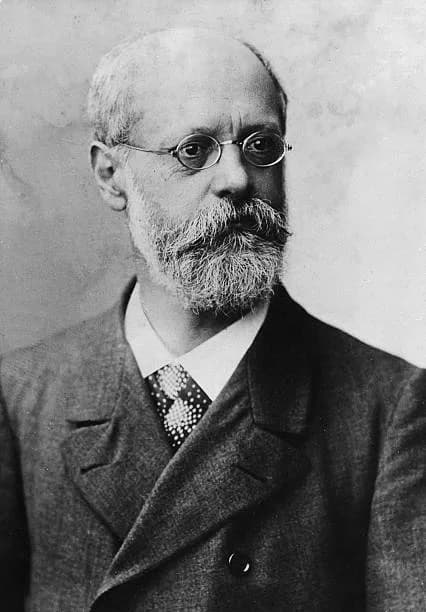
پیدائش
October 16, 1854
Prague, Czech Republic
وفات
October 17, 1938
Amsterdam, Netherlands
اس وجہ سے جانے جاتے ہیں
Czech-Austrian Marxist theorist
Karl Kautsky (1854–1938) was Czech Republic best known for Czech-Austrian Marxist theorist.
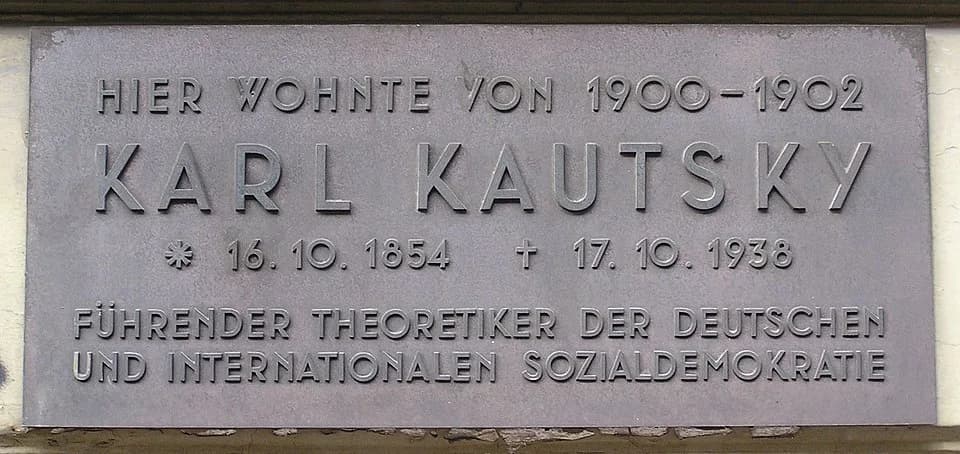
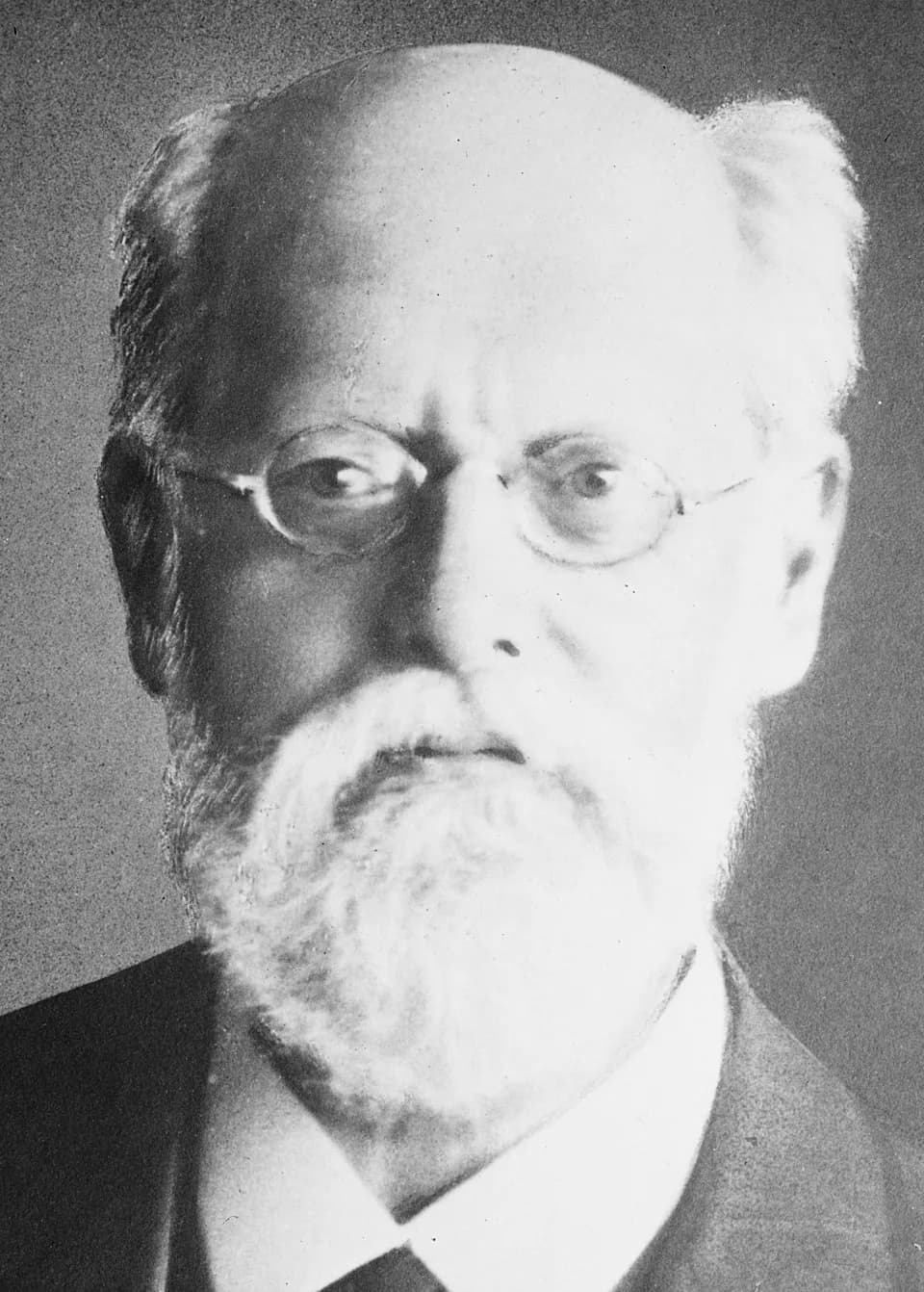
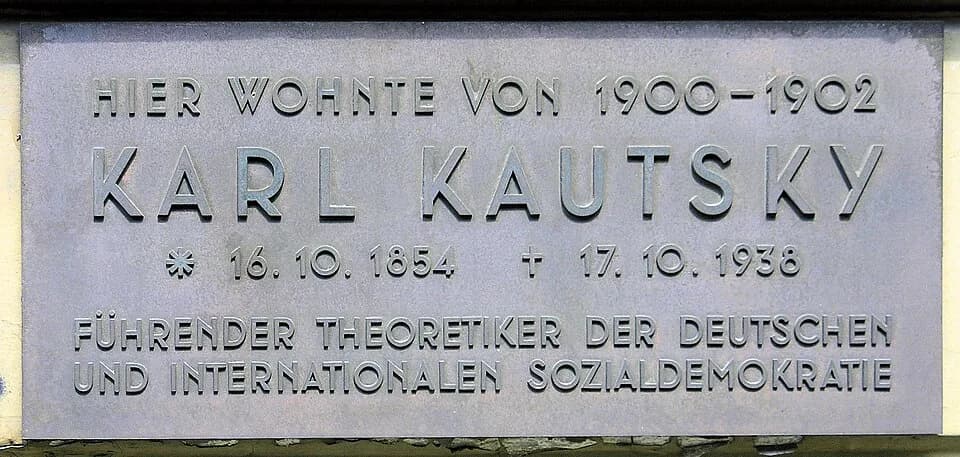
Karl Kautsky (October 16, 1854 – October 17, 1938) was a Czech-Austrian Marxist theorist, economist, and journalist. He was known as the "Pope of Marxism" for his authoritative promulgation of orthodox Marxist theory after Friedrich Engels' death. His ideas shaped the Social Democratic Party of Germany and the Second International, influencing figures like Vladimir Lenin.
لمحوں میں ایک زندگی
وہ لمحے جنہوں نے ایک زندگی کو تشکیل دیا
باب
زندگی کے ابواب
باب 1 · 1854· 6 میں سے باب 1
Early Life and Origins
Karl Kautsky was born on October 16, 1854, in Prague, which is now part of the Czech Republic. This central European origin placed him within a rich intellectual and political environment that would later inform his extensive theoretical work. His early life set the stage for a career dedicated to the rigorous analysis and propagation of Marxist principles.
باب 2 · 1895· 6 میں سے باب 2
Career Beginnings
Kautsky began to emerge as a significant voice in Marxist theory early in his career. After Friedrich Engels' passing in 1895, Kautsky swiftly became recognized as a leading authority, taking on the mantle of defining and defending orthodox Marxism. His intellectual rigor quickly established his position within the international socialist movement.
For many decades, Kautsky served as the principal theorist of two of the most influential socialist organizations of his time: the Social Democratic Party of Germany (SPD) and the Second International. His insights guided policy and ideological discussions, influencing countless socialists and revolutionaries across Europe. This foundational role underscores his immense early influence.
باب 3 · 1914· 6 میں سے باب 3
Major Achievements and Career Highlights
Kautsky's pervasive influence earned him the moniker "Pope of Marxism," reflecting his widely accepted authority on Marxist theory. His views remained dominant within the socialist movement and beyond until the outbreak of World War I in 1914. This period marked the zenith of his theoretical leadership.
His impact was not confined to Germany; it stretched considerably into the Russian Empire. Here, prominent figures such as Vladimir Lenin regarded Kautsky as the foremost authority on Marxist theory. His interpretations and analytical frameworks provided crucial intellectual scaffolding for the developing socialist movements in Russia.
باب 4· 6 میں سے باب 4
Notable Works or Contributions
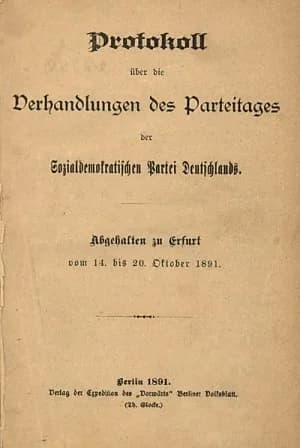
Throughout his distinguished career, Karl Kautsky authored numerous influential works that articulated and expanded upon Marxist thought. Among his significant publications were "Das Erfurter Programm in seinem Grundsätzlichen Teil erläutert" and "Die soziale Revolution." These texts helped to define the theoretical underpinnings of social democracy.
Kautsky also explored various facets of Marxism, including works like "Ethik und materialistische Geschichtsauffassung" and "Nationalstaat, imperialistischer Staat und Staatenbund." His bibliography also includes international analyses such as "Respublika i sot︠s︡ial-demokratii︠a︡ vo Frant︠s︡ii" and examinations of Russian revolutionary dynamics like "Krestʹi︠a︡ne i revoli︠u︡t︠s︡ii︠a︡ v Rossīi."
His academic output further highlights the breadth of his scholarly engagement. Notable academic publications include "La question agraire : etude sur les tendances de l'agriculture moderne," which garnered 21 citations, demonstrating its long-term relevance. Other cited works like "Socialisme, La Voie Occidentale" and "Le bolchechevisme dans l'impasse" further showcase his sustained intellectual activity and critical engagement with contemporary socialist developments.
باب 5 · 1938· 6 میں سے باب 5
Later Years
As World War I challenged established socialist ideologies, Kautsky continued his intellectual output and engagement. His final years saw him navigating the shifting political and theoretical currents of the interwar period. He passed away on October 17, 1938, in Amsterdam, Netherlands, leaving behind a vast body of work.
باب 6· 6 میں سے باب 6
Legacy and Impact
Karl Kautsky's legacy as the "Pope of Marxism" reflects his intellectual rigor and extensive theoretical contributions. He played a singular role in shaping orthodox Marxism for decades, influencing an entire generation of socialist thinkers and activists. His frameworks were central to the ideological coherence of the Social Democratic Party of Germany and the Second International.
Even as new interpretations and challenges to Marxism emerged, Kautsky's influence remained undeniable. His writings and analyses provided a foundational understanding of Marxist theory that reverberated across national borders, particularly in the Russian Empire. The intellectual scaffolding he provided continues to be studied and debated in the ongoing discourse on socialism and political economy.
اکثر پوچھے گئے سوالات
اکثر پوچھے گئے
Karl Kautsky کب وفات پا گئے؟
Karl Kautsky 17 اکتوبر، 1938 کو Amsterdam, Netherlands میں وفات پا گئے، 84 سال کی عمر میں۔
Karl Kautsky کہاں پیدا ہوئے؟
Karl Kautsky Prague, Czech Republic میں 16 اکتوبر، 1854 کو پیدا ہوئے۔
Karl Kautsky کس چیز کے لیے سب سے زیادہ مشہور ہیں؟
Karl Kautsky Czech-Austrian Marxist theorist کے لیے سب سے زیادہ مشہور ہیں۔
وفات کے وقت Karl Kautsky کی عمر کیا تھی؟
وفات کے وقت Karl Kautsky کی عمر 84 سال تھی۔
Karl Kautsky کی قومیت کیا تھی؟
Karl Kautsky کا تعلق Czech Republic سے تھا۔
ٹائم لائن
ایک نظر میں زندگی
تصویری گیلری
تصاویر میں ایک زندگی
بڑا کرنے کے لیے کسی بھی پولیرائیڈ پر کلک کریں · 45 تصاویر
QR کوڈ
یہ سوانح عمری شیئر کریں
پرنٹ کریں اور شیئر کریں
اس سوانح عمری کے صفحے کو دیکھنے کے لیے اسکین کریں۔ تقریبات، نمائشوں، یا تعلیمی مواد کے لیے پرنٹ کریں۔