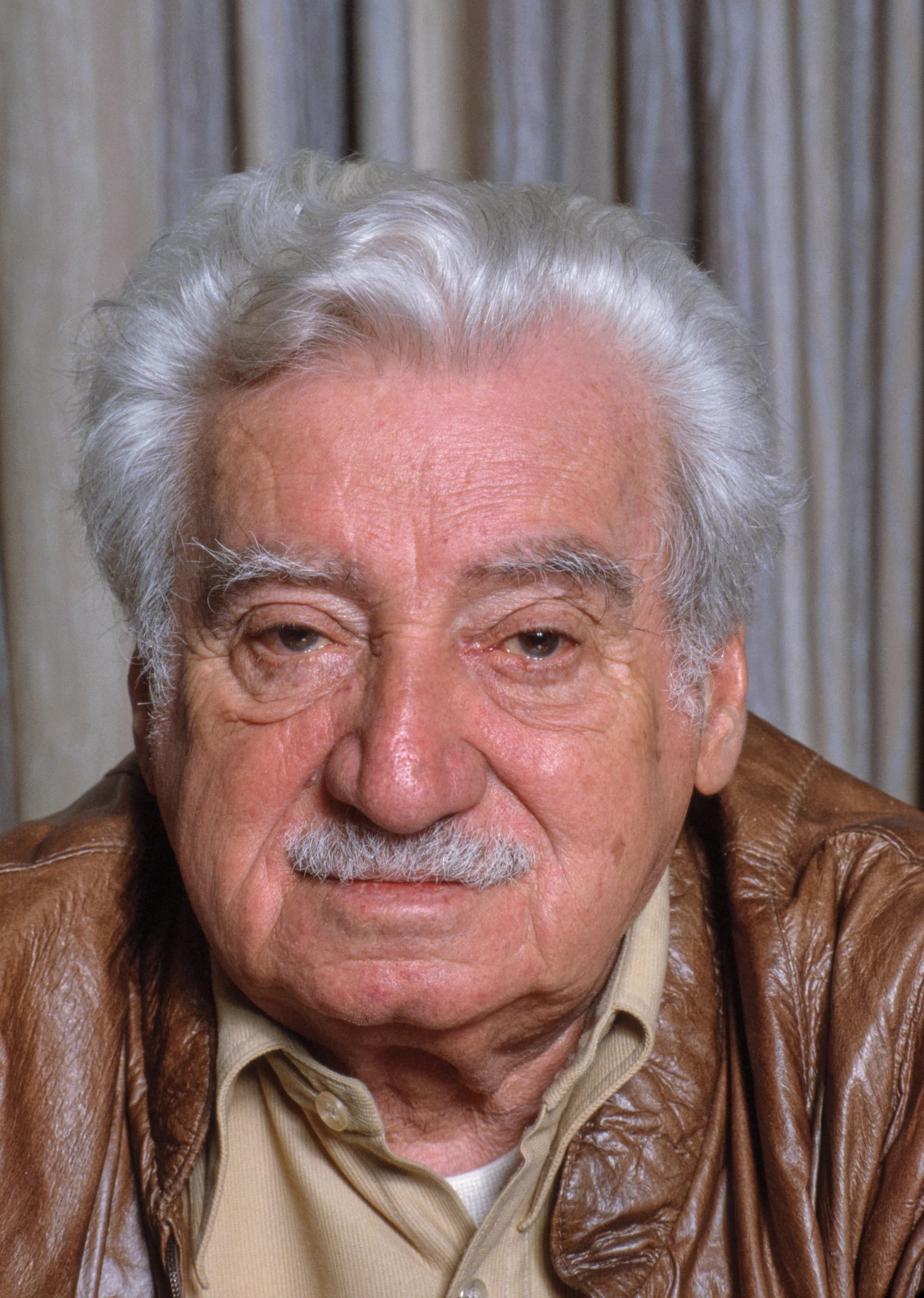
پیدائش
August 10, 1912
Itabuna, Brazil
وفات
August 6, 2001
Salvador, Brazil
اس وجہ سے جانے جاتے ہیں
Brazilian writer
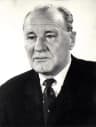
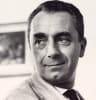
Jorge Amado (1912–2001) was Brazil best known for Brazilian writer.
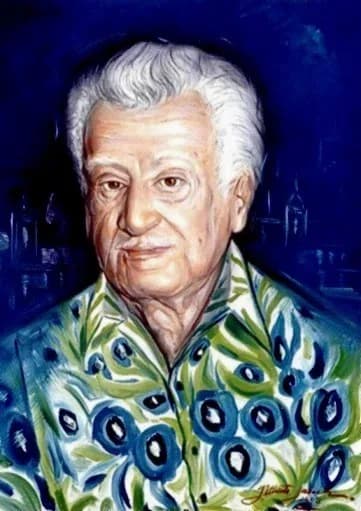
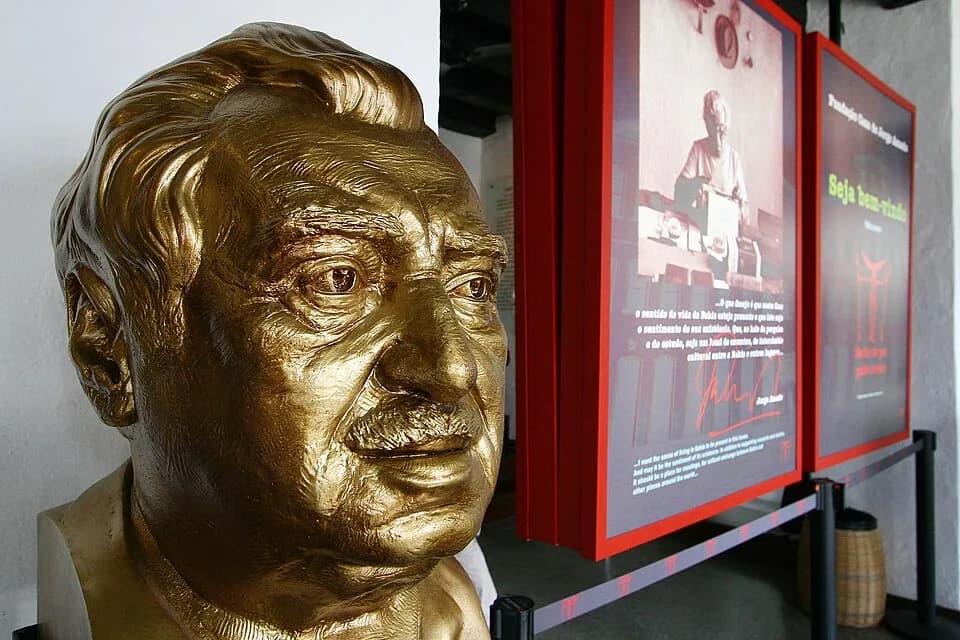
Jorge Leal Amado de Faria (August 10, 1912 – August 6, 2001) was a Brazilian writer, poet, and novelist. He is known as the best-known modern Brazilian writer, translated into 49 languages and nominated for the Nobel Prize multiple times. His narratives illuminated a Mestiço Brazil, showing its spirit and social realities.
باب
زندگی کے ابواب
باب 1 · 1912· 7 میں سے باب 1
Early Life and Origins
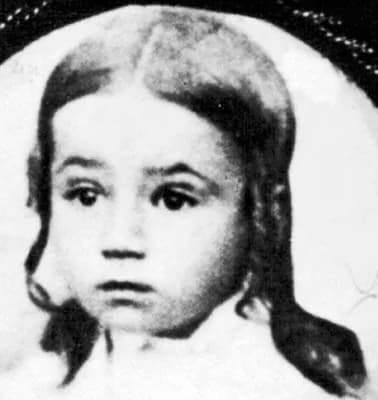
Born on August 10, 1912, Jorge Amado's roots were firmly planted in Itabuna, Brazil, a vibrant city nestled within the fertile lands of Bahia. This specific regional setting greatly influenced the landscapes and social structures he would later explore in his literary creations. His childhood experiences in this culturally rich environment provided a deep well of inspiration, shaping his unique perspective on Brazilian life.
The varied cultural elements and diverse social dynamics of Bahia during his upbringing were central to forming Amado's distinctive narrative voice. His early exposure to the region's traditions, folklore, and complex social structures laid the groundwork for his authentic portrayal of Brazilian identity. These formative years contributed directly to his ability to capture both the joyous spirit and the underlying challenges of his homeland.
باب 2· 7 میں سے باب 2
Career Beginnings
Jorge Amado commenced his distinguished literary career as an integral member of the Brazilian modernist school. This artistic movement sought to redefine Brazilian culture and national identity through innovative forms and themes. His early writings quickly established him as a significant and fresh voice within this influential circle, challenging conventional narratives.
Beyond his burgeoning literary pursuits, Amado engaged in various professions that enriched his understanding of society and honed his storytelling abilities. His work as a journalist, for instance, provided him with firsthand insights into the daily lives and struggles of ordinary Brazilians. This journalistic background instilled in him a keen observational skill, which became a hallmark of his realistic and empathetic literary style.
باب 3· 7 میں سے باب 3
Major Achievements and Career Highlights
Jorge Amado achieved unparalleled recognition as the best-known modern Brazilian writer, a testament to his unique literary genius and universal appeal. His profound ability to connect with readers across cultures is demonstrated by the translation of his works into approximately 49 different languages. This extensive global reach solidified his position as a truly international literary figure.
His consistent nominations for the Nobel Prize in Literature, occurring at least seven times throughout his career, underscore the enduring critical acclaim for his contributions. These repeated nominations highlight the high regard in which he was held by the international literary community. Furthermore, Amado's stories transitioned successfully to the silver screen, with the 1976 film adaptation of "Dona Flor and Her Two Husbands" introducing his narratives to an even broader audience and becoming a significant cultural event.
باب 4· 7 میں سے باب 4
Personal Life
While specific details about Jorge Amado's private life, family, or personal interests are not extensively provided, his literary output offers a clear glimpse into his worldview and values. His stories consistently portrayed Brazil as a country brimming with optimism and joy, despite often depicting deep social and economic inequalities. This artistic choice reveals an author deeply committed to exploring the full spectrum of the human experience within his homeland.
Amado's narratives are distinctly marked by their reflection of a Mestiço Brazil, celebrating the nation's rich blend of indigenous, African, and European cultures. He also frequently incorporated elements of religious syncretism, illustrating the unique spiritual practices prevalent in Brazil. These thematic choices suggest a personal appreciation for cultural diversity and a profound understanding of the complex spiritual landscape that defined his beloved country.
باب 5· 7 میں سے باب 5
Notable Works or Contributions
Jorge Amado's bibliography is a treasure trove of iconic novels that have cemented his place in literary history. "Terras do sem fim," a powerful narrative set amidst the cocoa plantations of Bahia, stands as one of his most recognized works, exploring themes of land, power, and human struggle. "Capitães da areia" offers a poignant and realistic portrayal of street children living in Salvador, capturing their resilience and vulnerabilities.
His storytelling prowess also shines through in works such as "Tieta do Agreste, pastora de cabras," a vibrant tale known for its strong female protagonist and vivid depiction of rural Brazil. "Cacau," another significant novel, further explores the social issues tied to the cocoa industry, mirroring the realities faced by many. Other notable titles in his extensive collection include "El cantor de los esclavos," "Umiračkata i smrtta na Kinkas Rikačot na voda," "Conversas com Alice Raillard," "Com o mar por meio," "ארץ החמס" (The Land of Carnival), and "זיעה" (Sweat), showcasing his wide thematic range and international publication.
باب 6· 7 میں سے باب 6
Later Years
Jorge Amado remained a prolific and influential writer throughout his later years, his literary voice continuing to resonate globally. He consistently maintained his status as a cherished literary icon, his new works eagerly anticipated by a dedicated readership. His dedication to writing remained steadfast, ensuring a continuous stream of insightful narratives that explored the intricacies of Brazilian society.
His remarkable life concluded on August 6, 2001, in Salvador, Brazil, just four days before his 89th birthday. Amado's passing marked the end of an era for both Brazilian and world literature, but his stories continued to live on. Even in his final years, his literary output and public presence reaffirmed his enduring relevance and the lasting power of his storytelling craft.
باب 7· 7 میں سے باب 7
Legacy and Impact
Jorge Amado's legacy is immeasurable, significantly shaping the perception of modern Brazilian literary identity on a global scale. He was instrumental in introducing the world to a rich and authentic vision of Brazil, moving beyond stereotypes. His works consistently reflected a "Mestiço Brazil," celebrating its rich cultural amalgamation and showcasing its religious syncretism with honesty and depth.
He adeptly painted a picture of a country that was simultaneously cheerful and optimistic, yet unafraid to confront its deep-seated social and economic differences. This balanced perspective provided readers with a genuine understanding of his homeland's complexities and spirit. Amado's novels, poems, and stories continue to be read, adapted, and studied worldwide, ensuring his unique voice and lasting insights will inspire and inform generations to come, securing his permanent place in the pantheon of global literature.
لمحوں میں ایک زندگی
وہ لمحے جنہوں نے ایک زندگی کو تشکیل دیا
اکثر پوچھے گئے سوالات
اکثر پوچھے گئے
Jorge Amado کب وفات پا گئے؟
Jorge Amado 6 اگست، 2001 کو Salvador, Brazil میں وفات پا گئے، 88 سال کی عمر میں۔
Jorge Amado کہاں پیدا ہوئے؟
Jorge Amado Itabuna, Brazil میں 10 اگست، 1912 کو پیدا ہوئے۔
Jorge Amado کس چیز کے لیے سب سے زیادہ مشہور ہیں؟
Jorge Amado Brazilian writer کے لیے سب سے زیادہ مشہور ہیں۔
وفات کے وقت Jorge Amado کی عمر کیا تھی؟
وفات کے وقت Jorge Amado کی عمر 88 سال تھی۔
Jorge Amado کی قومیت کیا تھی؟
Jorge Amado کا تعلق Brazil سے تھا۔
ٹائم لائن
ایک نظر میں زندگی
تصویری گیلری
تصاویر میں ایک زندگی
بڑا کرنے کے لیے کسی بھی پولیرائیڈ پر کلک کریں · 45 تصاویر
QR کوڈ
یہ سوانح عمری شیئر کریں
پرنٹ کریں اور شیئر کریں
اس سوانح عمری کے صفحے کو دیکھنے کے لیے اسکین کریں۔ تقریبات، نمائشوں، یا تعلیمی مواد کے لیے پرنٹ کریں۔