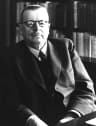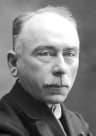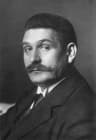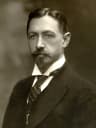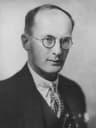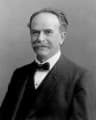
پیدائش
September 30, 1870
Lille, France
وفات
April 17, 1942
New York City, United States
اس وجہ سے جانے جاتے ہیں
French physicist
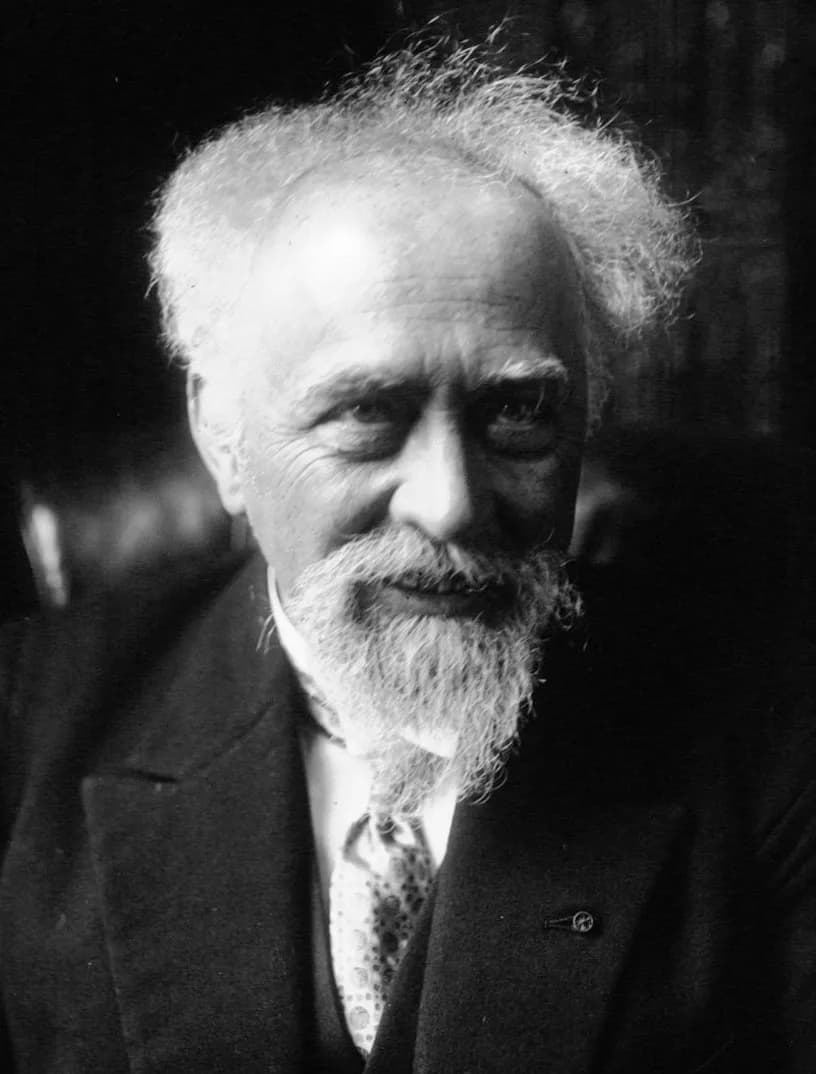
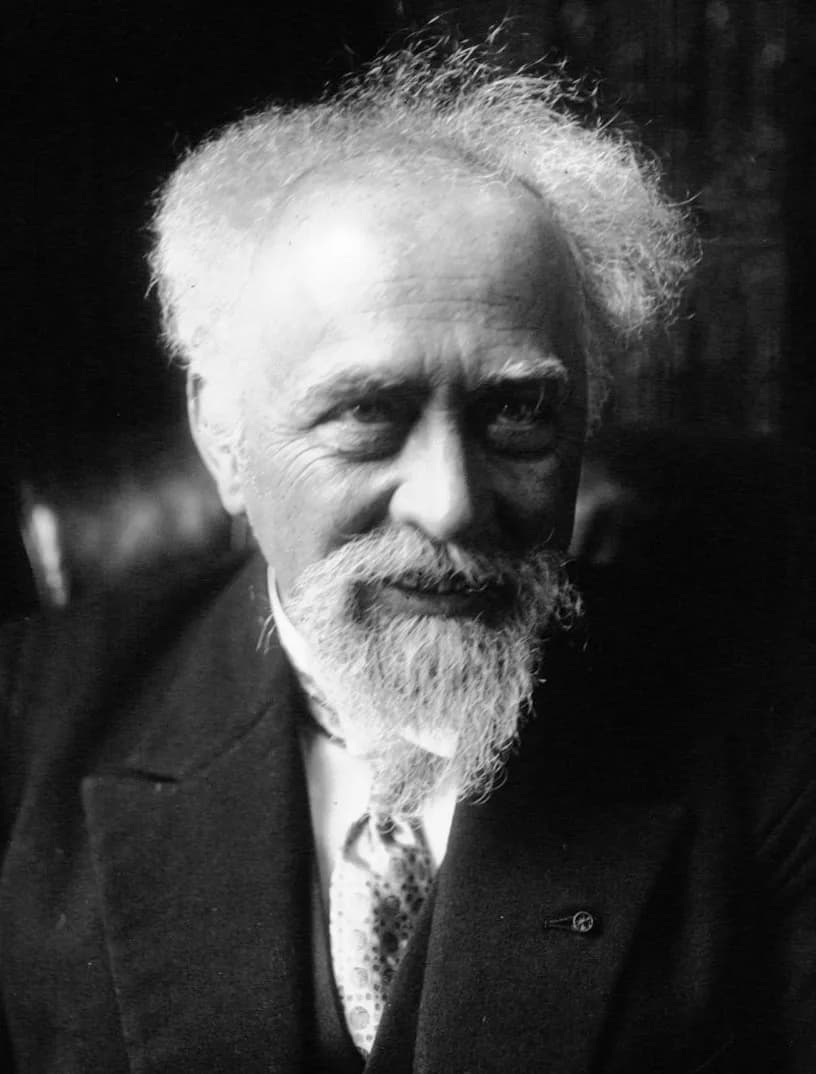
Jean Perrin (1870–1942) was France best known for French physicist.
Jean Baptiste Perrin (September 30, 1870 – April 17, 1942) was a French physicist from Lille, France. He was awarded the Nobel Prize in Physics in 1926 for verifying the atomic nature of matter through his studies of Brownian motion. His work confirmed Albert Einstein's explanation, providing crucial evidence for the existence of atoms.
باب
زندگی کے ابواب
باب 1 · 1870· 7 میں سے باب 1
Early Life and Origins
Jean Perrin began his life in Lille, France, on September 30, 1870, a period of rapid scientific and industrial development. While specific details about his early family life are not extensively documented, his upbringing undoubtedly fostered a deep intellectual curiosity and a strong aptitude for scientific thought. He pursued rigorous academic training, developing expertise across the interconnected fields of physics and chemistry, which became foundational to his illustrious career and research.
باب 2· 7 میں سے باب 2
Career Beginnings
Perrin embarked on his professional journey distinguishing himself as a physicist and chemist, roles that were often deeply intertwined in the scientific community of his era. Beyond his intensive laboratory research, he also served as a dedicated university teacher, imparting complex scientific principles to successive generations of students and future researchers. His initial investigations into various physical phenomena laid crucial groundwork for the sophisticated experiments that would later bring him international acclaim and fundamentally alter scientific understanding.
باب 3 · 1926· 7 میں سے باب 3
Major Achievements and Career Highlights
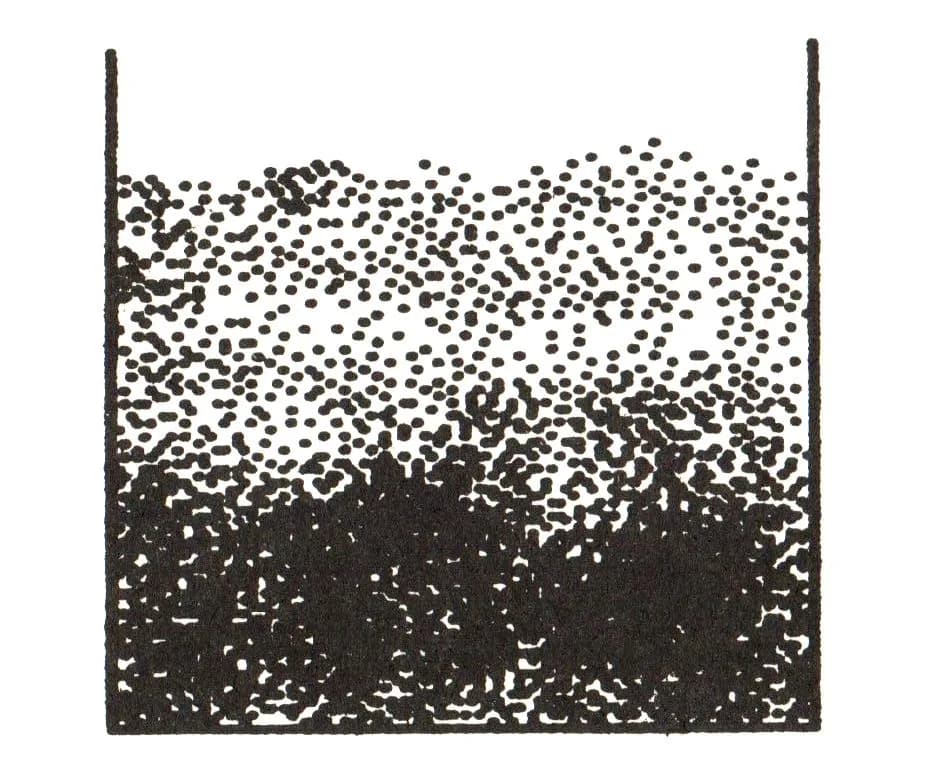
The zenith of Jean Perrin's career was undeniably marked by his meticulous and rigorous studies of Brownian motion. He conducted extensive and precise experiments, carefully observing the erratic, jiggling movements of microscopic particles suspended within liquids. Through this painstaking and detailed work, he provided the definitive experimental verification for Albert Einstein's theoretical explanation of this phenomenon, thereby offering irrefutable evidence for the atomic nature of matter. For these seminal contributions, which moved atomic theory from hypothesis to established fact, Jean Perrin was justly awarded the Nobel Prize in Physics in 1926.
باب 4· 7 میں سے باب 4
Personal Life
While the publicly available information primarily highlights Jean Perrin's scientific achievements, it also hints at a broader scope of interests and talents. In addition to his demanding roles as a physicist, chemist, and university teacher, he was also recognized as a composer, showcasing a creative dimension alongside his rigorous scientific mind. This detail suggests a rich inner life and a personality capable of embracing diverse intellectual and artistic pursuits, though further information regarding his family or specific relationships is not provided.
باب 5· 7 میں سے باب 5
Notable Works or Contributions
Jean Perrin's most enduring scientific contribution centers on his experimental confirmation of atomic theory, a discovery that profoundly influenced the direction of modern science. His work directly demonstrated the physical reality of atoms and molecules, transitioning a long-standing theoretical concept into an observable and quantifiable scientific fact. His methodology not only validated existing theories but also provided crucial experimental techniques and conceptual insights for subsequent research in fields such as statistical mechanics and the kinetic theory of gases. Moreover, his work as a theoretical physicist played a role in shaping the conceptual frameworks that underpinned these advanced scientific ideas.
باب 6 · 1942· 7 میں سے باب 6
Later Years
Jean Perrin remained engaged with scientific and intellectual life through his later years, contributing to the ongoing discourse of his time. He lived until April 17, 1942, when he passed away in New York City, United States. His move from his native France to the United States during a globally tumultuous period marks the conclusion of a life exceptionally dedicated to scientific discovery and the advancement of human knowledge.
باب 7· 7 میں سے باب 7
Legacy and Impact
Jean Perrin's work left a lasting mark on the scientific world, fundamentally reshaping humanity's understanding of matter at its most basic level. By experimentally proving the existence of atoms, he provided a crucial scientific foundation that propelled forward numerous fields, from quantum physics to modern chemistry. His legacy endures through the universally accepted atomic theory, which his painstaking research helped to establish as an undeniable scientific fact, paving the way for countless subsequent discoveries and technological innovations. His efforts as a university teacher also influenced generations of scientists, ensuring the continuous propagation of scientific inquiry.
لمحوں میں ایک زندگی
وہ لمحے جنہوں نے ایک زندگی کو تشکیل دیا
اکثر پوچھے گئے سوالات
اکثر پوچھے گئے
Jean Perrin کب وفات پا گئے؟
Jean Perrin 17 اپریل، 1942 کو New York City, United States میں وفات پا گئے، 71 سال کی عمر میں۔
Jean Perrin کہاں پیدا ہوئے؟
Jean Perrin Lille, France میں 30 ستمبر، 1870 کو پیدا ہوئے۔
Jean Perrin کس چیز کے لیے سب سے زیادہ مشہور ہیں؟
Jean Perrin French physicist کے لیے سب سے زیادہ مشہور ہیں۔
وفات کے وقت Jean Perrin کی عمر کیا تھی؟
وفات کے وقت Jean Perrin کی عمر 71 سال تھی۔
Jean Perrin کی قومیت کیا تھی؟
Jean Perrin کا تعلق France سے تھا۔
ٹائم لائن
ایک نظر میں زندگی
تصویری گیلری
تصاویر میں ایک زندگی
بڑا کرنے کے لیے کسی بھی پولیرائیڈ پر کلک کریں · 48 تصاویر
QR کوڈ
یہ سوانح عمری شیئر کریں
پرنٹ کریں اور شیئر کریں
اس سوانح عمری کے صفحے کو دیکھنے کے لیے اسکین کریں۔ تقریبات، نمائشوں، یا تعلیمی مواد کے لیے پرنٹ کریں۔