پیدائش
April 13, 1860
Ostend, Belgium
وفات
November 19, 1949
Ostend, Belgium
اس وجہ سے جانے جاتے ہیں
Belgian painter
James Ensor (1860–1949) was Belgium best known for Belgian painter.
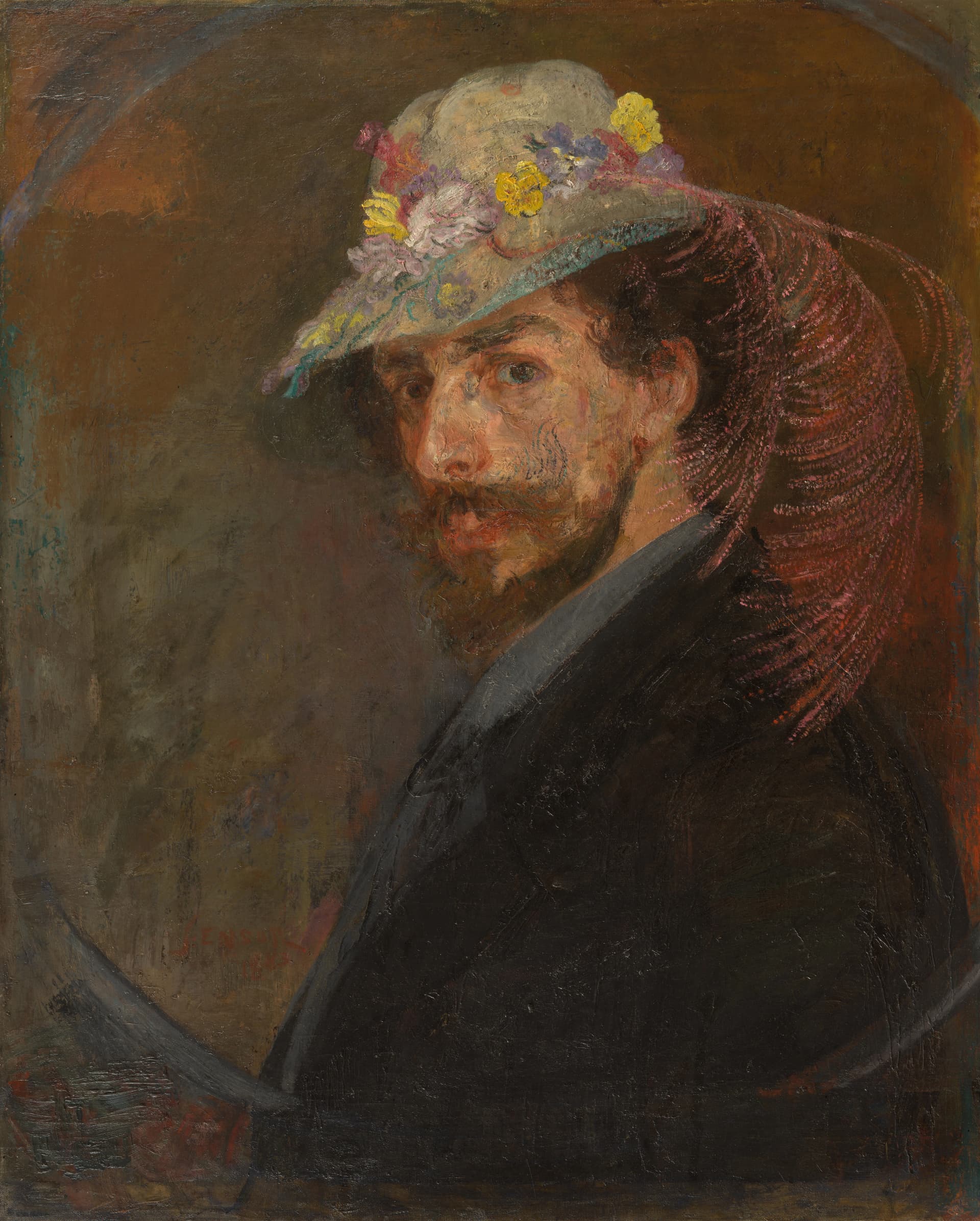
James Sidney Edouard, Baron Ensor (1860 – 1949) was a Belgian painter and printmaker from Ostend. He was a pivotal influence on expressionism and surrealism, known for his unique use of masks, skeletons, and satire. His artistic legacy continues to shape contemporary art discourse.
باب
زندگی کے ابواب
باب 1 · 1860· 7 میں سے باب 1
Introduction to a Master of Modern Art
James Sidney Edouard, Baron Ensor (1860 – 1949), stands as a monumental figure in Belgian art history and a pivotal contributor to the broader landscape of modern art. A painter and printmaker by primary profession, Ensor's distinctive style and challenging subject matter left an enduring influence on the foundational movements of expressionism and surrealism. He was a lifelong resident of Ostend, Belgium, a place that profoundly shaped his unique artistic vision.
Ensor's oeuvre is characterized by its bold experimentation, often incorporating unsettling masks, skeletons, and satirical commentaries on society, which resonated deeply with subsequent generations of artists. His capacity to weave together the grotesque with moments of striking beauty, coupled with his innovative use of color and composition, cemented his reputation as a master who dared to defy convention. Through his extensive body of work, Ensor explored the depths of human emotion and societal complexities, establishing a visual language that remains compelling and relevant.
باب 2 · 1860· 7 میں سے باب 2
Early Life and Origins in Ostend
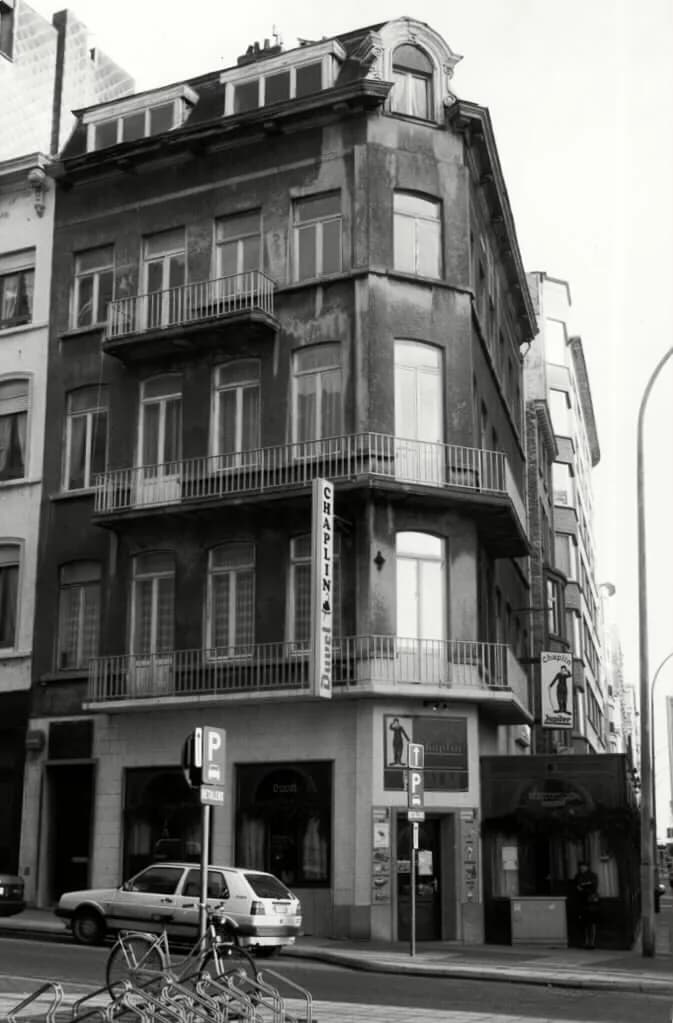
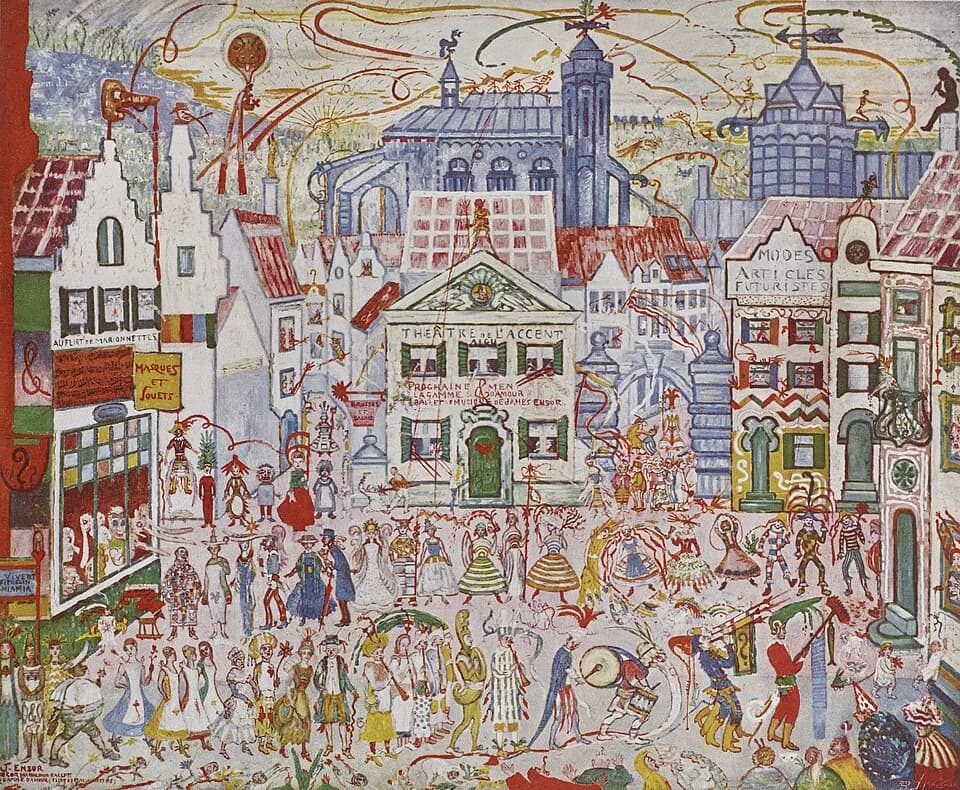
Born on April 13, 1860, in the coastal city of Ostend, Belgium, James Ensor's early life was intrinsically linked to this vibrant, yet often melancholic, seaside town. The unique atmosphere of Ostend, with its carnival traditions, bustling port, and ever-present sea, provided a rich backdrop for his developing artistic sensibilities. His family's curiosity shop, filled with exotic masks, shells, and peculiar objects, became a recurring motif in his art, fueling his fascination with the grotesque and the theatrical.
Ensor's profound connection to Ostend endured throughout his entire life; he lived and worked there for the vast majority of his nearly ninety years. This deep-rooted attachment meant that the town's character, its people, and its particular light infused much of his work, from intimate still lifes to grand, allegorical compositions. The cultural tapestry of his birthplace fostered an environment where his idiosyncratic vision could fully blossom, distinguishing him from many contemporaries who sought inspiration in major art capitals.
باب 3· 7 میں سے باب 3
Formative Years and Career Beginnings
Ensor’s early artistic journey saw him embrace various roles, showcasing his versatility as an artist, painter, graphic artist, visual artist, and printmaker. He also demonstrated skills as an architectural draftsperson, highlighting a meticulous attention to detail even in his more conventional pursuits. However, it was his association with the avant-garde artistic group Les XX (The Twenty) that truly marked a significant turning point in his burgeoning career.
Les XX was a progressive collective of Belgian artists, designers, and sculptors who sought to challenge academic traditions and promote new forms of artistic expression in the late 19th century. Ensor's involvement with this influential group provided him a platform to exhibit his increasingly unconventional works, fostering an environment where his innovative approach to painting and printmaking could be both appreciated and debated. His early contributions to Les XX exhibitions helped to establish his reputation as a formidable and provocative voice in the Belgian art scene.
باب 4· 7 میں سے باب 4
A Legacy of Influence: Expressionism and Surrealism
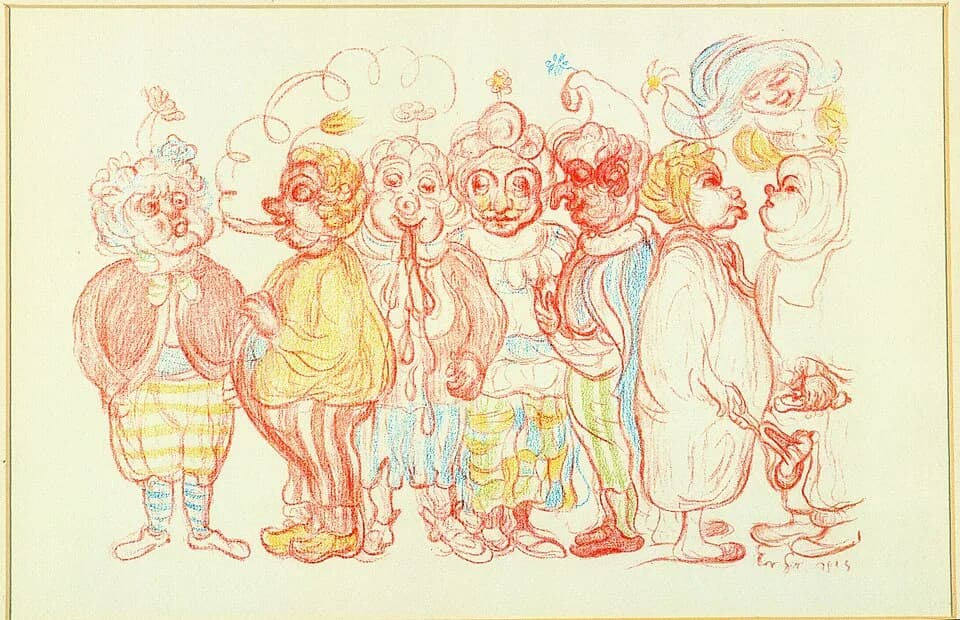
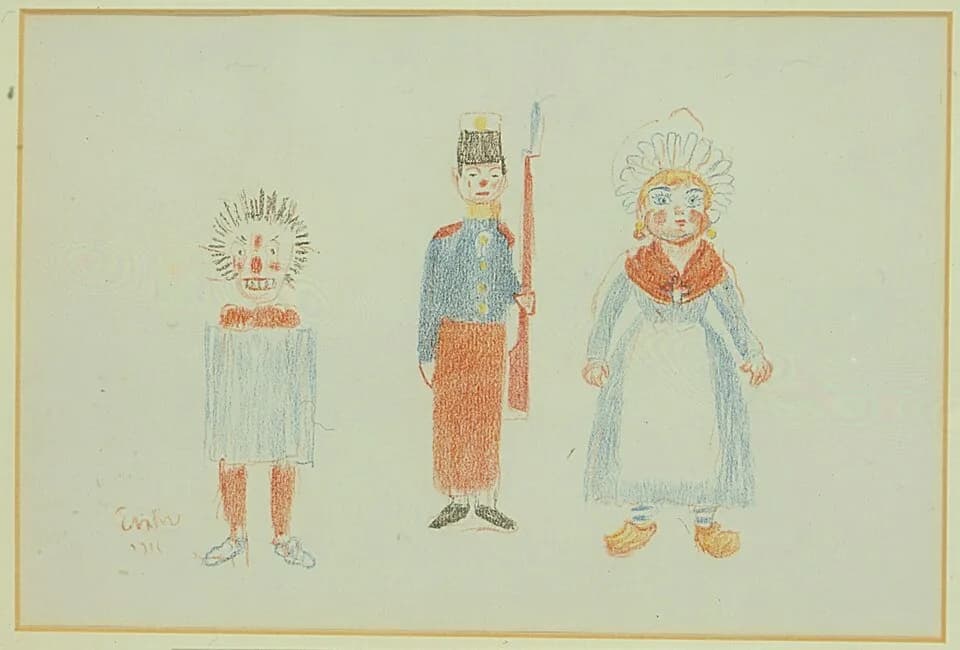
James Ensor's artistry became an important influence on expressionism, a movement characterized by its emphasis on emotional experience rather than objective reality. His use of vibrant, often clashing colors, distorted figures, and psychological intensity found a strong resonance with expressionist painters who sought to convey inner feelings and subjective states. Works featuring grotesque masks and unsettling crowds, such as his celebrated pieces depicting carnival scenes, prefigured the raw emotionality and social commentary that would become hallmarks of the expressionist aesthetic.
Beyond expressionism, Ensor's imaginative and often bizarre imagery also made him a precursor to surrealism. His dreamlike compositions, filled with skeletal figures, fantastical creatures, and unexpected juxtapositions, explored the subconscious mind long before surrealism formally emerged. These elements, which often blurred the lines between reality and dream, offered a new visual vocabulary for artists interested in psychological depth and the irrational. His early explorations into these territories provided fertile ground for the surrealists who would later draw inspiration from his distinctive approach.
Ensor’s professional versatility extended beyond painting and printmaking; he was also recognized as an author, contributing to critical discourse and documenting his own artistic philosophy. This multidisciplinary engagement underscored his expansive creative intellect, allowing him to express his ideas and visions through various mediums. His diverse professions highlight a dedicated and comprehensive engagement with the arts throughout his long and impactful career.
باب 5 · 1917· 7 میں سے باب 5
Catalog of Vision: Notable Works and Artistic Output
James Ensor’s extensive body of work includes numerous iconic pieces that continue to be studied and admired worldwide, showcasing his distinctive thematic and stylistic concerns. From the collection at the Metropolitan Museum of Art, works like Comical Repast (Feast of the Lean) (ca. 1917–18) exemplify his satirical edge, depicting a macabre feast with distorted figures that challenge societal norms. The Good Judges (1894) similarly offers a trenchant commentary on authority and perception through its unsettling characterizations.
His fascination with masks and the unsettling is powerfully evident in pieces such as The Grotesque Musicians (1888) and Perplexed Masks (1904), both housed at the Met Museum. These works explore themes of identity, anonymity, and the often-disturbing nature of human interaction hidden behind facades. Skeletons Seeking Warmth (1895), also at the Met, introduces his recurrent motif of mortality and the absurd, blending the eerie with touches of dark humor.
The Art Institute of Chicago holds several significant works that further illuminate Ensor's diverse output. Still Life with Fish and Shells (1898) demonstrates his skill in traditional genres, yet imbued with a unique vibrancy and intensity. His early work, Death of Jezebel (1880), showcases a dramatic narrative approach, hinting at the theatricality that would later permeate his more allegorical scenes. The intense and unsettling vision of The Infernal Cortege (1886) captures his penchant for chaotic, hellish processions, a recurrent theme that would influence future avant-garde movements.
Furthering his exploration of spiritual and fantastical narratives, The Temptation of Saint Anthony (1887) from the AIC exhibits a hallucinatory quality, characteristic of his unique blend of the religious and the grotesque. His deeply personal and often tormented inner world finds expression in Demons Tormenting Me (1888). More intimate yet equally insightful is Portrait of the Artist's Niece in Chinese Costume (1899), revealing his delicate touch in portraiture even amidst his more radical creations. Additionally, works like Village Fair at the Windmill (1889) display his vibrant renderings of everyday life, albeit often with an underlying current of the fantastical.
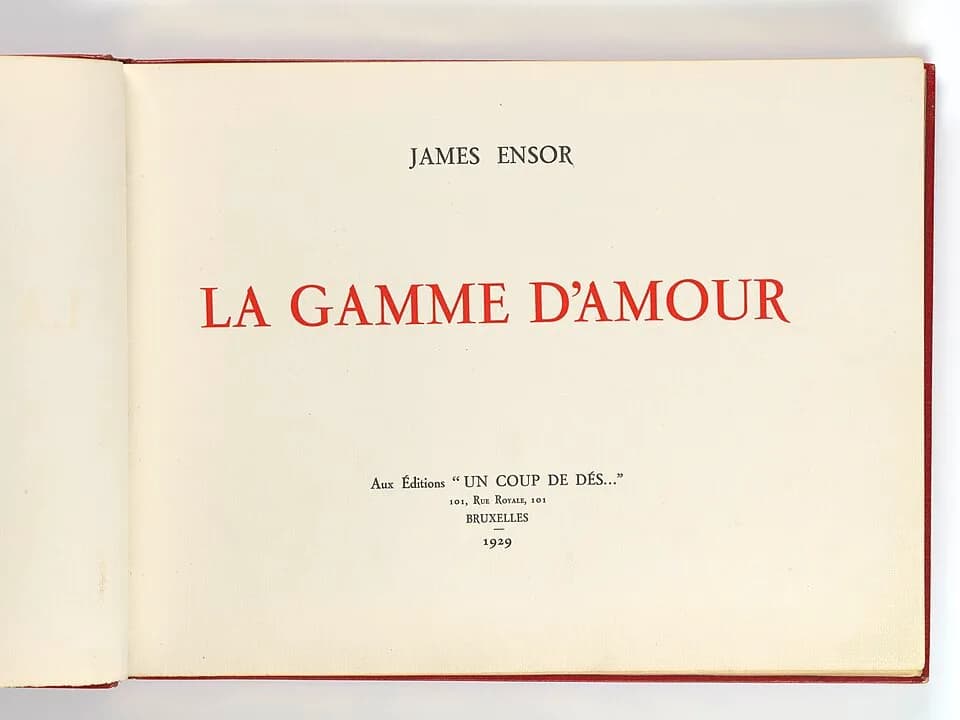
Ensor also delved into allegorical series, as seen with Anger, from The Deadly Sins (1904), a powerful exploration of human vices. His printmaking prowess is highlighted in pieces like Los Caprichos: Se Repulen (c. 1885), showcasing his mastery of etching techniques and his capacity for satirical commentary through graphic art. Even his functional pieces, such as Menu for Charles Vos (1896), reflect his signature artistic flair, transforming everyday items into unique works of art. His bibliographic contributions, including titles like Les écrits de James Ensor and James Ensor, etchings, further document his intellectual engagement and artistic legacy.
باب 6· 7 میں سے باب 6
Later Years and Enduring Presence
Throughout his later years, James Ensor remained a prominent figure in the Belgian art world, continuing to reside in his beloved Ostend. Despite periods of personal retreat, his artistic output continued, characterized by a refined sensibility that still carried echoes of his earlier, more confrontational work. He witnessed his earlier, once-controversial art gradually gain widespread acceptance and critical acclaim, securing his status as a national treasure.
Ensor passed away on November 19, 1949, in his lifelong home of Ostend, Belgium. His death marked the end of an era for Belgian art, but his presence in the city endures through his works and the legacy he established. Even in his final decades, he contributed significantly to the cultural life of Ostend, leaving behind a profound and lasting artistic footprint in the town that had nurtured his genius.
باب 7· 7 میں سے باب 7
Lasting Impact and Artistic Heritage
James Ensor's unique vision and audacious experimentation solidified his place as a seminal figure in the development of modern art. His courage to break from academic tradition and explore subjective realities provided crucial groundwork for the expressionist movement, inspiring artists to delve into emotional intensity and social commentary. Furthermore, his pioneering use of dreamlike and grotesque imagery laid significant foundations for the surrealists, who found in his art a powerful precedent for exploring the subconscious mind.
As an artist, author, painter, graphic artist, visual artist, printmaker, and architectural draftsperson, Ensor demonstrated a breadth of creative talent that few could match. His influence extends beyond specific art movements, resonating with anyone interested in the psychological dimensions of art and the power of individual expression. The works of James Ensor continue to challenge, inspire, and captivate audiences, ensuring that his extraordinary legacy as a visionary Belgian master will persist for generations to come.
لمحوں میں ایک زندگی
وہ لمحے جنہوں نے ایک زندگی کو تشکیل دیا
اکثر پوچھے گئے سوالات
اکثر پوچھے گئے
James Ensor کب وفات پا گئے؟
James Ensor 19 نومبر، 1949 کو Ostend, Belgium میں وفات پا گئے، 89 سال کی عمر میں۔
James Ensor کہاں پیدا ہوئے؟
James Ensor Ostend, Belgium میں 13 اپریل، 1860 کو پیدا ہوئے۔
James Ensor کس چیز کے لیے سب سے زیادہ مشہور ہیں؟
James Ensor Belgian painter کے لیے سب سے زیادہ مشہور ہیں۔
وفات کے وقت James Ensor کی عمر کیا تھی؟
وفات کے وقت James Ensor کی عمر 89 سال تھی۔
James Ensor کی قومیت کیا تھی؟
James Ensor کا تعلق Belgium سے تھا۔
ٹائم لائن
ایک نظر میں زندگی
تصویری گیلری
تصاویر میں ایک زندگی
بڑا کرنے کے لیے کسی بھی پولیرائیڈ پر کلک کریں · 25 تصاویر
QR کوڈ
یہ سوانح عمری شیئر کریں
پرنٹ کریں اور شیئر کریں
اس سوانح عمری کے صفحے کو دیکھنے کے لیے اسکین کریں۔ تقریبات، نمائشوں، یا تعلیمی مواد کے لیے پرنٹ کریں۔