پیدائش
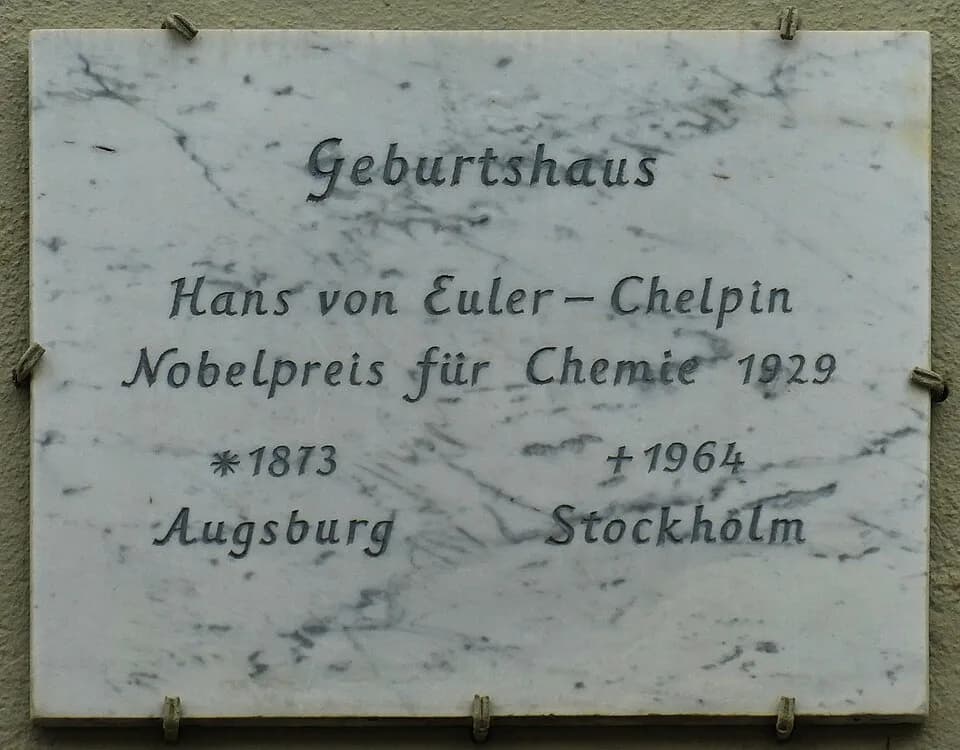
February 15, 1873
Augsburg, Germany
وفات
November 6, 1964
Stockholm, Sweden
اس وجہ سے جانے جاتے ہیں
Swedish scientist
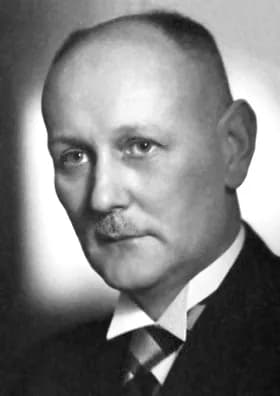
Hans von Euler-Chelpin (1873–1964) was Germany best known for Swedish scientist.
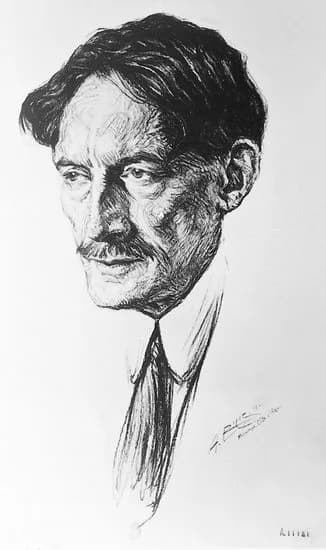
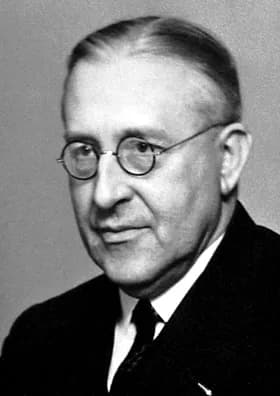
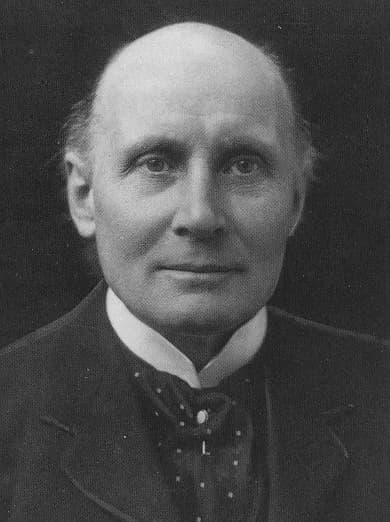
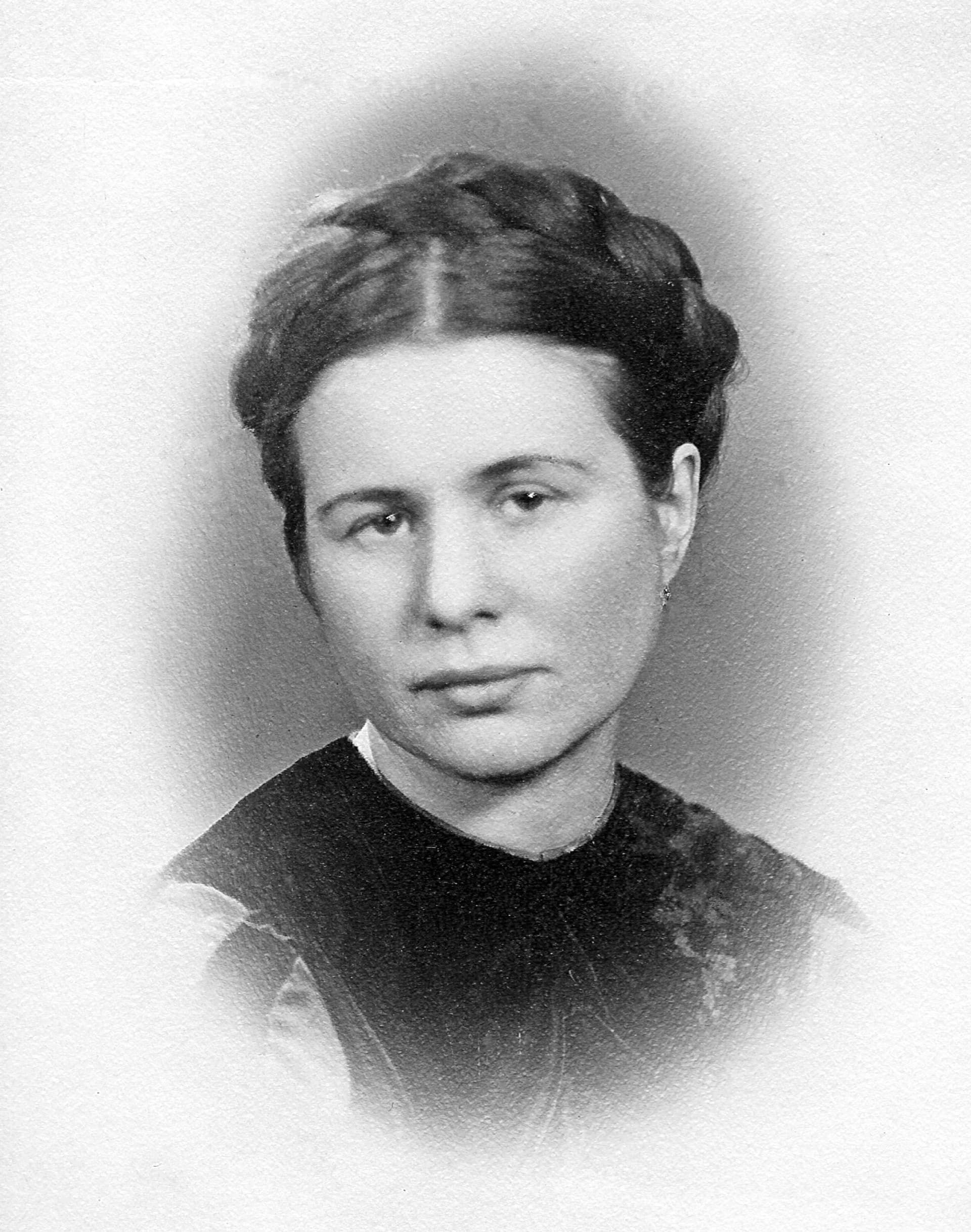
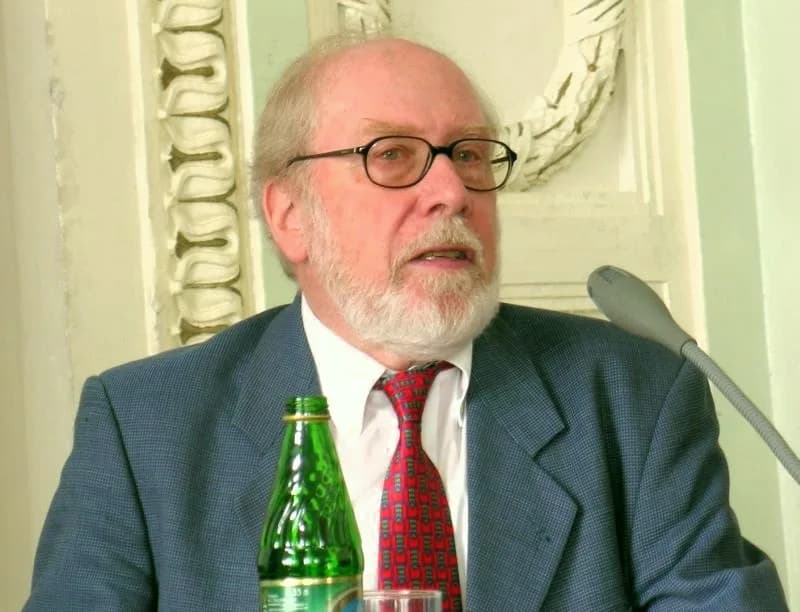
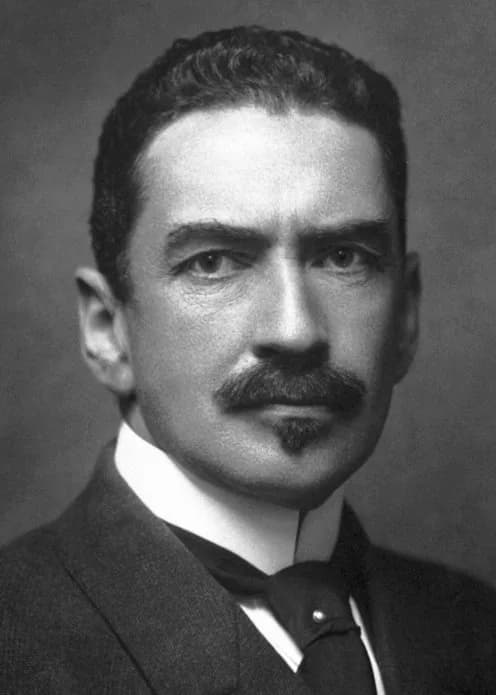
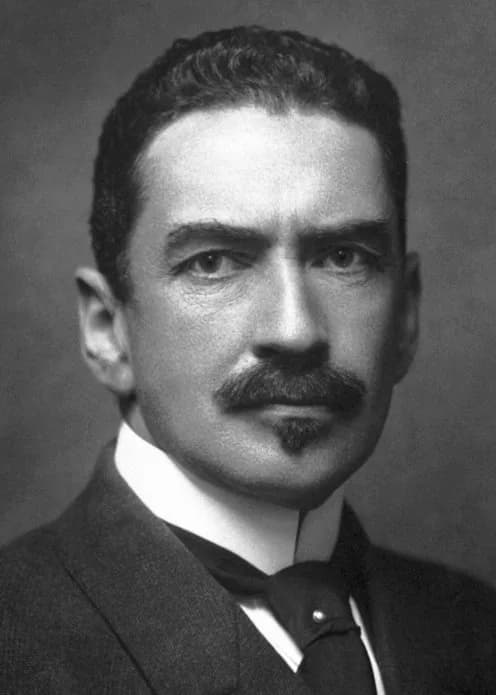
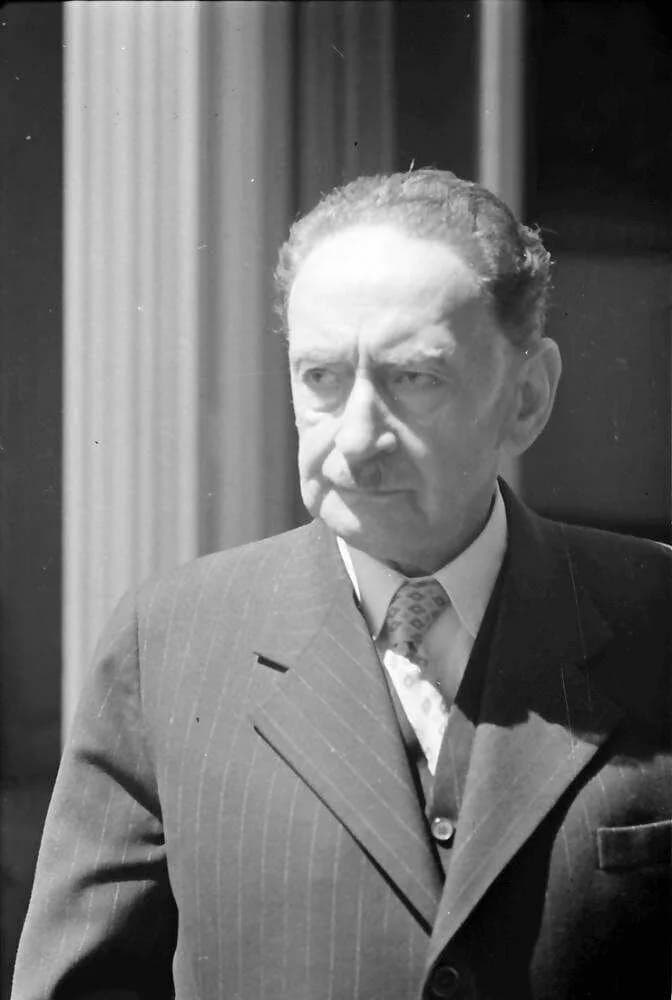
Hans von Euler-Chelpin (February 15, 1873 – November 6, 1964) was a German-born Swedish biochemist. He was awarded the Nobel Prize in Chemistry in 1929 for his investigations into the fermentation of sugar and enzymes. His scientific contributions significantly advanced the understanding of fundamental biochemical processes.
لمحوں میں ایک زندگی
وہ لمحے جنہوں نے ایک زندگی کو تشکیل دیا
باب
زندگی کے ابواب
باب 1 · 1873· 8 میں سے باب 1
Remembering Hans von Euler-Chelpin
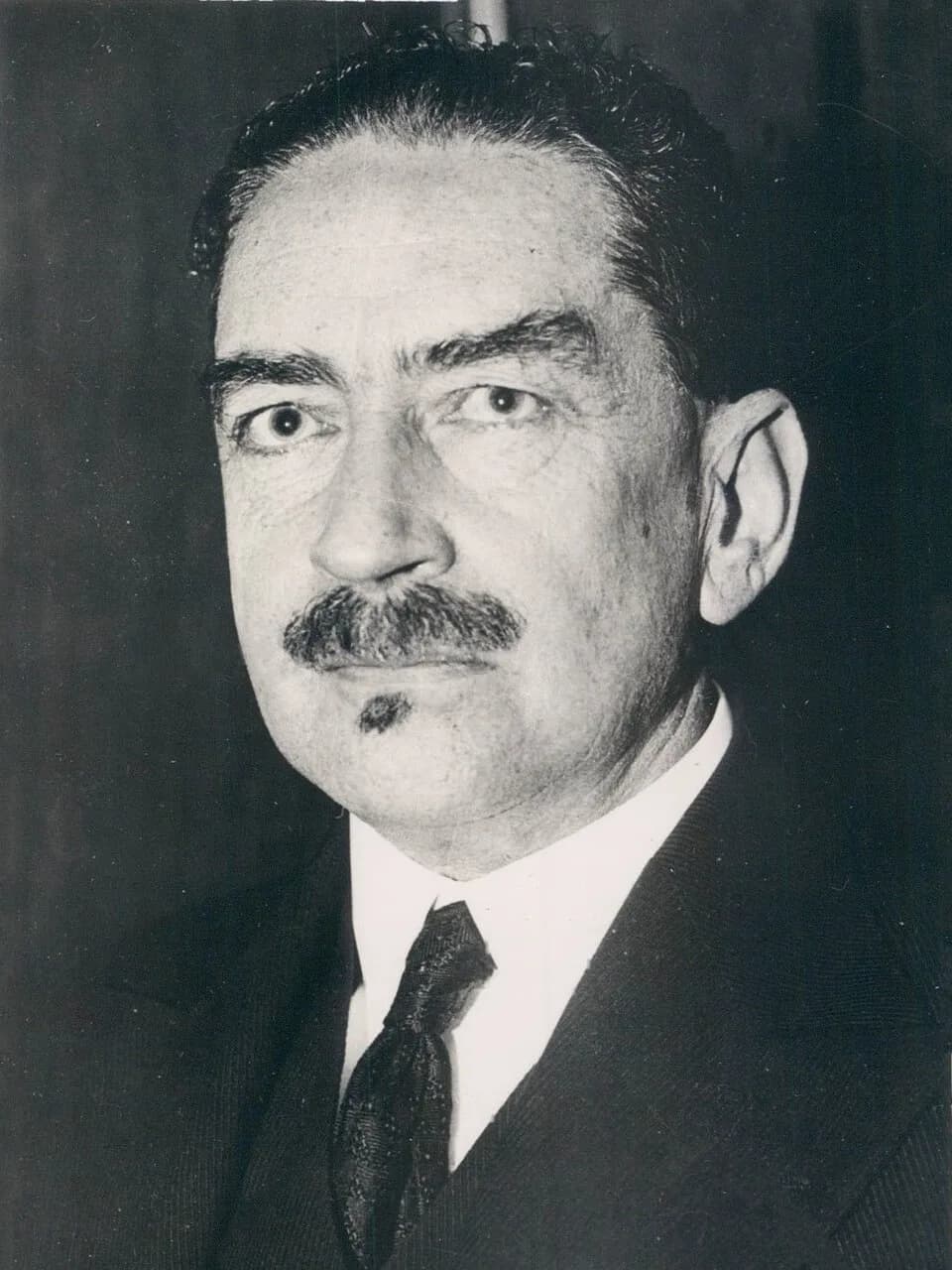
We gather to remember Hans Karl August Simon Euler-Chelpin, a distinguished German-born Swedish biochemist whose scientific contributions shaped our understanding of life's fundamental processes. Born on February 15, 1873, and passing away on November 6, 1964, Euler-Chelpin left an enduring mark on the world of science. He was honored with the Nobel Prize in Chemistry in 1929, an acknowledgment of his significant work on sugar fermentation and enzymes.
باب 2 · 1873· 8 میں سے باب 2
Early Life and Origins
Hans von Euler-Chelpin's journey began in Augsburg, Germany, where he was born in 1873. His family lineage saw him formally adopt the name 'von Euler-Chelpin' on July 28, 1884, connecting him to a notable heritage. He was, in fact, distantly related to the celebrated mathematician Leonhard Euler, hinting at a family predisposition for intellectual pursuits.
باب 3· 8 میں سے باب 3
Career Beginnings
Before dedicating himself fully to biochemistry, Hans von Euler-Chelpin served as military personnel, demonstrating a diverse early career path. He later transitioned into the academic world, establishing himself as a chemist and university teacher. His early work set the foundation for his eventual specialization as a biochemist, a field where he would achieve international recognition.
باب 4 · 1906· 8 میں سے باب 4
Major Achievements and Career Highlights
A significant milestone in Euler-Chelpin's career was his appointment as a professor of general and organic chemistry at Stockholm University in 1906. He held this prestigious position for many years, guiding research and educating future generations until 1941. From 1938 to 1948, he also served as the director of the university's Institute for organic-chemical research, overseeing important scientific endeavors.
The pinnacle of his scientific career arrived in 1929 when he was jointly awarded the Nobel Prize in Chemistry with Arthur Harden. This esteemed recognition was for their meticulous investigations into the fermentation of sugar and the intricate roles of enzymes in this process. Their collaborative efforts unveiled crucial insights into metabolic pathways, advancing the field of biochemistry significantly.
باب 5 · 1970· 8 میں سے باب 5
Personal Life
Hans von Euler-Chelpin found a partner in his intellectual pursuits, marrying chemist Astrid Cleve. Astrid was the daughter of the esteemed Uppsala chemist Per Teodor Cleve, linking Hans to another prominent scientific family. Their family continued a tradition of excellence, as their son Ulf von Euler was awarded the Nobel Prize in Physiology or Medicine in 1970, further cementing their family's scientific legacy.
باب 6· 8 میں سے باب 6
Notable Works or Contributions
Hans von Euler-Chelpin's most celebrated contributions to science revolve around his Nobel Prize-winning research. His investigations into the fermentation of sugar provided foundational understanding of how cells process energy. Furthermore, his detailed analysis of fermentative enzymes illuminated their specific functions and mechanisms within biological systems, profoundly shaping biochemical knowledge.
باب 7 · 1948· 8 میں سے باب 7
Later Years
After his tenure as professor, Hans von Euler-Chelpin continued his leadership role at Stockholm University, directing the Institute for organic-chemical research until 1948. Even after stepping down from official academic roles, his influence and legacy in the scientific community persisted. He passed away peacefully in Stockholm, Sweden, on November 6, 1964, at the age of 91, leaving behind a rich scientific heritage.
باب 8· 8 میں سے باب 8
Legacy and Impact
Hans von Euler-Chelpin's work permanently altered the course of biochemistry, particularly in the study of metabolism and enzymology. His foundational research provided the scientific community with a clearer understanding of critical biological reactions, such as sugar fermentation. Generations of scientists continue to build upon the principles he established, ensuring his lasting impact on scientific inquiry.
اکثر پوچھے گئے سوالات
اکثر پوچھے گئے
Hans von Euler-Chelpin کب وفات پا گئے؟
Hans von Euler-Chelpin 6 نومبر، 1964 کو Stockholm, Sweden میں وفات پا گئے، 91 سال کی عمر میں۔
Hans von Euler-Chelpin کہاں پیدا ہوئے؟
Hans von Euler-Chelpin Augsburg, Germany میں 15 فروری، 1873 کو پیدا ہوئے۔
Hans von Euler-Chelpin کس چیز کے لیے سب سے زیادہ مشہور ہیں؟
Hans von Euler-Chelpin Swedish scientist کے لیے سب سے زیادہ مشہور ہیں۔
وفات کے وقت Hans von Euler-Chelpin کی عمر کیا تھی؟
وفات کے وقت Hans von Euler-Chelpin کی عمر 91 سال تھی۔
Hans von Euler-Chelpin کی قومیت کیا تھی؟
Hans von Euler-Chelpin کا تعلق Germany سے تھا۔
ٹائم لائن
ایک نظر میں زندگی
تصویری گیلری
تصاویر میں ایک زندگی
بڑا کرنے کے لیے کسی بھی پولیرائیڈ پر کلک کریں · 19 تصاویر
QR کوڈ
یہ سوانح عمری شیئر کریں
پرنٹ کریں اور شیئر کریں
اس سوانح عمری کے صفحے کو دیکھنے کے لیے اسکین کریں۔ تقریبات، نمائشوں، یا تعلیمی مواد کے لیے پرنٹ کریں۔