پیدائش
June 27, 1869
Stuttgart, Germany
وفات
September 12, 1941
Freiburg im Breisgau, Germany
اس وجہ سے جانے جاتے ہیں
German embryologist
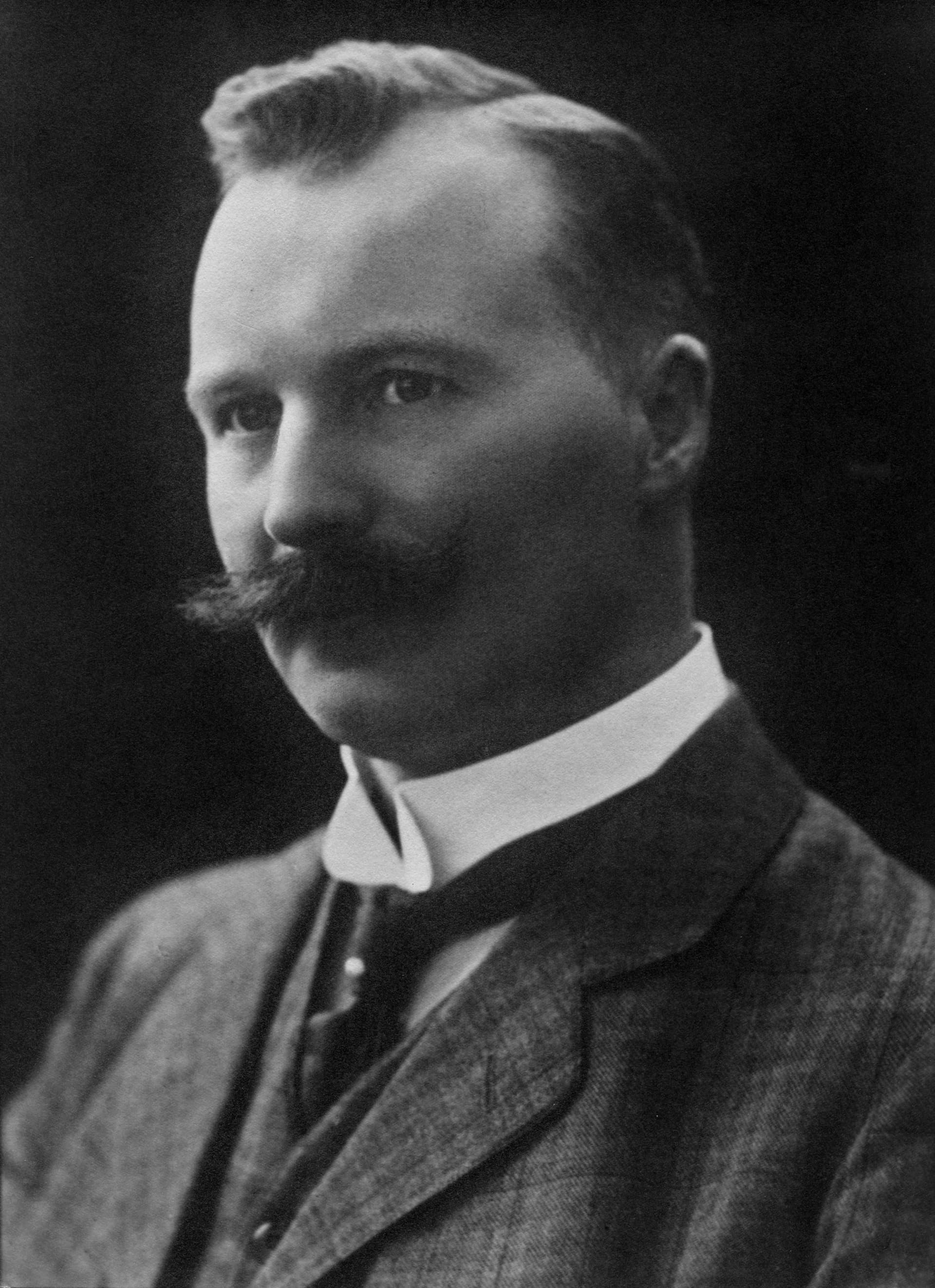
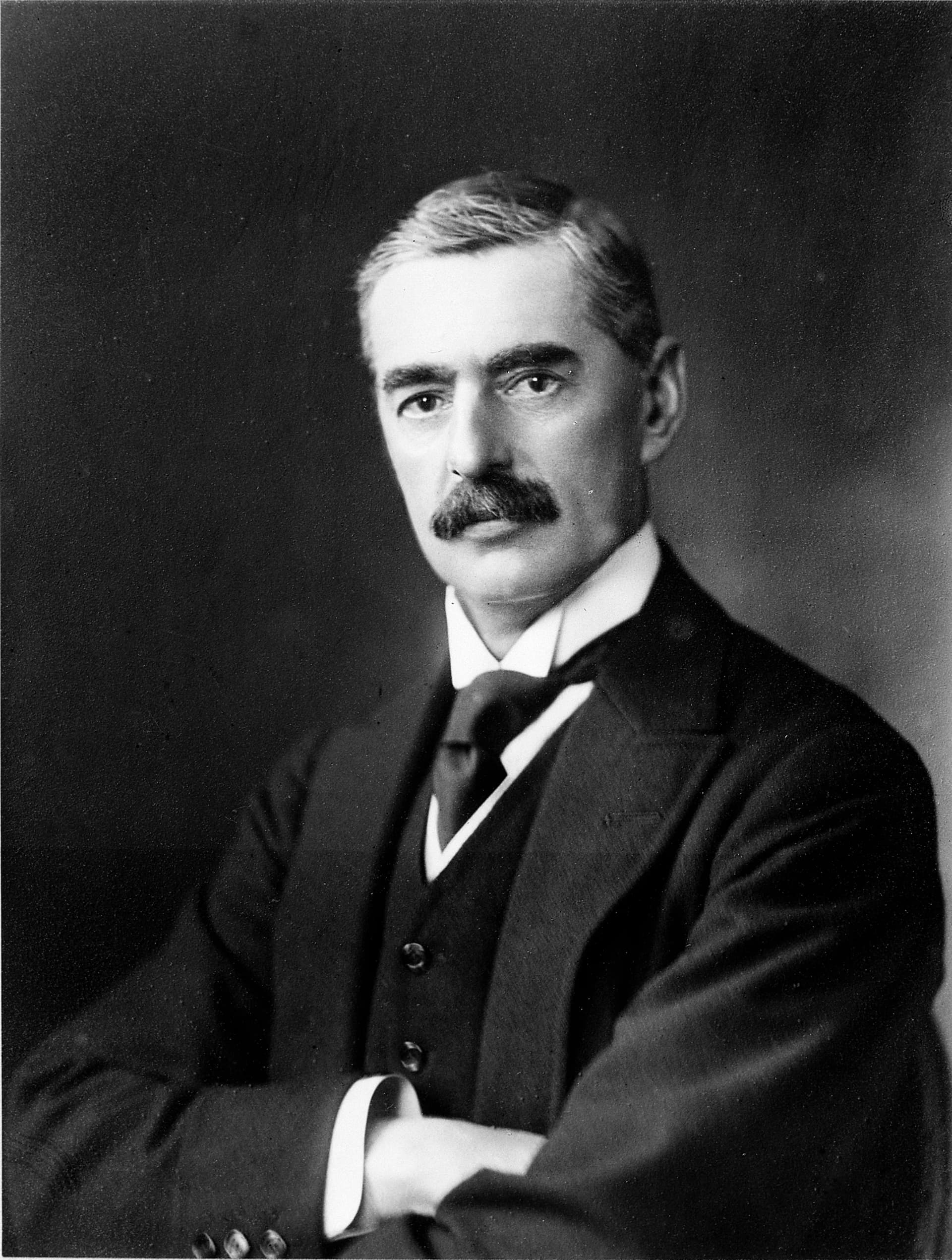
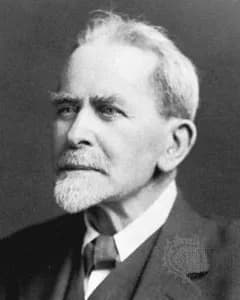
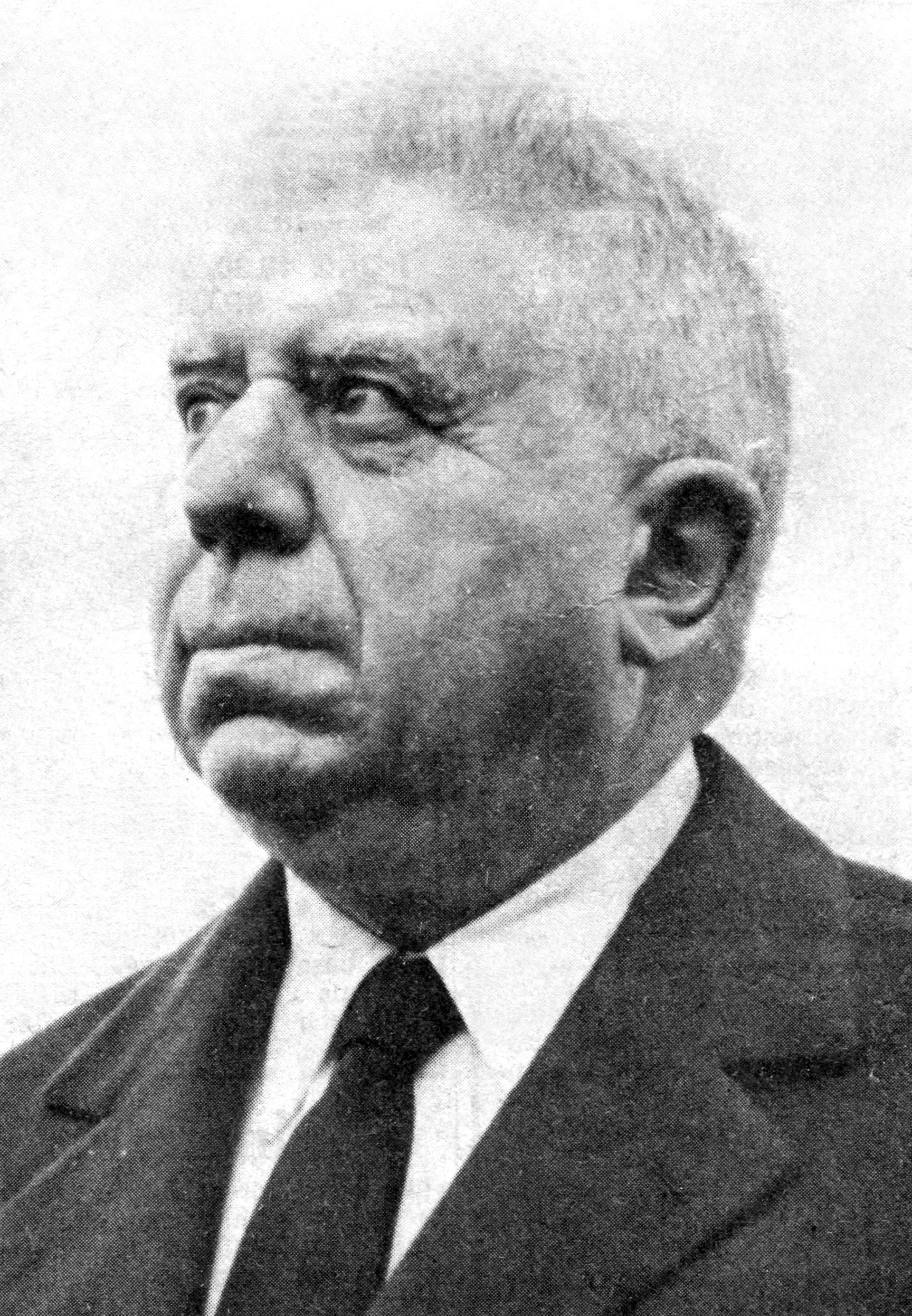
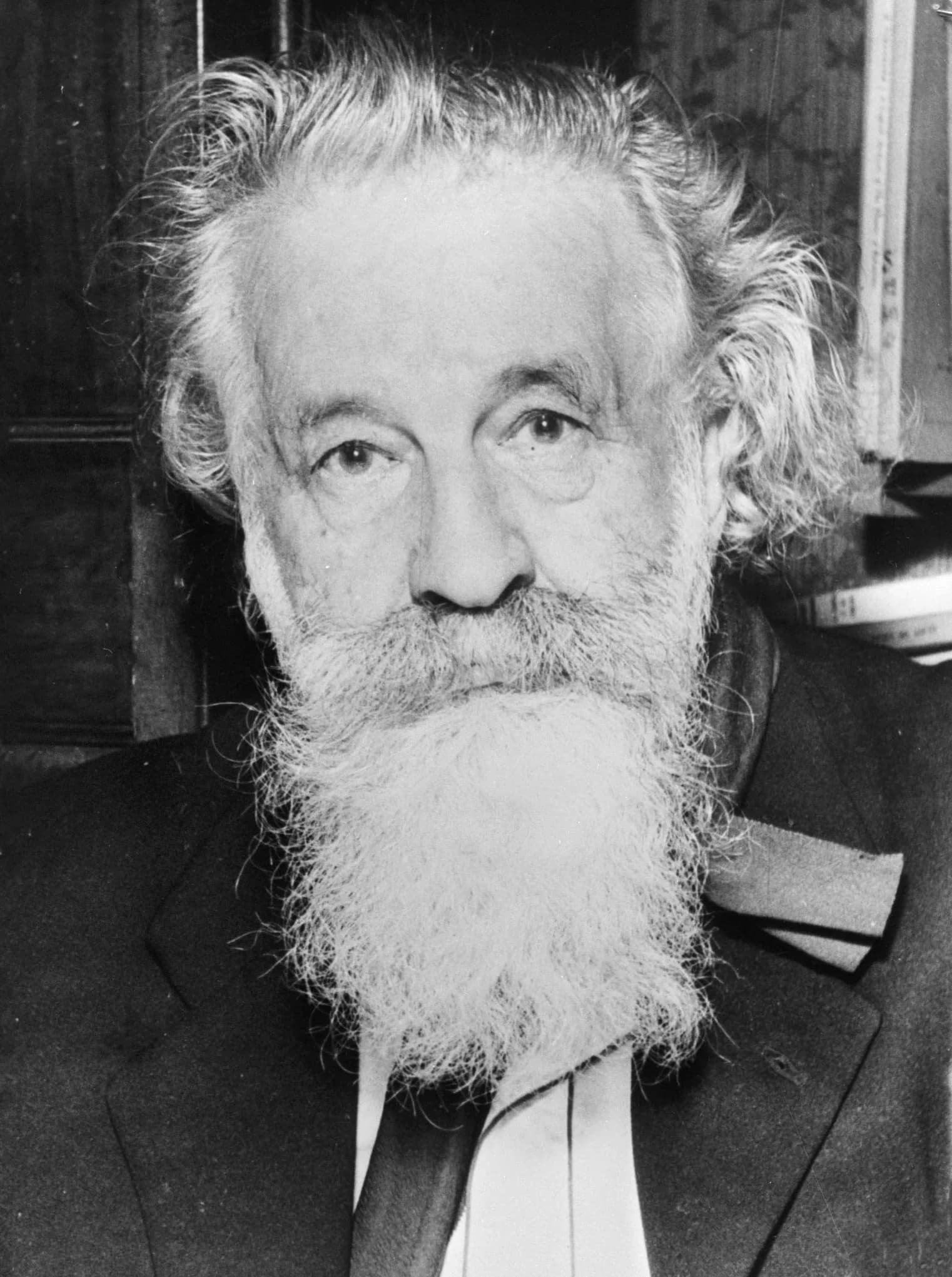
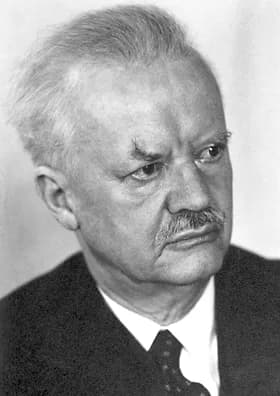
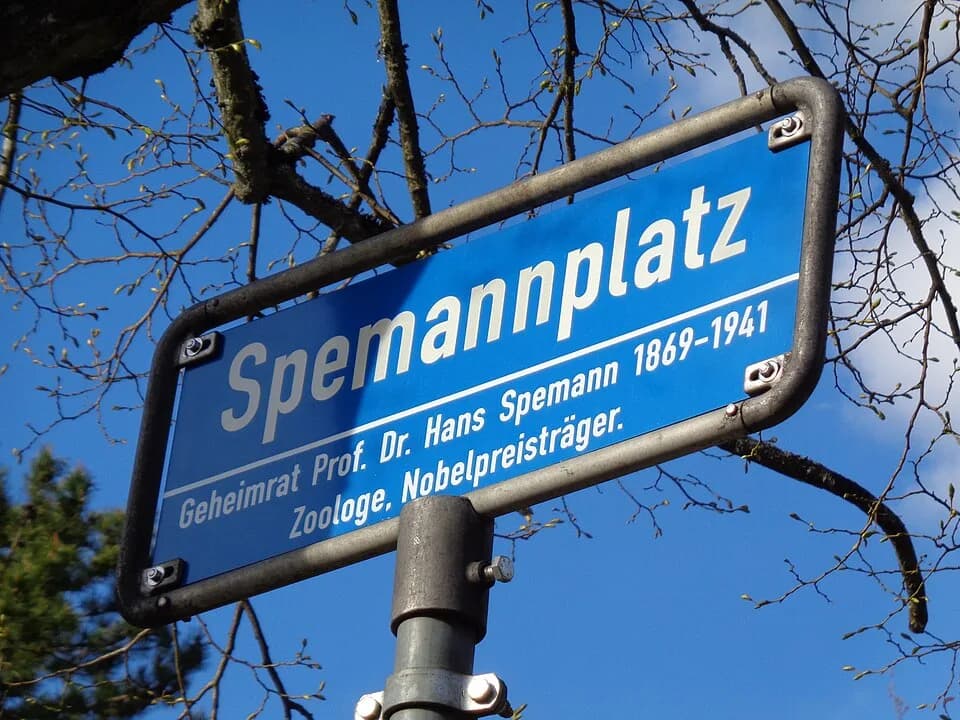
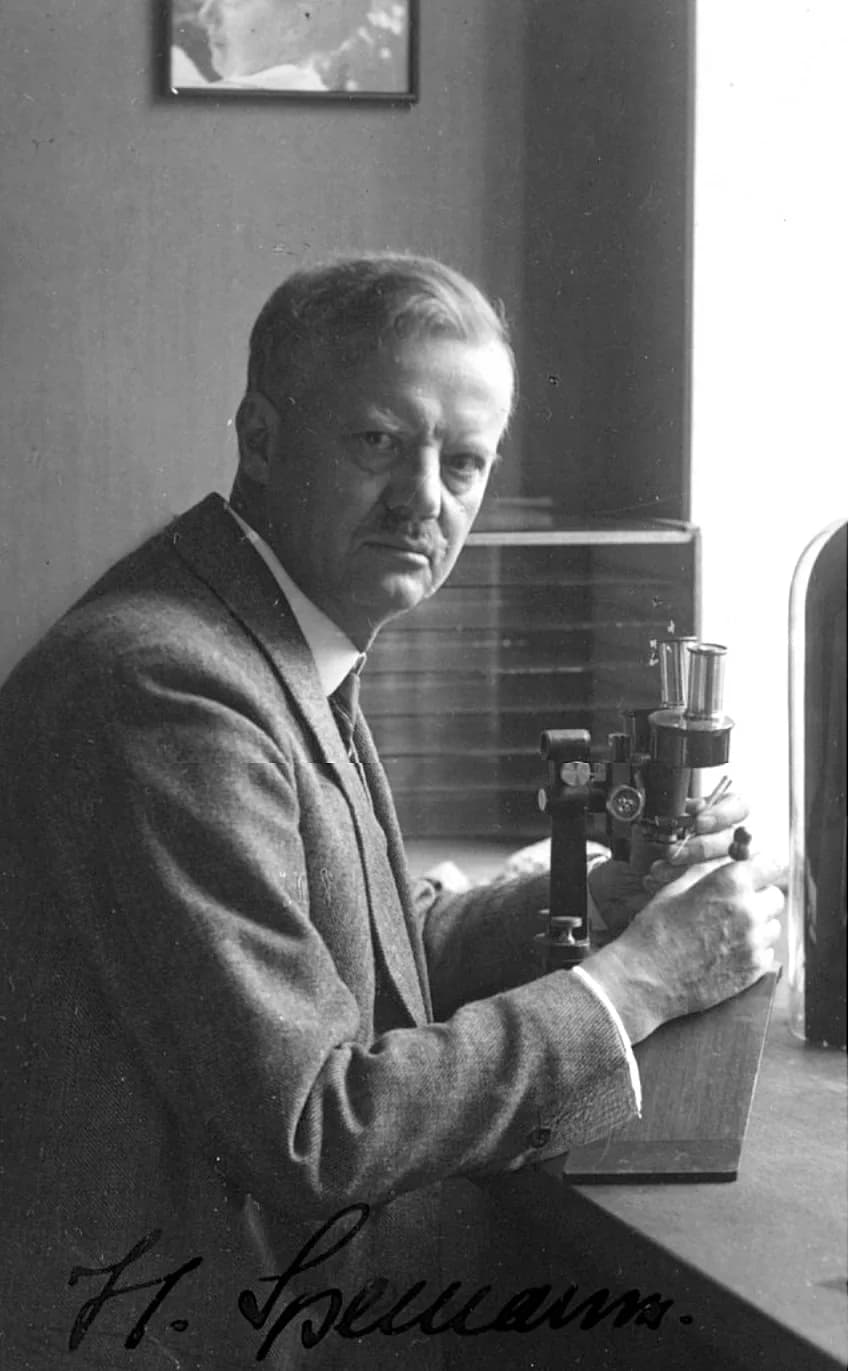
Hans Spemann (1869-1941) was a German embryologist who revolutionized developmental biology through his discovery of embryonic induction. His groundbreaking experiments on organizer effects earned him the 1935 Nobel Prize in Physiology or Medicine. Spemann's work laid crucial foundations for modern cloning and stem cell research.
لمحوں میں ایک زندگی
وہ لمحے جنہوں نے ایک زندگی کو تشکیل دیا
باب
زندگی کے ابواب
باب 1 · 1869· 7 میں سے باب 1
Early Life and Origins
Hans Spemann was born on June 27, 1869, in Stuttgart, Germany, during a period of rapid scientific advancement in Europe. Growing up in this vibrant German city, Spemann developed an early fascination with the natural world that would shape his entire career. Stuttgart's intellectual climate during the late 19th century provided young Spemann with access to excellent educational opportunities that nurtured his scientific curiosity.
His formative years in Stuttgart coincided with major breakthroughs in biology and medicine across Germany. The rigorous German educational system of the time emphasized both theoretical knowledge and practical observation skills. These early influences in Stuttgart would prove essential as Spemann later pursued advanced studies in medicine and zoology, combining both disciplines in his groundbreaking research approach.
باب 2· 7 میں سے باب 2
Career Beginnings
Spemann began his professional journey as both a physician and zoologist, an unusual combination that gave him unique insights into biological processes. His medical training provided him with detailed knowledge of anatomy and physiology, while his zoological background offered him a broader perspective on how different species develop. This dual expertise positioned him perfectly for the emerging field of experimental embryology.
During his early career, Spemann focused on developing new experimental techniques for studying embryonic development. He pioneered methods for manipulating embryos in controlled laboratory conditions, allowing him to observe how different parts of developing organisms influenced each other. These early experiments in German research institutions laid the groundwork for his most significant discoveries about embryonic induction.
باب 3 · 1935· 7 میں سے باب 3
Major Achievements and Career Highlights
Spemann's most famous work involved the discovery of embryonic induction, a process where certain parts of an embryo direct the development of nearby tissues into specific organs. Working with his student Hilde Mangold, he demonstrated that particular regions of embryos act as "organizers" that control how groups of cells develop into tissues and organs. This discovery revolutionized developmental biology and earned him the Nobel Prize in Physiology or Medicine in 1935.
The organizer effect that Spemann studied became one of the foundational concepts in modern biology. His experiments showed that development is not just a predetermined process, but involves complex interactions between different parts of the embryo. This work would later inspire research into stem cells and cloning techniques, making Spemann a pioneer whose influence extended far beyond his own era.
Throughout his career as a university teacher, Spemann trained numerous students who would go on to make their own important contributions to biology. His laboratory became a center for embryological research in Germany, attracting young scientists from across Europe who wanted to learn his experimental techniques and theoretical approaches.
باب 4· 7 میں سے باب 4
Personal Life
While Spemann devoted much of his energy to scientific research, he also maintained a life outside the laboratory in Germany. His role as a university teacher brought him into contact with many brilliant young minds, including Hilde Mangold, whose work with him led to his Nobel Prize recognition. Spemann valued mentorship and took pride in guiding the next generation of German scientists.
Living through both World Wars while conducting his research in Germany, Spemann experienced firsthand the political and social upheavals of his era. Despite these challenges, he continued his scientific work and teaching responsibilities, maintaining his laboratory's reputation as a center of excellence in embryological research throughout these turbulent decades.
باب 5· 7 میں سے باب 5
Notable Works and Contributions
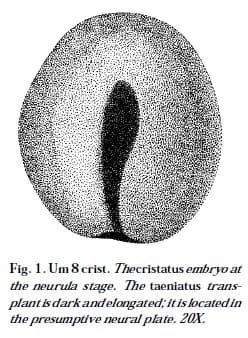
Spemann's experiments on embryonic organizers involved intricate microsurgical techniques that were revolutionary for their time. He developed methods for transplanting tiny pieces of embryonic tissue from one location to another, allowing him to test how different regions influenced development. These transplantation experiments provided the first clear evidence of embryonic induction and the organizer effect.
His collaboration with student Hilde Mangold resulted in the famous "Spemann-Mangold organizer" experiments that demonstrated how specific embryonic tissues could induce the formation of entire body axes. Although Mangold tragically died young, her dissertation work under Spemann's guidance became one of the most important studies in developmental biology. Spemann added his name as co-author to this groundbreaking research, which formed the basis for his Nobel Prize recognition.
باب 6 · 1941· 7 میں سے باب 6
Later Years
Spemann continued his research and teaching well into his later years, working until near the end of his life in 1941. His final years were spent in Freiburg im Breisgau, Germany, where he continued to influence the field of embryology through his ongoing research and mentorship. Even as he aged, Spemann remained active in the scientific community, corresponding with researchers worldwide about developments in developmental biology.
During his final years in Freiburg im Breisgau, Spemann witnessed the early applications of his discoveries in new areas of biological research. Scientists had begun to understand how his work on embryonic induction might apply to broader questions about tissue regeneration and cellular differentiation, setting the stage for future breakthroughs in medical science.
باب 7· 7 میں سے باب 7
Legacy and Impact
Hans Spemann's discovery of embryonic induction fundamentally changed how scientists understand biological development. His work demonstrated that embryos are not simply pre-programmed to develop in predetermined ways, but instead rely on complex chemical signals between different cell groups. This insight became central to modern developmental biology and influenced fields ranging from cancer research to regenerative medicine.
The techniques Spemann developed for studying embryonic development directly contributed to later advances in cloning and stem cell research. His demonstration that certain embryonic tissues could reorganize and redirect development patterns provided early evidence that cellular differentiation might be reversible. Modern cloning techniques trace their theoretical foundations back to Spemann's organizer experiments from the 1920s and 1930s.
Today, research institutions worldwide continue to build upon Spemann's foundational work. His Nobel Prize in 1935 recognized discoveries that remain relevant to current biological research, making him one of the most enduringly influential scientists of the 20th century. Students of biology still learn about Spemann's organizer experiments as examples of how careful experimental design can reveal fundamental principles of life.
اکثر پوچھے گئے سوالات
اکثر پوچھے گئے
Hans Spemann کب وفات پا گئے؟
Hans Spemann 12 ستمبر، 1941 کو Freiburg im Breisgau, Germany میں وفات پا گئے، 72 سال کی عمر میں۔
Hans Spemann کہاں پیدا ہوئے؟
Hans Spemann Stuttgart, Germany میں 27 جون، 1869 کو پیدا ہوئے۔
Hans Spemann کس چیز کے لیے سب سے زیادہ مشہور ہیں؟
Hans Spemann German embryologist کے لیے سب سے زیادہ مشہور ہیں۔
وفات کے وقت Hans Spemann کی عمر کیا تھی؟
وفات کے وقت Hans Spemann کی عمر 72 سال تھی۔
Hans Spemann کی قومیت کیا تھی؟
Hans Spemann کا تعلق Germany سے تھا۔
ٹائم لائن
ایک نظر میں زندگی
تصویری گیلری
تصاویر میں ایک زندگی
بڑا کرنے کے لیے کسی بھی پولیرائیڈ پر کلک کریں · 20 تصاویر
QR کوڈ
یہ سوانح عمری شیئر کریں
پرنٹ کریں اور شیئر کریں
اس سوانح عمری کے صفحے کو دیکھنے کے لیے اسکین کریں۔ تقریبات، نمائشوں، یا تعلیمی مواد کے لیے پرنٹ کریں۔