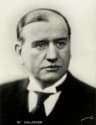
پیدائش
February 8, 1888
Alexandria, Egypt
وفات
June 1, 1970
Milan, Italy
اس وجہ سے جانے جاتے ہیں
Italian poet, writer and university teacher
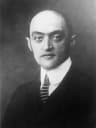
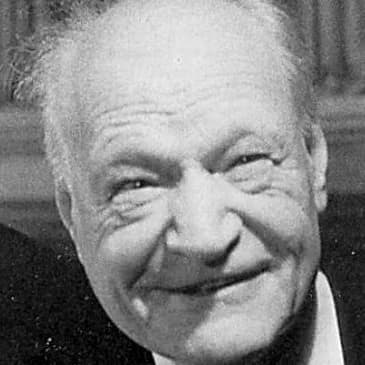
Giuseppe Ungaretti (1888–1970) was Egypt best known for Italian poet, writer and university teacher.
Giuseppe Ungaretti (February 8, 1888 – June 1, 1970) was an Italian poet, writer, and university teacher from Alexandria, Egypt. He was a leading representative of Ermetismo and a prominent contributor to 20th-century Italian literature, receiving the inaugural 1970 Neustadt International Prize for Literature. His work profoundly influenced modern poetry.
باب
زندگی کے ابواب
باب 1 · 1888· 6 میں سے باب 1
Early Life and Origins
Born on February 8, 1888, Giuseppe Ungaretti began his life in Alexandria, Egypt. This significant birthplace placed him within a unique cultural milieu, far removed from the Italian peninsula. His formative years in Alexandria surely contributed to the distinct perspective he later brought to his poetic work, providing a rich background that undoubtedly influenced his artistic development.
The experience of growing up in Alexandria, a vibrant cosmopolitan city, likely imbued Ungaretti with a broader understanding of diverse cultures and languages. This upbringing offered him a unique lens through which to view the world, setting him apart from many of his contemporaries. His early environment was foundational to the intellectual curiosity and stylistic innovation that characterized his later literary output.
باب 2· 6 میں سے باب 2
Career Beginnings
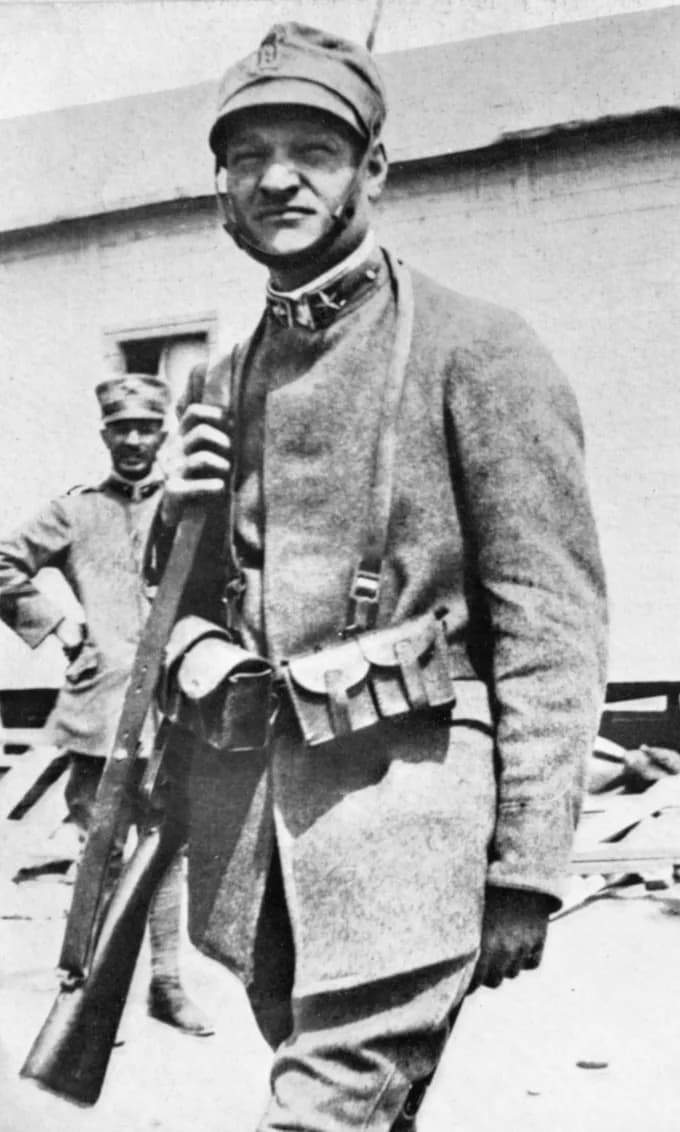
Ungaretti's literary career truly began amidst the tumultuous backdrop of World War I, where he took an irredentist position, a stance shared by many futurists of his era. His direct experiences fighting in the trenches profoundly shaped his early poetic voice and thematic concerns. It was within this harsh reality that he debuted as a poet, translating the brutality and existential questions of war into verse.
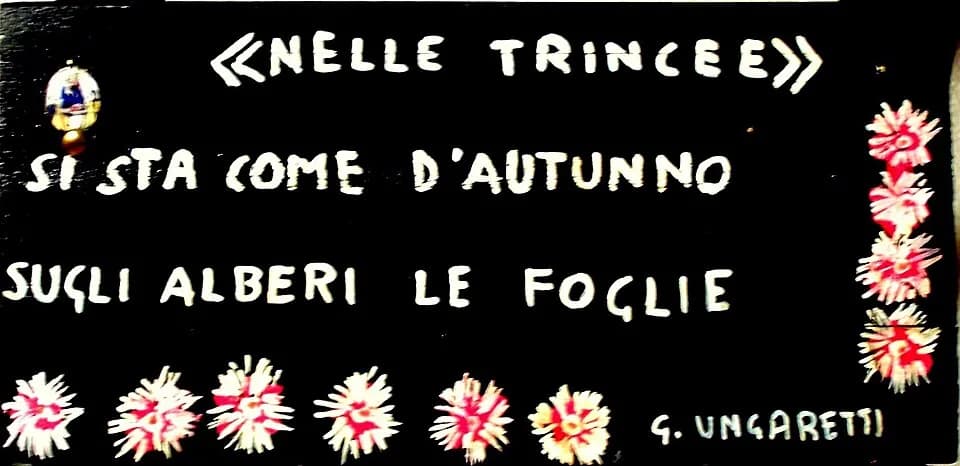
His time in the trenches provided the raw material for one of his best-known pieces, “L'allegria,” which emerged between 1914 and 1919. This collection marked his formal entry into the literary scene, capturing the profound human emotions and stark landscapes of wartime. Ungaretti's early work was distinct for its brevity and intense emotional resonance, setting a new standard for modern poetry.
باب 3· 6 میں سے باب 3
Major Achievements and Career Highlights
Giuseppe Ungaretti established himself as a leading representative of Ermetismo, an experimental trend that profoundly reshaped 20th-century Italian poetry. His innovative approach to language and structure placed him among the most prominent contributors to the nation's literary landscape. This stylistic development marked a significant departure from previous poetic traditions, setting a new course for modern Italian verse.
His literary achievements garnered international acclaim, culminating in Ungaretti receiving the inaugural Neustadt International Prize for Literature in 1970. This prestigious award, granted in the very year of his passing, underscored his global standing and the lasting impact of his unique poetic voice. The acknowledgment solidified his reputation as a poet of international significance and enduring artistic merit.
Ungaretti's intellectual journey included a brief alignment with futurism, demonstrating his willingness to engage with avant-garde movements and push artistic boundaries. His work, influenced by symbolism, continuously evolved, reflecting a profound engagement with the poetic craft. He dedicated himself not only to writing but also to teaching, serving as a university professor and enriching academic discourse.
باب 4 · 1914· 6 میں سے باب 4
Notable Works or Contributions
Giuseppe Ungaretti’s bibliography includes several seminal collections that cemented his place in literary history. His collection “L'allegria,” published between 1914 and 1919, remains a cornerstone of 20th-century Italian poetry, directly reflecting his experiences as a soldier in World War I. This work is praised for its stark imagery and profound brevity.
Another pivotal collection, “Sentimento del tempo,” published spanning the years 1919-1935, showcased Ungaretti's deepening exploration of themes like time, memory, and the sacred. This work further developed his hermetic style, characterized by its intense lyricism and condensed language. His poetic output also includes “Il povero nella città” and “Una costellazione plurilingue,” which highlight his versatile thematic interests.
Additional significant contributions include “I poeti scelti,” “Selected poems,” and “Gedichte,” which made his work accessible to broader international audiences. His later works like “Il taccuino del vecchio” and “Da Góngora e de Mallermé” further demonstrate his continuous engagement with translation and literary exploration throughout his career. These works collectively underscore his stature as a prolific and influential writer.
باب 5· 6 میں سے باب 5
Later Years
In his later life, Giuseppe Ungaretti continued to dedicate himself to both his writing and his role as a university teacher, influencing countless students and scholars. He maintained an active presence in literary and academic circles, sharing his vast knowledge and insights. His commitment to education was as profound as his commitment to his art.
Ungaretti passed away on June 1, 1970, in Milan, Italy, leaving behind a monumental body of work. His death came shortly after receiving the prestigious Neustadt International Prize for Literature, a fitting culmination to a life dedicated to poetic expression and intellectual pursuit. His final years were marked by continued recognition and a deepening appreciation for his singular contributions to literature.
باب 6· 6 میں سے باب 6
Legacy and Impact
Giuseppe Ungaretti's impact on 20th-century Italian literature is profound and lasting. He is widely credited as a foundational figure of Ermetismo, a movement that brought a new intensity and conciseness to Italian poetry. His innovative use of free verse and his exploration of essential human truths continue to resonate with readers and poets alike.
His influence extended beyond Italy, shaping modernist poetic movements globally through translations and academic study of his works. Ungaretti's ability to distill complex emotions into sparse, powerful lines remains a hallmark of his genius. He taught generations to find profound meaning in carefully chosen words and to embrace new forms of poetic expression.
Today, Ungaretti is remembered not only for his specific works like “L'allegria” and “Sentimento del tempo,” but also for his courage to innovate and redefine poetic language. His legacy lives on in the ongoing study of his poetry, confirming his place as a master of modern Italian verse and a true visionary in the world of literature.
لمحوں میں ایک زندگی
وہ لمحے جنہوں نے ایک زندگی کو تشکیل دیا


اکثر پوچھے گئے سوالات
اکثر پوچھے گئے
Giuseppe Ungaretti کب وفات پا گئے؟
Giuseppe Ungaretti 1 جون، 1970 کو Milan, Italy میں وفات پا گئے، 82 سال کی عمر میں۔
Giuseppe Ungaretti کہاں پیدا ہوئے؟
Giuseppe Ungaretti Alexandria, Egypt میں 8 فروری، 1888 کو پیدا ہوئے۔
Giuseppe Ungaretti کس چیز کے لیے سب سے زیادہ مشہور ہیں؟
Giuseppe Ungaretti Italian poet, writer and university teacher کے لیے سب سے زیادہ مشہور ہیں۔
وفات کے وقت Giuseppe Ungaretti کی عمر کیا تھی؟
وفات کے وقت Giuseppe Ungaretti کی عمر 82 سال تھی۔
Giuseppe Ungaretti کی قومیت کیا تھی؟
Giuseppe Ungaretti کا تعلق Egypt سے تھا۔
ٹائم لائن
ایک نظر میں زندگی
تصویری گیلری
تصاویر میں ایک زندگی
بڑا کرنے کے لیے کسی بھی پولیرائیڈ پر کلک کریں · 22 تصاویر
QR کوڈ
یہ سوانح عمری شیئر کریں
پرنٹ کریں اور شیئر کریں
اس سوانح عمری کے صفحے کو دیکھنے کے لیے اسکین کریں۔ تقریبات، نمائشوں، یا تعلیمی مواد کے لیے پرنٹ کریں۔