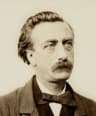
پیدائش
November 28, 1820
Barmen, Germany
وفات
August 5, 1895
London, Roman Empire
اس وجہ سے جانے جاتے ہیں
German philosopher, sociologist and economist
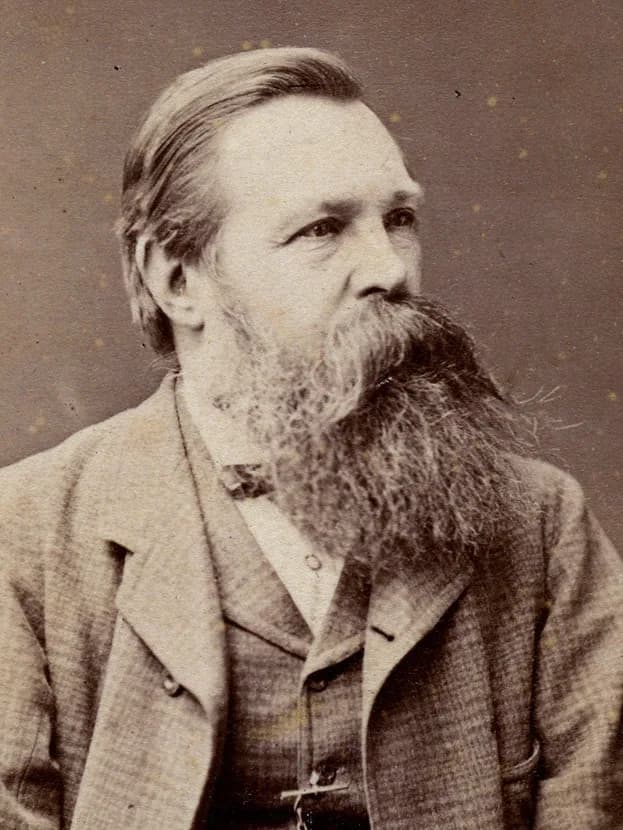
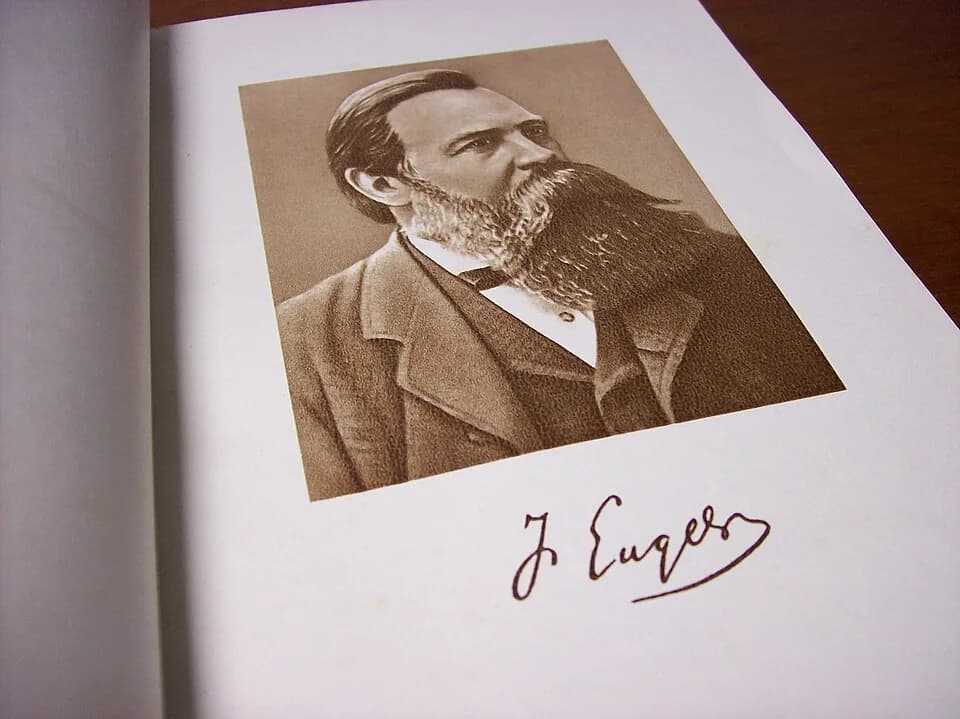
Friedrich Engels (1820–1895) was Germany best known for German philosopher, sociologist and economist.
Friedrich Engels (November 28, 1820 – August 5, 1895) was a German philosopher, sociologist, and economist from Barmen, Germany. He is best known for his lifelong collaboration with Karl Marx, co-authoring The Communist Manifesto and developing Marxism. Engels's intellectual contributions continue to shape critical thought and social theory.
باب
زندگی کے ابواب
باب 1 · 1820· 7 میں سے باب 1
Early Life and Origins
Friedrich Engels entered the world in Barmen, Germany, on November 28, 1820. Growing up in a rapidly industrializing region, his early experiences provided him with a unique vantage point on the economic and social changes sweeping through Europe. This upbringing undoubtedly influenced his developing insights into the conditions of the working class and the dynamics of capitalist production.
باب 2· 7 میں سے باب 2
Career Beginnings
Engels began his professional life as an entrepreneur, a role that offered him firsthand experience with industrial society and its intricate economic structures. Alongside his business pursuits, he actively engaged his intellectual curiosity as a writer and journalist. These early endeavors allowed him to analyze and critique the societal conditions of his era, blending practical observation with incisive critical analysis.
باب 3 · 1848· 7 میں سے باب 3
Major Achievements and Career Highlights
The cornerstone of Engels's illustrious career was his profound intellectual partnership with Karl Marx, a collaboration that redefined political and social theory. Together, they articulated a revolutionary understanding of history, economics, and society, forming the theoretical bedrock of Marxism. Their most celebrated work, The Communist Manifesto, published in 1848, remains a foundational text, presenting a powerful vision for societal transformation.
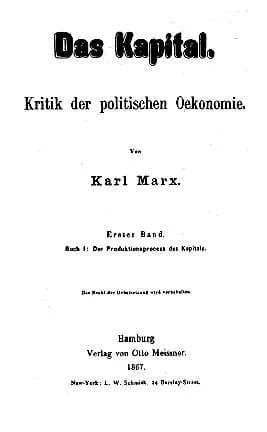
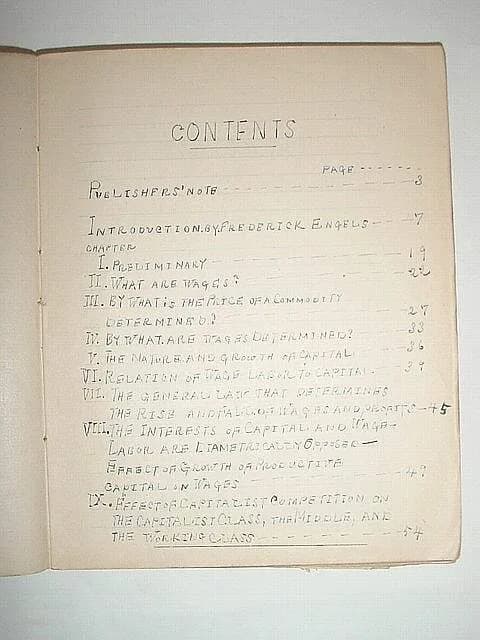
Beyond their collaborative writings, Engels demonstrated immense scholarly dedication as he took on the critical task of editing Karl Marx's unfinished manuscripts after his friend's passing. He meticulously completed the second and third volumes of Marx's monumental work, Das Kapital. This painstaking editorial effort ensured that Marx's full intellectual legacy was preserved and made accessible to future generations of scholars and activists.
باب 4· 7 میں سے باب 4
Personal Life
While Engels's public life was deeply intertwined with his intellectual and revolutionary pursuits, his personal dedication to his comrades and causes was unwavering. He was recognized not only for his theoretical contributions but also for his practical commitment to social justice. This commitment extended to his active role as a women's rights activist, advocating for greater equality and challenging prevailing social norms.
باب 5· 7 میں سے باب 5
Notable Works or Contributions
Friedrich Engels's bibliography extends far beyond The Communist Manifesto, encompassing a wide array of works that explored philosophy, history, and social science. His significant texts include Ludwig Feuerbach et la fin de la philosophie classique allemande, which offered a critical examination of German classical philosophy. He also co-authored Deutsche Ideologie with Marx, a work crucial for understanding their materialist conception of history and society.
Other influential contributions include Revolution and counter-revolution, analyzing political upheavals, and Razvitie sot︠s︡ializma ot utopii k nauke, which illuminated the transition of socialist thought from utopian ideals to scientific analysis. These works, alongside K. Marks i F. Ėngel's ob antichnosti and Ausgewählte Schriften ..., showcased his broad intellectual scope and his commitment to applying rigorous analysis to complex societal issues.
باب 6 · 1883· 7 میں سے باب 6
Later Years
Following the death of Karl Marx in 1883, Engels devoted himself tirelessly to the immense responsibility of organizing and completing his friend’s extensive literary estate. His dedicated work on Das Kapital alone was a scholarly undertaking of monumental proportions, requiring deep understanding and meticulous attention to detail. Engels continued to write, correspond, and advocate for socialist movements and principles until his own passing on August 5, 1895, in London, United Kingdom.
باب 7· 7 میں سے باب 7
Legacy and Impact
Friedrich Engels's legacy is immense, primarily as the co-architect of Marxism, a theoretical framework that has profoundly influenced countless social movements, political ideologies, and academic disciplines across the globe. His work as a sociologist, economist, historian, and political theorist provided incisive critiques of capitalism and proposed alternative visions for societal organization. Engels's tireless advocacy for social change, including his pioneering efforts in women's rights, continues to inspire generations, securing his place as one of the most significant and enduring thinkers of the 19th century.
لمحوں میں ایک زندگی
وہ لمحے جنہوں نے ایک زندگی کو تشکیل دیا
اکثر پوچھے گئے سوالات
اکثر پوچھے گئے
Friedrich Engels کب وفات پا گئے؟
Friedrich Engels 5 اگست، 1895 کو London, Roman Empire میں وفات پا گئے، 74 سال کی عمر میں۔
Friedrich Engels کہاں پیدا ہوئے؟
Friedrich Engels Barmen, Germany میں 28 نومبر، 1820 کو پیدا ہوئے۔
Friedrich Engels کس چیز کے لیے سب سے زیادہ مشہور ہیں؟
Friedrich Engels German philosopher, sociologist and economist کے لیے سب سے زیادہ مشہور ہیں۔
وفات کے وقت Friedrich Engels کی عمر کیا تھی؟
وفات کے وقت Friedrich Engels کی عمر 74 سال تھی۔
Friedrich Engels کی قومیت کیا تھی؟
Friedrich Engels کا تعلق Germany سے تھا۔
ٹائم لائن
ایک نظر میں زندگی
تصویری گیلری
تصاویر میں ایک زندگی
بڑا کرنے کے لیے کسی بھی پولیرائیڈ پر کلک کریں · 47 تصاویر
QR کوڈ
یہ سوانح عمری شیئر کریں
پرنٹ کریں اور شیئر کریں
اس سوانح عمری کے صفحے کو دیکھنے کے لیے اسکین کریں۔ تقریبات، نمائشوں، یا تعلیمی مواد کے لیے پرنٹ کریں۔