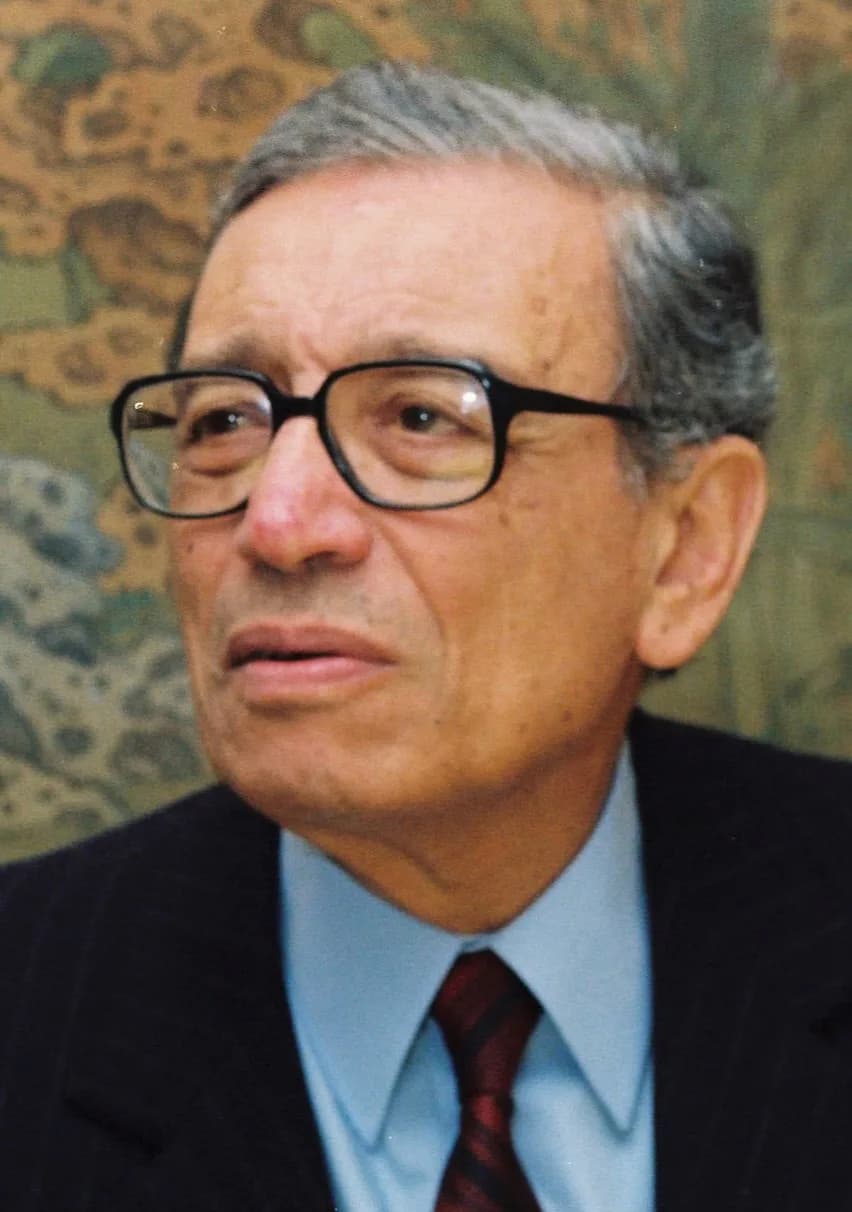
پیدائش
November 14, 1922
Cairo, Egypt
وفات
February 16, 2016
Giza, Egypt
اس وجہ سے جانے جاتے ہیں
Secretary-General of the United Nations from 1992 to 1996
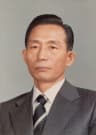
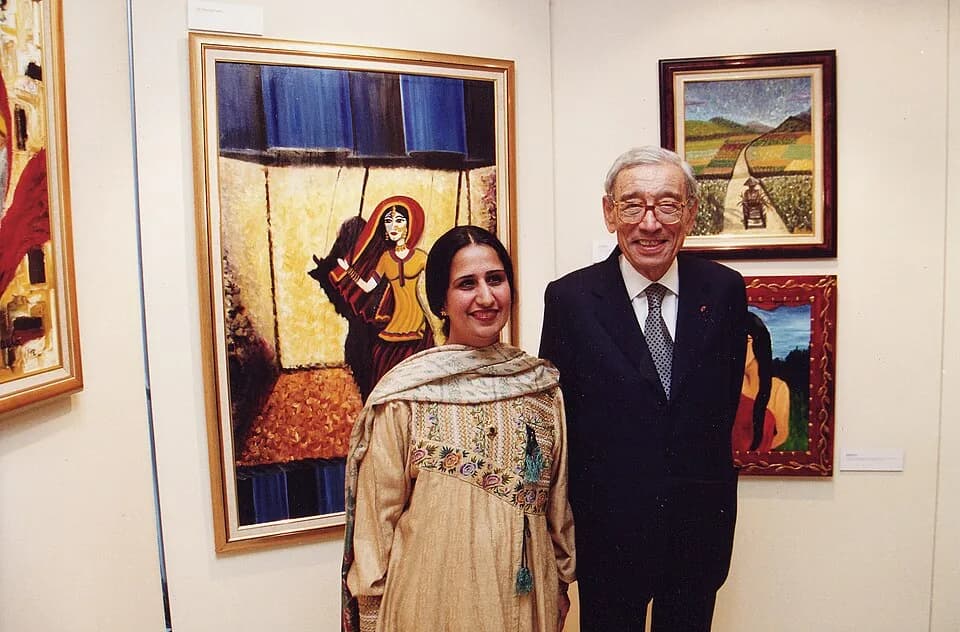
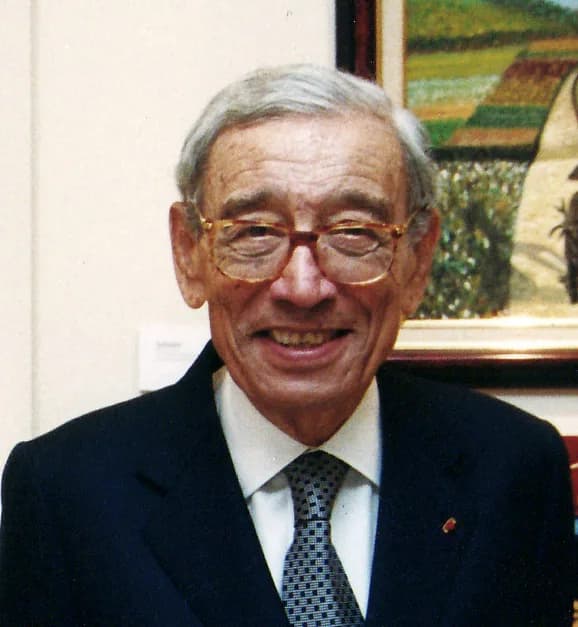
Boutros Boutros-Ghali (1922-2016) was an Egyptian diplomat and politician who served as the sixth Secretary-General of the United Nations from 1992 to 1996. He led the UN through major crises including the breakup of Yugoslavia and the Rwandan genocide. His diplomatic legacy continues to influence international peacekeeping discussions.
باب
زندگی کے ابواب
باب 1 · 1922· 6 میں سے باب 1
Early Life and Origins
Born on November 14, 1922, in Cairo, Egypt, Boutros Boutros-Ghali grew up in a prominent Coptic Christian family with deep political connections. His family had long been involved in Egyptian politics and public service. He pursued his education in law and political science, laying the foundation for what would become a distinguished career in diplomacy and international affairs.
His academic pursuits took him beyond Egypt's borders, where he studied international law and developed expertise that would later prove invaluable in his diplomatic career. This early exposure to legal frameworks and international governance shaped his approach to conflict resolution and multilateral diplomacy.
باب 2· 6 میں سے باب 2
Career Beginnings
Boutros-Ghali began his professional journey as a university teacher, sharing his knowledge of international law and political science with students. His academic work naturally evolved into practical application as he became increasingly involved in Egypt's foreign policy apparatus. During the 1970s, he took on more significant responsibilities within Egypt's diplomatic circles.
Between 1977 and 1979, he served as acting minister of foreign affairs of Egypt, a role that placed him at the center of Middle Eastern diplomacy during a critical period. This position allowed him to gain firsthand experience in high-stakes international negotiations and regional conflict resolution.
باب 3 · 1992· 6 میں سے باب 3
Major Achievements and Career Highlights
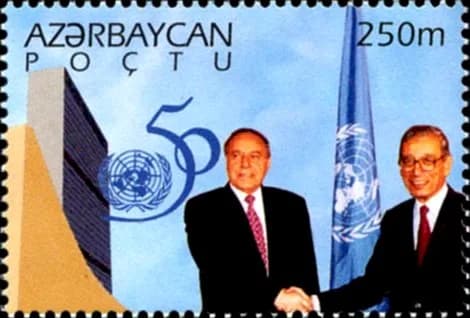
His appointment as the sixth Secretary-General of the United Nations in 1992 marked the pinnacle of Boutros-Ghali's diplomatic career. He took leadership of the UN during an extraordinarily turbulent period in world history. The breakup of Yugoslavia created complex humanitarian crises and peacekeeping challenges that tested the organization's capabilities.
Perhaps most notably, his tenure coincided with the Rwandan genocide, one of the most tragic humanitarian disasters of the 20th century. While the international community's response faced criticism, Boutros-Ghali worked to coordinate UN efforts during this devastating crisis. His leadership during these global emergencies highlighted both the potential and limitations of international peacekeeping efforts.
Throughout his four-year term, he advocated for strengthening the UN's peacekeeping capabilities and expanding its role in conflict prevention. His vision for the organization emphasized proactive engagement rather than reactive responses to international crises.
باب 4 · 1854· 6 میں سے باب 4
Notable Works and Contributions
Boutros-Ghali authored numerous influential works on international relations, diplomacy, and peacekeeping. His writings include "Die Agenda für den Frieden," which outlined his vision for UN peacekeeping reform. "Le Canal de Suez, 1854-1957" examined the historical significance of this crucial waterway in international relations.
His scholarly contributions extended to works like "Le Principe d'égalité des Etats et les organisations internationales," exploring the principle of state equality in international organizations. "The disarmament agenda of the international community in 1994 and beyond" addressed post-Cold War security challenges, while "Perspectives on Prevention" focused on conflict prevention strategies.
These publications reflected his deep understanding of international law, diplomatic history, and peacekeeping theory. His bilingual and multilingual works reached audiences across different linguistic and cultural boundaries, spreading his ideas about international cooperation and conflict resolution.
باب 5 · 1996· 6 میں سے باب 5
Later Years
After completing his term as UN Secretary-General in 1996, Boutros-Ghali remained active in international affairs and academic circles. He continued writing and speaking about global governance, sharing insights gained from his years at the helm of the world's premier international organization. His post-UN career included continued involvement in diplomatic initiatives and scholarly pursuits.
He returned to Egypt while maintaining his international profile through various academic and diplomatic engagements. His later years were marked by reflection on the challenges facing global governance and the evolution of international institutions in an increasingly complex world.
باب 6 · 2016· 6 میں سے باب 6
Legacy and Impact
Boutros Boutros-Ghali's death on February 16, 2016, in Giza, Egypt, marked the end of a distinguished career that spanned academia, diplomacy, and international leadership. His tenure as UN Secretary-General, though brief, occurred during a critical transition period in international relations following the end of the Cold War.
His writings and diplomatic philosophy continue to influence discussions about peacekeeping, conflict prevention, and international cooperation. The challenges he faced as Secretary-General—from the Yugoslav wars to the Rwandan genocide—remain relevant case studies for understanding the complexities of international intervention and humanitarian response. His vision for a more proactive and effective United Nations continues to resonate in contemporary debates about global governance and international security.
لمحوں میں ایک زندگی
وہ لمحے جنہوں نے ایک زندگی کو تشکیل دیا
اکثر پوچھے گئے سوالات
اکثر پوچھے گئے
Boutros Boutros-Ghali کب وفات پا گئے؟
Boutros Boutros-Ghali 16 فروری، 2016 کو Giza, Egypt میں وفات پا گئے، 93 سال کی عمر میں۔
Boutros Boutros-Ghali کہاں پیدا ہوئے؟
Boutros Boutros-Ghali Cairo, Egypt میں 14 نومبر، 1922 کو پیدا ہوئے۔
Boutros Boutros-Ghali کس چیز کے لیے سب سے زیادہ مشہور ہیں؟
Boutros Boutros-Ghali Secretary-General of the United Nations from 1992 to 1996 کے لیے سب سے زیادہ مشہور ہیں۔
وفات کے وقت Boutros Boutros-Ghali کی عمر کیا تھی؟
وفات کے وقت Boutros Boutros-Ghali کی عمر 93 سال تھی۔
Boutros Boutros-Ghali کی قومیت کیا تھی؟
Boutros Boutros-Ghali کا تعلق Egypt سے تھا۔
ٹائم لائن
ایک نظر میں زندگی
تصویری گیلری
تصاویر میں ایک زندگی
بڑا کرنے کے لیے کسی بھی پولیرائیڈ پر کلک کریں · 41 تصاویر
QR کوڈ
یہ سوانح عمری شیئر کریں
پرنٹ کریں اور شیئر کریں
اس سوانح عمری کے صفحے کو دیکھنے کے لیے اسکین کریں۔ تقریبات، نمائشوں، یا تعلیمی مواد کے لیے پرنٹ کریں۔