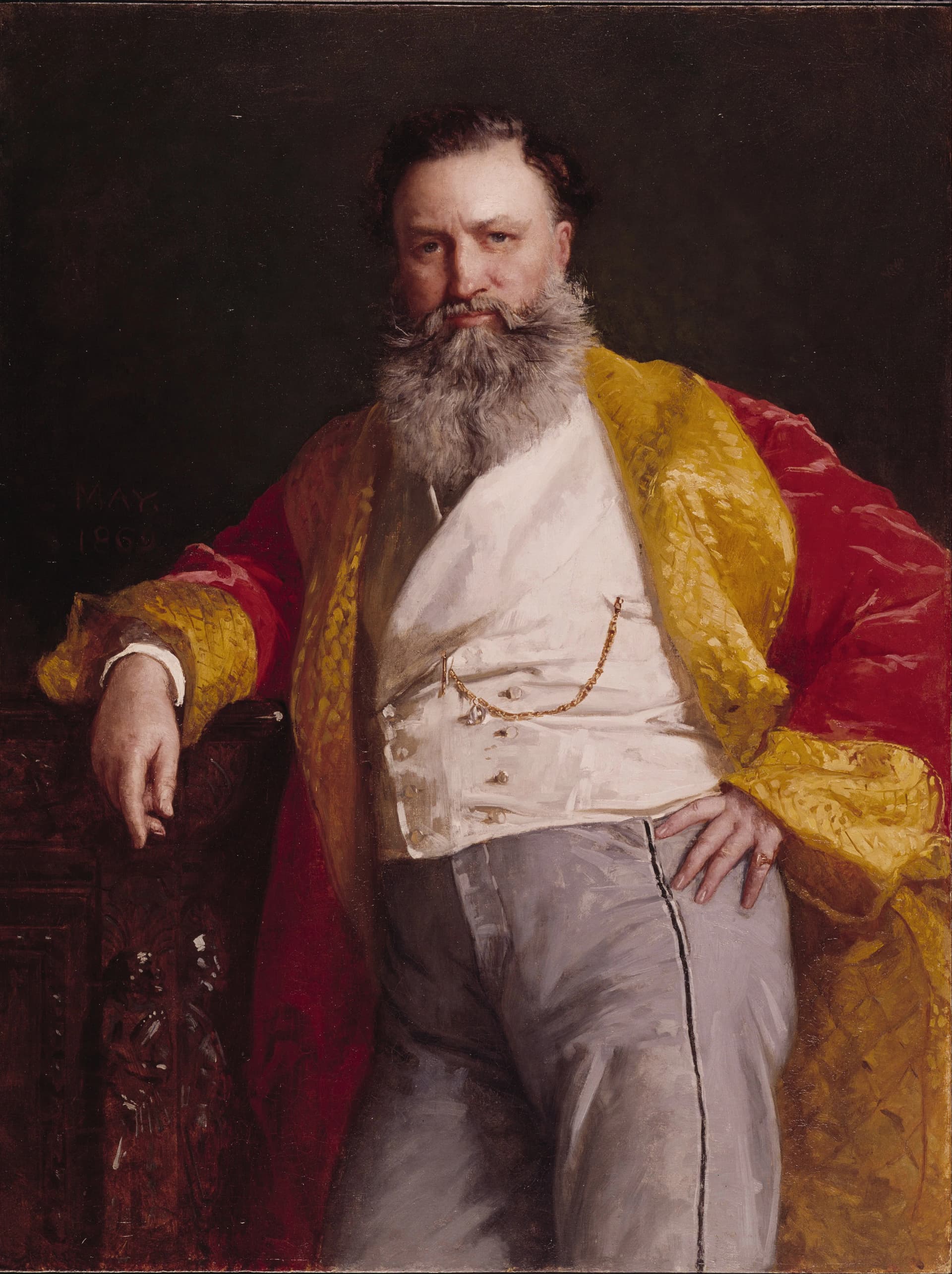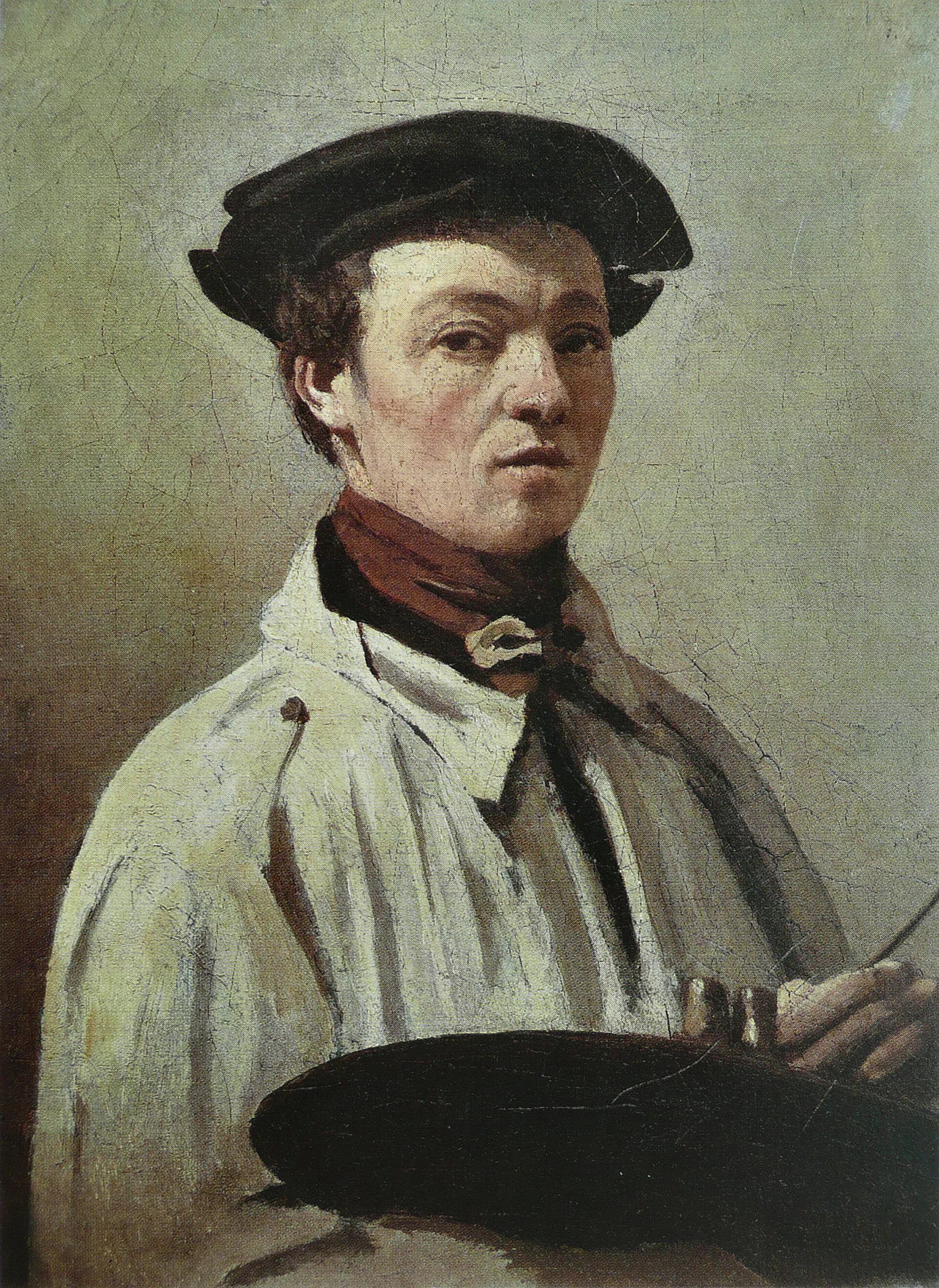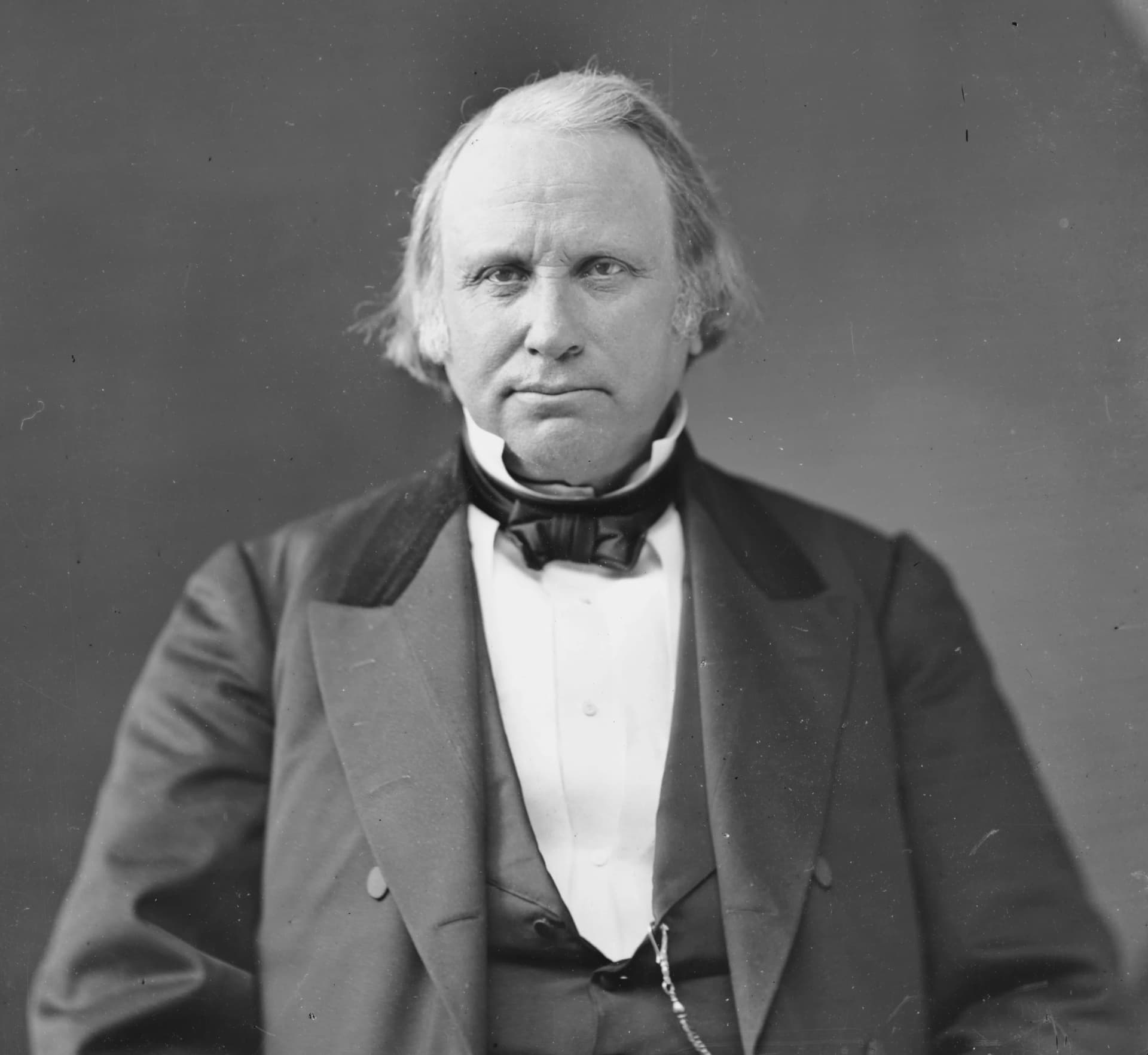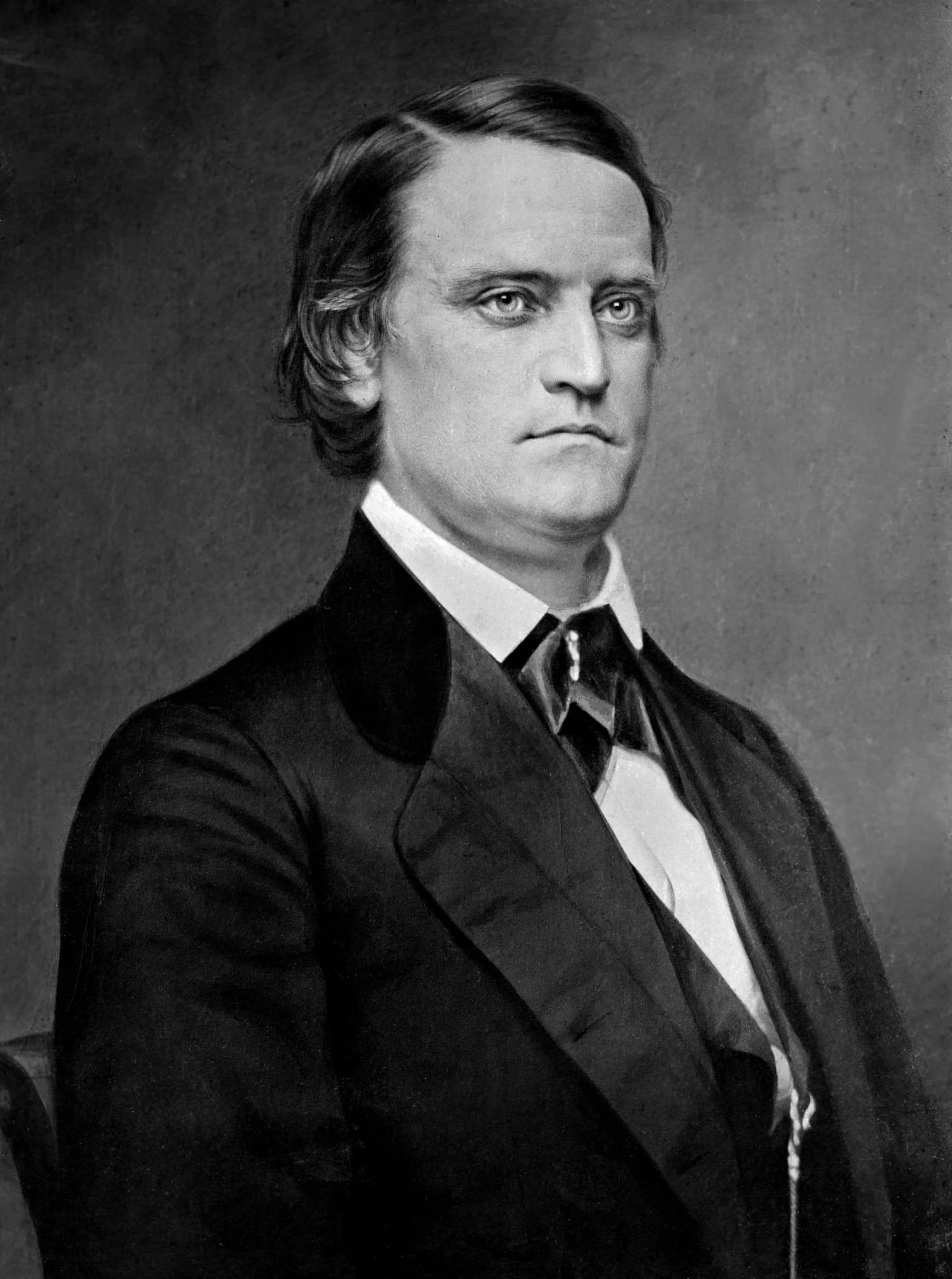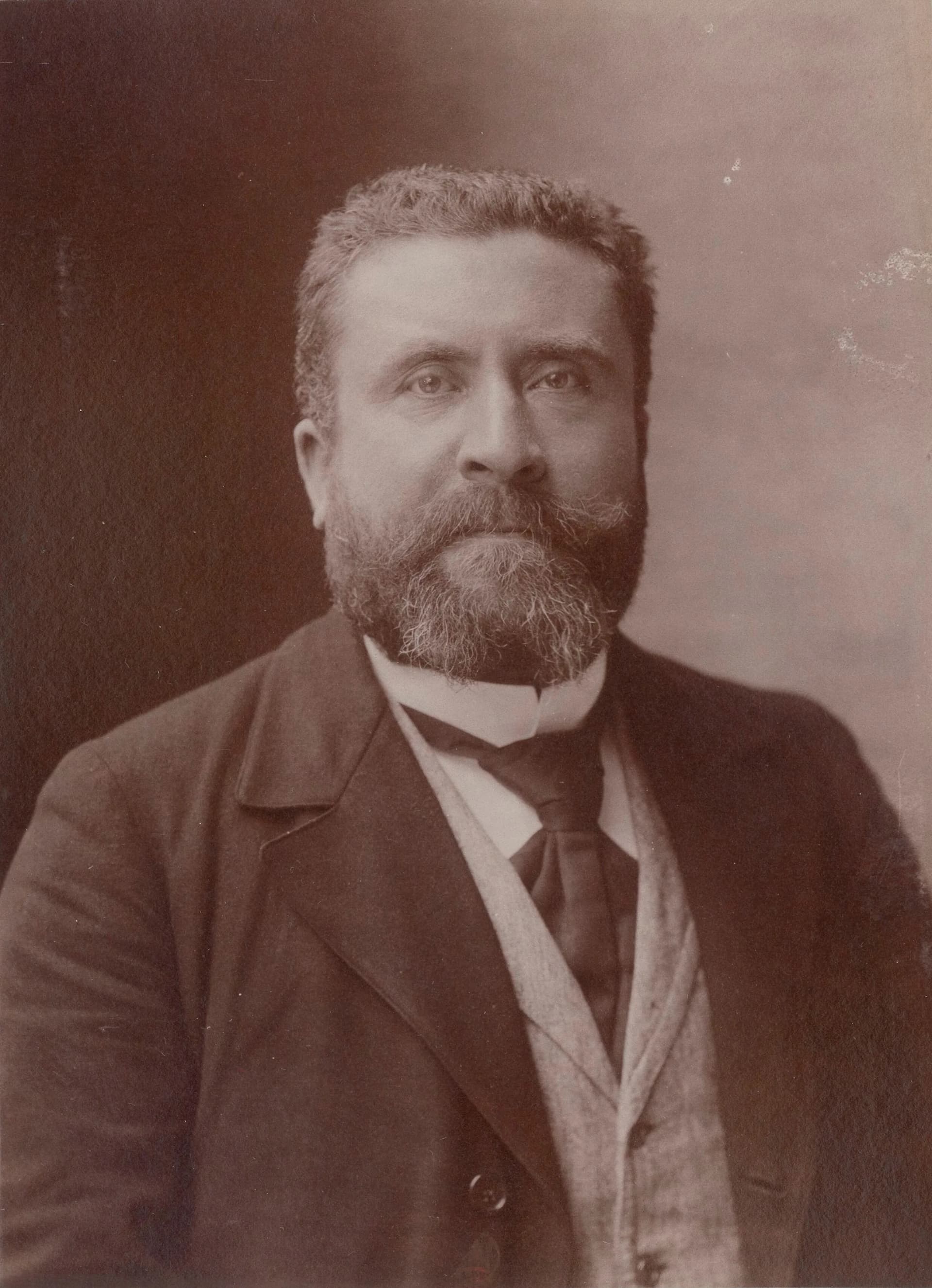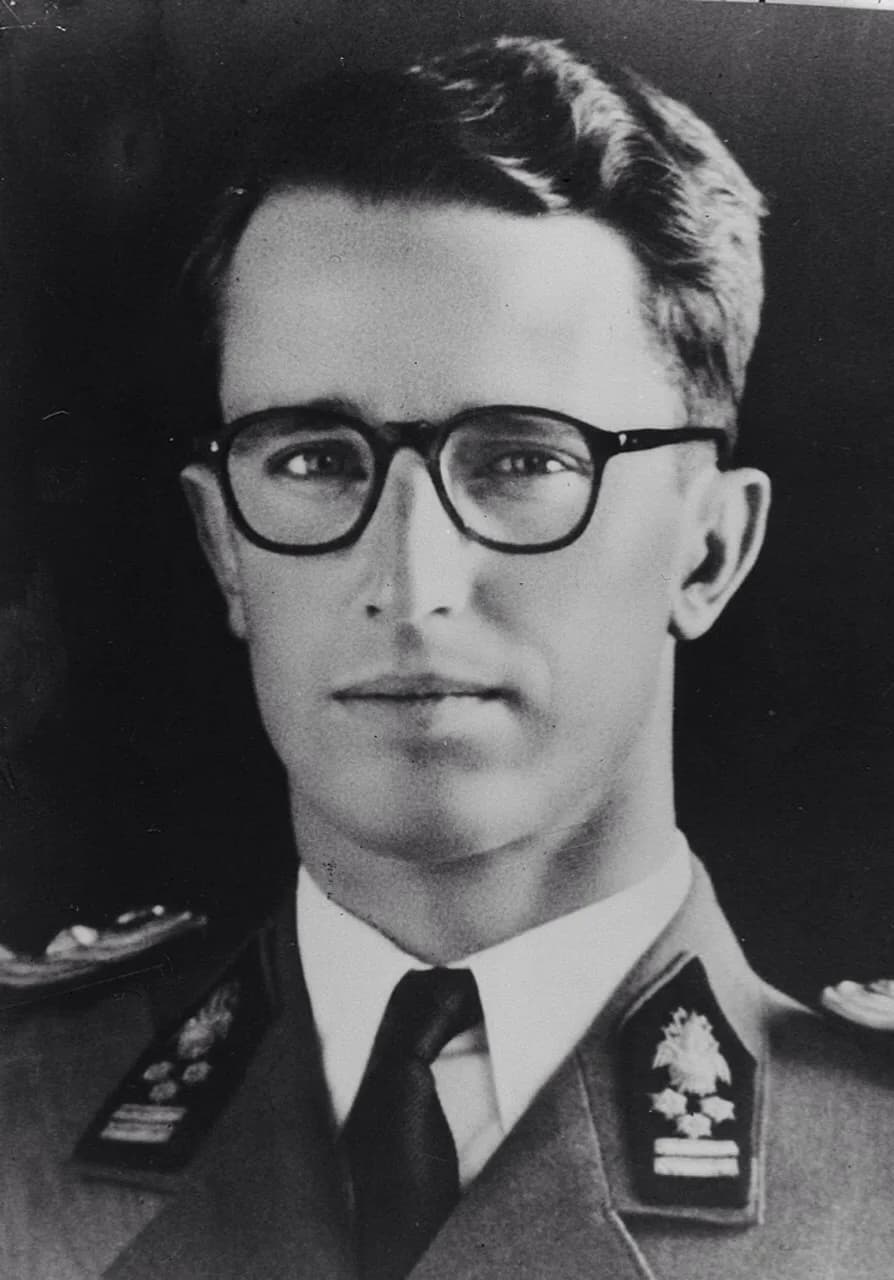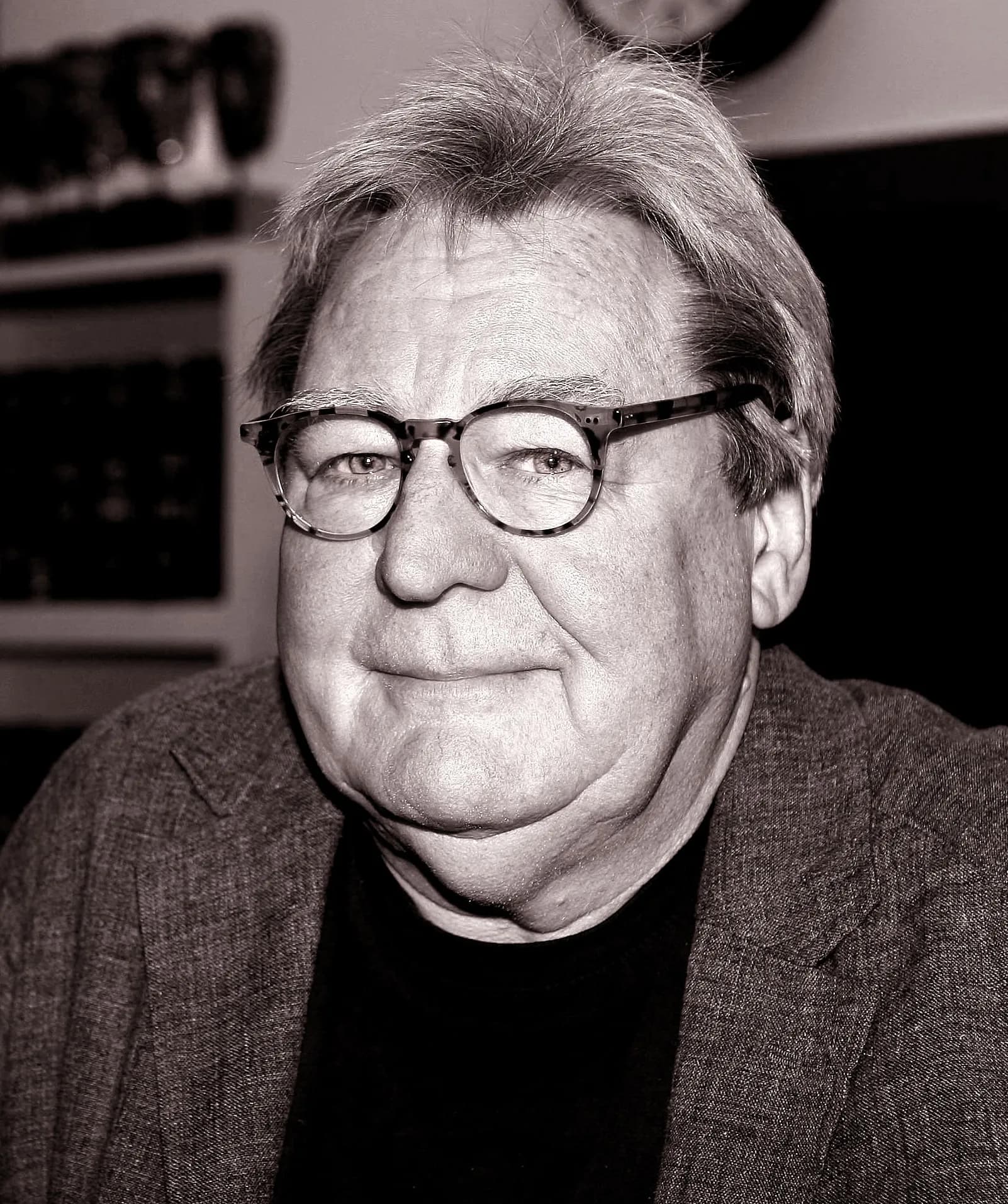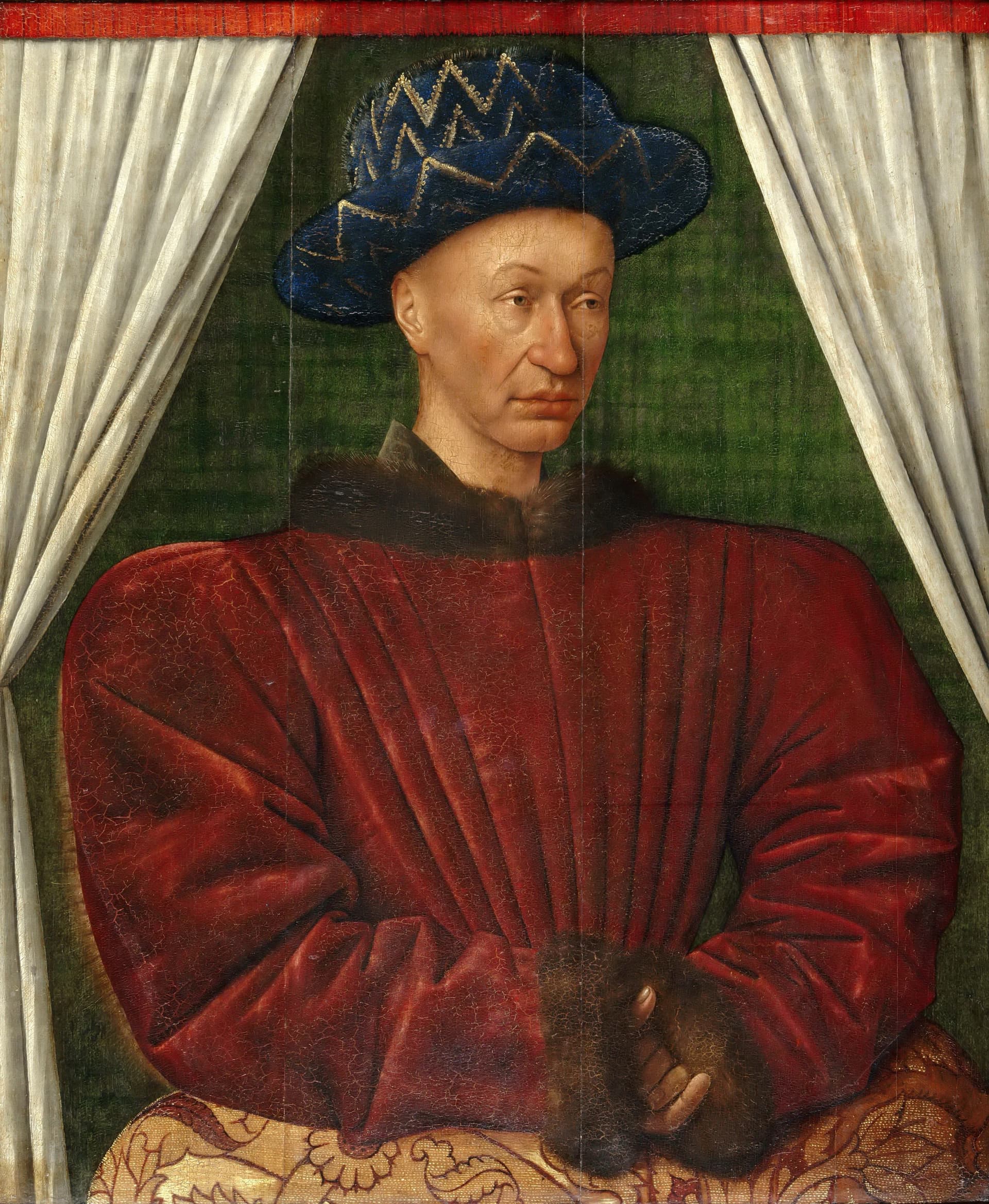
پیدائش
December 29, 1808
Raleigh, United States
وفات
July 31, 1875
Elizabethton, United States
اس وجہ سے جانے جاتے ہیں
President of the United States from 1865 to 1869
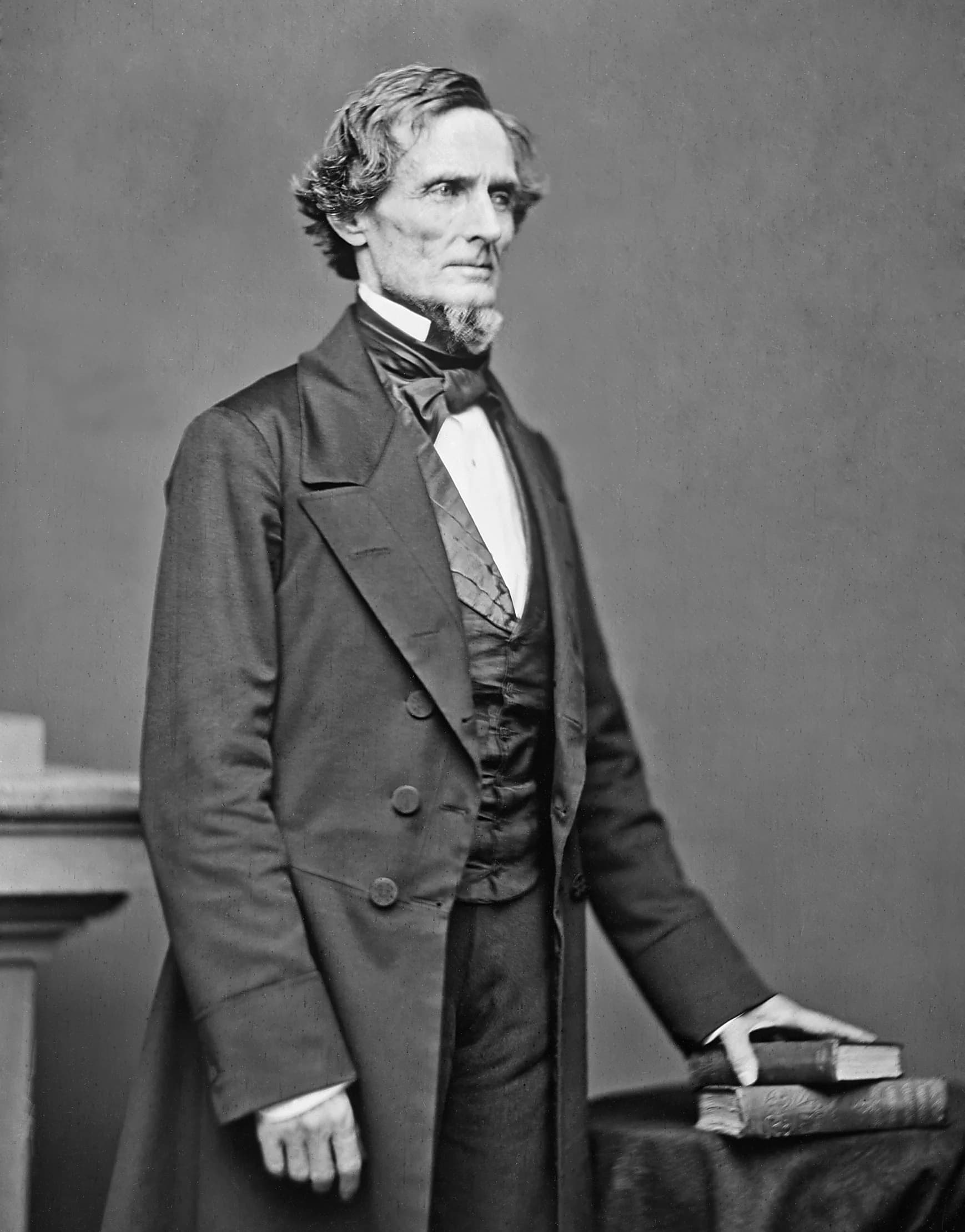
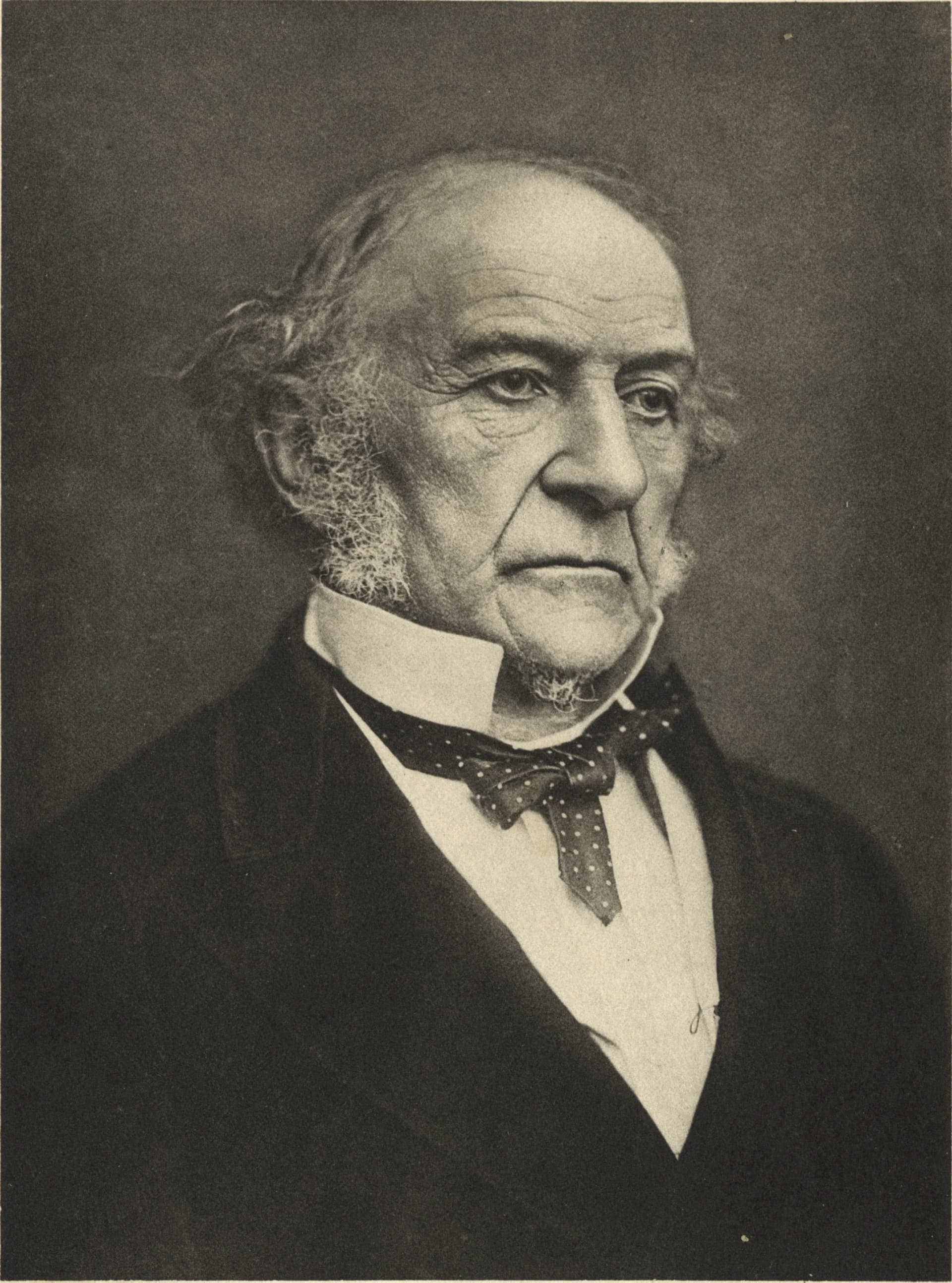
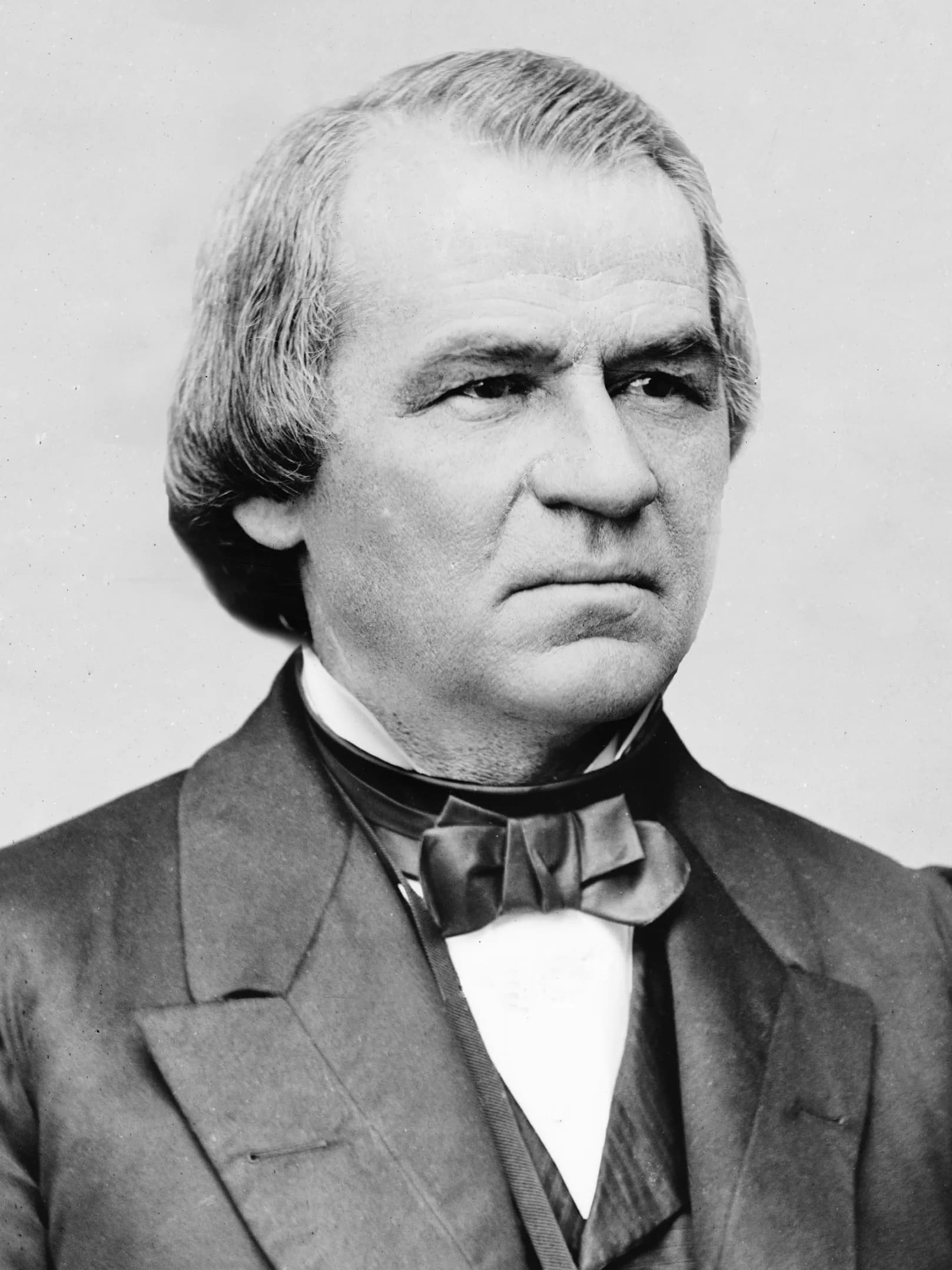
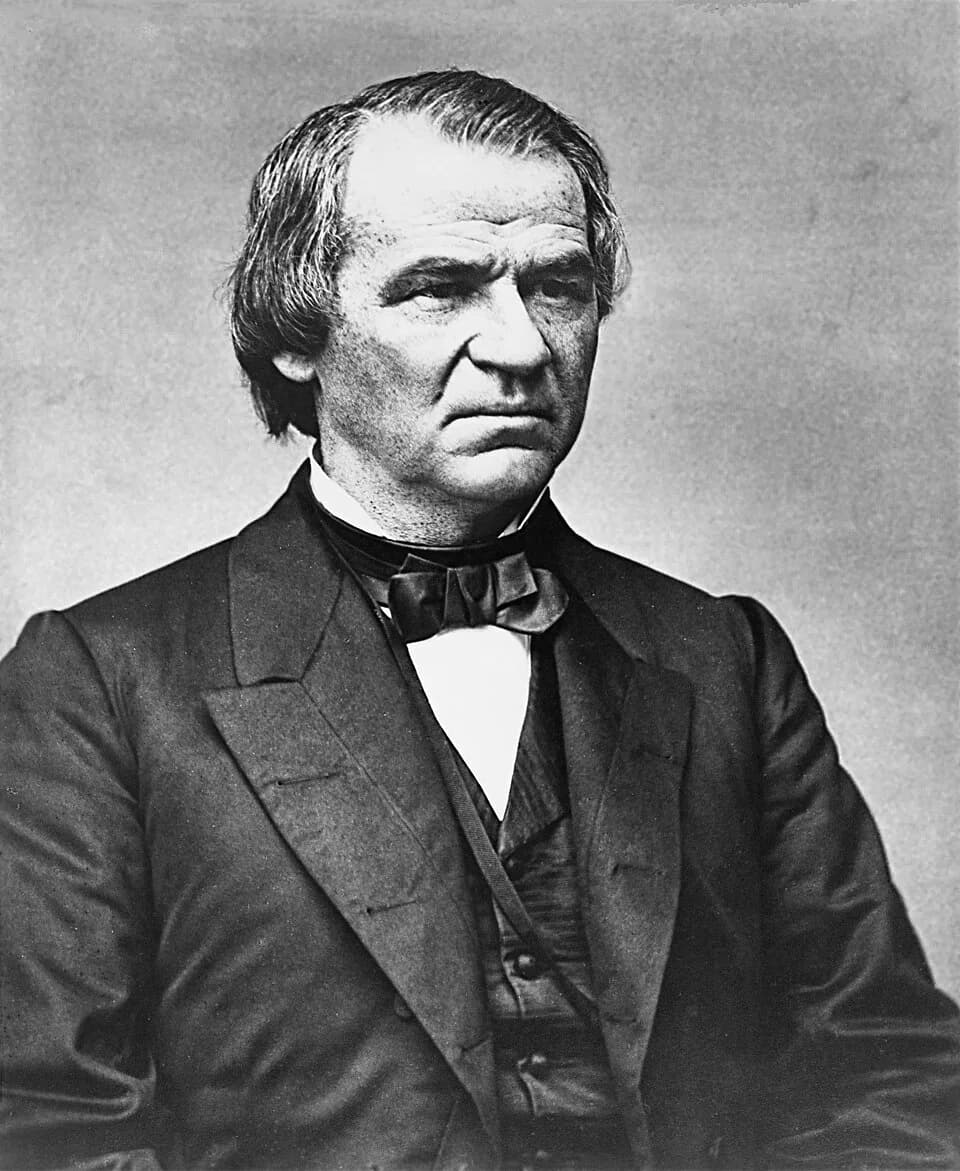
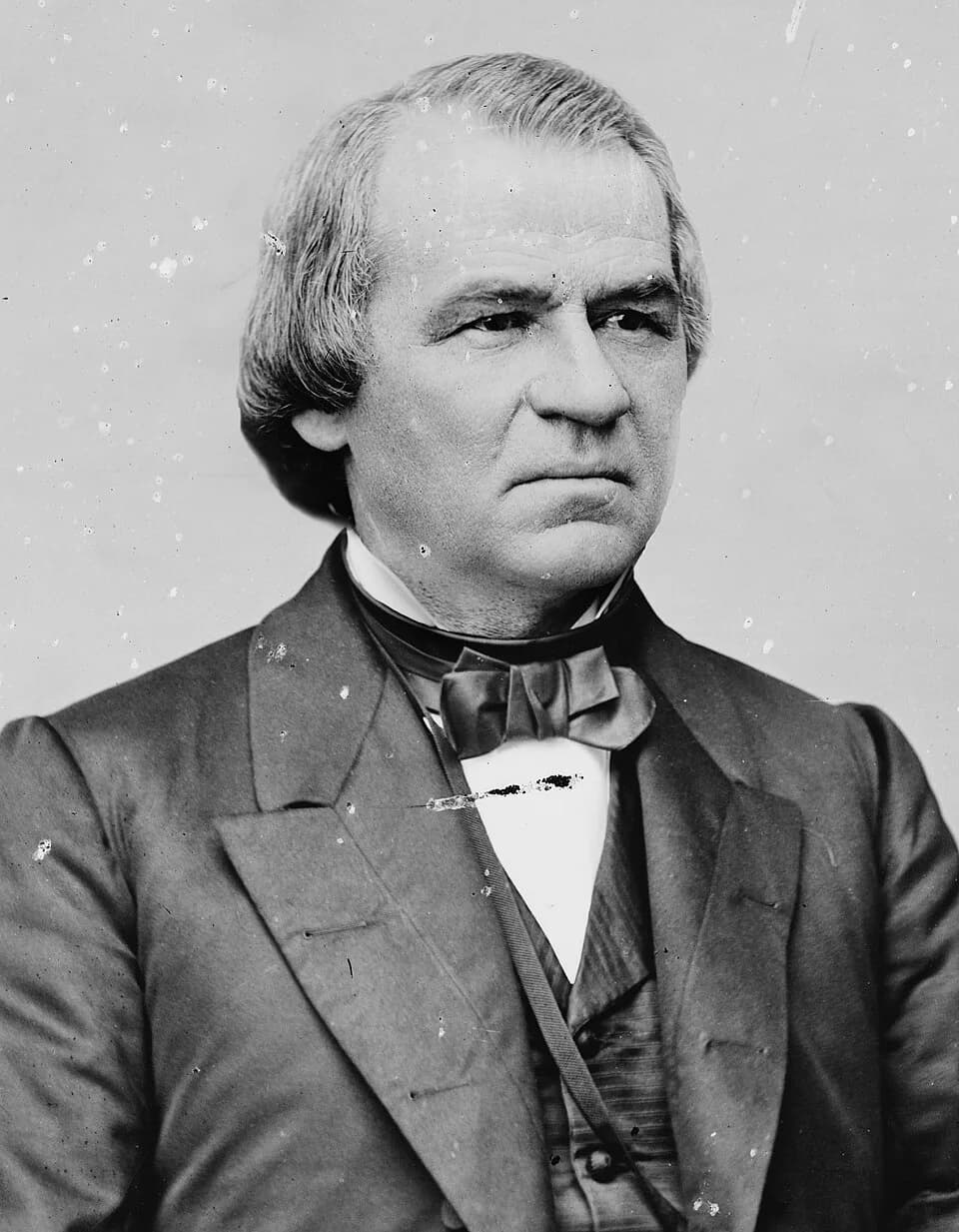
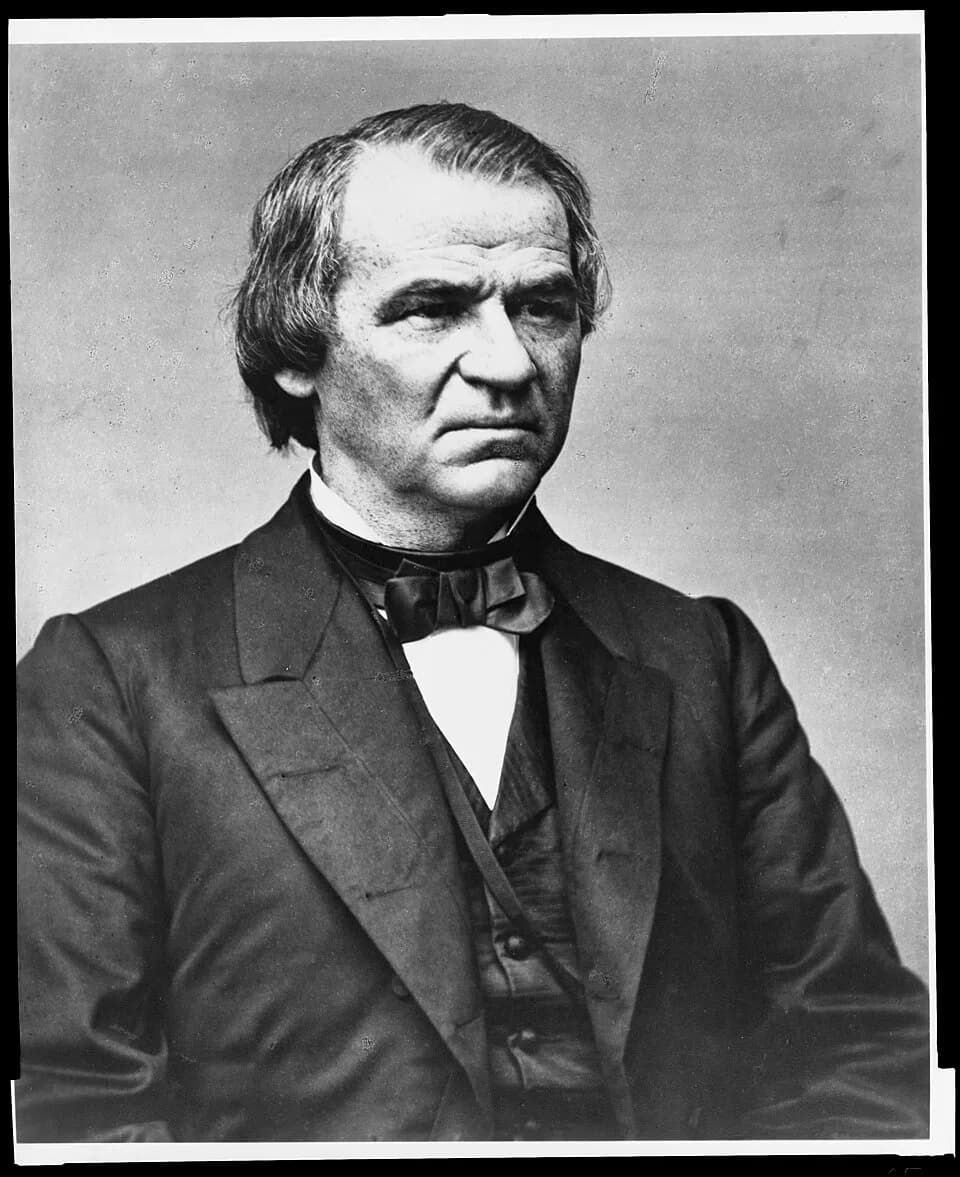
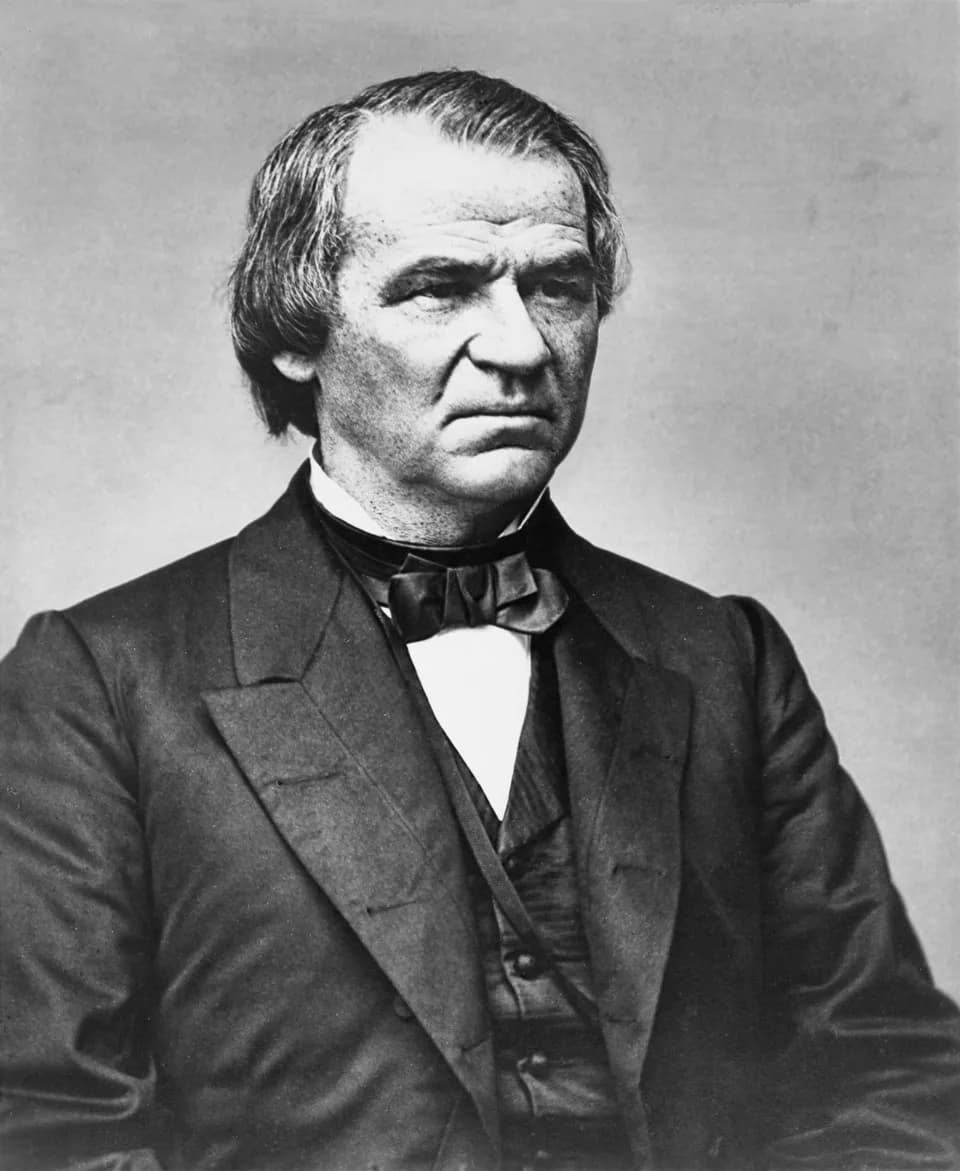
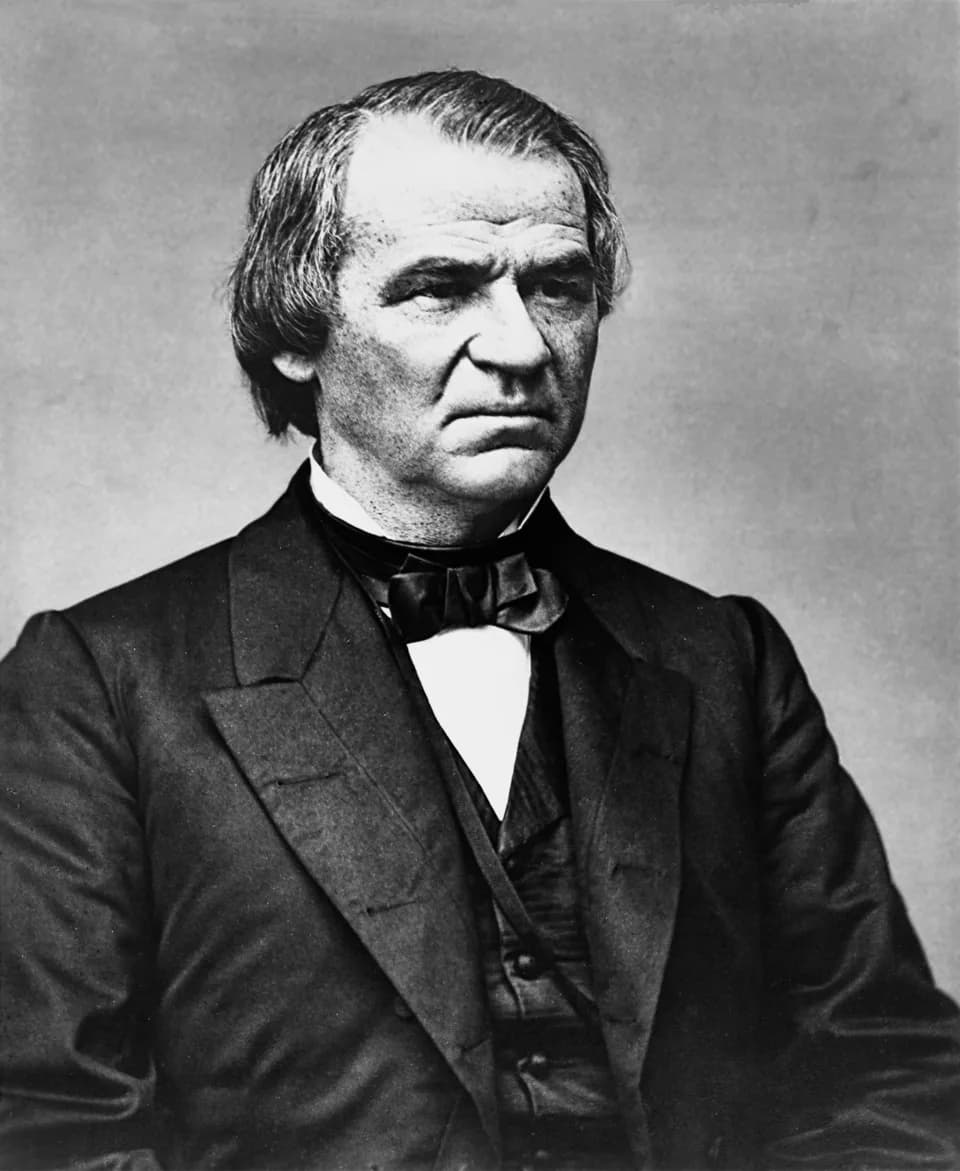
Andrew Johnson (1808–1875) was United States best known for President of the United States from 1865 to 1869.
Andrew Johnson (December 29, 1808 – July 31, 1875) was a statesperson and the 17th President of the United States. He assumed the presidency after Abraham Lincoln's assassination, overseeing a period of Reconstruction following the Civil War. His policies led to conflict with Congress, culminating in his impeachment and subsequent acquittal.
لمحوں میں ایک زندگی
وہ لمحے جنہوں نے ایک زندگی کو تشکیل دیا
باب
زندگی کے ابواب
باب 1 · 1808· 7 میں سے باب 1
Early Life and Origins
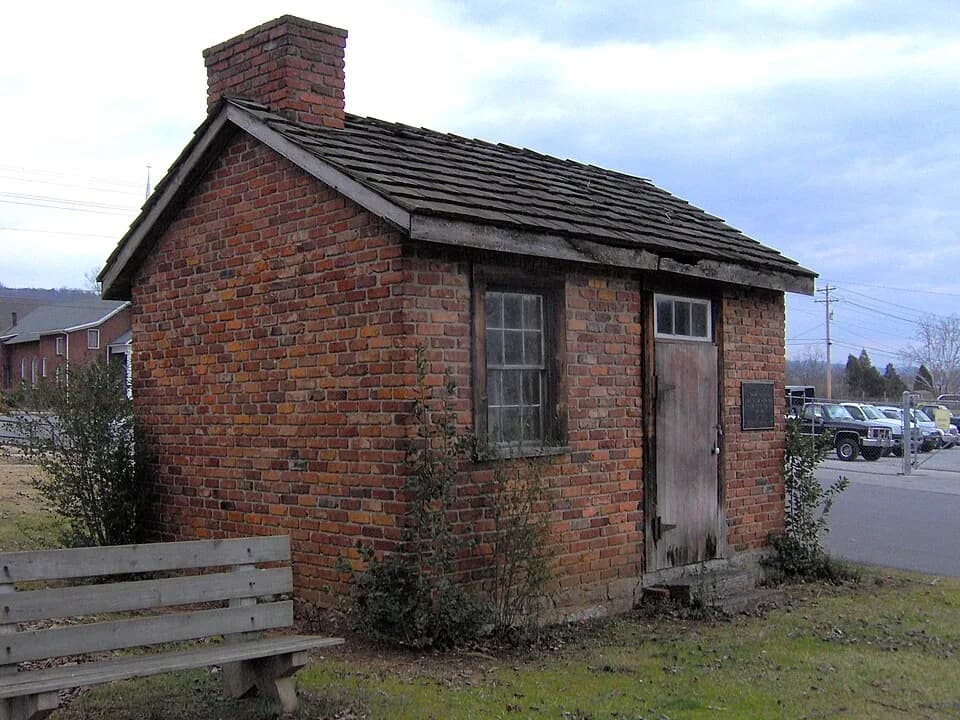
Andrew Johnson was born in Raleigh, United States, on December 29, 1808. His early years were shaped by a modest background, which instilled in him a strong sense of self-reliance and a connection to the common people. Before his entry into the political arena, Johnson pursued the profession of a tailor, developing a trade that would provide him with a livelihood.
This early experience as a tailor underscores the self-made nature of his rise in American society. It speaks to a journey where personal determination and skill in a craft paved the way for later civic engagement. His life story from these early beginnings reflects a classic narrative of upward mobility through perseverance in the young American republic.
باب 2· 7 میں سے باب 2
Rise Through Public Service
Johnson's career in public service began at the local level, where he first served as a mayor. This initial foray into local governance provided him with practical experience in civic leadership and the complexities of community administration. From there, his political ambitions and capabilities propelled him into broader political roles, evolving into a seasoned politician.
He further ascended the ranks, taking on the demanding responsibilities of a governor, demonstrating an ability to manage state-level affairs. His continuous progression through these offices established him as a dedicated statesperson, deeply involved in the machinery of government. His experience also included service as a military officer, adding another dimension to his diverse professional background.
باب 3 · 1864· 7 میں سے باب 3
Vice Presidency and Ascension to the Presidency
A significant turn in Andrew Johnson's career came during the tumultuous period of the American Civil War. He was a War Democrat, representing a faction that supported the Union war effort despite their traditional party affiliation. This stance led him to run alongside Abraham Lincoln on the National Union Party ticket in the 1864 presidential election, securing the position of 16th Vice President.
His tenure as Vice President was tragically cut short when he assumed the presidency following the assassination of President Lincoln in 1865. This abrupt transition placed Johnson at the helm of a nation grappling with the immediate aftermath of the Civil War. He became the 17th President of the United States at a time of immense national healing and reconstruction.
باب 4 · 1865· 7 میں سے باب 4
Presidency and Reconstruction Policies
As president from 1865 to 1869, Andrew Johnson faced the monumental task of reuniting a fractured nation. He advocated for a swift restoration of the seceded states to the Union, believing in a more lenient approach toward the former Confederate states. This approach, however, did not include specific provisions or protections for the newly freed people who had formerly been enslaved.
Furthermore, Johnson favored pardoning ex-Confederates, aiming for a rapid reintegration of the Southern political and social structures. His policies reflected a vision for Reconstruction that contrasted sharply with many in the federal government. These decisions set the stage for significant political discord during his time in office.
باب 5· 7 میں سے باب 5
Conflict with Congress and Impeachment
President Johnson's Reconstruction policies led to profound conflict with the Republican Party-dominated U.S. Congress. The legislative branch sought more stringent measures to protect the rights of freed slaves and to rebuild the South, leading to a constitutional clash over the direction of the nation. This ideological divide deepened as Johnson vetoed numerous pieces of legislation aimed at securing civil rights for African Americans.
The escalating tensions culminated in his impeachment by the House of Representatives in 1868, marking a significant moment in American political history. He faced charges primarily related to his defiance of the Tenure of Office Act. Despite the impeachment by the House, he was ultimately acquitted in the Senate, surviving conviction by a single vote, thus retaining his office.
باب 6 · 1875· 7 میں سے باب 6
Later Years and Final Days
Following his presidency, Andrew Johnson remained a figure of interest in American politics, although details of his immediate post-presidential activities are not extensively detailed in the provided information. He concluded his life on July 31, 1875, in Elizabethton, United States. His passing marked the end of a life characterized by public service, political struggle, and a steadfast commitment to his constitutional interpretations.
باب 7· 7 میں سے باب 7
Legacy and Enduring Impact
Andrew Johnson's legacy is intricately tied to the Reconstruction era and the deep divisions that followed the Civil War. His presidency is remembered for the constitutional struggles between the executive and legislative branches, particularly concerning the extent of presidential power. His approach to reuniting the nation, while controversial, highlights the complex challenges of that period.
His actions during Reconstruction, particularly regarding the status of newly freed people and the former Confederate states, continue to be subjects of historical study and debate. Johnson's unique journey from a tailor to the presidency, coupled with his role during a critical juncture in American history, ensures his enduring place in the national narrative.
اکثر پوچھے گئے سوالات
اکثر پوچھے گئے
Andrew Johnson کب وفات پا گئے؟
Andrew Johnson 31 جولائی، 1875 کو Elizabethton, United States میں وفات پا گئے، 66 سال کی عمر میں۔
Andrew Johnson کہاں پیدا ہوئے؟
Andrew Johnson Raleigh, United States میں 29 دسمبر، 1808 کو پیدا ہوئے۔
Andrew Johnson کس چیز کے لیے سب سے زیادہ مشہور ہیں؟
Andrew Johnson President of the United States from 1865 to 1869 کے لیے سب سے زیادہ مشہور ہیں۔
وفات کے وقت Andrew Johnson کی عمر کیا تھی؟
وفات کے وقت Andrew Johnson کی عمر 66 سال تھی۔
Andrew Johnson کی قومیت کیا تھی؟
Andrew Johnson کا تعلق United States سے تھا۔
ٹائم لائن
ایک نظر میں زندگی
تصویری گیلری
تصاویر میں ایک زندگی
بڑا کرنے کے لیے کسی بھی پولیرائیڈ پر کلک کریں · 24 تصاویر
QR کوڈ
یہ سوانح عمری شیئر کریں
پرنٹ کریں اور شیئر کریں
اس سوانح عمری کے صفحے کو دیکھنے کے لیے اسکین کریں۔ تقریبات، نمائشوں، یا تعلیمی مواد کے لیے پرنٹ کریں۔