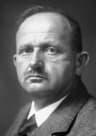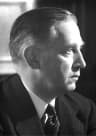
Ipinanganak
January 24, 1891
Genthin, Germany
Pumanaw
April 21, 1945
Ratingen, Germany
Kilala sa
German field marshal
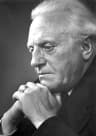
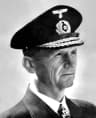
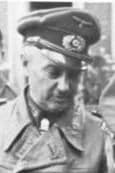
Walter Model (1891–1945) was Germany best known for German field marshal.
Otto Moritz Walter Model (January 24, 1891 – April 21, 1945) was a German field marshal. He gained renown for his aggressive early command and later mastery of defensive warfare during World War II. His strategic contributions shaped important battles, solidifying his military legacy.
Kabanata
Mga kabanata ng buhay
Kabanata 1 · 1891· Kabanata 1 ng 6
Early Life and Origins
Walter Model was born on January 24, 1891, in Genthin, a town in the Prussian Province of Saxony, Germany. Details about his family background and early upbringing are not explicitly provided in available records. However, his birthplace suggests a connection to the martial traditions prevalent in Prussia during that era, setting the stage for his future military path.
Kabanata 2· Kabanata 2 ng 6
Career Beginnings
Model embarked on a career as a military officer, a path that would eventually lead him to the highest echelons of command. While specific early assignments are not detailed, his initial years in the military laid the foundation for his later strategic development. These formative experiences undoubtedly shaped his understanding of battlefield dynamics and leadership principles, preparing him for the complexities of future conflicts.
Kabanata 3· Kabanata 3 ng 6
Major Achievements and Career Highlights
Model's career during World War II was marked by a dynamic shift in his strategic approach. Initially, he gained recognition as a hard-driving, aggressive panzer commander, demonstrating audacious offensive capabilities in the early phases of the war. This early prowess was particularly evident where his units made significant advances, showcasing his tactical daring.
However, it was his subsequent command of the Ninth Army that truly defined his reputation and career trajectory. In the grueling battles of 1941–1942, Model showcased exceptional skill in defensive warfare, often turning potential defeats into resilient stands. His strategic brilliance in these engagements earned him high commendation and solidified his position as a master of defensive tactics, ultimately leading to his promotion to Generalfeldmarschall.
Kabanata 4· Kabanata 4 ng 6
Notable Works or Contributions
Model's most significant contributions lie in his practical application of defensive warfare doctrines. He was not a theoretician who published treatises, but rather a field practitioner whose leadership demonstrated the effectiveness of well-executed defense under immense pressure. His command of the Ninth Army served as a real-world demonstration of how to halt enemy advances, organize stubborn resistance, and conduct effective counter-attacks even when outnumbered and outgunned.
These contributions were primarily tactical and operational, directly influencing the outcomes of critical battles and offering valuable lessons in military resilience. His approach emphasized flexibility, resourcefulness, and a deep understanding of terrain and enemy capabilities. Model consistently sought to maximize the defensive potential of his forces, even in desperate situations.
Kabanata 5 · 1945· Kabanata 5 ng 6
Later Years
Walter Model's life came to an end on April 21, 1945, in Ratingen, Germany, during the final days of World War II. Facing overwhelming enemy forces and the collapse of the German military, his death occurred as the conflict reached its devastating conclusion. His passing marked the end of a distinguished career dedicated to military service, spanning both offensive and defensive strategic phases.
Kabanata 6· Kabanata 6 ng 6
Legacy and Impact
Walter Model's legacy is firmly established in military history as a skilled and adaptable military commander. He is best remembered for his mastery of defensive warfare, a reputation forged through his successful command of the Ninth Army in challenging circumstances. His ability to organize effective defenses and conduct tenacious resistance in difficult situations provided valuable lessons for future military strategists.
Model's tactical and operational methods continued to be studied for their efficacy in delaying and repelling superior forces, marking him as a figure of enduring interest in military academies worldwide. His career serves as a historical case study in adapting command styles and strategic focus based on evolving battlefield realities.
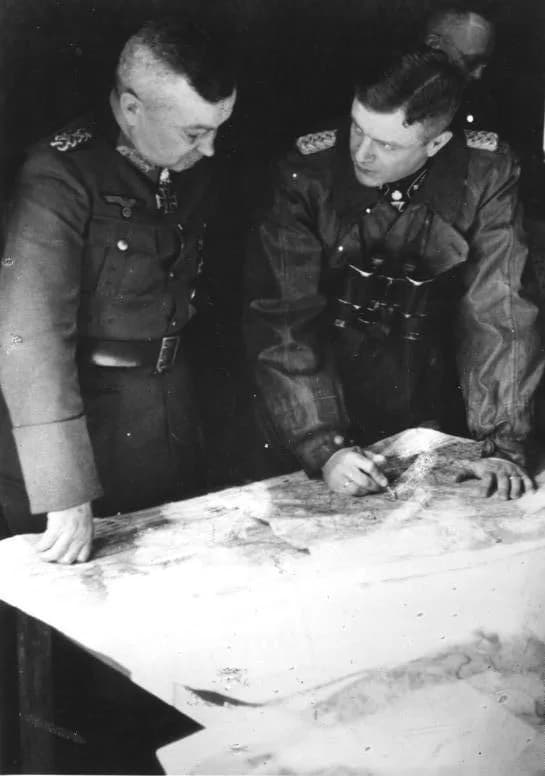
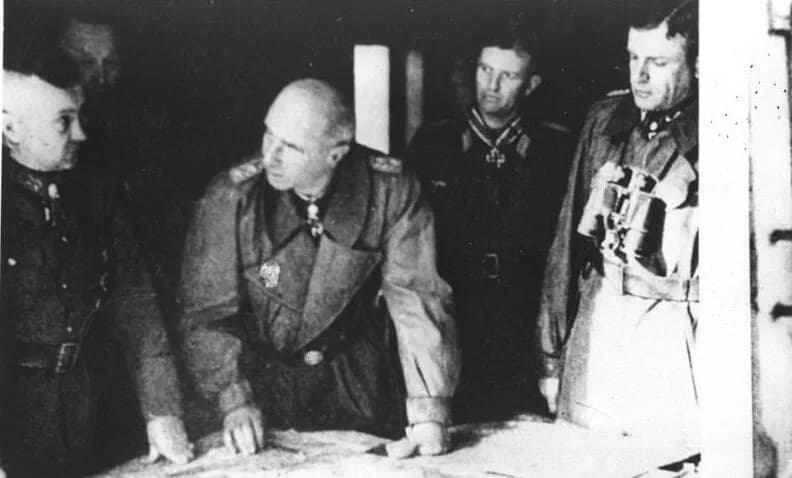
Isang buhay sa mga sandali
Ang mga sandaling humubog sa isang buhay
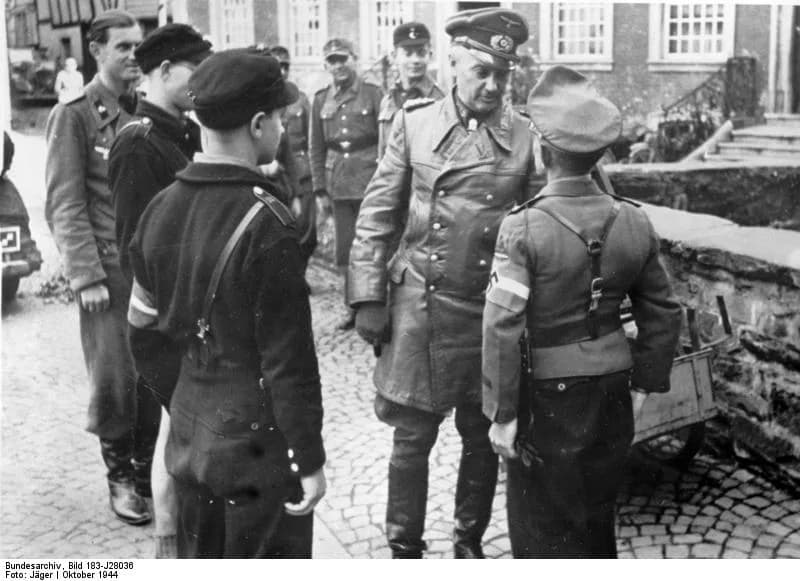
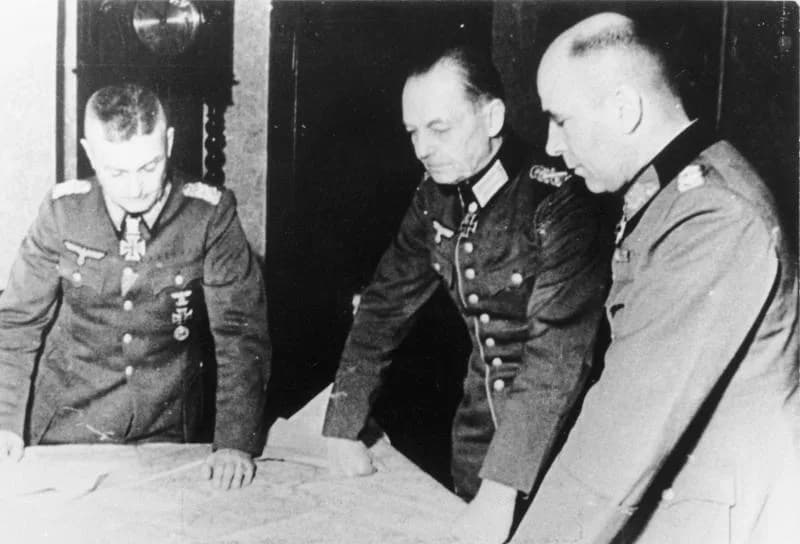
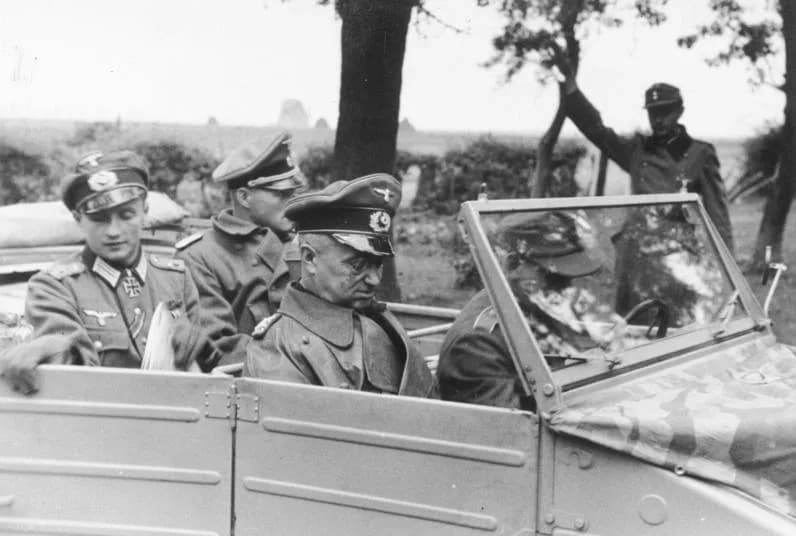
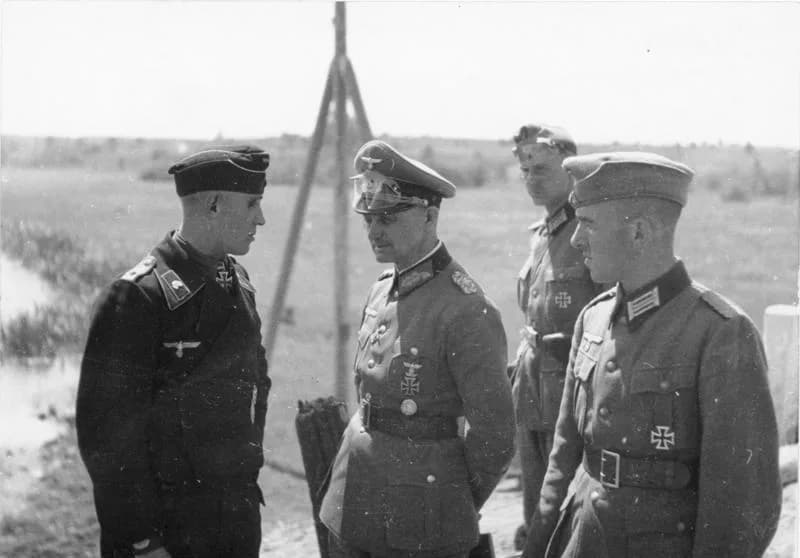
FAQ
Mga madalas itanong
Kailan namatay si Walter Model?
Namatay si Walter Model noong Abril 21, 1945 sa Ratingen, Germany, sa edad na 54.
Saan ipinanganak si Walter Model?
Ipinanganak si Walter Model sa Genthin, Germany noong Enero 24, 1891.
Para saan kilala si Walter Model?
Si Walter Model ay kilala sa German field marshal.
Ilang taong gulang si Walter Model nang siya ay namatay?
Si Walter Model ay 54 taong gulang nang siya ay namatay.
Ano ang nasyonalidad ni Walter Model?
Si Walter Model ay galing sa Germany.
Timeline
Buhay sa isang sulyap
Photo gallery
Isang buhay sa mga larawan
I-click ang anumang polaroid upang palakihin · 24 na larawan
QR Code
Ibahagi ang Talambuhay na Ito
I-print at Ibahagi
I-scan upang bisitahin ang biography page na ito. I-print para sa mga kaganapan, eksibisyon, o materyal pang-edukasyon.