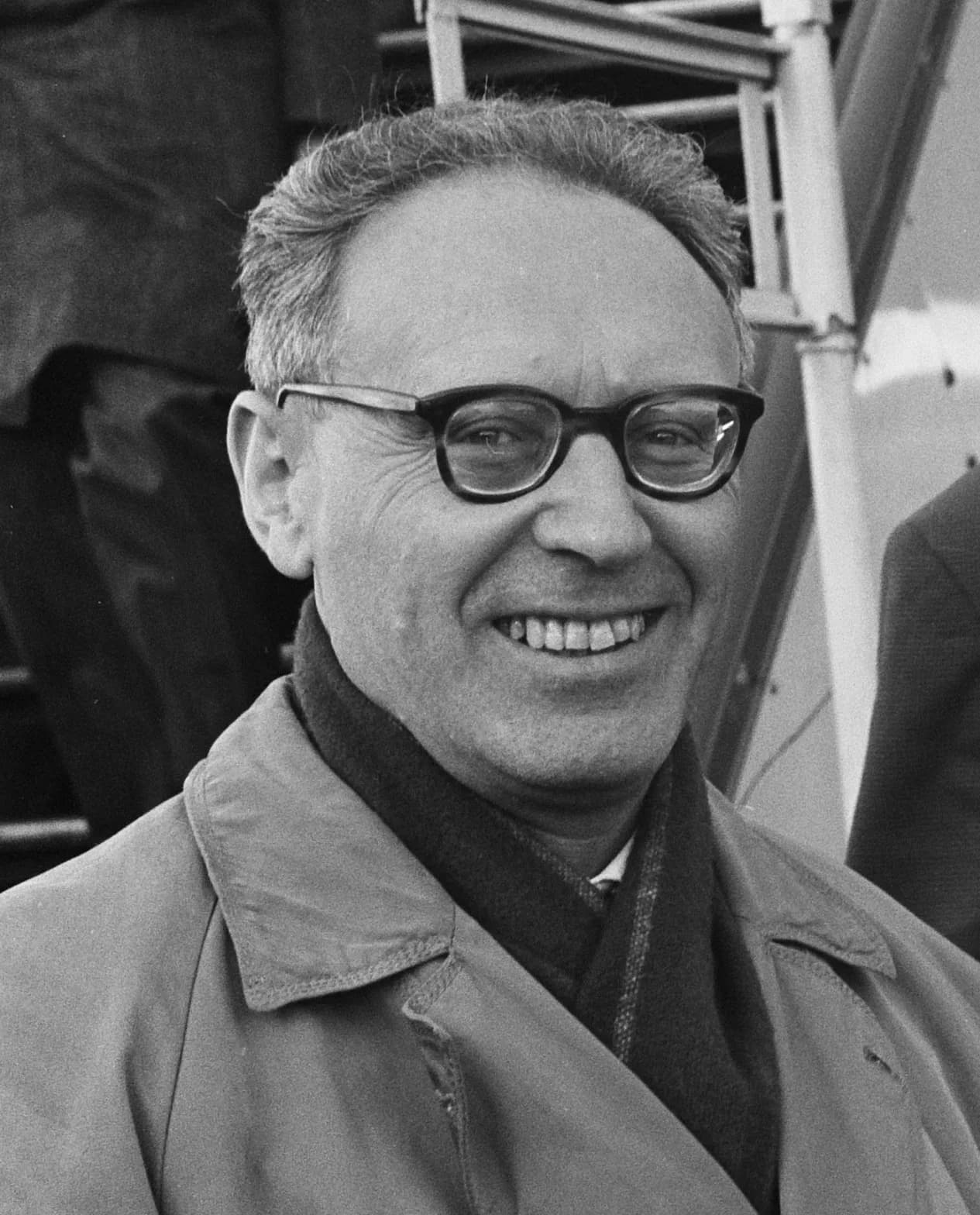
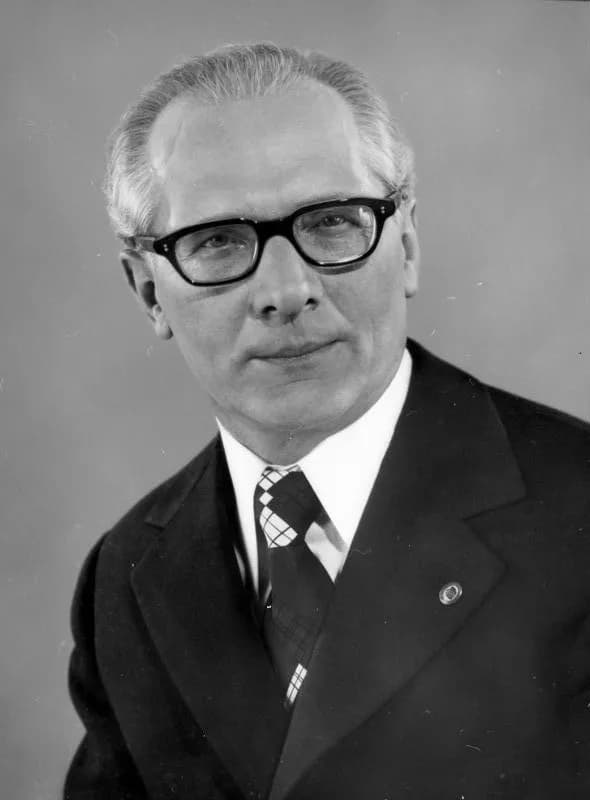
Ipinanganak
August 25, 1911
Lộc Thủy, Vietnam
Pumanaw
October 4, 2013
Hanoi, Vietnam
Kilala sa
Vietnamese general and communist politician
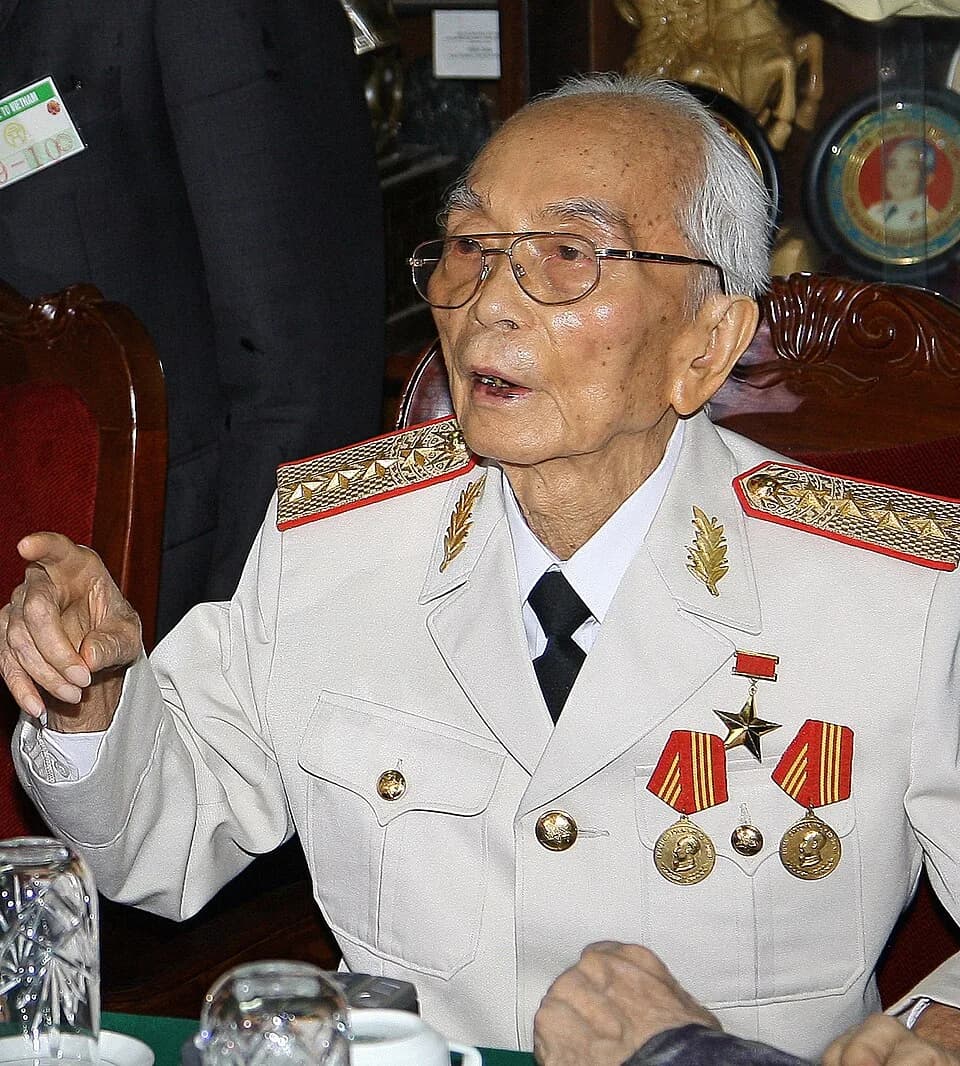
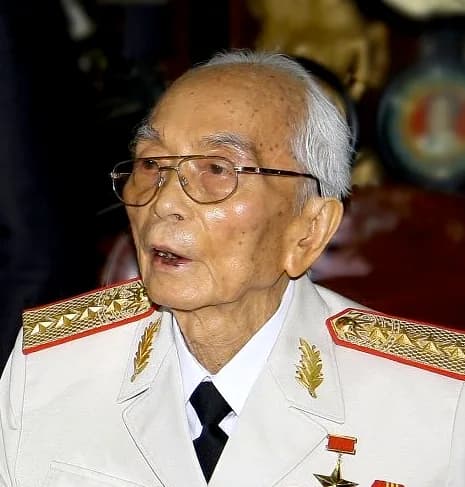
Võ Nguyên Giáp (1911–2013) was Vietnam best known for Vietnamese general and communist politician.
Võ Nguyên Giáp (August 25, 1911 – October 4, 2013) was a Vietnamese general and communist politician. He famously led Vietnamese communist military forces to victory in the decades-long Indochina wars, earning renown as a brilliant military strategist. His legacy significantly shaped modern Vietnam.
Isang buhay sa mga sandali
Ang mga sandaling humubog sa isang buhay
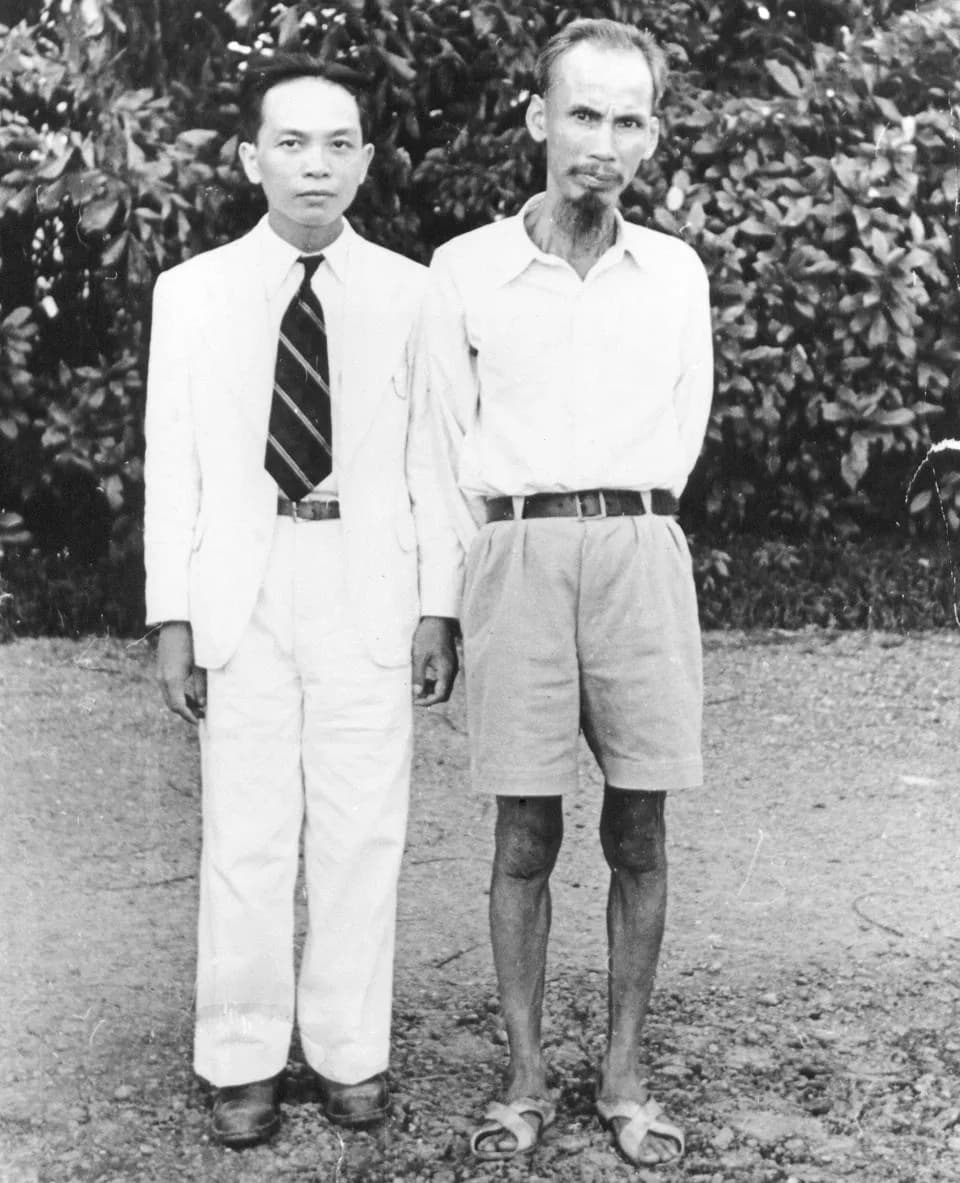
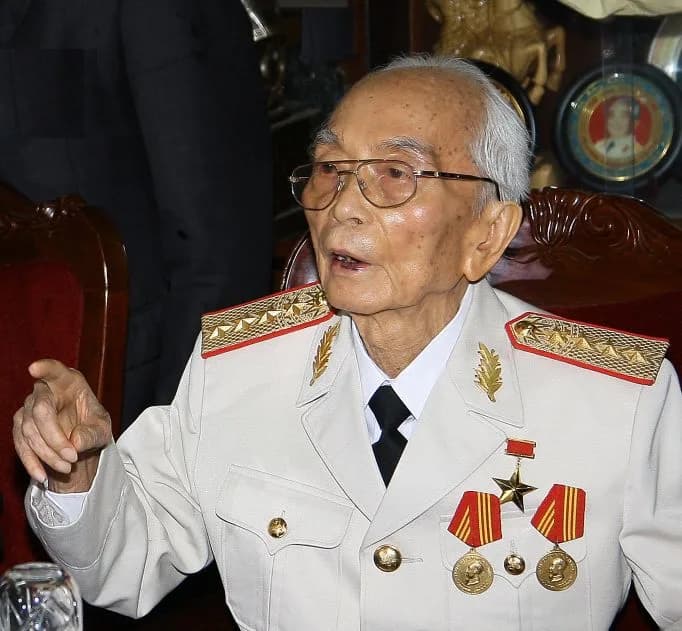
Kabanata
Mga kabanata ng buhay
Kabanata 1 · 1911· Kabanata 1 ng 7
A Life Dedicated to Vietnam's Future
Võ Nguyên Giáp (1911–2013) was a towering figure in Vietnamese history, renowned as a general, military personnel, politician, and statesperson. He also pursued passions as a writer and journalist during his long and influential life. Giáp's strategic brilliance guided Vietnam through decades of conflict, significantly shaping the nation's destiny and leaving an enduring mark on global military thought. His journey from Lộc Thủy to Hanoi was one of relentless dedication to his country's independence and sovereignty.
Kabanata 2 · 1911· Kabanata 2 ng 7
Early Life and Origins
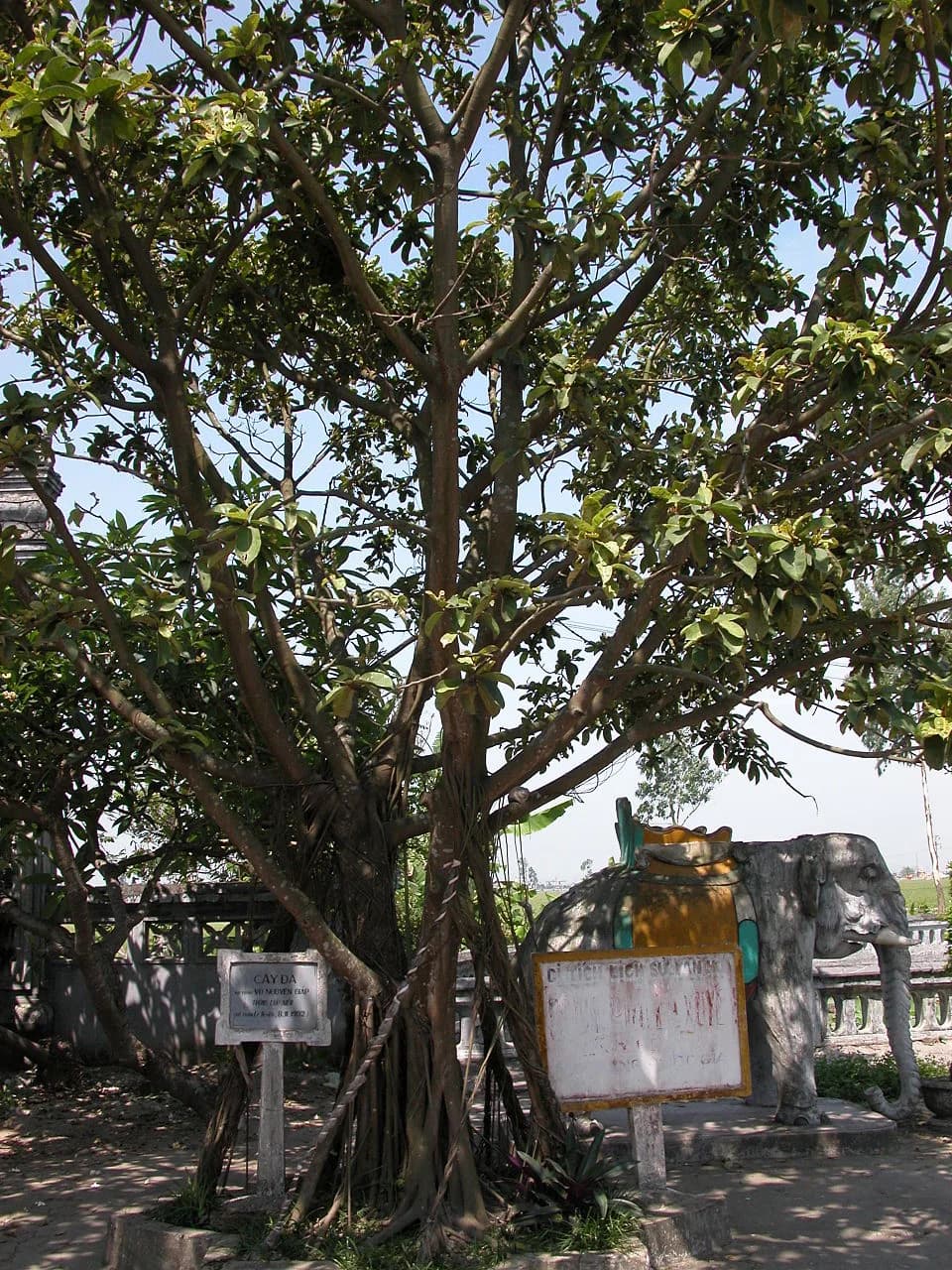
Born on August 25, 1911, in Lộc Thủy, Vietnam, Võ Nguyên Giáp's early life was rooted in a nation grappling with colonial rule. While specific details about his family and upbringing are not extensively provided, his environment undoubtedly fostered an early awareness of the struggles for national liberation. This foundational period laid the groundwork for his future commitment to revolutionary ideals and his emergence as a key leader.
Kabanata 3 · 1941· Kabanata 3 ng 7
Career Beginnings
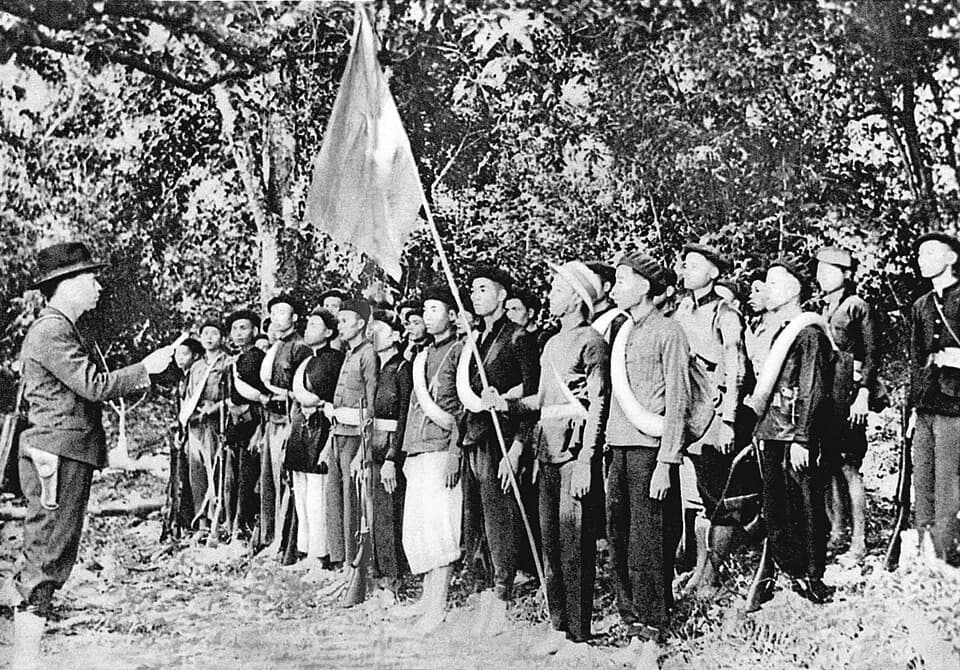
Võ Nguyên Giáp embarked on his extraordinary career as a communist revolutionary and politician, driven by the desire for Vietnamese independence. He quickly distinguished himself as a formidable military leader. From 1941, he assumed the crucial role of military commander of the Việt Minh, an emerging nationalist and communist liberation movement. This early leadership position placed him at the forefront of the independence movement, setting the stage for his decades-long command.
Kabanata 4 · 1941· Kabanata 4 ng 7
Major Achievements and Career Highlights
Giáp's career was marked by a series of significant achievements and central leadership roles in the Indochina wars. He famously led Vietnamese communist military forces to victory across decades of conflict, earning him widespread recognition as a highly regarded military strategist. His tactical acumen and visionary approach to warfare led to significant successes. His command of the Việt Minh and later the People's Army extended from 1941 to 1972, encompassing crucial periods of struggle for national liberation.
Beyond his military prowess, Giáp also held prominent political offices. He served as Minister of Defense for the Democratic Republic of Vietnam in 1946–1947 and again for both the Democratic Republic of Vietnam and the Socialist Republic of Vietnam from 1948 to 1980. His long tenure in this critical role solidified his influence over the nation's defense policies and military development, overseeing periods of both intense conflict and crucial post-war rebuilding. He was also appointed Deputy Prime Minister, serving from 1955 to 1991, contributing significantly to national governance and directing critical efforts in the economic and social development of a newly unified Vietnam. Giáp was an esteemed member of the Politburo of the Communist Party of Vietnam, holding a central position in the country's political leadership and decision-making processes for many years.
Kabanata 5· Kabanata 5 ng 7
Notable Works or Contributions
As a prolific writer and intellectual, Võ Nguyên Giáp authored numerous influential works that articulated his military doctrines and historical perspectives. His contributions include "Vai trò chiến lược của dân quân tự vệ trong sự nghiệp chống Mỹ cứu nước vĩ đại của nhân dân ta," which examined the strategic role of self-defense militias in the war for national salvation against the United States. He also penned "Điện Biên Phủ, điẻ̂m hẹn lịch sử," a historical account reflecting on the decisive Battle of Điện Biên Phủ.
Other notable English-language titles include "The military art of people's war" and "People's war, People's Army," which became essential texts on his revolutionary military philosophy. Further works like "Những năm tháng không thẻ̂ nào quên" (Unforgettable Years), "National liberation war in Vietnam," and "Vo Nguyen Giap's Art of War" further explored the strategies and experiences of Vietnam's long struggle. His bibliography also features "The people's war for the defence of the homeland in the new era," "The South Vietnam People Will Win," and "Memoires 1946 1950 volume 1 t.1," offering significant insights into his leadership and historical events. These extensive writings not only document historical events but also serve as foundational texts for understanding modern revolutionary warfare.
Kabanata 6 · 1991· Kabanata 6 ng 7
Later Years
Võ Nguyên Giáp's later years saw him transition from active military command to continued political service and deep reflection. He remained Deputy Prime Minister until 1991, contributing to Vietnam's development in the post-unification era. Even after stepping down from key leadership roles, his wisdom and experience continued to be highly respected within Vietnam and internationally, making him a revered elder statesman. He dedicated time to writing his memoirs and historical analyses, ensuring that future generations could learn from his experiences. His final years were spent in Hanoi, where he passed away on October 4, 2013, at the remarkable age of 102.
Kabanata 7· Kabanata 7 ng 7
Legacy and Impact
The legacy of Võ Nguyên Giáp is deeply intertwined with the history of modern Vietnam and the broader narrative of anti-colonial struggles worldwide. His strategic genius as a military commander, particularly his ability to organize and lead a people's army against technologically superior forces, earned him a place among the most influential military figures of the 20th century. Giáp's doctrines on people's war and his application of these principles in the Indochina wars have been studied globally by military strategists and historians, offering a unique perspective on asymmetrical conflict. He is remembered not only for his military victories but also for his unwavering dedication to Vietnamese independence and his enduring contributions as a statesperson and political leader. His life stands as an example of perseverance and the power of national resolve.
FAQ
Mga madalas itanong
Kailan namatay si Võ Nguyên Giáp?
Namatay si Võ Nguyên Giáp noong Oktubre 4, 2013 sa Hanoi, Vietnam, sa edad na 102.
Saan ipinanganak si Võ Nguyên Giáp?
Ipinanganak si Võ Nguyên Giáp sa Lộc Thủy, Vietnam noong Agosto 25, 1911.
Para saan kilala si Võ Nguyên Giáp?
Si Võ Nguyên Giáp ay kilala sa Vietnamese general and communist politician.
Ilang taong gulang si Võ Nguyên Giáp nang siya ay namatay?
Si Võ Nguyên Giáp ay 102 taong gulang nang siya ay namatay.
Ano ang nasyonalidad ni Võ Nguyên Giáp?
Si Võ Nguyên Giáp ay galing sa Vietnam.
Timeline
Buhay sa isang sulyap
Photo gallery
Isang buhay sa mga larawan
I-click ang anumang polaroid upang palakihin · 50 na larawan
QR Code
Ibahagi ang Talambuhay na Ito
I-print at Ibahagi
I-scan upang bisitahin ang biography page na ito. I-print para sa mga kaganapan, eksibisyon, o materyal pang-edukasyon.