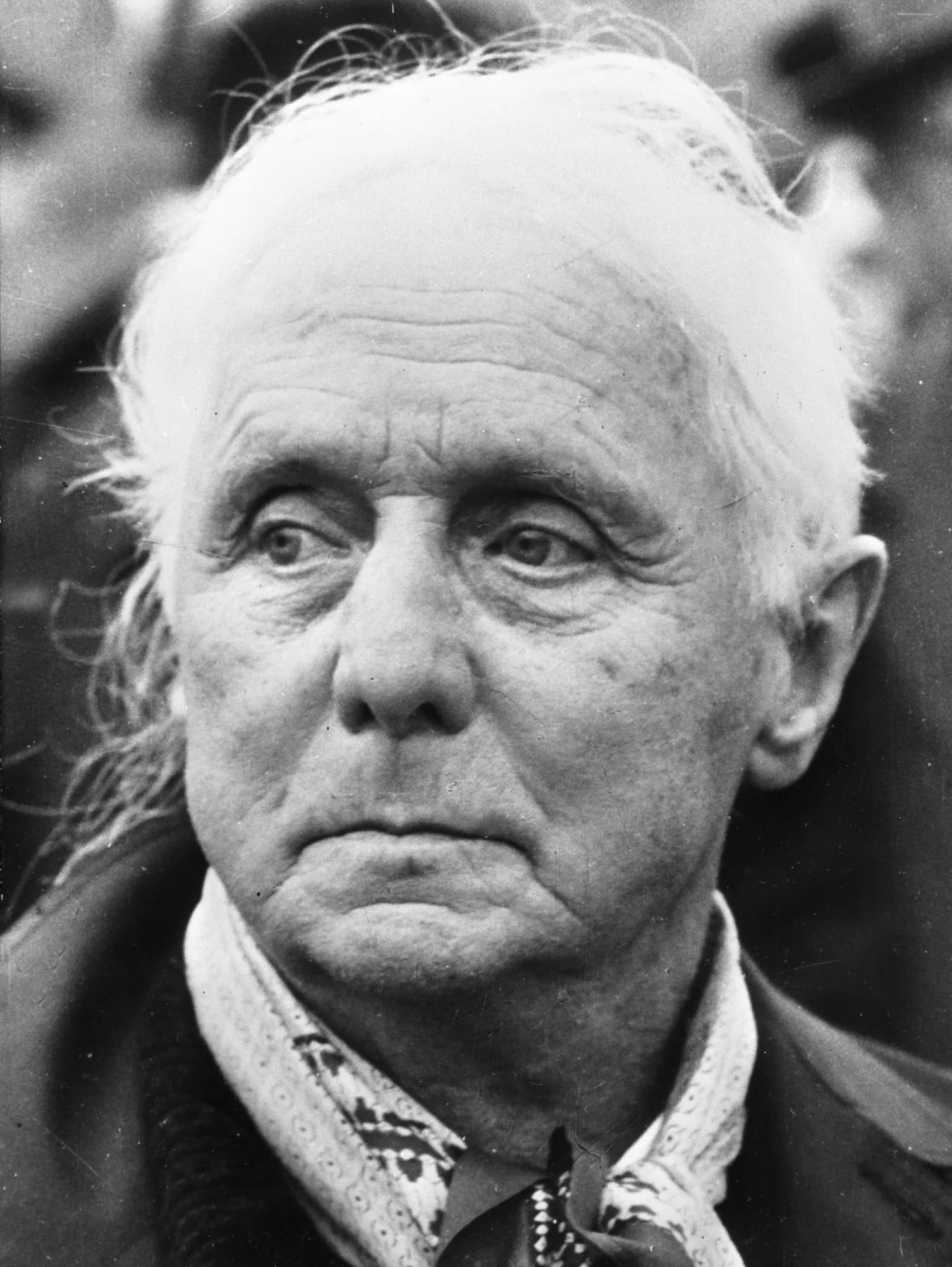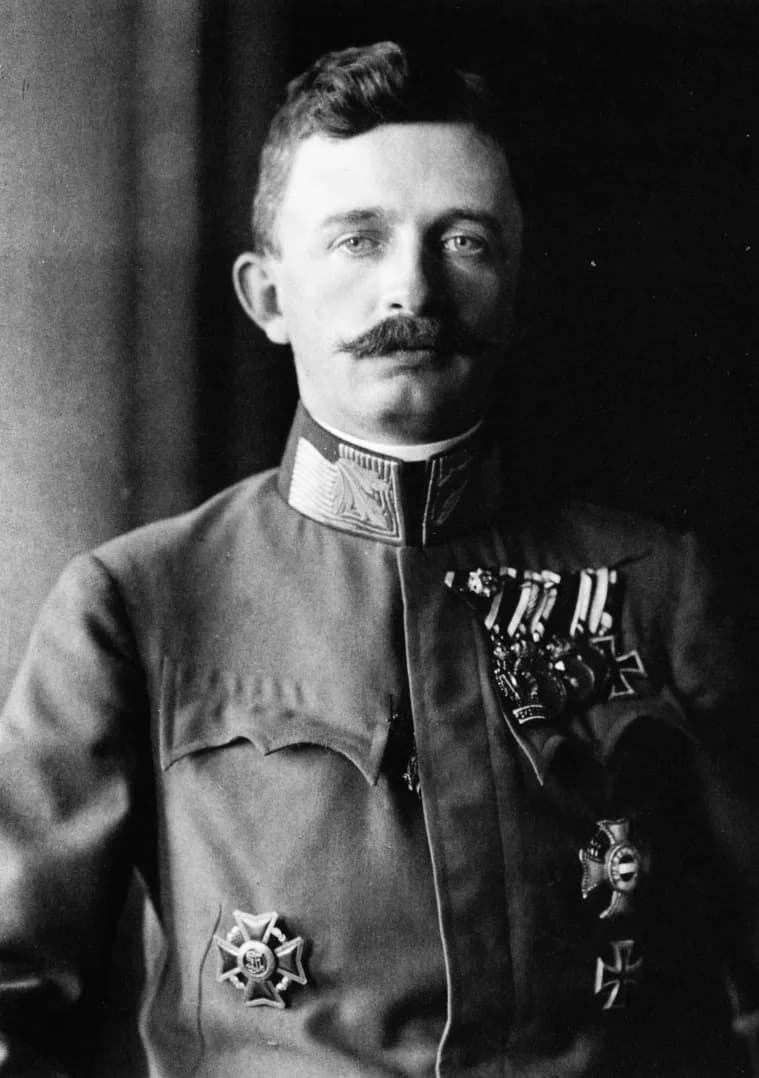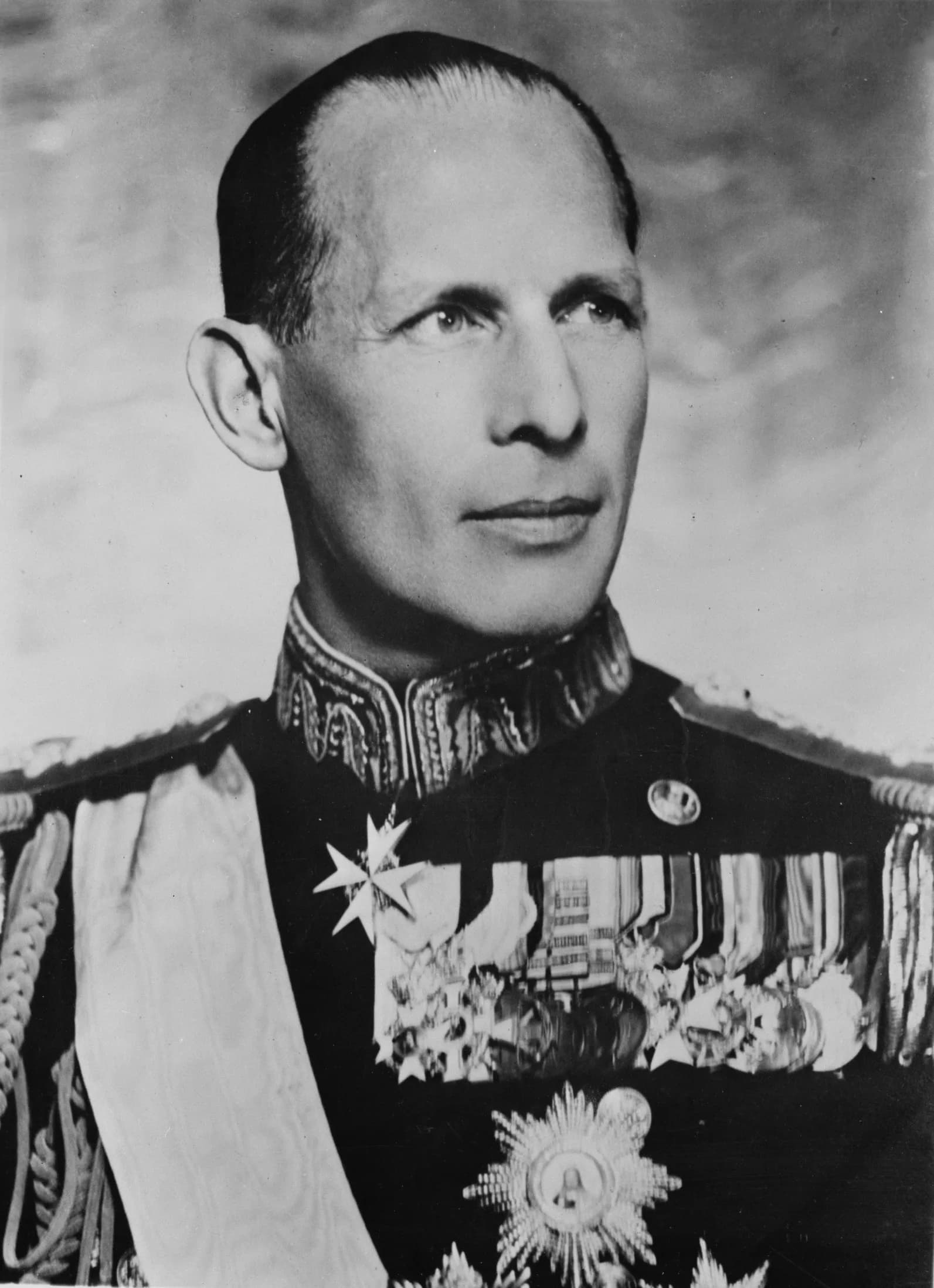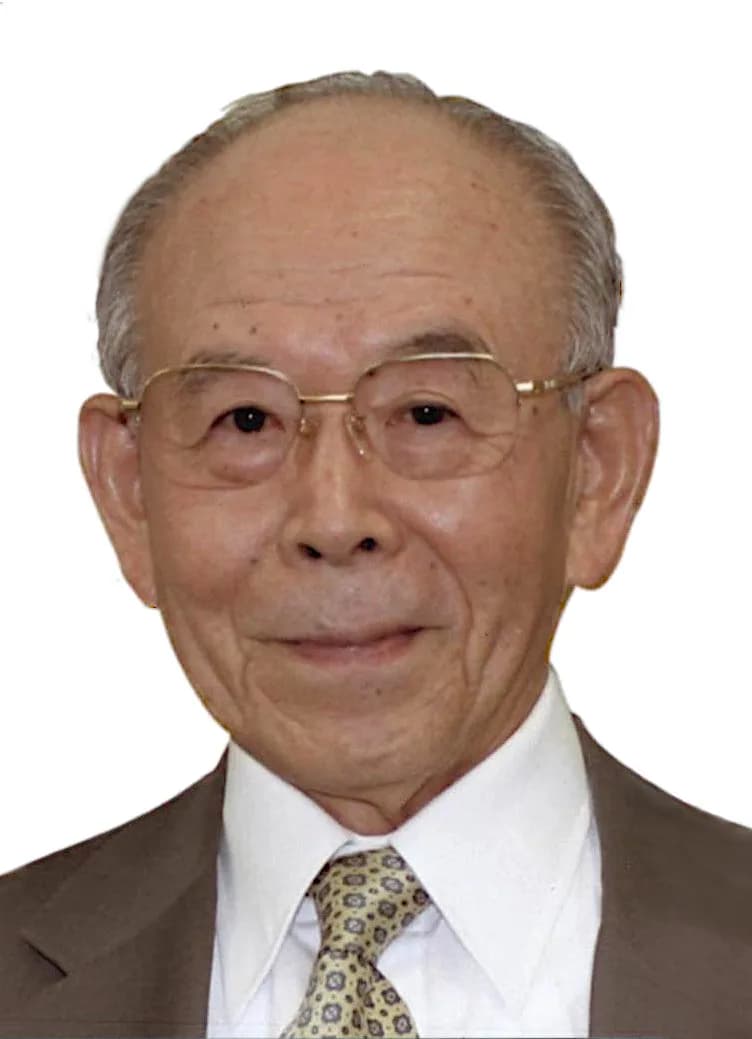
Ipinanganak
December 17, 1905
Rautjärvi, Finland
Pumanaw
April 1, 2002
Hamina, Finland
Kilala sa
Finnish military sniper
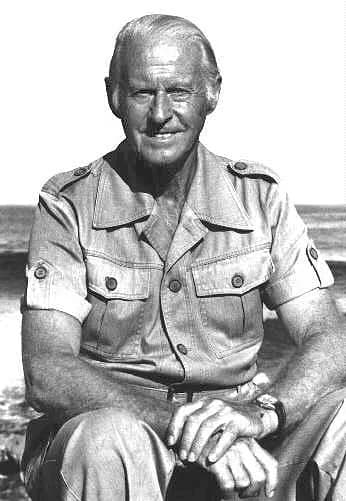
Simo Häyhä (1905–2002) was Finland best known for Finnish military sniper.
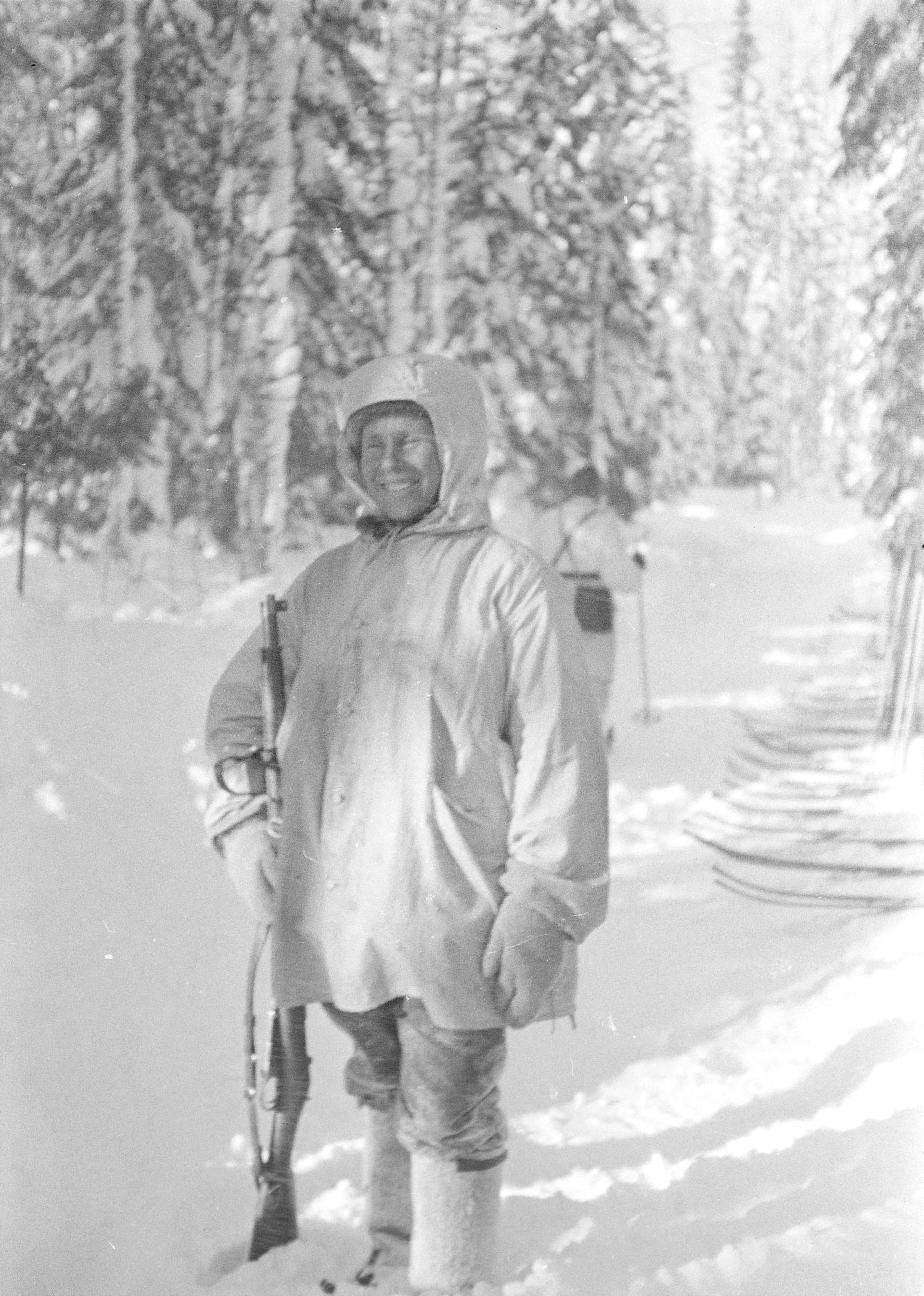
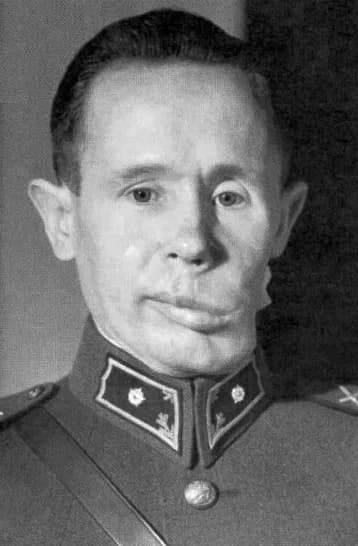
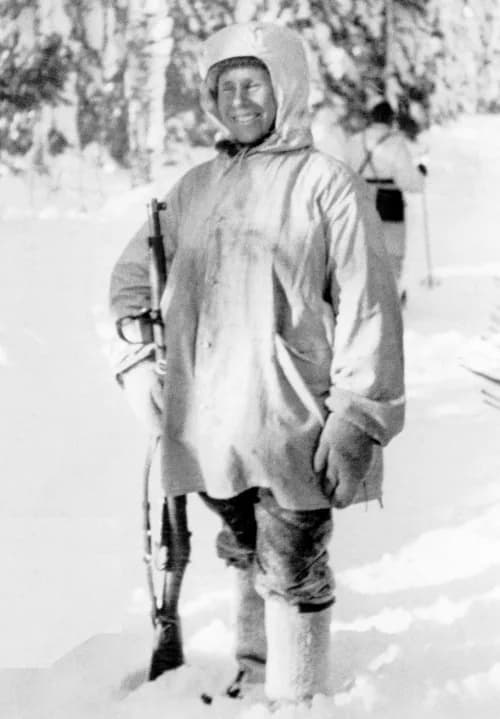
Simo Häyhä (December 17, 1905 – April 1, 2002) was a Finnish military sniper from Rautjärvi, Finland. Known as "The White Death," he is widely regarded as the deadliest sniper in history, credited with over 500 kills during the Winter War. His unparalleled precision and resilience left an enduring mark on military history.
Isang buhay sa mga sandali
Ang mga sandaling humubog sa isang buhay
Kabanata
Mga kabanata ng buhay
Kabanata 1 · 1905· Kabanata 1 ng 6
Introduction to a Legend
Simo Häyhä (December 17, 1905 – April 1, 2002) was a Finnish military sniper, renowned for his extraordinary skills during the Winter War. Often referred to by his formidable nickname, "The White Death," he earned a legendary status. Häyhä's life, rooted in rural Finland, would become synonymous with unparalleled precision and resilience in the face of conflict.
Kabanata 2 · 1905· Kabanata 2 ng 6
Early Life and Origins
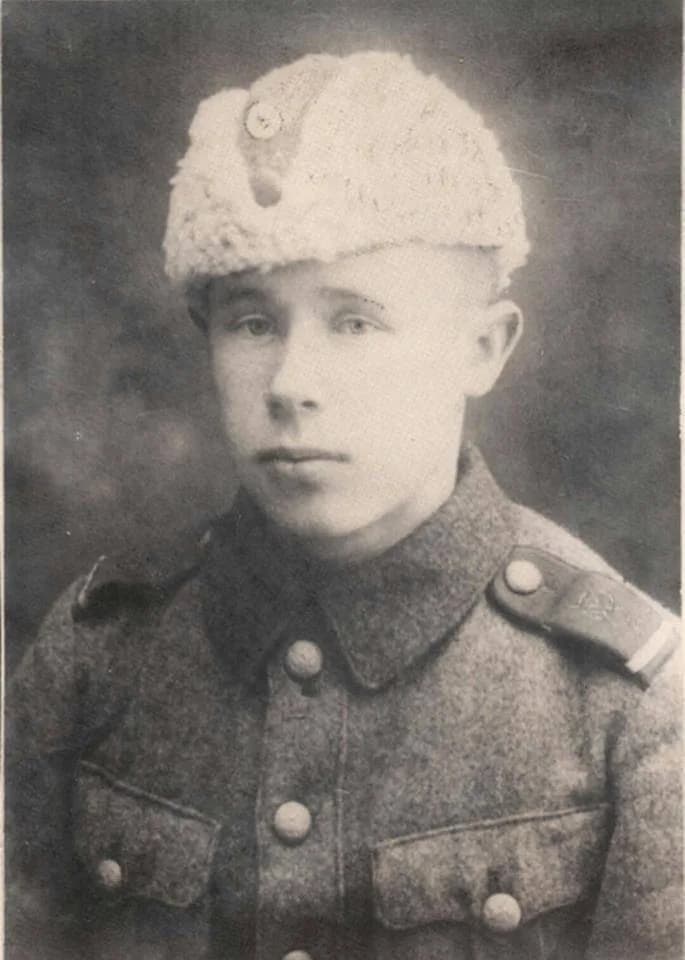
Born on December 17, 1905, in Rautjärvi, Finland, Simo Häyhä grew up immersed in the Finnish countryside. His early life as a farmer instilled in him a deep connection to the land and a strong work ethic. These formative years also saw him develop keen observational skills and patience, qualities essential for hunting.
His natural affinity for the outdoors extended to hunting, a common and practical skill in rural Finland. Häyhä honed his marksmanship long before military service, practicing with rifles and understanding animal behavior. This practical experience laid the groundwork for his future role as an exceptional sniper, blending seamlessly with his quiet demeanor and sharp senses.
Kabanata 3· Kabanata 3 ng 6
Career Beginnings: A Soldier's Path
Before the onset of the Winter War, Simo Häyhä had already served in the Finnish military, where he distinguished himself in marksmanship competitions. However, his legend truly began during the Winter War between Finland and the Soviet Union, a conflict that erupted during World War II. It was in this brutal, frozen landscape that his talents were truly put to the ultimate test.
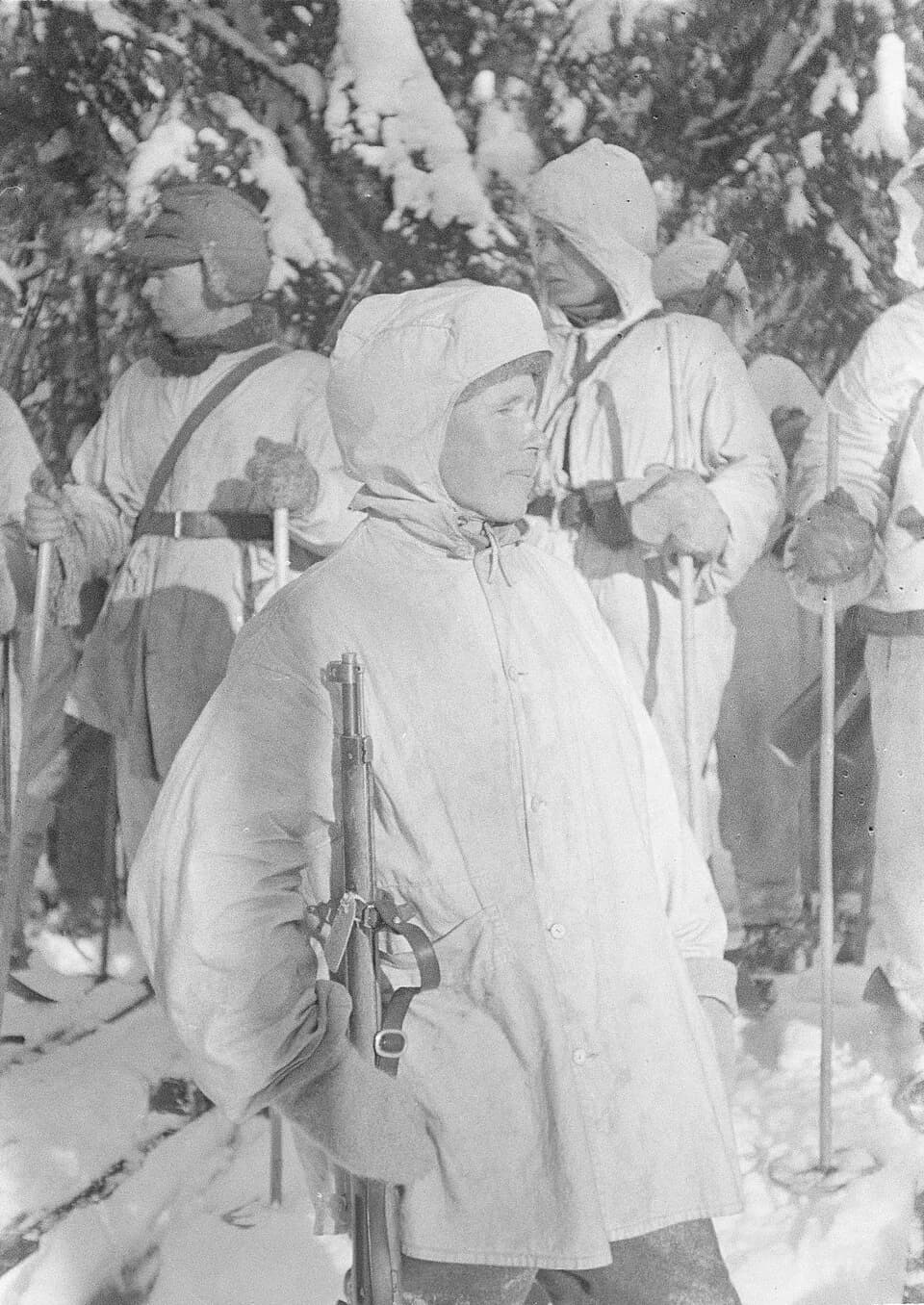
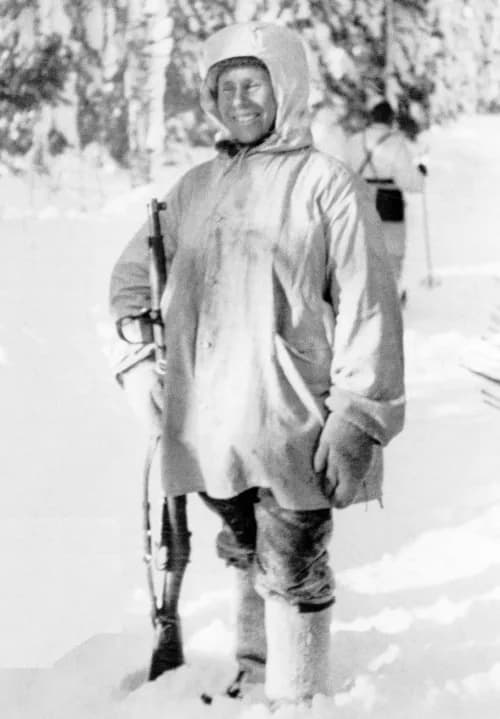
Deployed as a soldier and later a sniper, Häyhä utilized the unforgiving Finnish terrain to his advantage. He adopted tactics that made him nearly invisible, often operating alone in sub-zero temperatures. His profound understanding of the environment and his ability to blend into the snow-covered forests became key elements of his effectiveness.
Kabanata 4· Kabanata 4 ng 6
Major Achievements and Career Highlights
Simo Häyhä achieved an unprecedented record as a military sniper, primarily during the Winter War. He famously used a Finnish-produced M/28-30 rifle, a bolt-action weapon without a telescopic sight, preferring iron sights for its lower profile and reduced glint. His skill with this rifle, even in the harsh conditions, was exceptional.
In addition to his rifle, Häyhä also effectively employed a Suomi KP/-31 submachine gun for close-quarters engagements. His combined use of these weapons allowed him to operate flexibly in diverse combat scenarios. It is widely believed that he killed more than 500 enemy soldiers during the Winter War, a staggering figure achieved in less than 100 days of conflict.
This remarkable count of sniper kills remains the highest recorded in any major war, solidifying his reputation. Consequently, Simo Häyhä is universally regarded as the deadliest sniper in history. His extraordinary contribution helped slow the Soviet advance, inspiring his fellow Finnish soldiers and becoming a symbol of Finnish resistance.
Kabanata 5· Kabanata 5 ng 6
A Life Beyond the Battlefield
Beyond his military service, Simo Häyhä returned to his life as a farmer, demonstrating a quiet humility despite his legendary status. His proficiency extended to hunting, a skill that was not only a profession but also a lifelong interest. He was known for his dedication to these pursuits, embodying the resilient Finnish spirit.
Häyhä also engaged in dog breeding, another testament to his connection with animals and the outdoors. These aspects of his personal life, while less publicized than his wartime feats, painted a picture of a grounded individual. He lived a life of purpose and diligence, both during and after the intense period of conflict.
Kabanata 6 · 2002· Kabanata 6 ng 6
Later Years and Enduring Legacy
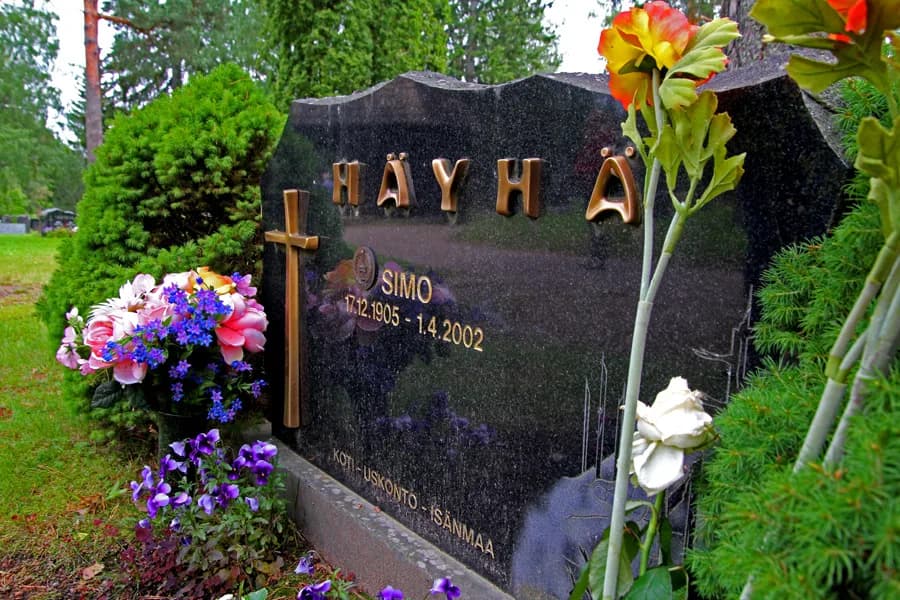
After the Winter War, Simo Häyhä lived a long life, passing away on April 1, 2002, in Hamina, Finland, at the age of 96. He continued his work as a farmer and hunter, maintaining a low profile. Despite his fame, he remained a humble figure, rarely speaking about his wartime experiences in detail.
His legacy as "The White Death" and the deadliest sniper in history endures in military history and popular culture. Häyhä's incredible precision, discipline, and effectiveness in the field set a benchmark for future generations of snipers. His story serves as a powerful reminder of individual courage and skill during wartime.
FAQ
Mga madalas itanong
Kailan namatay si Simo Häyhä?
Namatay si Simo Häyhä noong Abril 1, 2002 sa Hamina, Finland, sa edad na 96.
Saan ipinanganak si Simo Häyhä?
Ipinanganak si Simo Häyhä sa Rautjärvi, Finland noong Disyembre 17, 1905.
Para saan kilala si Simo Häyhä?
Si Simo Häyhä ay kilala sa Finnish military sniper.
Ilang taong gulang si Simo Häyhä nang siya ay namatay?
Si Simo Häyhä ay 96 taong gulang nang siya ay namatay.
Ano ang nasyonalidad ni Simo Häyhä?
Si Simo Häyhä ay galing sa Finland.
Timeline
Buhay sa isang sulyap
Photo gallery
Isang buhay sa mga larawan
I-click ang anumang polaroid upang palakihin · 25 na larawan
QR Code
Ibahagi ang Talambuhay na Ito
I-print at Ibahagi
I-scan upang bisitahin ang biography page na ito. I-print para sa mga kaganapan, eksibisyon, o materyal pang-edukasyon.