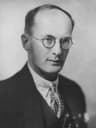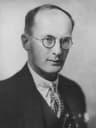
Ipinanganak
December 3, 1884
Ziradei Block, India
Pumanaw
February 28, 1963
Patna, India
Kilala sa
First President of the Republic of India
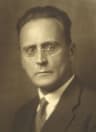
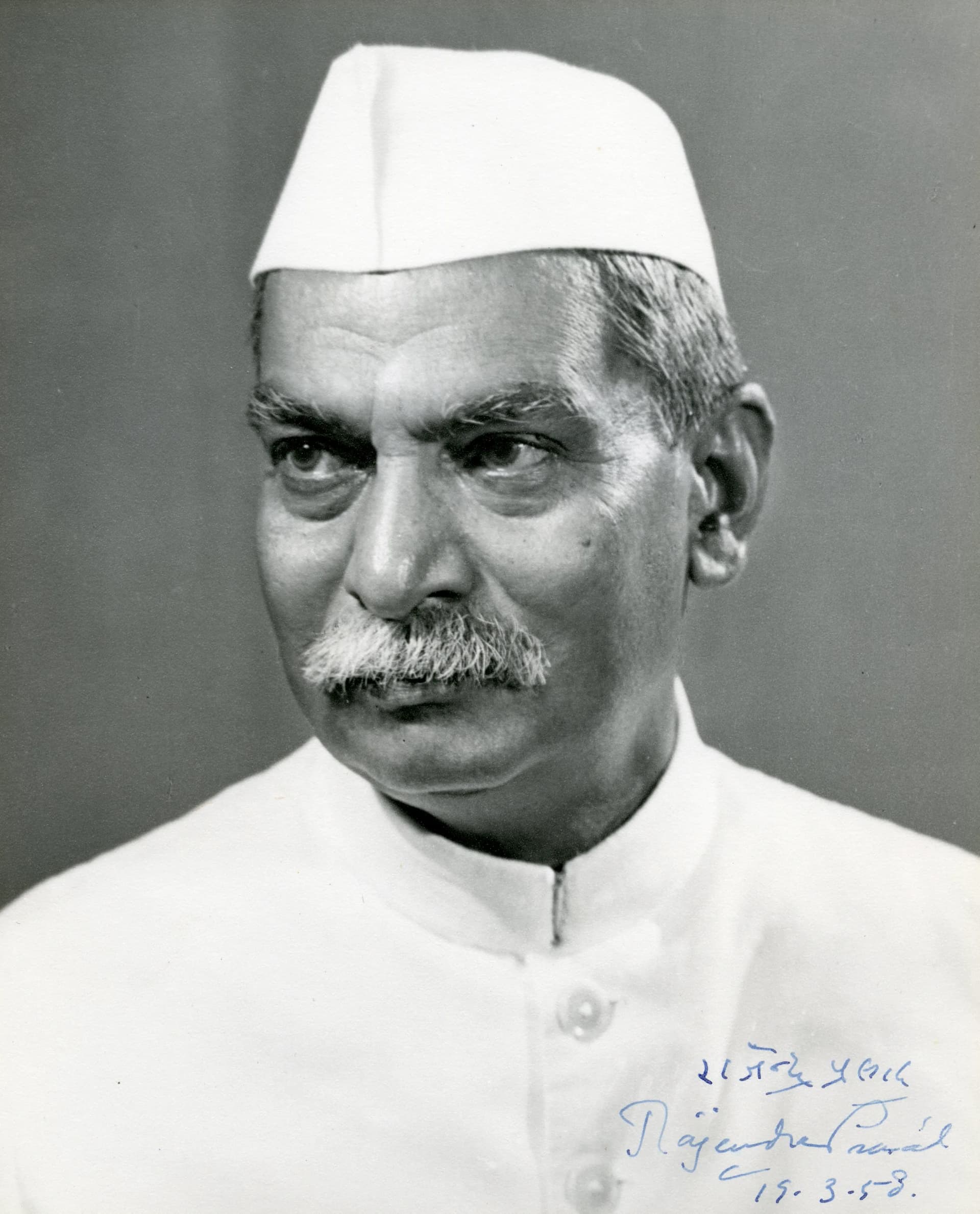
Rajendra Prasad (1884–1963) was India best known for First President of the Republic of India.
Rajendra Prasad (December 3, 1884 – February 28, 1963) was an Indian lawyer and politician. He served as the first President of the Republic of India for two terms, from 1950 to 1962. His leadership was vital in India's independence movement and the shaping of its constitution.
Kabanata
Mga kabanata ng buhay
Kabanata 1 · 1884· Kabanata 1 ng 6
Early Life and Origins
Rajendra Prasad's origins trace back to the Ziradei Block in India, where he was born on December 3, 1884. This region would shape his early understanding of the diverse fabric of Indian society. His formative years laid the groundwork for his future dedication to national service.
Kabanata 2· Kabanata 2 ng 6
Career Beginnings
Prasad’s professional life began in law, a field that equipped him with analytical skills and a deep understanding of justice. His innate sense of purpose soon drew him into the burgeoning Indian independence movement. He formally joined the Indian National Congress, a pivotal organization in the fight for self-rule.
Through his commitment and intellect, Prasad rapidly emerged as a prominent leader within the Congress party. His influence particularly grew from the region of Bihar, where he garnered significant support and respect. These early political engagements set the stage for his crucial contributions to India's future.
Kabanata 3· Kabanata 3 ng 6
Major Achievements and Career Highlights
Rajendra Prasad quickly became a fervent supporter of Mahatma Gandhi's principles of non-violent resistance and civil disobedience. His commitment to the independence cause led to direct confrontation with British authorities on multiple occasions. He faced imprisonment during significant nationalist actions, demonstrating his unwavering resolve.
Notably, Prasad was incarcerated by British authorities during the Salt Satyagraha of 1930, a landmark moment in India's struggle for freedom. He was again imprisoned during the Quit India movement of 1942, another powerful call for an end to British rule. These acts of defiance solidified his stature as a courageous leader in the national movement.
Following the crucial constituent assembly elections in 1946, Rajendra Prasad assumed significant administrative responsibilities. He served as the 1st Minister of Food and Agriculture in the central government, holding this vital portfolio from 1947 to 1948. This role was critical in managing the nation’s resources during a period of transition.
Kabanata 4 · 1947· Kabanata 4 ng 6
Notable Contributions
A crowning achievement in Rajendra Prasad's career came upon India's independence in 1947. He was elected as the President of the Constituent Assembly of India, an immensely important body. This assembly was tasked with the monumental responsibility of drafting the Constitution of India, a document that would define the sovereign nation's democratic framework.
Beyond drafting the constitution, the Constituent Assembly also served as India's provisional Parliament during the early years of independence. Prasad's leadership in this dual capacity was instrumental in establishing the legal and legislative foundations of the new republic. His guidance ensured a smooth transition from colonial rule to self-governance, embodying the aspirations of millions.
His most enduring contribution was his tenure as the first President of the Republic of India. He served two full terms, from the adoption of the Constitution in 1950 until 1962. During his presidency, he upheld the dignity of the office and provided stable leadership as India navigated its formative years as an independent nation.
Kabanata 5 · 1962· Kabanata 5 ng 6
Later Years
After a distinguished and lengthy career dedicated to public service, Rajendra Prasad concluded his second term as President in 1962. He then retired from the demanding responsibilities of the highest office. His retirement marked the end of an era of dedicated leadership and nation-building.
Rajendra Prasad passed away in Patna, India, on February 28, 1963. His death brought an end to a life that had witnessed and significantly influenced the most defining moments in modern Indian history. He left behind a legacy of integrity, constitutionalism, and unwavering patriotism.
Kabanata 6· Kabanata 6 ng 6
Legacy and Impact
Rajendra Prasad's legacy is foundational to modern India. As the first President of the Republic of India, he set precedents for the highest constitutional office. His leadership provided stability and continuity during India's critical post-independence period.
His crucial involvement in the Indian independence movement, alongside iconic figures like Mahatma Gandhi, cemented his place as a national hero. Furthermore, his presidential role in overseeing the creation and implementation of the Constitution ensured a democratic and just framework for the diverse nation. Prasad remains a symbol of India's commitment to democratic values and self-governance.
Isang buhay sa mga sandali
Ang mga sandaling humubog sa isang buhay
FAQ
Mga madalas itanong
Kailan namatay si Rajendra Prasad?
Namatay si Rajendra Prasad noong Pebrero 28, 1963 sa Patna, India, sa edad na 78.
Saan ipinanganak si Rajendra Prasad?
Ipinanganak si Rajendra Prasad sa Ziradei Block, India noong Disyembre 3, 1884.
Para saan kilala si Rajendra Prasad?
Si Rajendra Prasad ay kilala sa First President of the Republic of India.
Ilang taong gulang si Rajendra Prasad nang siya ay namatay?
Si Rajendra Prasad ay 78 taong gulang nang siya ay namatay.
Ano ang nasyonalidad ni Rajendra Prasad?
Si Rajendra Prasad ay galing sa India.
Timeline
Buhay sa isang sulyap
Photo gallery
Isang buhay sa mga larawan
I-click ang anumang polaroid upang palakihin · 47 na larawan
QR Code
Ibahagi ang Talambuhay na Ito
I-print at Ibahagi
I-scan upang bisitahin ang biography page na ito. I-print para sa mga kaganapan, eksibisyon, o materyal pang-edukasyon.