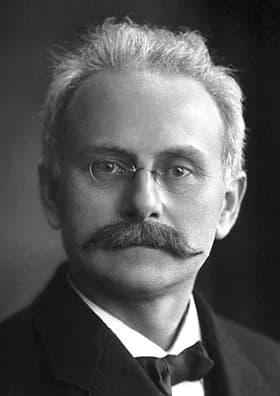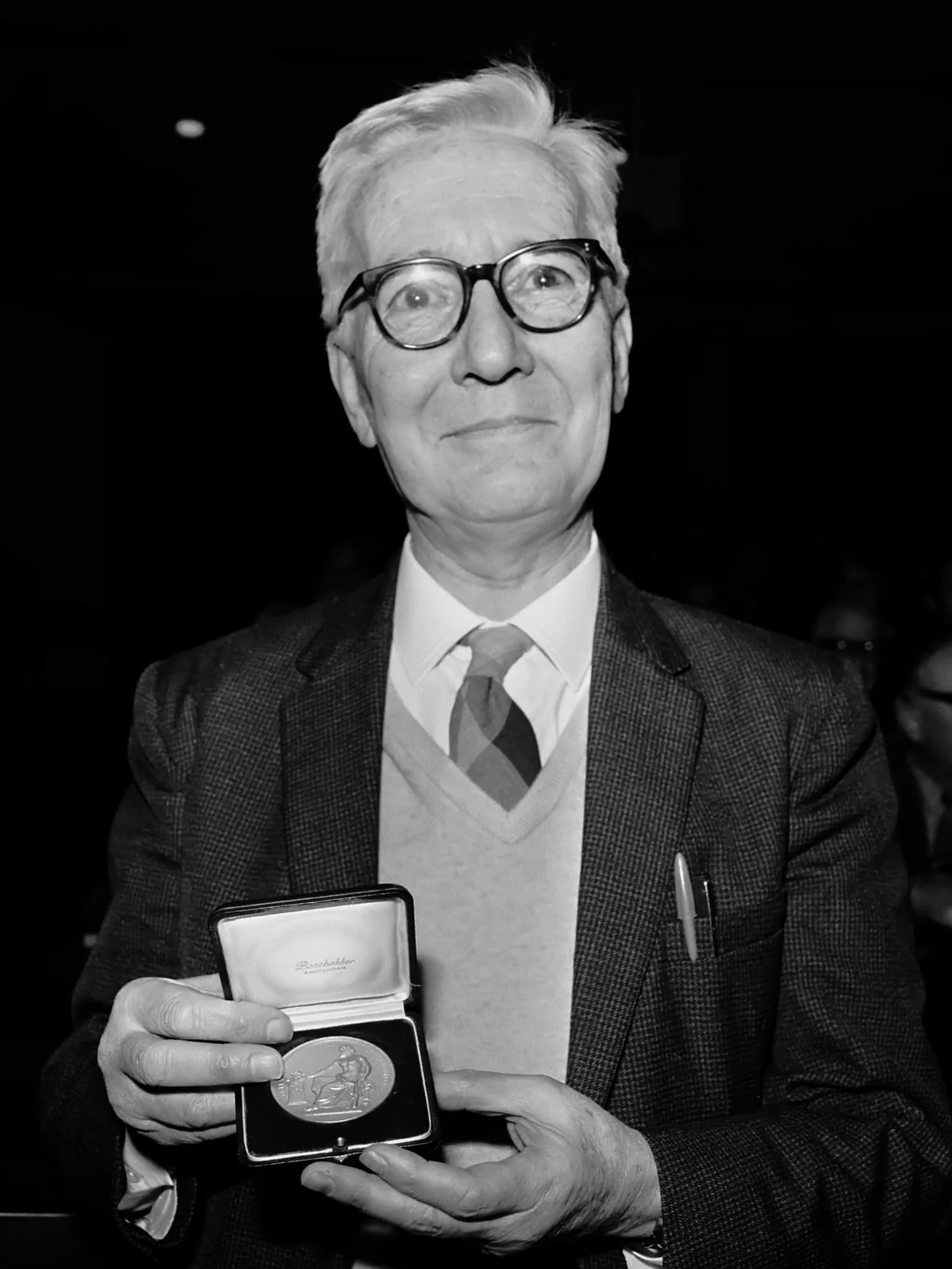
Ipinanganak
April 15, 1907
The Hague, Netherlands
Pumanaw
December 21, 1988
Oxford, United Kingdom
Kilala sa
Dutch Zoologist, ethologist
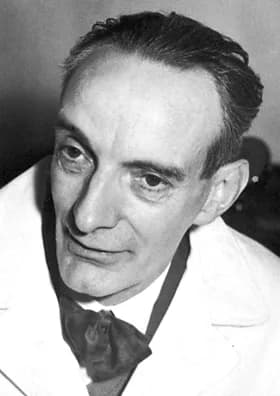
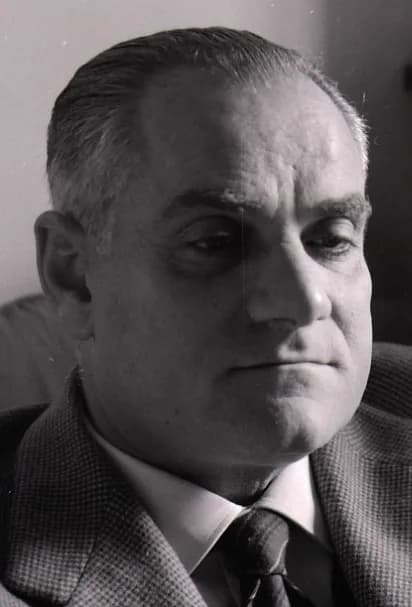
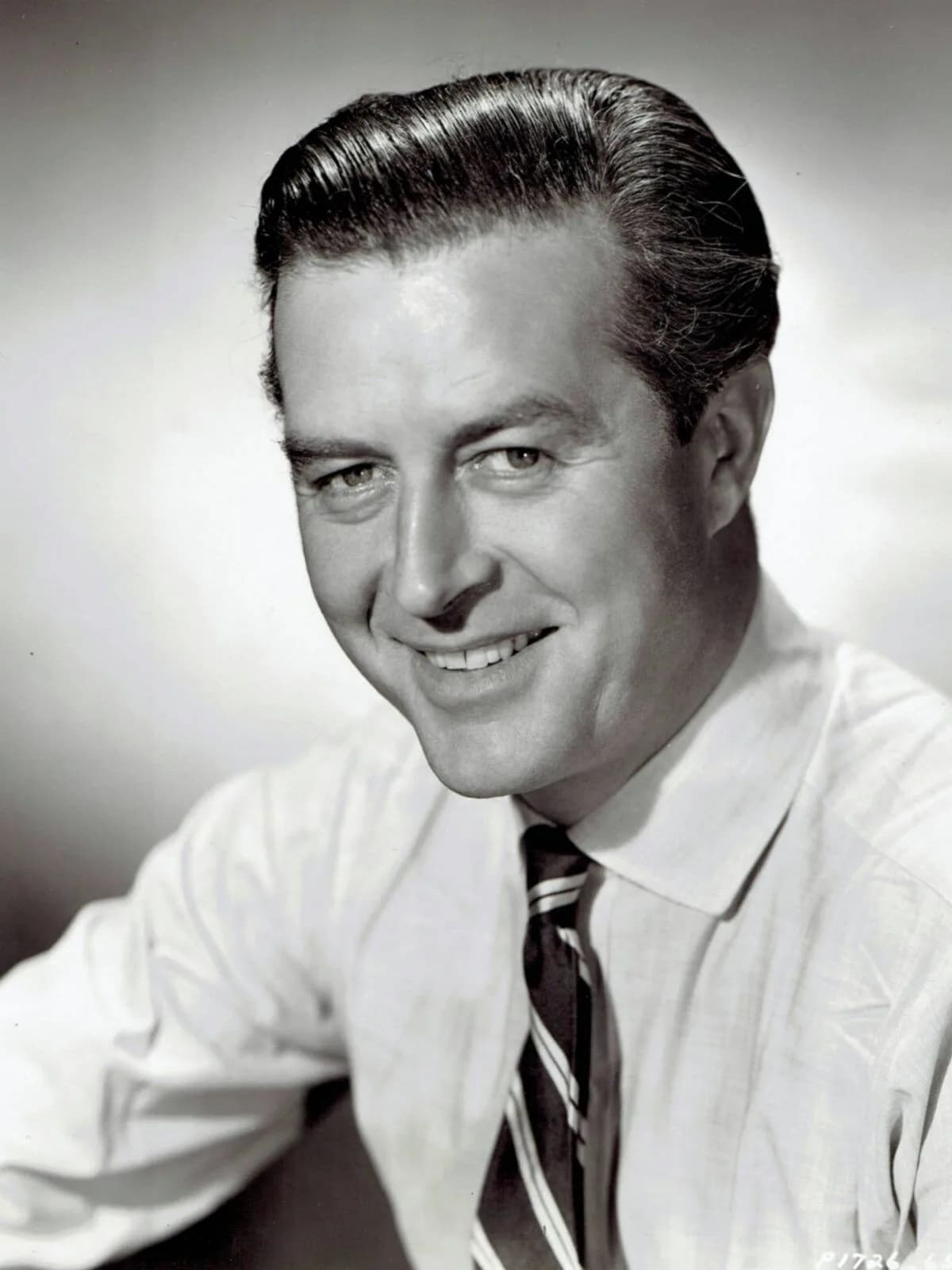
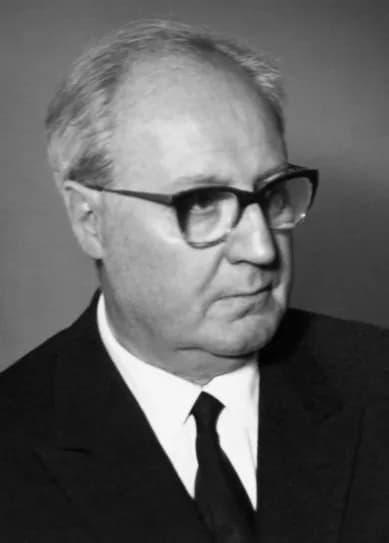
Niko Tinbergen (1907–1988) was Netherlands best known for Dutch Zoologist, ethologist.
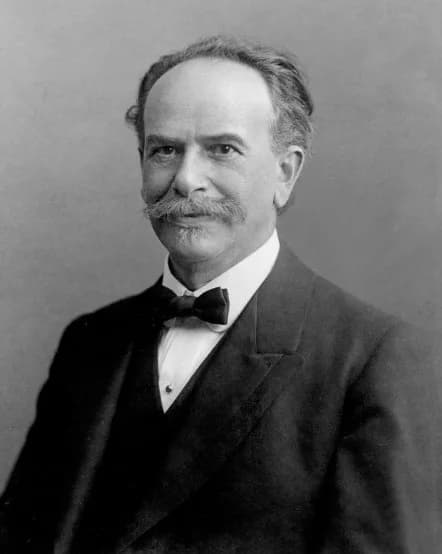
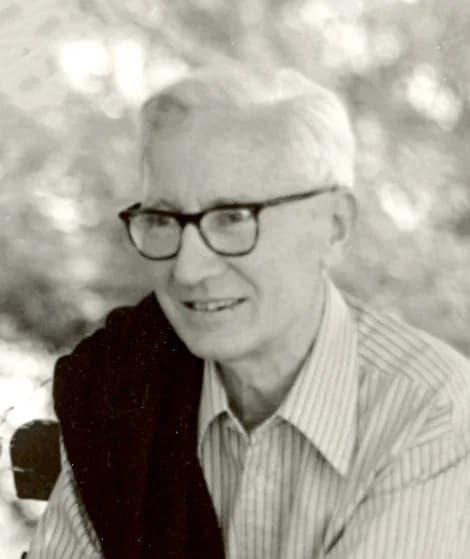
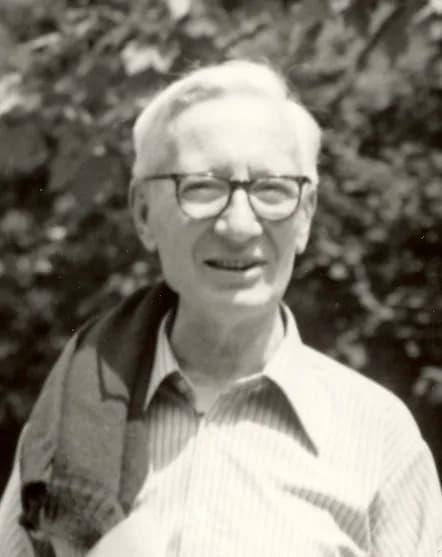
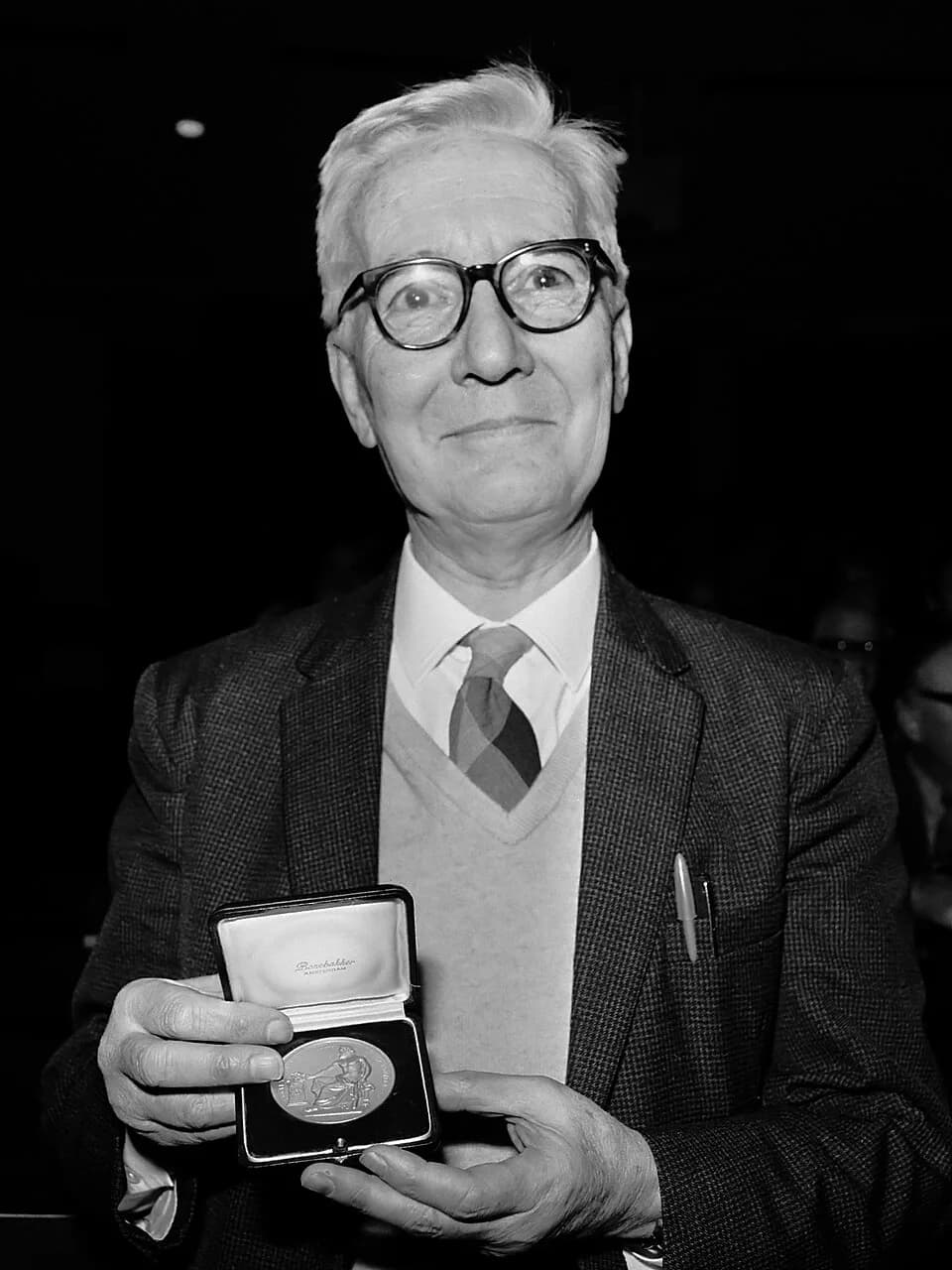
Niko Tinbergen (April 15, 1907 – December 21, 1988) was a Dutch zoologist and ethologist from The Hague, Netherlands. He shared the 1973 Nobel Prize for his discoveries in animal behavior, co-founding modern ethology. His work profoundly shaped our understanding of how animals interact.
Isang buhay sa mga sandali
Ang mga sandaling humubog sa isang buhay

Kabanata
Mga kabanata ng buhay
Kabanata 1 · 1907· Kabanata 1 ng 6
Early Life and Origins
Niko Tinbergen was born on April 15, 1907, in the vibrant city of The Hague, Netherlands. From an early age, he exhibited a deep and abiding fascination with the natural world, spending countless hours observing local wildlife and ecosystems in his native surroundings. This innate curiosity about animals and their intricate behaviors laid the essential groundwork for his eventual career as a pioneering ethologist and biologist, driving his lifelong quest for understanding.
Kabanata 2· Kabanata 2 ng 6
Career Beginnings
Tinbergen's academic journey led him to pursue rigorous training in zoology, biology, and ornithology, establishing a strong and multidisciplinary scientific foundation. His dedication to empirical observation and systematic inquiry began to flourish profoundly during these formative years of his education and early research. This period of intense study and early fieldwork prepared him exceptionally well for his future contributions to the fledgling field of ethology, a discipline that sought to bring robust scientific rigor to the study of animal behavior.
Kabanata 3 · 1973· Kabanata 3 ng 6
Major Achievements and Career Highlights
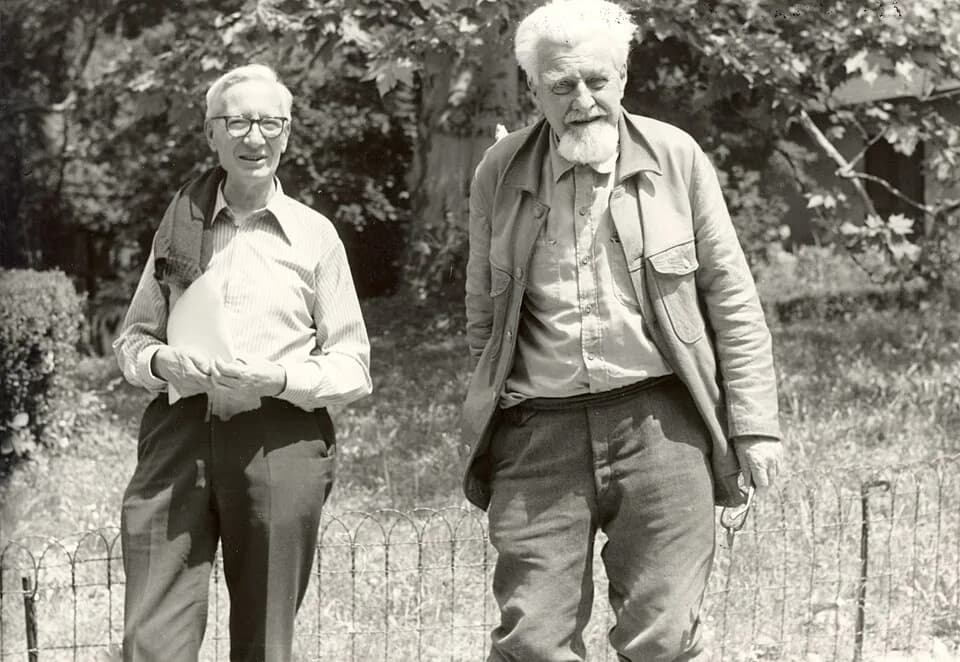
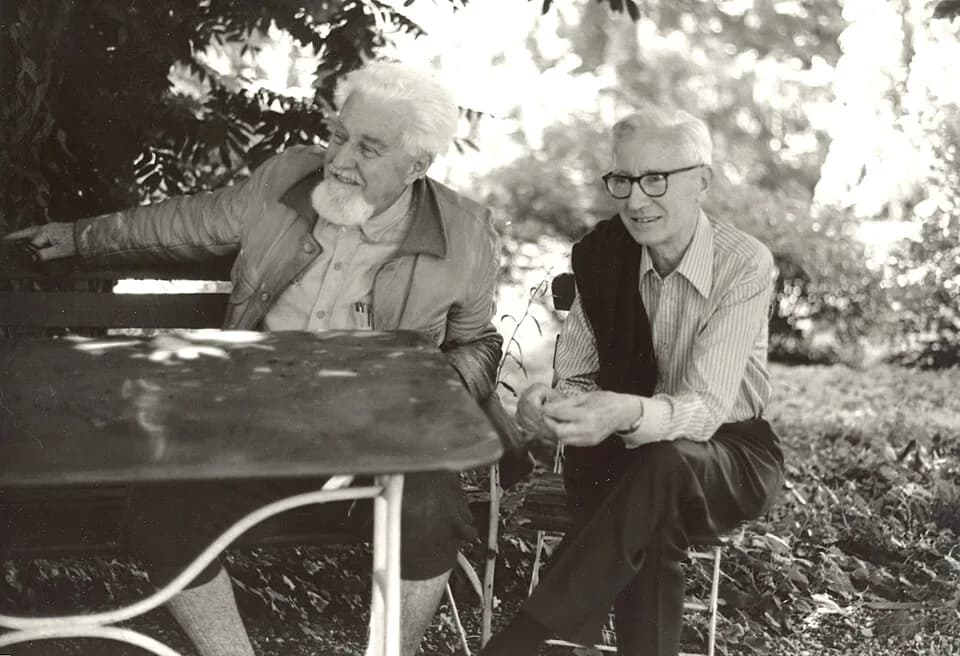
A defining moment in Niko Tinbergen's illustrious career came in 1973 when he was awarded the Nobel Prize in Physiology or Medicine. He shared this immensely prestigious honor with two other titans of animal behavior research, Karl von Frisch and Konrad Lorenz, recognizing their independent yet profoundly complementary studies. Their collective discoveries shed crucial light on the intricate organization and elicitation of individual and social behavior patterns in animals, effectively revolutionizing the scientific understanding of instinct, learning, and communication across species.
Tinbergen's methodological approach, emphasizing naturalistic observation combined with meticulously designed field experiments, proved to be particularly influential in shaping the trajectory of the entire field. He is widely celebrated as one of the principal founders of modern ethology, a discipline which transformed the study of animal behavior from mere descriptive accounts into a robust and experimentally verifiable scientific discipline. His work provided a comprehensive framework for addressing four key questions about any behavior: its immediate causation, its developmental trajectory, its evolutionary history, and its adaptive function, famously known as Tinbergen's Four Questions.
Kabanata 4 · 1942· Kabanata 4 ng 6
Notable Works and Contributions
Tinbergen's scientific output included several profoundly influential publications that continue to be cited by researchers and inform academic discourse today. His early and highly significant work, "An objectivistic Study of the innate behaviour of animals," published in 1942, was a seminal text that accumulated 80 citations, clearly demonstrating his innovative, objective approach to understanding instinctual actions. Through this publication, he strongly advocated for detailed observation and carefully structured experimentation to uncover the underlying roots of animal behaviors.
Later, his seminal book "Social Behaviour in Animals with Special Reference to Vertebrates," published in 1965, further cemented his international reputation as an astute observer and interpreter of animal societies. This comprehensive work garnered 77 citations, offering deep insights into the complex interactions within animal groups and thoroughly exploring their evolutionary significance and adaptive benefits. Even in 1987, near the end of his life, he contributed to the "Association for the Study of Animal Behaviour," reflecting his lifelong commitment to the advancement of the field and its academic infrastructure.
Beyond his impactful written works, Tinbergen's contributions extended significantly through his versatile roles as a dedicated scientist, a highly skilled photographer, and an inspiring university teacher. He masterfully utilized these diverse platforms to meticulously document, incisively analyze, and effectively disseminate his profound observations and well-developed theories to a broad scientific community and a wider public audience. His comprehensive and interdisciplinary approach to studying animal behavior was truly instrumental in helping establish ethology as a distinct, respected, and academically rigorous scientific discipline across universities worldwide.
Kabanata 5· Kabanata 5 ng 6
Later Years
After a lifetime dedicated to impactful research, teaching, and scientific inquiry, Niko Tinbergen continued his academic pursuits with unwavering commitment, eventually making his home in Oxford, United Kingdom. His relocation to Oxford allowed him to continue his significant work and foster a new generation of scientists within a prestigious academic environment. Even in his later years, his influence as a distinguished university teacher remained substantial, shaping the minds and methodologies of countless aspiring biologists and ethologists, thereby leaving an enduring academic legacy in his adopted country.
Niko Tinbergen passed away peacefully on December 21, 1988, in Oxford, United Kingdom, at the age of 81, concluding a life filled with scientific discovery. Though his physical presence departed, the intellectual framework and scientific curiosity he fostered continued to thrive vigorously within the scientific community. His passing marked the end of an era for one of the foundational figures in the scientific study of animal behavior, yet his innovative ideas and rigorous methodologies persisted as guiding principles for future researchers.
Kabanata 6· Kabanata 6 ng 6
Legacy and Impact
Niko Tinbergen's enduring legacy is primarily defined by his pivotal role in co-founding modern ethology alongside his esteemed colleagues Konrad Lorenz and Karl von Frisch. His meticulous field observations, combined with his innovative experimental designs, provided critical and robust frameworks for systematically studying animal behavior in natural settings. He rigorously demonstrated how complex behaviors could be systematically analyzed, moving the field beyond anecdotal accounts and into the realm of empirical science with verifiable data.
His work continues to inspire generations of scientists and researchers to explore the fundamental questions of why animals behave the way they do, effectively bridging the gap between traditional psychology and biological sciences. Tinbergen's significant contributions remain foundational to evolutionary biology, behavioral ecology, and, increasingly, to discussions surrounding ethical animal welfare studies and conservation efforts. He truly changed how we understand and appreciate the intricate workings of the animal kingdom and our place within it, leaving a lasting mark on scientific thought and human understanding.
FAQ
Mga madalas itanong
Kailan namatay si Niko Tinbergen?
Namatay si Niko Tinbergen noong Disyembre 21, 1988 sa Oxford, United Kingdom, sa edad na 81.
Saan ipinanganak si Niko Tinbergen?
Ipinanganak si Niko Tinbergen sa The Hague, Netherlands noong Abril 15, 1907.
Para saan kilala si Niko Tinbergen?
Si Niko Tinbergen ay kilala sa Dutch Zoologist, ethologist.
Ilang taong gulang si Niko Tinbergen nang siya ay namatay?
Si Niko Tinbergen ay 81 taong gulang nang siya ay namatay.
Ano ang nasyonalidad ni Niko Tinbergen?
Si Niko Tinbergen ay galing sa Netherlands.
Timeline
Buhay sa isang sulyap
Photo gallery
Isang buhay sa mga larawan
I-click ang anumang polaroid upang palakihin · 23 na larawan
QR Code
Ibahagi ang Talambuhay na Ito
I-print at Ibahagi
I-scan upang bisitahin ang biography page na ito. I-print para sa mga kaganapan, eksibisyon, o materyal pang-edukasyon.