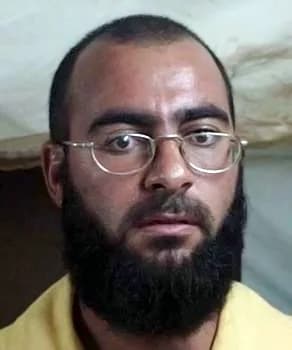
Ipinanganak
July 28, 1971
Samarra, Iraq
Pumanaw
October 27, 2019
Barisha, Syria
Kilala sa
Leader of the Islamic State
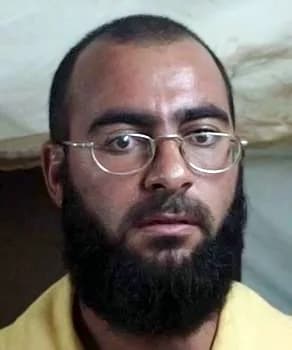
Abu Bakr al-Baghdadi (1971–2019) was Iraq best known for Leader of the Islamic State.
Abu Bakr al-Baghdadi (July 28, 1971 – October 27, 2019) was an Iraqi militant leader and former teacher from Samarra, Iraq. He founded and was the first leader of the Islamic State, proclaiming himself caliph in 2014. His leadership defined the group's trajectory until his death in 2019.
Kabanata
Mga kabanata ng buhay
Kabanata 1 · 1971· Kabanata 1 ng 7
Early Life and Origins
Ibrahim Awwad Ibrahim Ali al-Badri, later known by his nom de guerre Abu Bakr al-Baghdadi, was born on July 28, 1971. His birthplace was the city of Samarra, located in Iraq. During his formative years, al-Baghdadi received an education that allowed him to pursue a profession as a teacher.
His early life was rooted in Iraq, where he spent his youth and entered into the teaching profession. These foundational experiences in Samarra shaped his initial path before his emergence as a prominent militant figure. The details of his early family life and specific upbringing are not widely documented.
Kabanata 2· Kabanata 2 ng 7
Career Beginnings
The transformation from a teacher to a militant leader marked a significant shift in al-Baghdadi's life. He began to operate under the nom de guerre Abu Bakr al-Baghdadi, which became his widely recognized identity. This period saw his rise within militant circles in Iraq, distinguishing himself among his contemporaries.
His early work ultimately culminated in the founding of the Islamic State. Al-Baghdadi established himself as the inaugural leader of this organization. This marked the true beginning of his public and influential career as a militant leader.
Kabanata 3 · 2014· Kabanata 3 ng 7
Major Achievements and Career Highlights
A defining moment in Abu Bakr al-Baghdadi's career occurred in 2014 when he publicly proclaimed himself caliph. This declaration was a significant milestone, asserting his spiritual and political authority over the Islamic State. It cemented his role as the paramount figure within the organization he founded.
His leadership was central to the Islamic State's activities and growth from its inception. He remained at the helm, guiding its operations and ideological direction. This sustained leadership position represents a key highlight of his militant career until his death.
Kabanata 4· Kabanata 4 ng 7
Personal Life
Information pertaining to the personal life of Abu Bakr al-Baghdadi, beyond his birth details and early profession as a teacher, remains largely private or undocumented. Public records primarily focus on his emergence as a militant leader and his subsequent actions. Specific insights into his family, relationships, or personal interests are not extensively detailed.
His early years in Samarra, Iraq, and his occupation as a teacher provide the most insight into his individual background before his public role. The specifics of his private existence largely remained outside the public domain throughout his militant career.
Kabanata 5· Kabanata 5 ng 7
Notable Works or Contributions
Abu Bakr al-Baghdadi's primary contribution was the establishment and leadership of the Islamic State. As its founder and first leader, he was instrumental in shaping the organization's structure and objectives. His vision and direction defined the group's early trajectory and subsequent actions.
The act of proclaiming himself caliph in 2014 stands as a particularly notable and impactful event. This declaration signified a major ideological and political assertion under his leadership. These actions represent the core of his documented contributions and influence.
Kabanata 6 · 2019· Kabanata 6 ng 7
Later Years
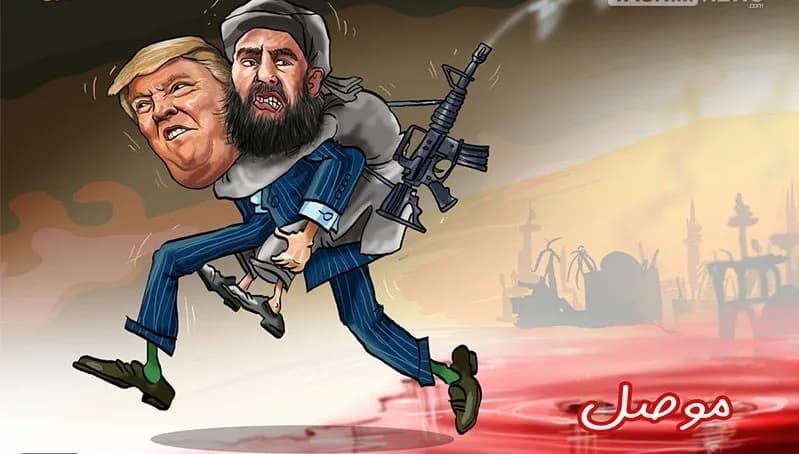
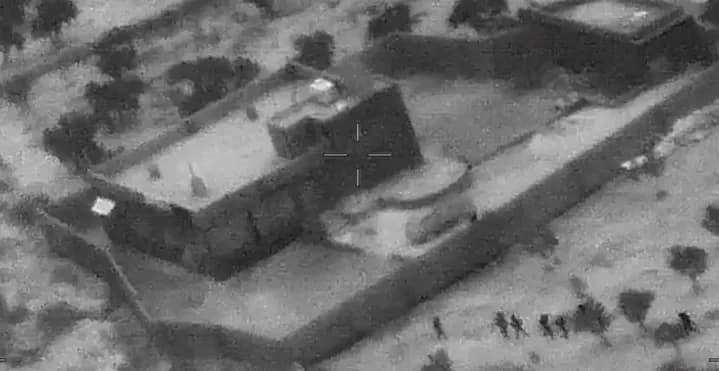
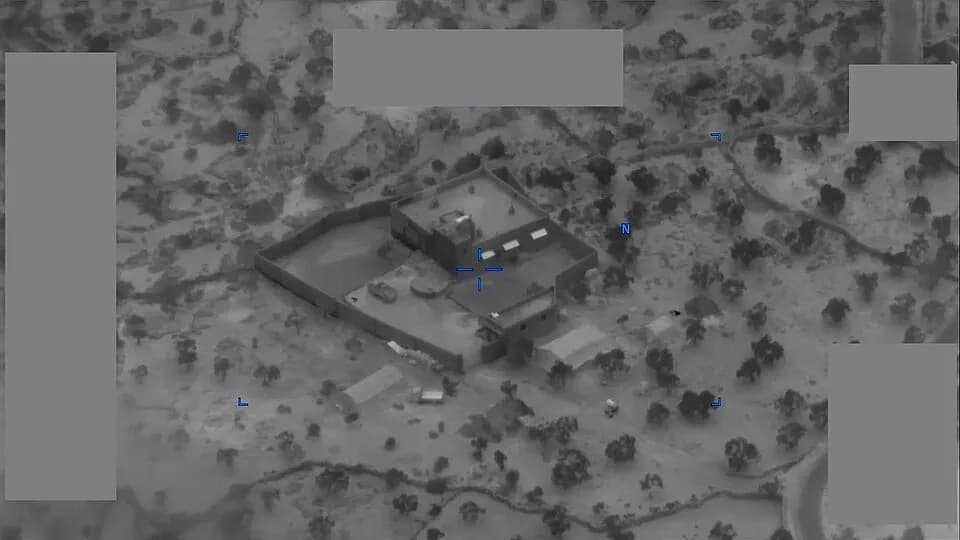
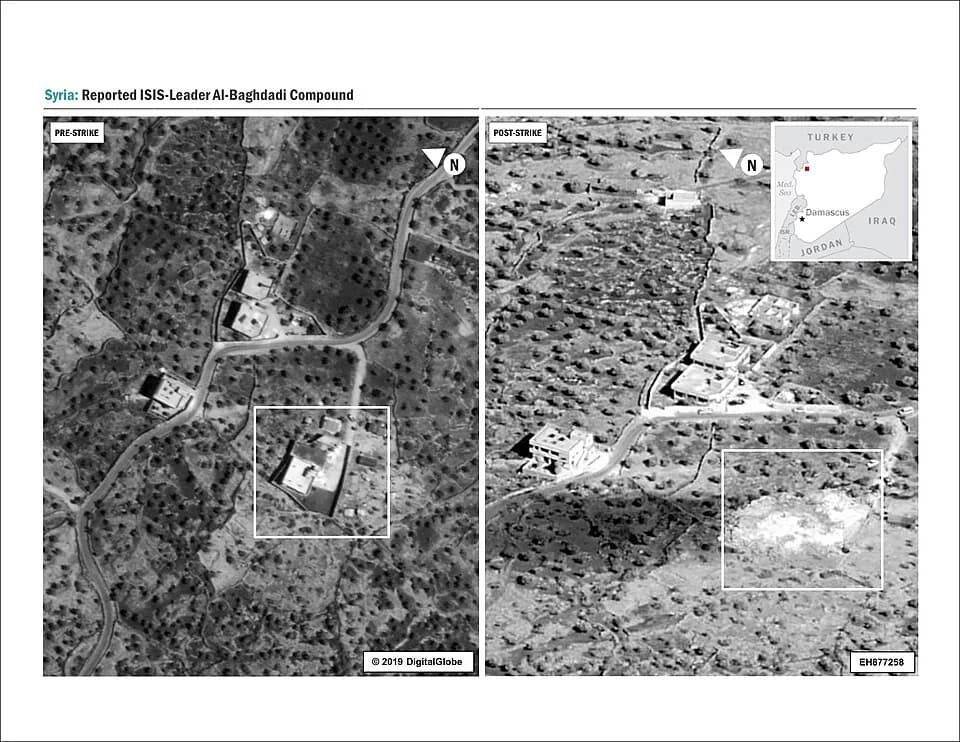
Abu Bakr al-Baghdadi maintained his leadership position within the Islamic State until his death. This occurred on October 27, 2019. His final moments transpired in Barisha, Syria, during an American operation aimed at his capture.
In the course of this operation, al-Baghdadi committed a suicide bombing. This tragic event resulted in the deaths of two children. His passing marked the end of his command over the Islamic State.
Kabanata 7 · 2014· Kabanata 7 ng 7
Legacy and Impact
The legacy of Abu Bakr al-Baghdadi is intrinsically tied to his role as the founder and leader of the Islamic State. His tenure, characterized by the group's formation and his proclamation as caliph in 2014, shaped a significant period in modern militant history. His leadership defined the organization's operational scope and ideological framework.
His impact is understood through the actions and existence of the Islamic State under his direction. The circumstances of his death in 2019, during a targeted operation in Barisha, Syria, concluded his direct influence. His leadership profoundly impacted the trajectory of the group he led.
Isang buhay sa mga sandali
Ang mga sandaling humubog sa isang buhay
FAQ
Mga madalas itanong
Kailan namatay si Abu Bakr al-Baghdadi?
Namatay si Abu Bakr al-Baghdadi noong Oktubre 27, 2019 sa Barisha, Syria, sa edad na 48.
Saan ipinanganak si Abu Bakr al-Baghdadi?
Ipinanganak si Abu Bakr al-Baghdadi sa Samarra, Iraq noong Hulyo 28, 1971.
Para saan kilala si Abu Bakr al-Baghdadi?
Si Abu Bakr al-Baghdadi ay kilala sa Leader of the Islamic State.
Ilang taong gulang si Abu Bakr al-Baghdadi nang siya ay namatay?
Si Abu Bakr al-Baghdadi ay 48 taong gulang nang siya ay namatay.
Ano ang nasyonalidad ni Abu Bakr al-Baghdadi?
Si Abu Bakr al-Baghdadi ay galing sa Iraq.
Timeline
Buhay sa isang sulyap
Photo gallery
Isang buhay sa mga larawan
I-click ang anumang polaroid upang palakihin · 25 na larawan
QR Code
Ibahagi ang Talambuhay na Ito
I-print at Ibahagi
I-scan upang bisitahin ang biography page na ito. I-print para sa mga kaganapan, eksibisyon, o materyal pang-edukasyon.