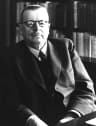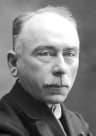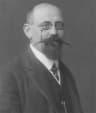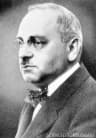
เกิด
April 22, 1870
Ulyanovsk, Russia
จากไป
January 21, 1924
Bolshiye Gorki, Russian Empire
เป็นที่รู้จักจาก
founding leader of the Soviet Union
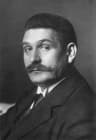
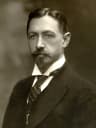
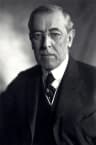
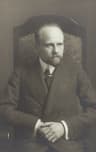
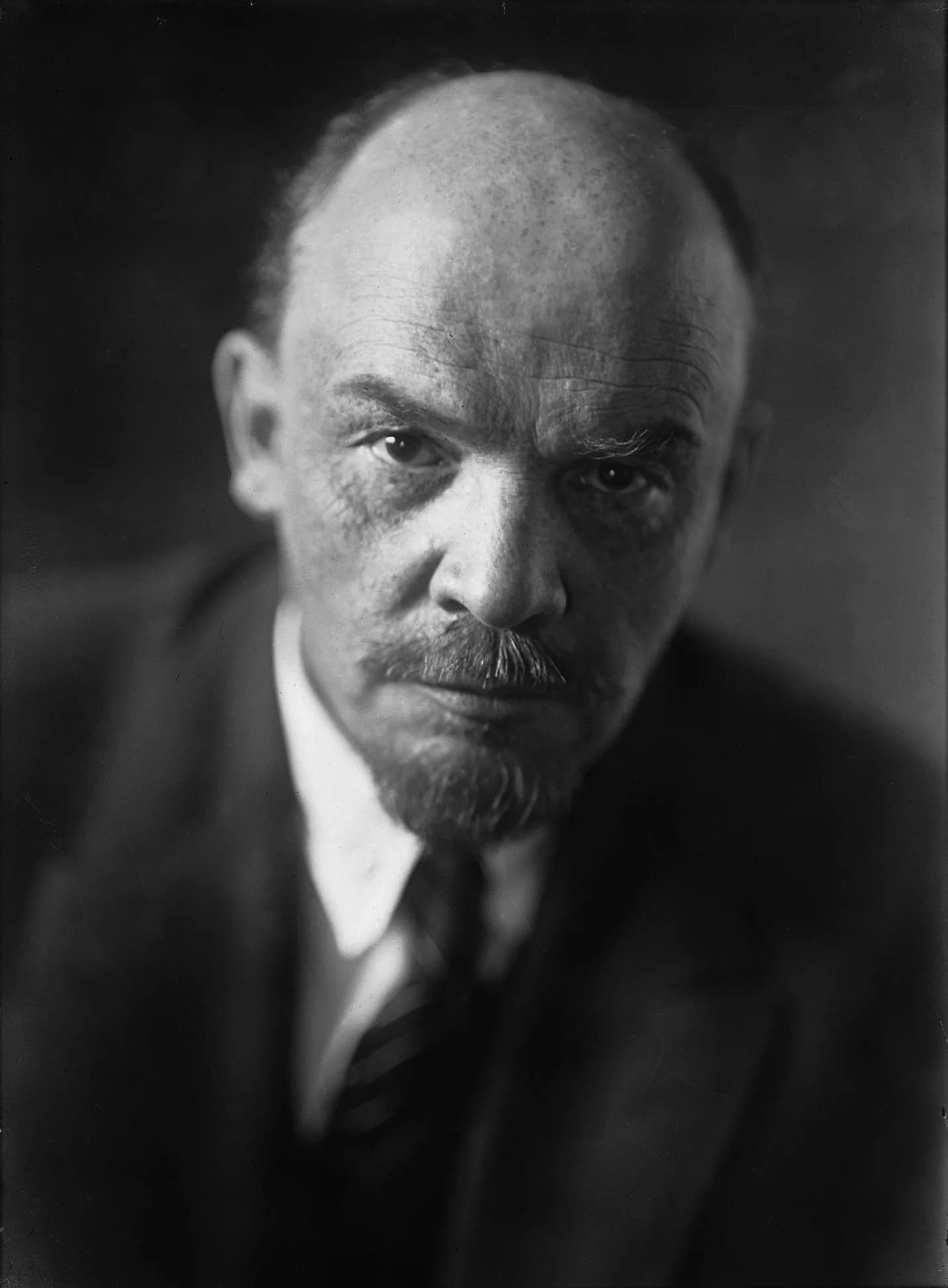
Vladimir Lenin (1870–1924) was Russia best known for founding leader of the Soviet Union.
Vladimir Lenin (April 22, 1870 – January 21, 1924) was a Russian politician and revolutionary. He was the founding leader of the Soviet Union, establishing the world's first communist state through the October Revolution. His developments to Marxism are known as Leninism.
บทที่
บทแห่งชีวิต
บทที่ 1 · 1870· บทที่ 1 จาก 6
Early Life and Origins
Vladimir Lenin’s formative years began in Ulyanovsk, Russia, where he was born into a well-regarded family in 1870. The intellectual environment of his upbringing provided a strong foundation for his later academic pursuits and revolutionary ideas. Growing up in Imperial Russia, he was exposed to the social and political inequalities that fueled his eventual commitment to radical change. These early experiences were critical in shaping his political consciousness and his determination to challenge the existing autocratic system.
บทที่ 2· บทที่ 2 จาก 6
Career Beginnings
Lenin embarked on his career as a dedicated Russian revolutionary and a perceptive political theorist, deeply engaging with the philosophical underpinnings of Marxism. His early intellectual work involved meticulous study and interpretation of Marxist principles, which he sought to adapt to the specific conditions of Russia. This initial phase saw him develop into a prominent figure among dissident intellectuals and activists, laying the groundwork for the Bolshevik movement. He became known for his compelling arguments and strategic thinking, quickly establishing himself as a formidable voice for revolutionary change within the Russian Empire.
บทที่ 3 · 1917· บทที่ 3 จาก 6
Major Achievements and Career Highlights
As the visionary founder of the Bolsheviks, Vladimir Lenin skillfully orchestrated and led the October Revolution in 1917, a pivotal event that forever altered global politics. This monumental uprising resulted in the establishment of the world's first communist state, marking a radical departure from traditional governance. Following this triumph, he assumed the crucial role of the first head of government of Soviet Russia in 1917, guiding the nascent state through its precarious initial years. His leadership was instrumental in navigating the complex challenges of establishing a new political and economic system in a war-torn nation.
Lenin’s government demonstrated remarkable resilience and strategic prowess during the brutal Russian Civil War, ultimately securing a decisive victory for the Bolsheviks. This military triumph cemented the Communist Party's control over a vast territory and eliminated significant internal opposition. Subsequently, he presided over the formal creation of the Soviet Union in 1922, becoming its first head of government. Under his guidance, the Soviet Union solidified its structure as a powerful, centralized, one-party state, an institutional model that would influence political systems for decades to come.
บทที่ 4· บทที่ 4 จาก 6
Notable Works or Contributions
Vladimir Lenin was not merely a political activist; he was also a profound political theorist who extended and adapted the principles of Marxism. His ideological contributions, collectively known as Leninism, represent a significant development in Marxist thought, particularly regarding the role of the vanguard party and the theory of imperialism. These theoretical frameworks provided the intellectual and strategic foundation for the October Revolution and the subsequent governance of the Soviet state. His writings and speeches articulated a clear vision for a communist society, detailing the practical steps required for its realization and defense.
บทที่ 5 · 1922· บทที่ 5 จาก 6
Later Years
Lenin continued to serve as the head of government of the Soviet Union from its inception in 1922 until his death in 1924. During these final years, he dedicated himself to consolidating the new communist state, working tirelessly amidst declining health. He passed away on January 21, 1924, at Bolshiye Gorki, within the Russian Empire. His death marked the conclusion of a revolutionary epoch, leaving behind a young, yet robust, Soviet state poised to navigate a complex global landscape.
บทที่ 6· บทที่ 6 จาก 6
Legacy and Impact
The legacy of Vladimir Lenin remains a subject of extensive historical and political analysis, with his actions profoundly shaping the 20th century. He is widely recognized for establishing the world's first communist state, an ideological and political experiment that had far-reaching global consequences. This foundational act inspired numerous revolutionary movements across continents, directly contributing to the geopolitical divisions of the Cold War era. Furthermore, his leadership firmly entrenched the concept of a one-party state under the Communist Party, a governmental structure adopted by various nations. His theoretical developments, known as Leninism, continue to be studied, debated, and reinterpreted, solidifying his enduring influence on political thought and revolutionary practice worldwide.
ชีวิตในแต่ละช่วงเวลา
ช่วงเวลาที่หล่อหลอมชีวิต
FAQ
คำถามที่พบบ่อย
Vladimir Lenin เสียชีวิตเมื่อใด?
Vladimir Lenin เสียชีวิตเมื่อวันที่ 21 มกราคม 2467 ที่ Bolshiye Gorki, Russian Empire ขณะอายุ 53 ปี
Vladimir Lenin เกิดที่ไหน?
Vladimir Lenin เกิดที่ Ulyanovsk, Russia เมื่อวันที่ 22 เมษายน 2413
Vladimir Lenin เป็นที่รู้จักจากอะไรมากที่สุด?
Vladimir Lenin เป็นที่รู้จักมากที่สุดจาก founding leader of the Soviet Union
Vladimir Lenin อายุเท่าไหร่ตอนเสียชีวิต?
Vladimir Lenin อายุ 53 ปี ตอนเสียชีวิต
Vladimir Lenin เป็นชาวอะไร?
Vladimir Lenin มาจาก Russia
ไทม์ไลน์
ชีวิตโดยย่อ
แกลเลอรีภาพถ่าย
ชีวิตในภาพ
คลิกที่โพลารอยด์ใดก็ได้เพื่อขยาย · 24 ภาพ
QR โค้ด
แบ่งปันประวัตินี้
พิมพ์และแบ่งปัน
สแกนเพื่อเยี่ยมชมหน้าประวัตินี้ พิมพ์สำหรับงานกิจกรรม นิทรรศการ หรือสื่อการศึกษา