เกิด
December 3, 1933
Amsterdam, Netherlands
จากไป
January 28, 2021
Mainz, Germany
เป็นที่รู้จักจาก
Dutch climatologist
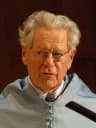
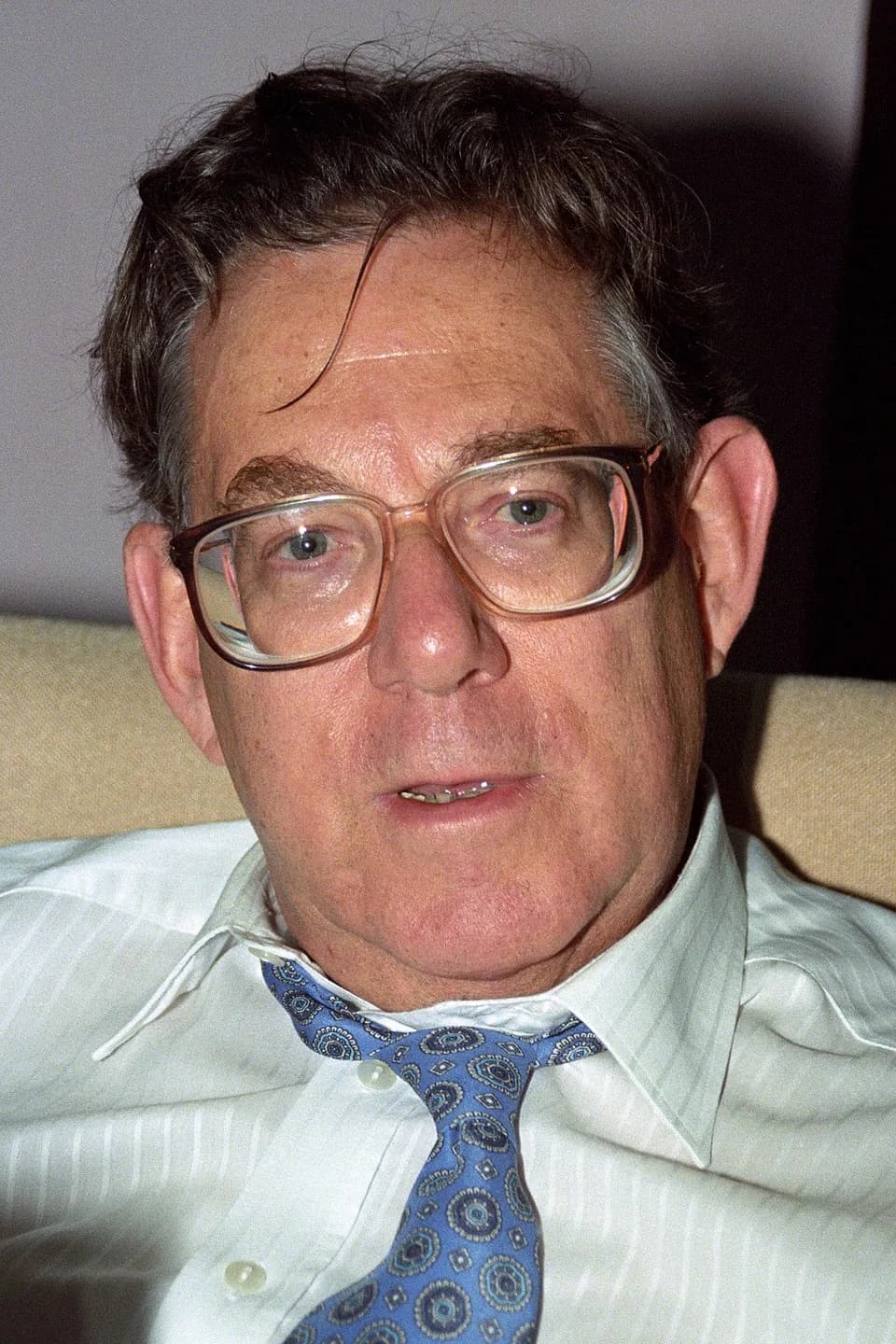
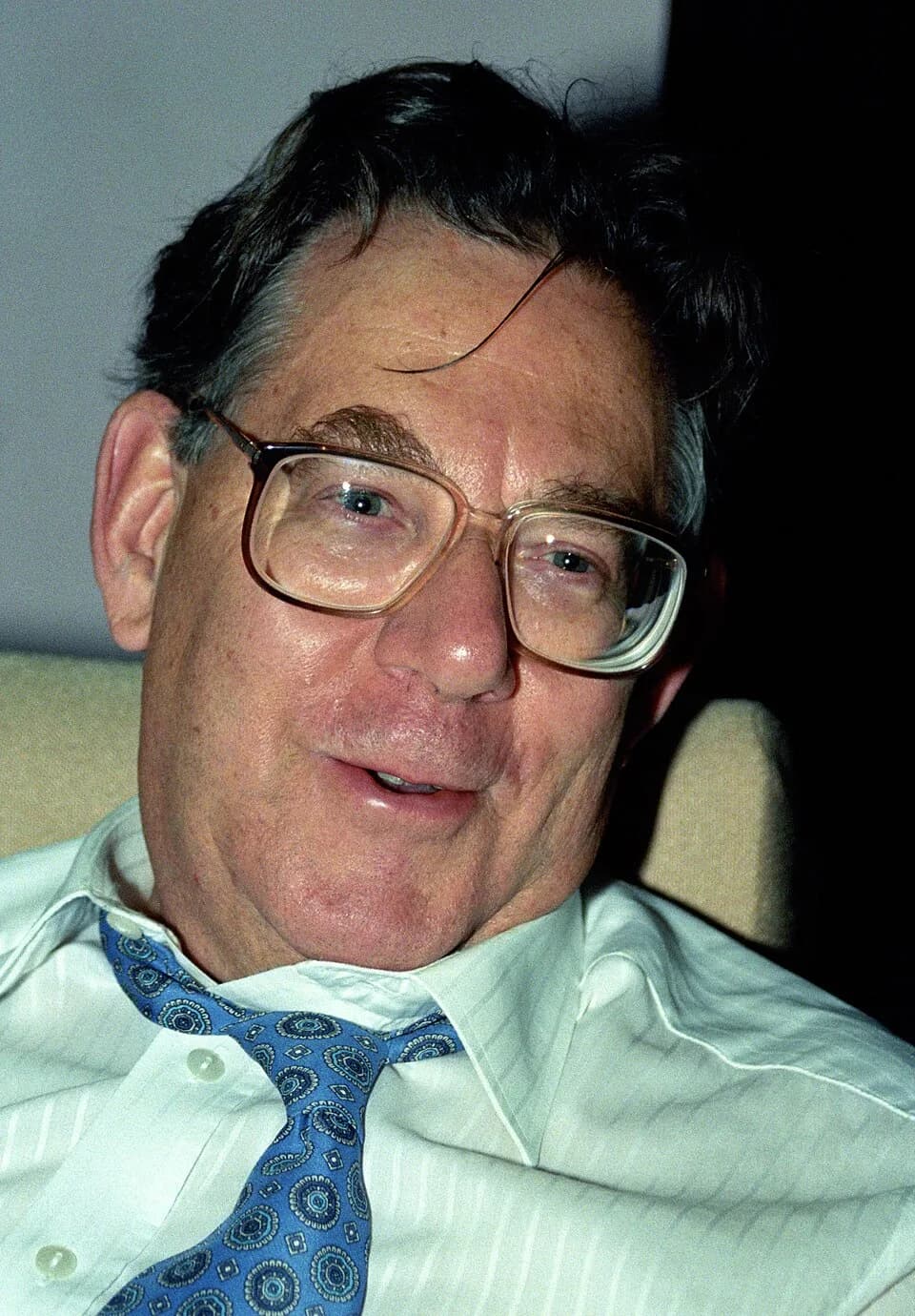
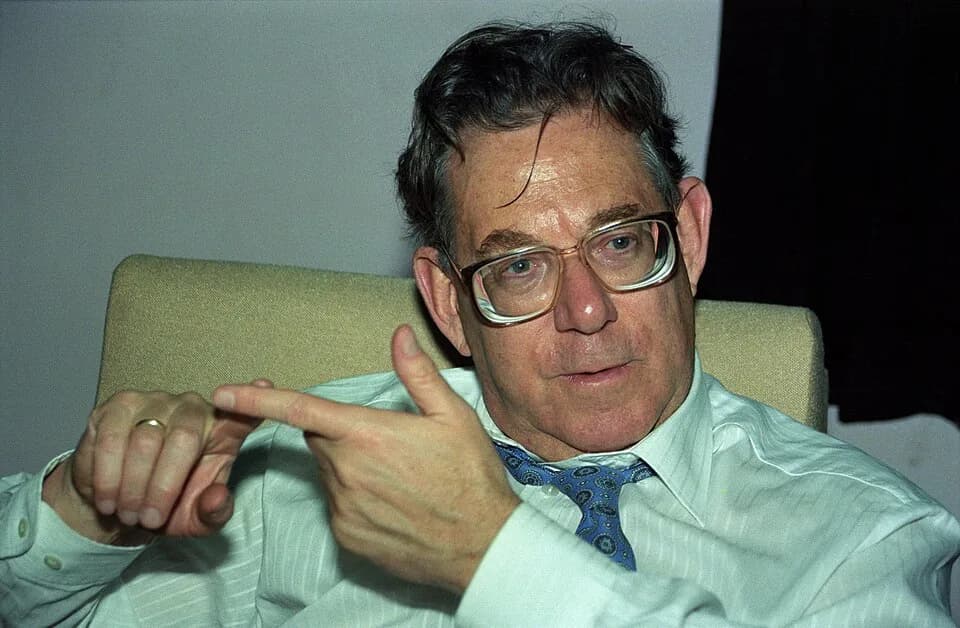
Paul Josef Crutzen (1933–2021) was Netherlands best known for Dutch climatologist.
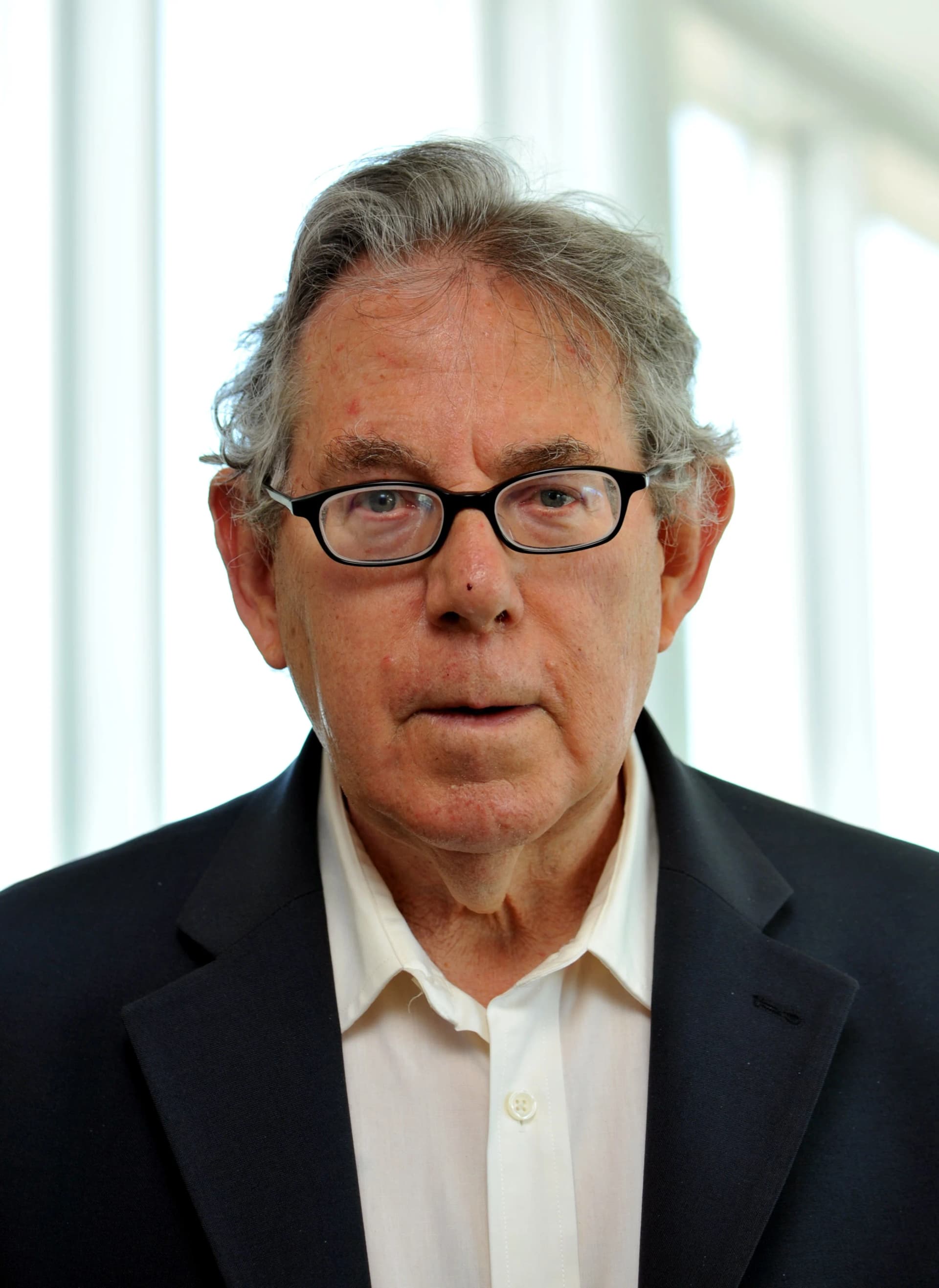
Paul Josef Crutzen (December 3, 1933 – January 28, 2021) was a Dutch climatologist known for his work on atmospheric ozone. He received the Nobel Prize in Chemistry in 1995 and popularized the term 'Anthropocene.' His insights helped redefine humanity's environmental impact.
บทที่
บทแห่งชีวิต
บทที่ 1 · 1933· บทที่ 1 จาก 6
Early Life and Origins
Paul Josef Crutzen began his life in Amsterdam, Netherlands, where he was born in late 1933. His early educational path was broad, encompassing studies that led him to become an engineer, a chemist, and a meteorologist. This diverse foundational knowledge provided him with a unique interdisciplinary perspective crucial for his future scientific endeavors in atmospheric science.
บทที่ 2· บทที่ 2 จาก 6
Career Beginnings
Crutzen’s journey into the intricate world of atmospheric chemistry began after his initial training. His early career saw him apply his skills as an engineer and chemist to meteorological questions, laying the groundwork for his eventual specialization. This formative period allowed him to develop the analytical tools and observational insights necessary to tackle complex environmental challenges.
บทที่ 3 · 1995· บทที่ 3 จาก 6
Major Achievements and Career Highlights
A crowning achievement in Paul Crutzen's career came in 1995 when he was jointly awarded the Nobel Prize in Chemistry. He shared this prestigious honor with Mario Molina and Frank Sherwood Rowland for their seminal work focusing on atmospheric chemistry, particularly their research into the processes governing the formation and decomposition of ozone in the atmosphere. Their findings were crucial for understanding the depletion of the ozone layer.
Beyond his Nobel-winning research, Crutzen is widely credited with popularizing the concept of the 'Anthropocene.' This term describes a proposed new geological epoch within the Quaternary period, defined by the drastic and undeniable effects of human actions on Earth's geology and ecosystems. His insights helped to shift scientific and public discourse towards recognizing humanity as a dominant geological force.
Furthermore, Crutzen was among the first scientists to introduce the concept of 'nuclear winter.' This theory described the potential, severe climatic consequences that would stem from large-scale atmospheric pollution, including vast amounts of smoke from forest fires, industrial exhausts, and other catastrophic sources like oil fires. His early warnings about such scenarios underscored the urgent need for environmental protection and peace.
บทที่ 4 · 2003· บทที่ 4 จาก 6
Notable Works or Contributions
Paul Crutzen's extensive academic contributions are reflected in his impressive h-index of 131, accumulated from 554 published papers. His influential works often focused on the Anthropocene, a concept he passionately advocated for throughout his later career. Key publications include "How Long Have We Been in the Anthropocene Era?" from 2003 and "The Anthropocene: From Global Change to Planetary Stewardship," published in 2011.
His earlier foundational ideas on this topic were also articulated in works such as "Geology of Mankind" from 2002. Even in his final year, he continued to contribute actively to scientific discourse, with papers like "Observations of the Atmospheric Composition over Russia: TROICA Experiments" and "We Live in the Anthropocene, So Will Our Grandchildren," both published in 2021. These works demonstrate his enduring commitment to atmospheric science and environmental awareness until the end of his life.
บทที่ 5 · 2021· บทที่ 5 จาก 6
Later Years
Paul Josef Crutzen remained an active and influential figure in the scientific community throughout his later years. He continued to publish significant research, including several papers in 2021, the year of his passing. Crutzen died on January 28, 2021, in Mainz, Germany, leaving behind a legacy of profound scientific inquiry and environmental advocacy.
บทที่ 6· บทที่ 6 จาก 6
Legacy and Impact
The legacy of Paul Josef Crutzen is far-reaching, fundamentally altering our understanding of Earth's atmospheric systems and humanity's place within them. His pioneering work on atmospheric ozone not only earned him a Nobel Prize but also laid critical groundwork for international efforts to protect the ozone layer. His popularization of the 'Anthropocene' term has since become a cornerstone for discussions on climate change and environmental responsibility, framing human activity as a geological force.
Crutzen's scientific contributions extended to various critical areas, from climate change research to the sobering concept of nuclear winter, consistently pushing the boundaries of environmental science. His ability to synthesize complex data and communicate urgent truths about planetary health solidified his position as one of the twentieth and twenty-first centuries' most vital climatologists and atmospheric chemists. He inspired generations of scientists and catalyzed global conversations about our planet's future.
ชีวิตในแต่ละช่วงเวลา
ช่วงเวลาที่หล่อหลอมชีวิต
FAQ
คำถามที่พบบ่อย
Paul Josef Crutzen เสียชีวิตเมื่อใด?
Paul Josef Crutzen เสียชีวิตเมื่อวันที่ 28 มกราคม 2564 ที่ Mainz, Germany ขณะอายุ 87 ปี
Paul Josef Crutzen เกิดที่ไหน?
Paul Josef Crutzen เกิดที่ Amsterdam, Netherlands เมื่อวันที่ 3 ธันวาคม 2476
Paul Josef Crutzen เป็นที่รู้จักจากอะไรมากที่สุด?
Paul Josef Crutzen เป็นที่รู้จักมากที่สุดจาก Dutch climatologist
Paul Josef Crutzen อายุเท่าไหร่ตอนเสียชีวิต?
Paul Josef Crutzen อายุ 87 ปี ตอนเสียชีวิต
Paul Josef Crutzen เป็นชาวอะไร?
Paul Josef Crutzen มาจาก Netherlands
ไทม์ไลน์
ชีวิตโดยย่อ
แกลเลอรีภาพถ่าย
ชีวิตในภาพ
คลิกที่โพลารอยด์ใดก็ได้เพื่อขยาย · 23 ภาพ
QR โค้ด
แบ่งปันประวัตินี้
พิมพ์และแบ่งปัน
สแกนเพื่อเยี่ยมชมหน้าประวัตินี้ พิมพ์สำหรับงานกิจกรรม นิทรรศการ หรือสื่อการศึกษา