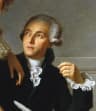
เกิด
August 26, 1728
Mulhouse, France
จากไป
September 25, 1777
Berlin, Margraviate of Brandenburg
เป็นที่รู้จักจาก
German mathematician, physicist and astronomer
Johann Heinrich Lambert (1728–1777) was France best known for German mathematician, physicist and astronomer.
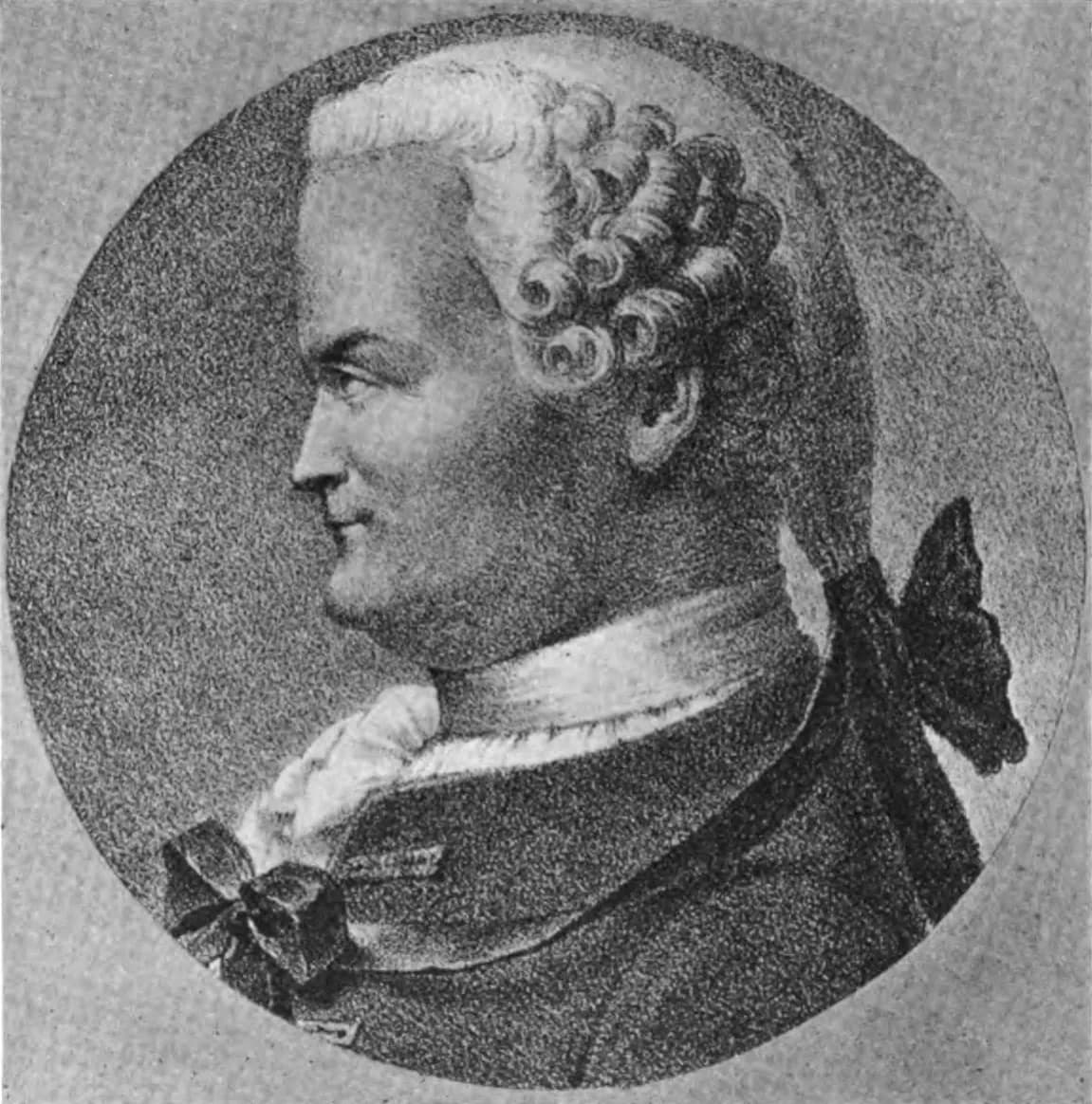
Johann Heinrich Lambert (August 26, 1728 – September 25, 1777) was a German mathematician, physicist, and astronomer from Mulhouse, France. He made significant contributions to mathematics, physics, philosophy, astronomy, and map projections, including pioneering work in photometry. His polymathic intellect left a lasting mark on 18th-century science.
บทที่
บทแห่งชีวิต
บทที่ 1 · 1728· บทที่ 1 จาก 6
Early Life and Origins
Born on August 26, 1728, in Mulhouse, France, Johann Heinrich Lambert's early environment in a culturally rich and politically distinct region likely fostered his multifaceted talents. Mulhouse, a free city with strong ties to the Swiss Confederacy, provided a unique backdrop for the formative years of a future polymath. While specific details about his family and initial education are not extensively documented in the provided information, his later achievements point to a self-driven pursuit of knowledge from an early age.
บทที่ 2· บทที่ 2 จาก 6
Career Beginnings
Lambert's intellectual journey began to formalize as he pursued a wide array of scientific and philosophical interests. He quickly established himself as an astronomer, writer, physicist, mathematician, and philosopher, demonstrating an insatiable drive for understanding. His early work laid the foundational stones for the diverse and impactful contributions he would make across numerous scientific disciplines throughout his life.
บทที่ 3· บทที่ 3 จาก 6
Major Achievements and Career Highlights
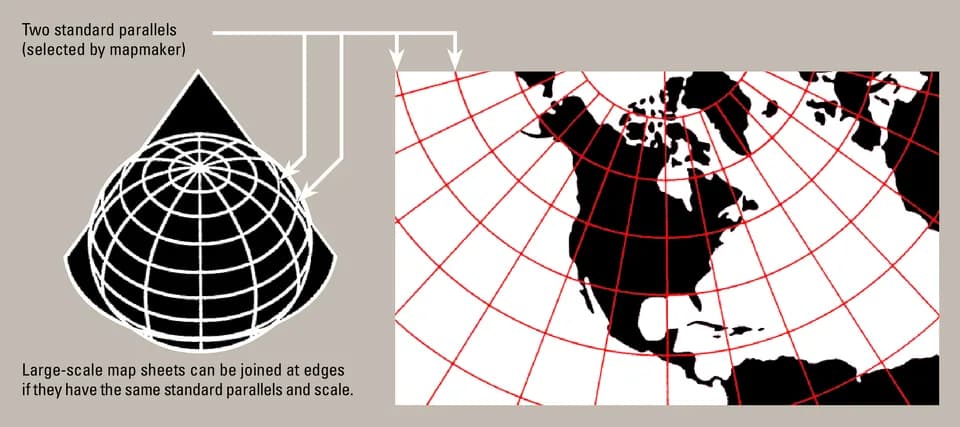
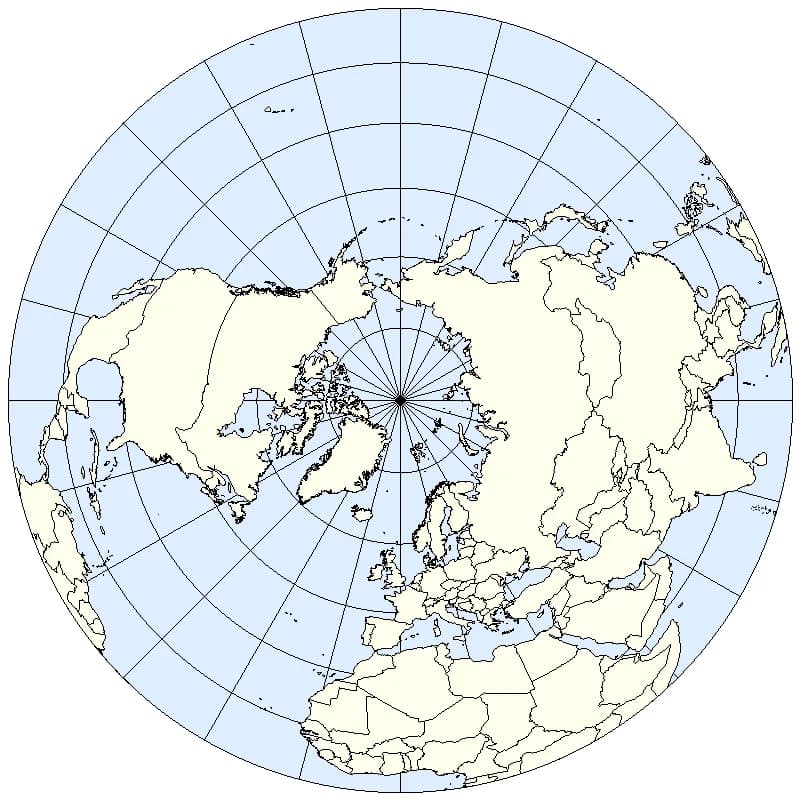
Johann Heinrich Lambert's career was illuminated by significant advancements across several fields, solidifying his reputation as a true polymath. As a German mathematician, physicist, and astronomer, he delved into complex problems, offering solutions and theories that advanced contemporary understanding. His groundbreaking work on map projections, specifically the Lambert conformal conic projection, remains a staple in cartography to this day.
Beyond cartography, Lambert's contributions to physics, particularly in the study of light, were foundational. His methodical approach to scientific inquiry allowed him to make precise observations and derive lasting principles. These wide-ranging achievements underscore his pivotal role in 18th-century European science.
บทที่ 4· บทที่ 4 จาก 6
Notable Works or Contributions
Lambert's written output was as extensive as his intellectual interests, with many works still referenced today. Among his most celebrated publications is "Photometria sive Mensvra et gradibvs lvminis," a seminal text that established the fundamental laws of photometry and laid the groundwork for measuring light intensity. In philosophy, his "Anlage zur Architektonic" showcased his structured approach to knowledge, reflecting his systematic mind.
His investigations into the properties of light continued with works such as "Les proprietés remarquables de la route de la lumière" and its expanded version, "Les proprietés remarquables de la route de la lumière par les airs et en general." Lambert also made significant strides in meteorology with "Hygrometrie; oder, Abhandlung von den Hygrometern," focusing on humidity measurement. Furthermore, his "nots and comments on the composition of terrestial and celestial maps, 1772" highlighted his expertise in cartography. Personal and professional insights are available through "Johann Heinrich Lamberts Monatsbuch mit den zugehörigen Kommentaren" and his collected "Briefwechsel," while his intellectual genesis is seen in "Chemische Jugendschriften des Mathematikers J.H. Lambert, 1728-1777." His academic legacy is supported by an h-index of 3 across 7 papers, including highly cited works like "Essai d'hygrométrie ou sur la mesure de l'humidité" and "Suite de l'essai d'hygrométrie," and the influential "Archimedes, Huygens, Lambert, Legendre."
บทที่ 5 · 1777· บทที่ 5 จาก 6
Later Years
Johann Heinrich Lambert continued his scientific endeavors until his passing on September 25, 1777, in Berlin, Margraviate of Brandenburg. His final years were spent in a vibrant intellectual center, where his presence undoubtedly enriched the scientific discourse of the time. Even as his life drew to a close, Lambert's dedication to discovery and scholarship remained steadfast.
บทที่ 6· บทที่ 6 จาก 6
Legacy and Impact
The legacy of Johann Heinrich Lambert is indelibly etched into the annals of scientific history, reflecting his comprehensive influence across diverse fields. His pioneering work in photometry provided the bedrock for modern light measurement, while his advancements in map projections continue to be utilized by cartographers globally. As a true polymath, Lambert not only contributed specific theories and inventions but also embodied a spirit of interdisciplinary inquiry that continues to inspire. His systematic approach to science and philosophy left a lasting model for future generations of scholars.
ชีวิตในแต่ละช่วงเวลา
ช่วงเวลาที่หล่อหลอมชีวิต



FAQ
คำถามที่พบบ่อย
Johann Heinrich Lambert เสียชีวิตเมื่อใด?
Johann Heinrich Lambert เสียชีวิตเมื่อวันที่ 25 กันยายน 2320 ที่ Berlin, Margraviate of Brandenburg ขณะอายุ 49 ปี
Johann Heinrich Lambert เกิดที่ไหน?
Johann Heinrich Lambert เกิดที่ Mulhouse, France เมื่อวันที่ 26 สิงหาคม 2271
Johann Heinrich Lambert เป็นที่รู้จักจากอะไรมากที่สุด?
Johann Heinrich Lambert เป็นที่รู้จักมากที่สุดจาก German mathematician, physicist and astronomer
Johann Heinrich Lambert อายุเท่าไหร่ตอนเสียชีวิต?
Johann Heinrich Lambert อายุ 49 ปี ตอนเสียชีวิต
Johann Heinrich Lambert เป็นชาวอะไร?
Johann Heinrich Lambert มาจาก France
ไทม์ไลน์
ชีวิตโดยย่อ
แกลเลอรีภาพถ่าย
ชีวิตในภาพ
คลิกที่โพลารอยด์ใดก็ได้เพื่อขยาย · 25 ภาพ
QR โค้ด
แบ่งปันประวัตินี้
พิมพ์และแบ่งปัน
สแกนเพื่อเยี่ยมชมหน้าประวัตินี้ พิมพ์สำหรับงานกิจกรรม นิทรรศการ หรือสื่อการศึกษา